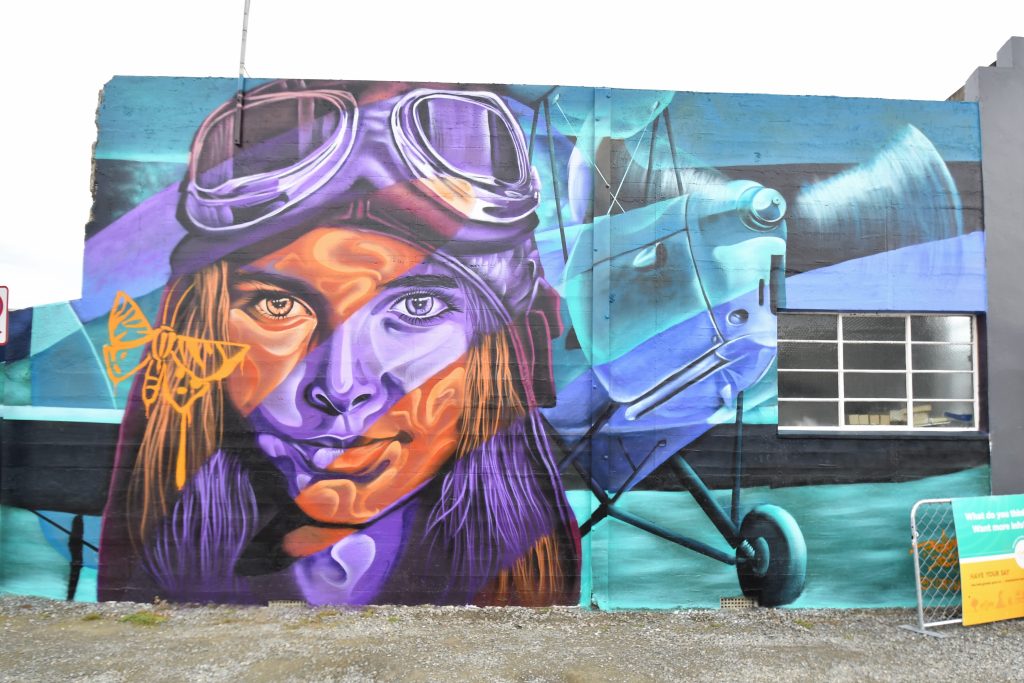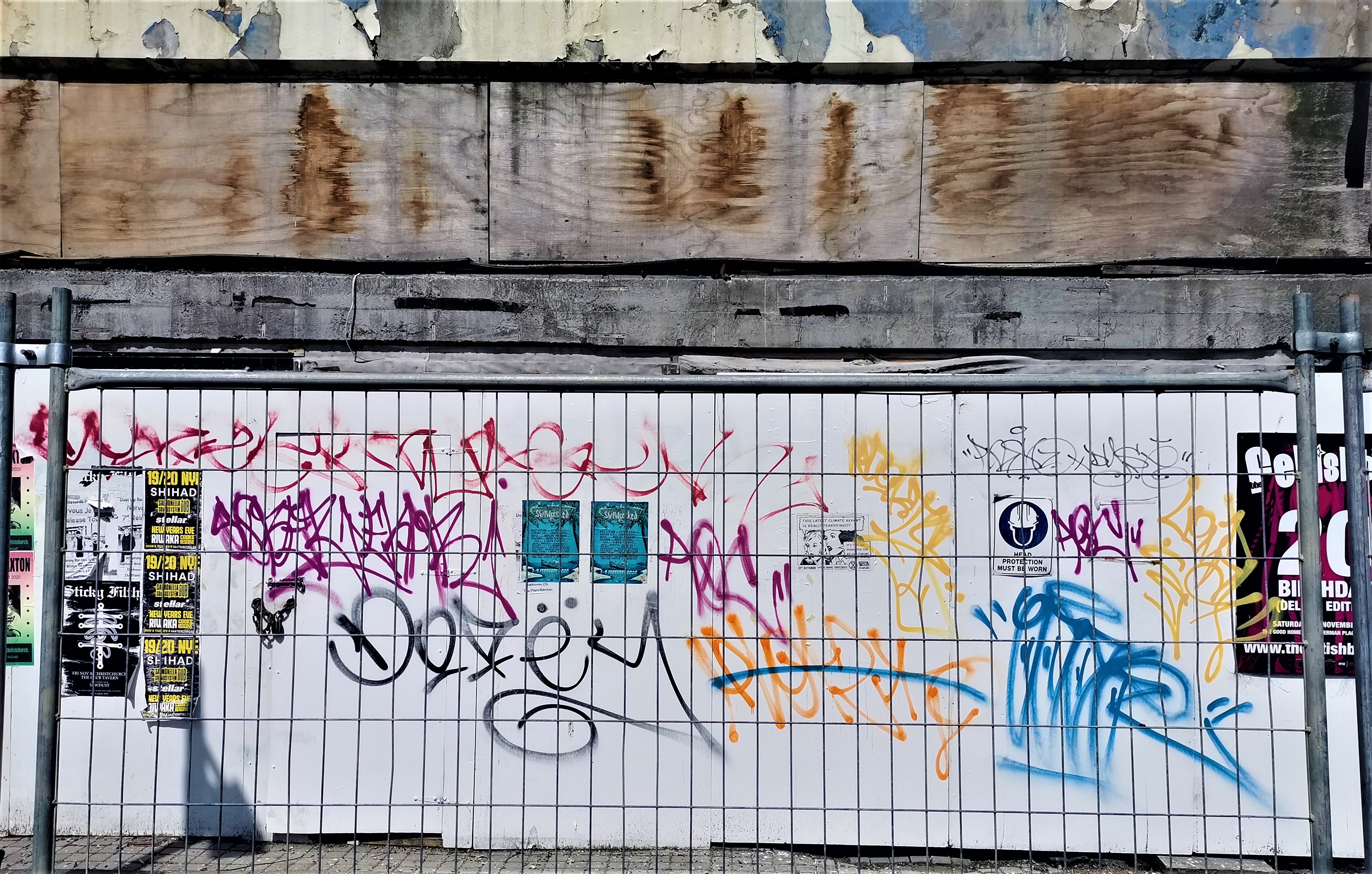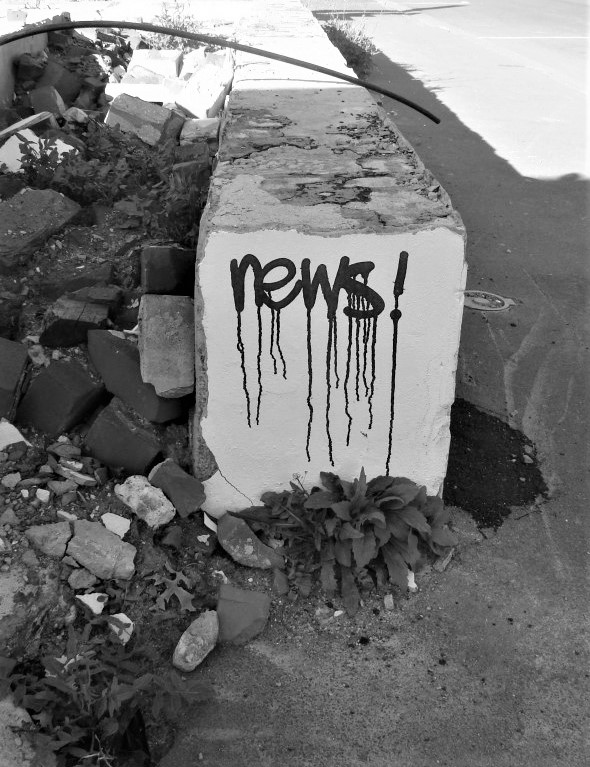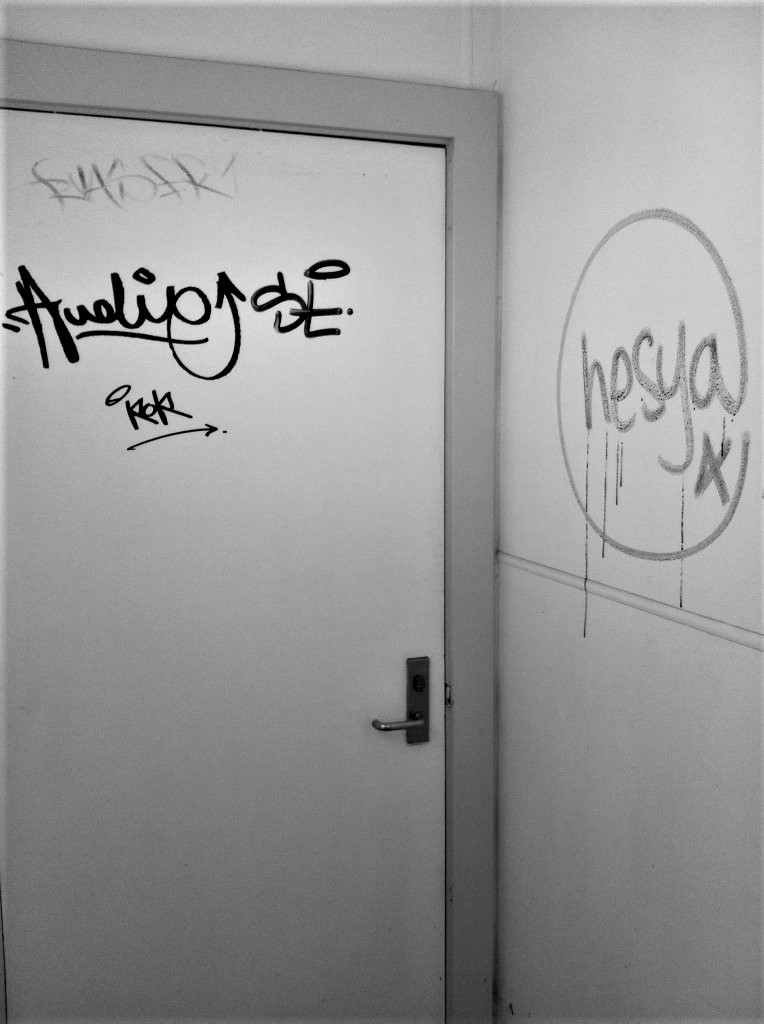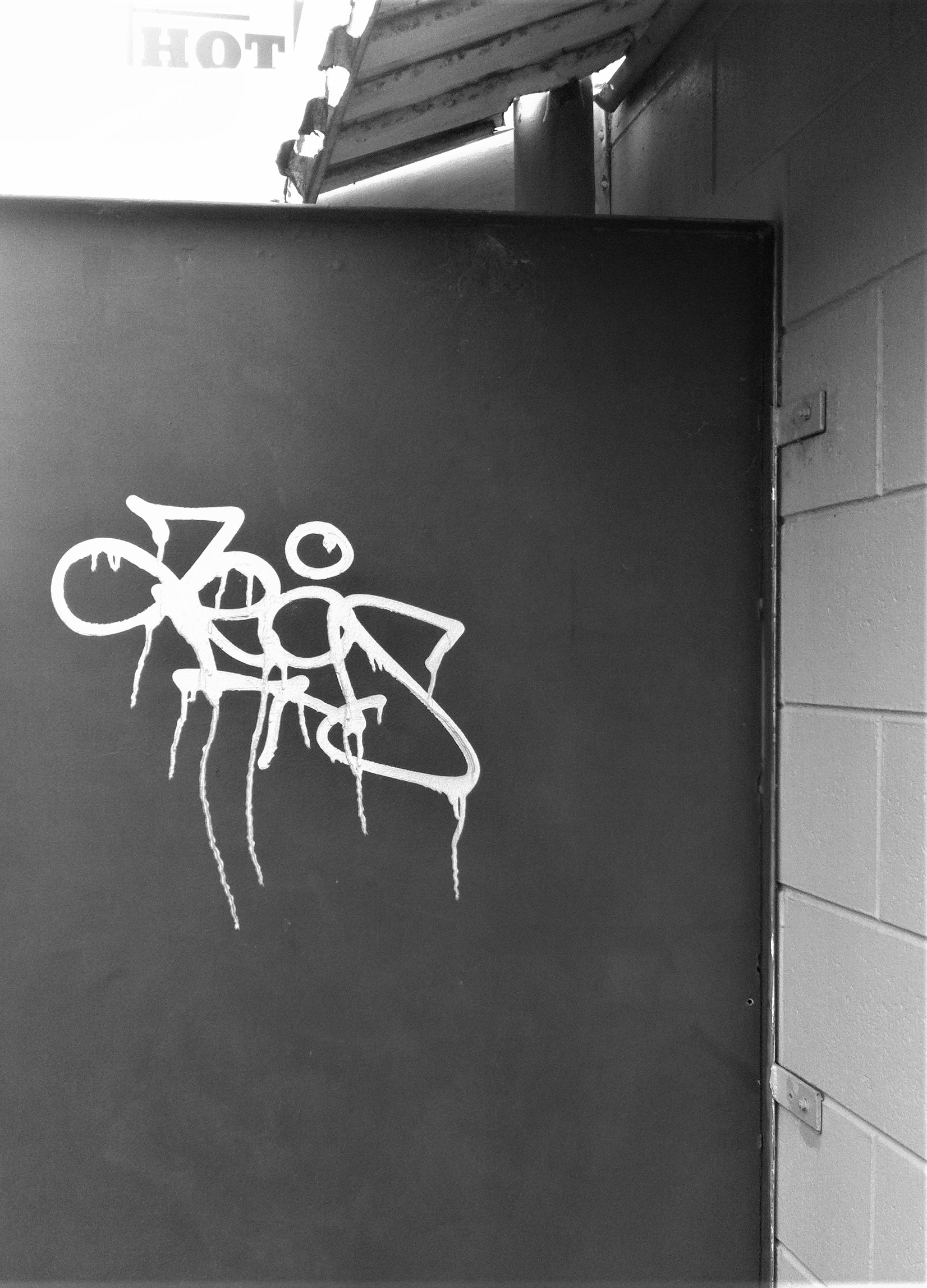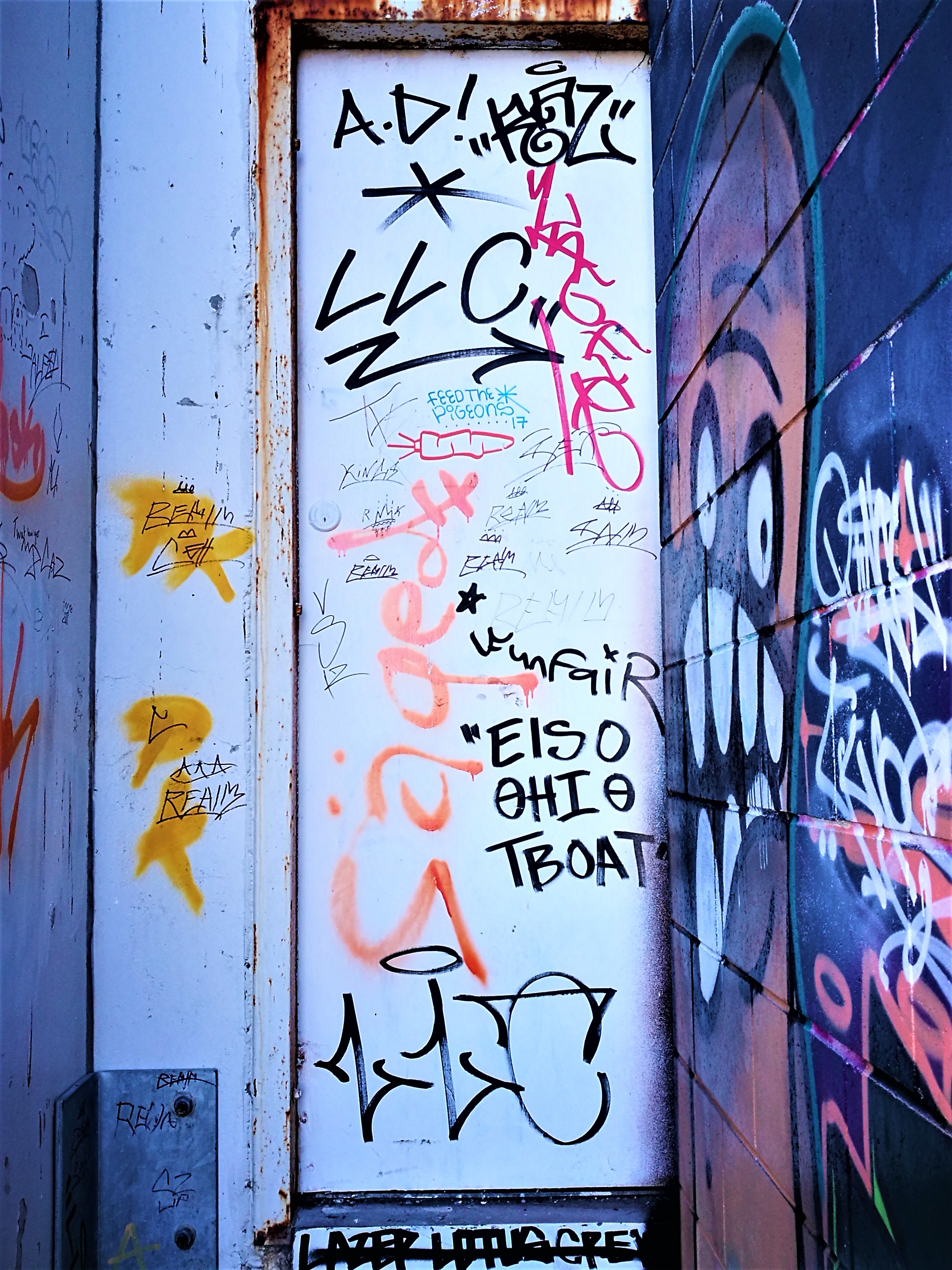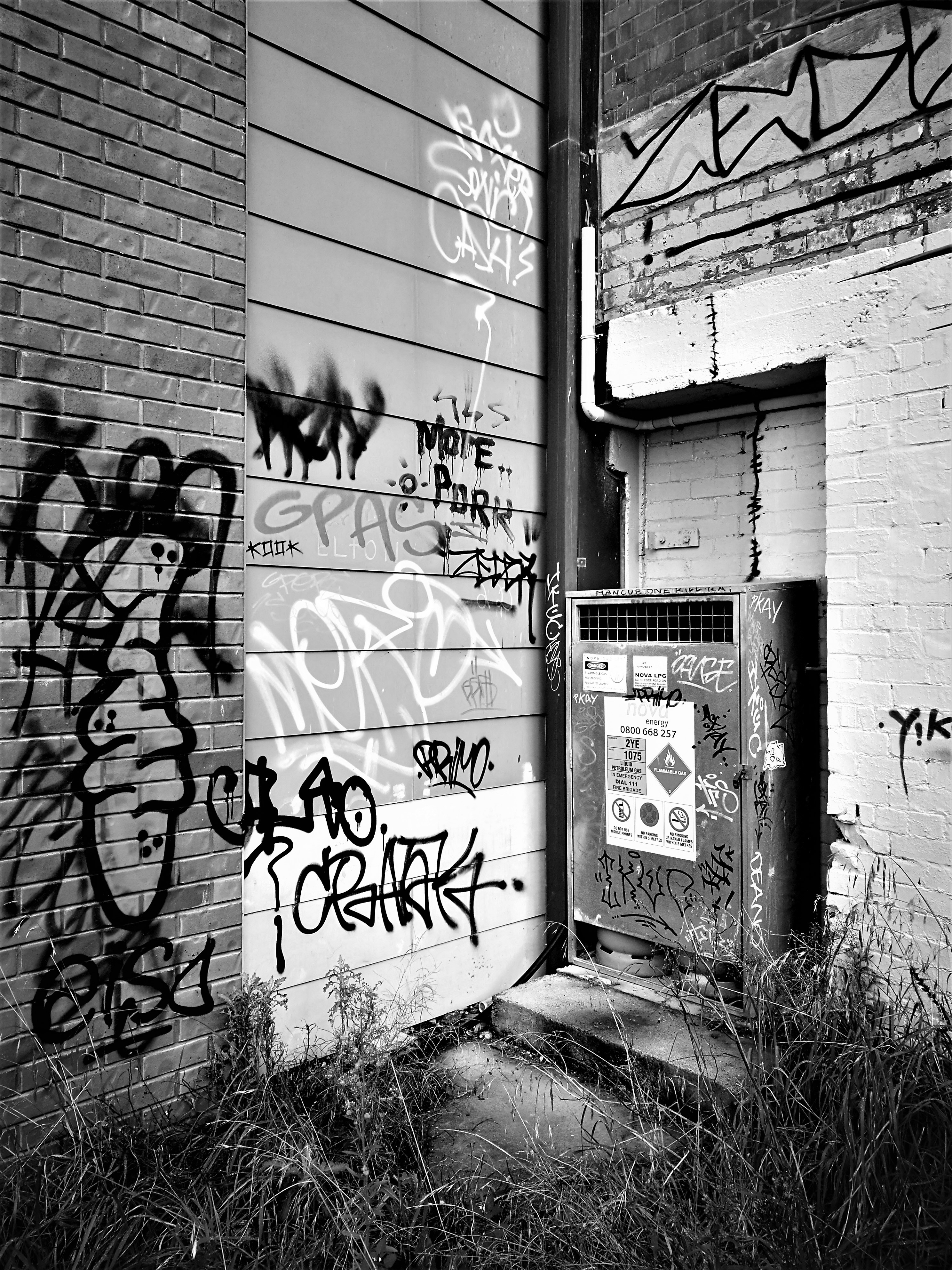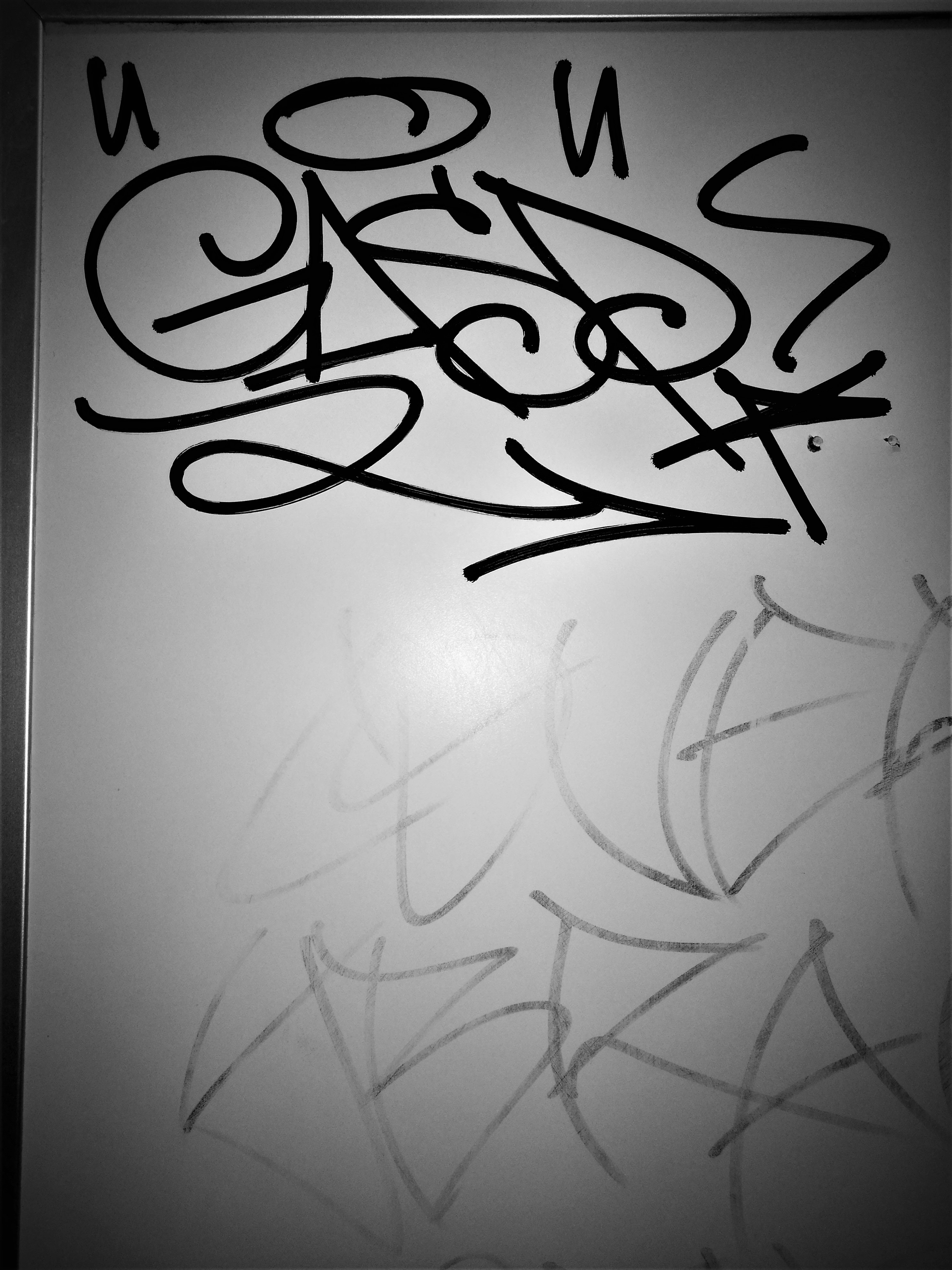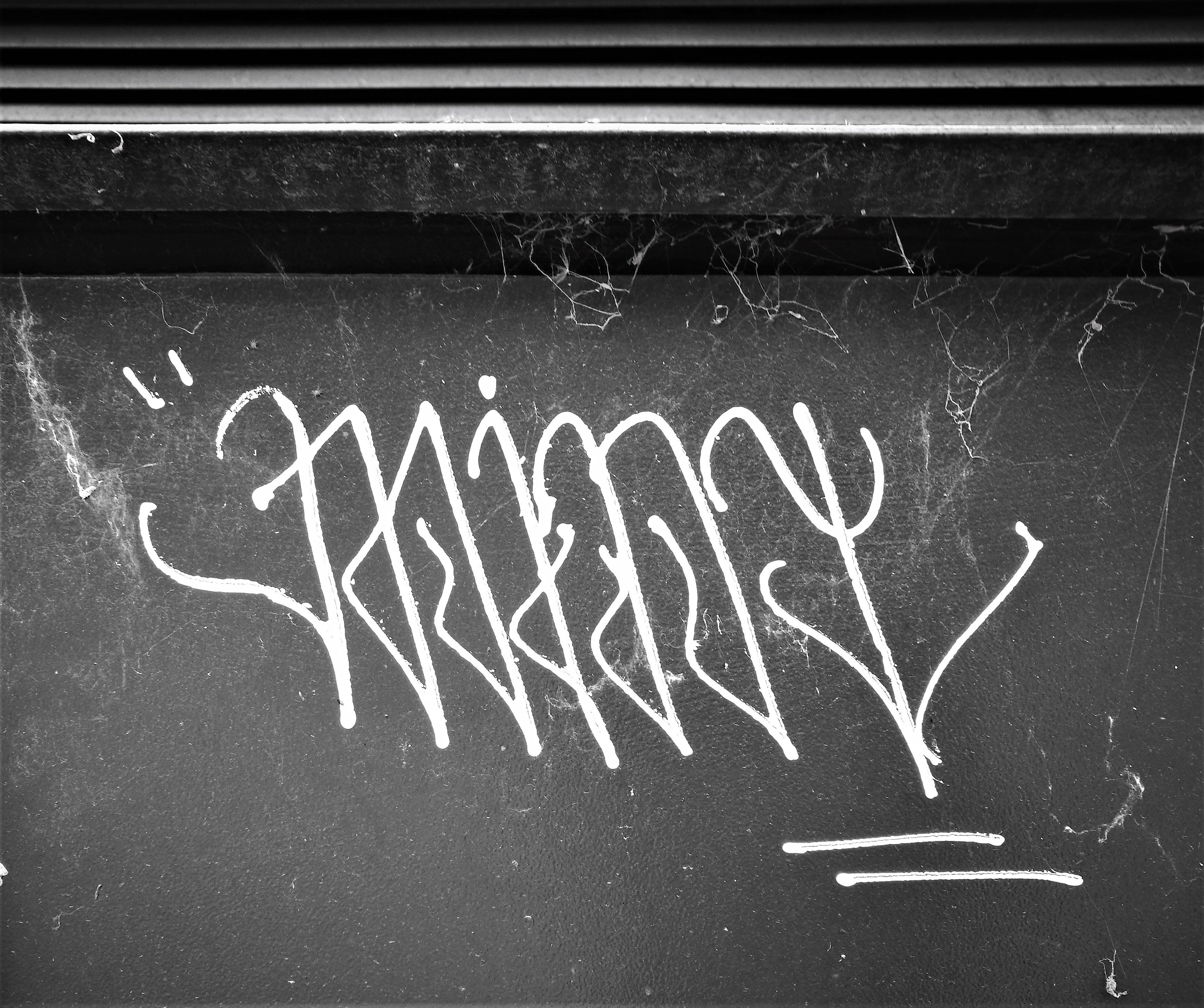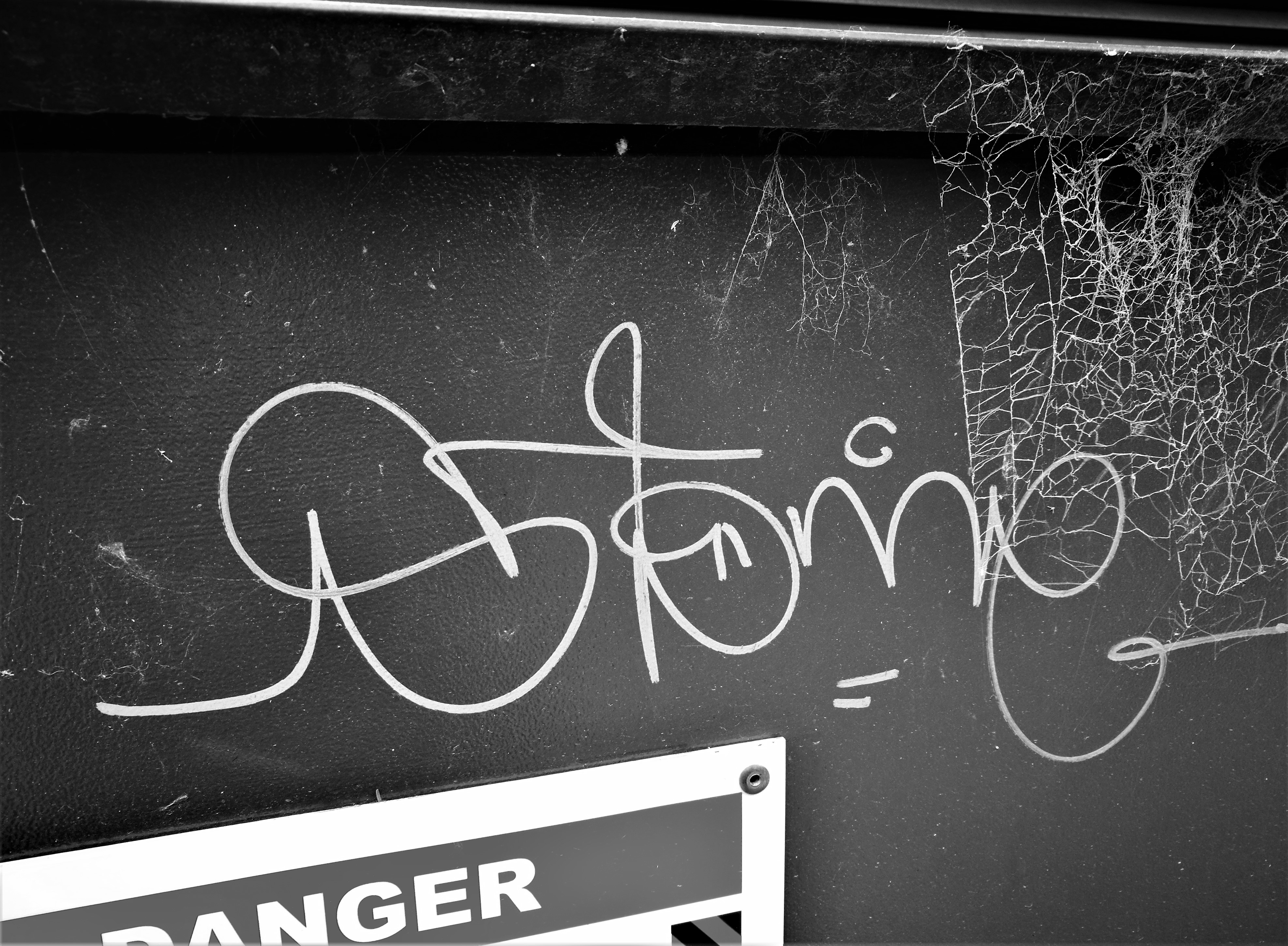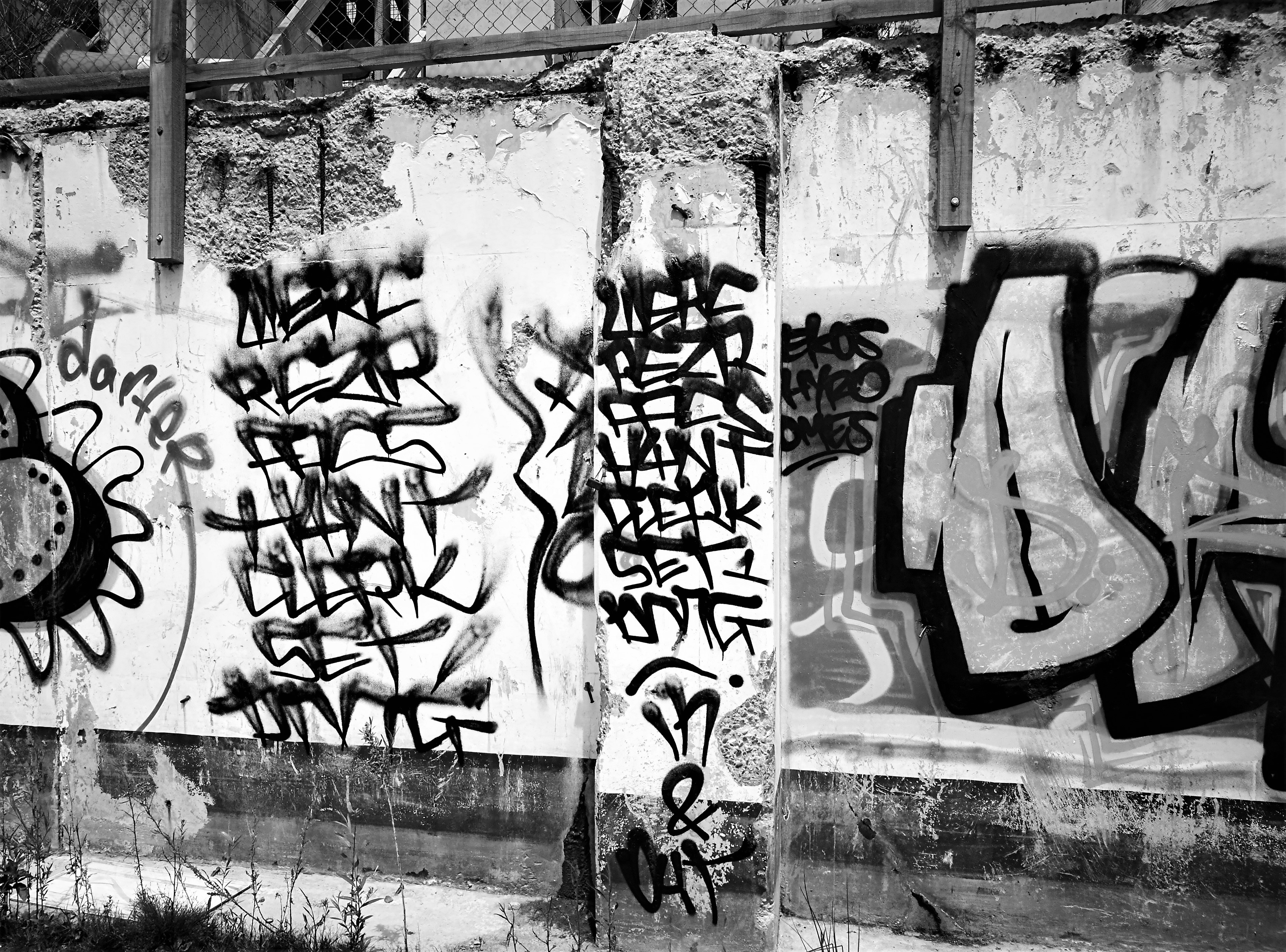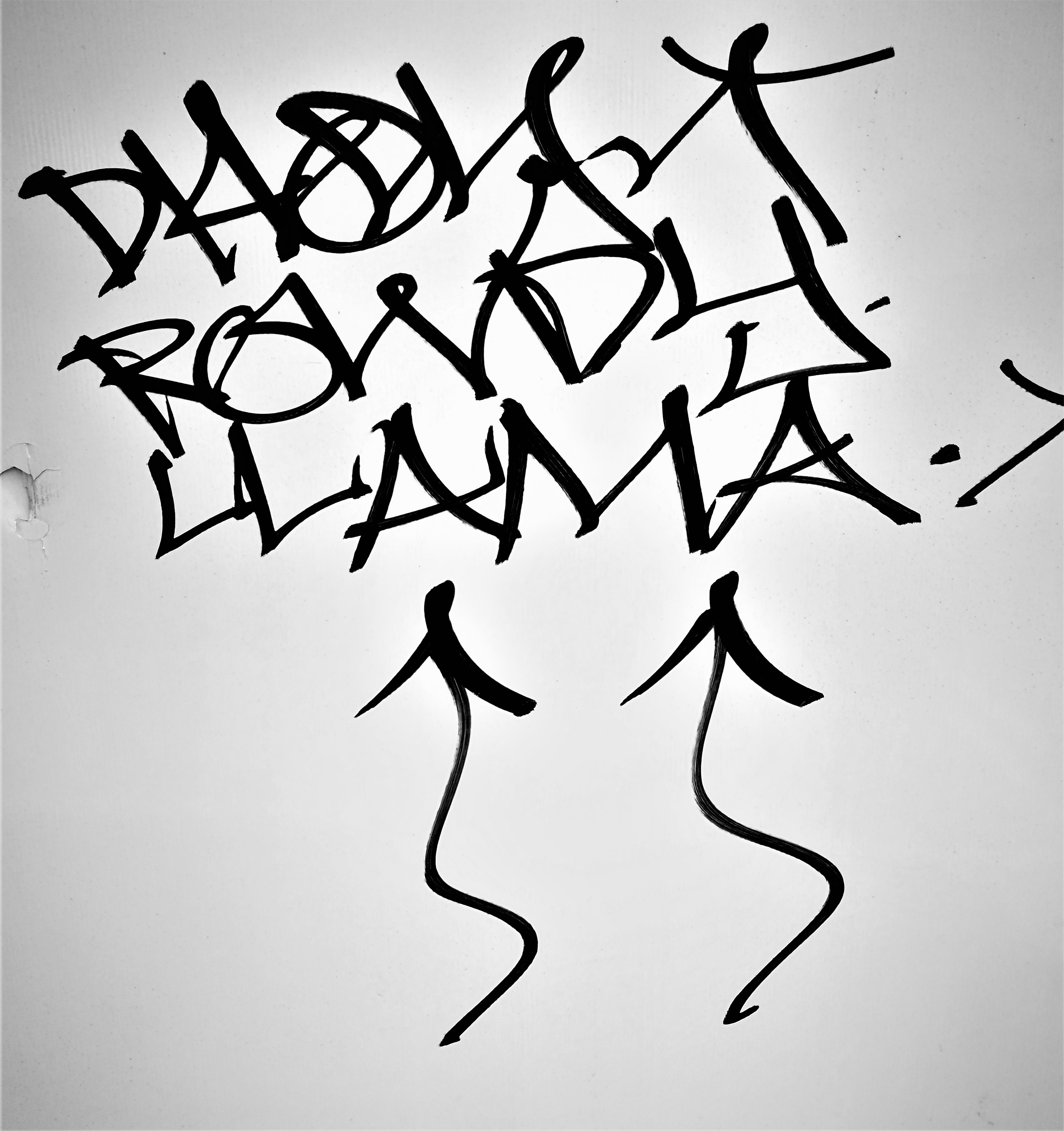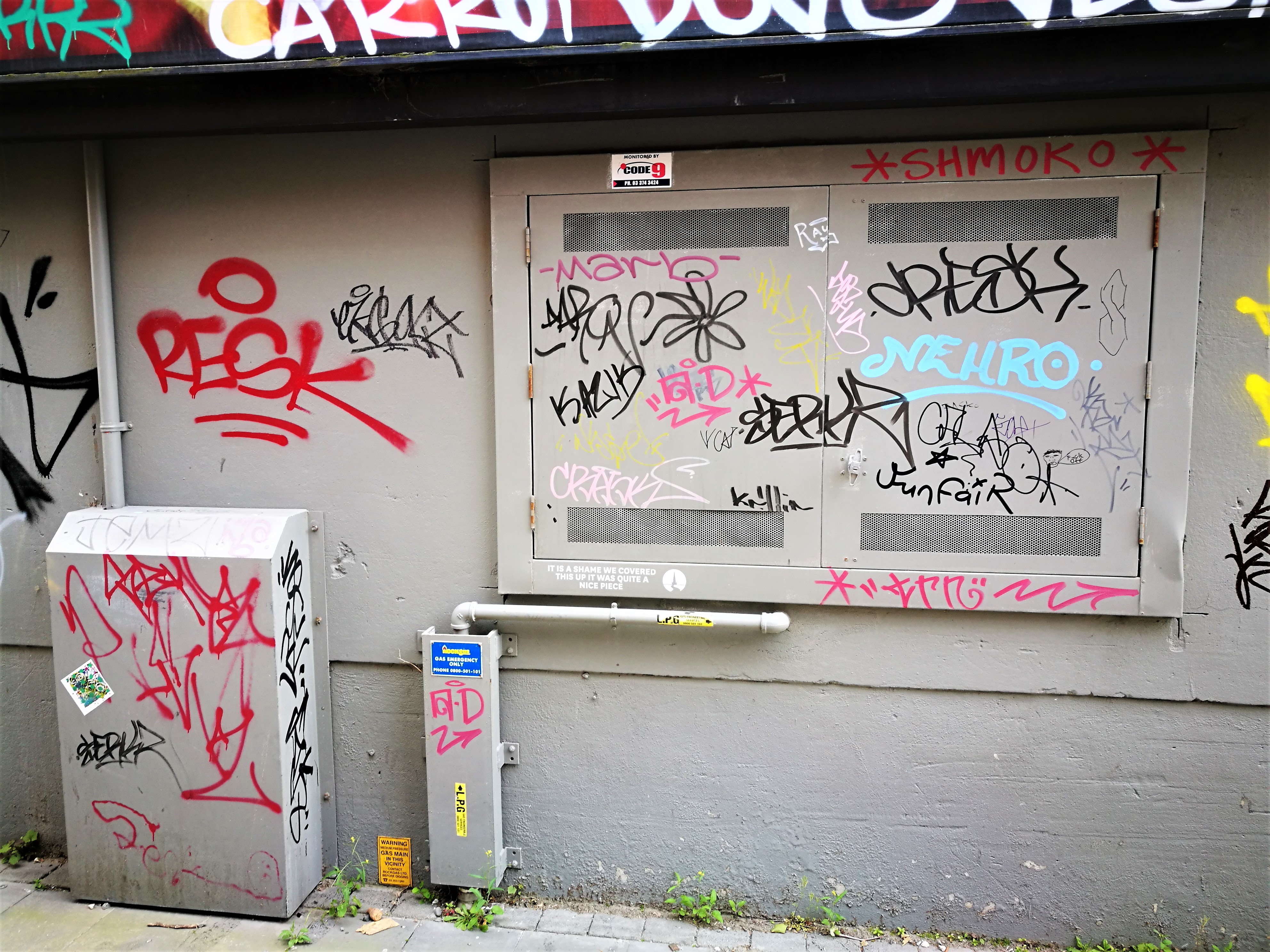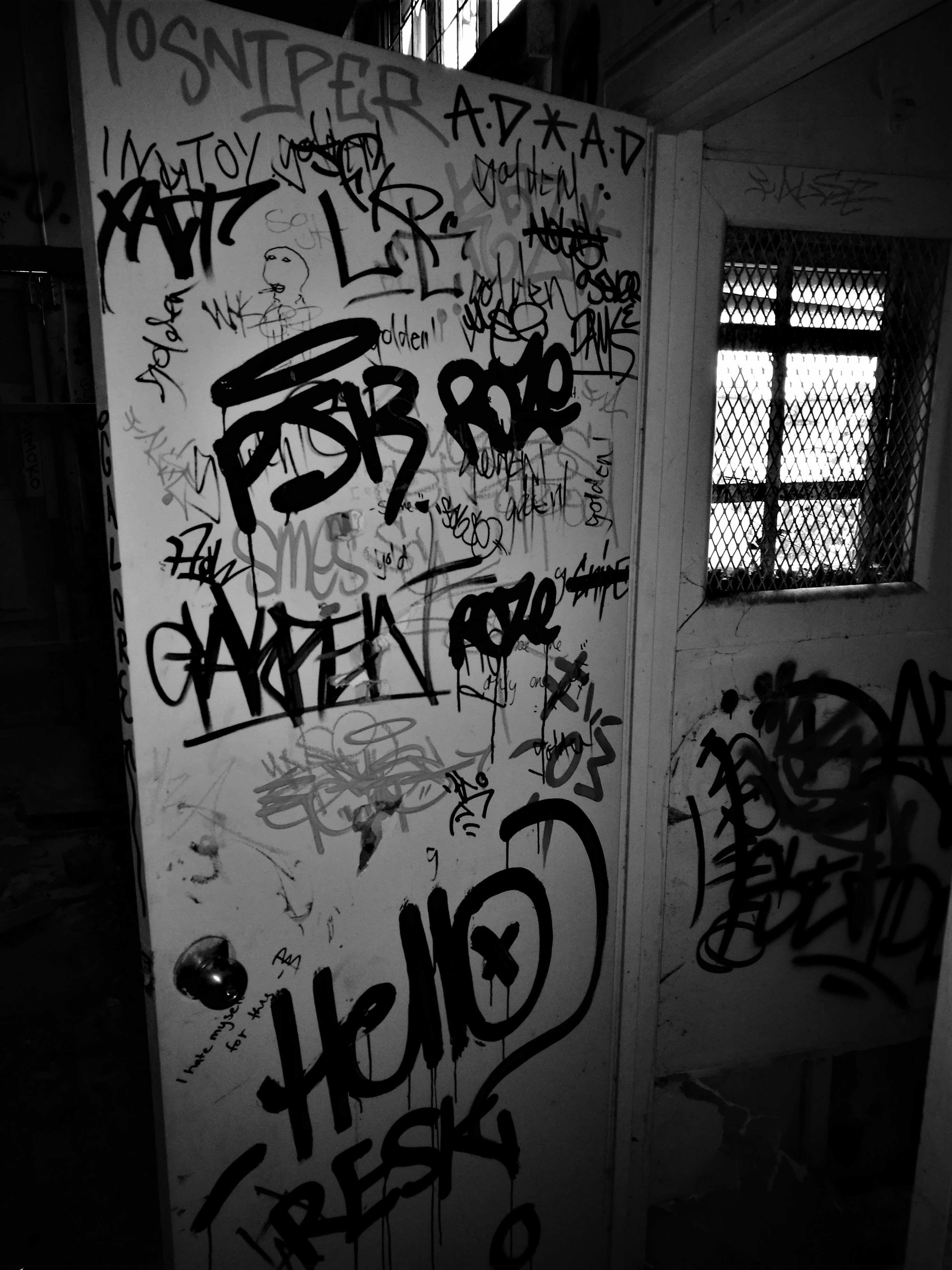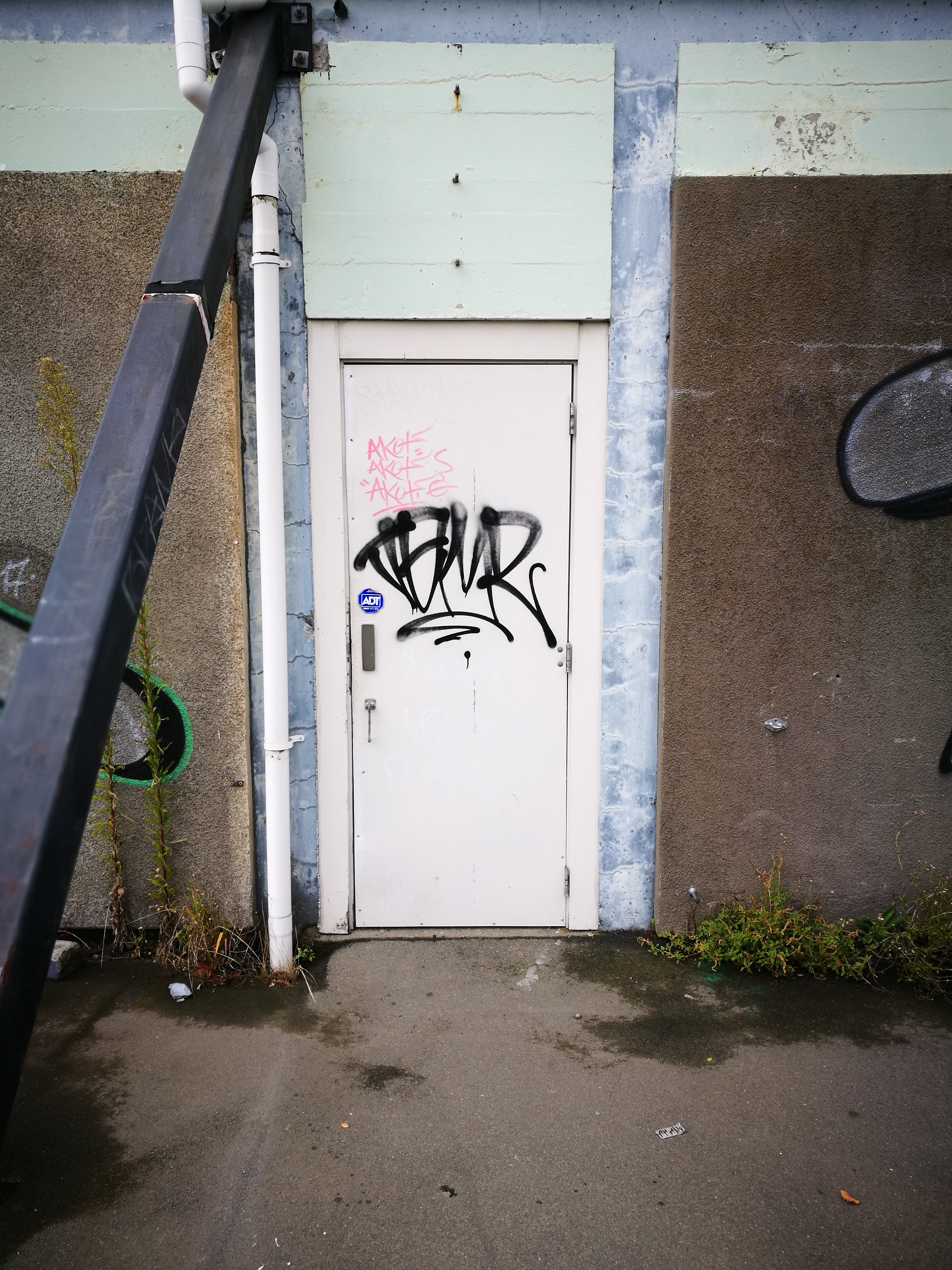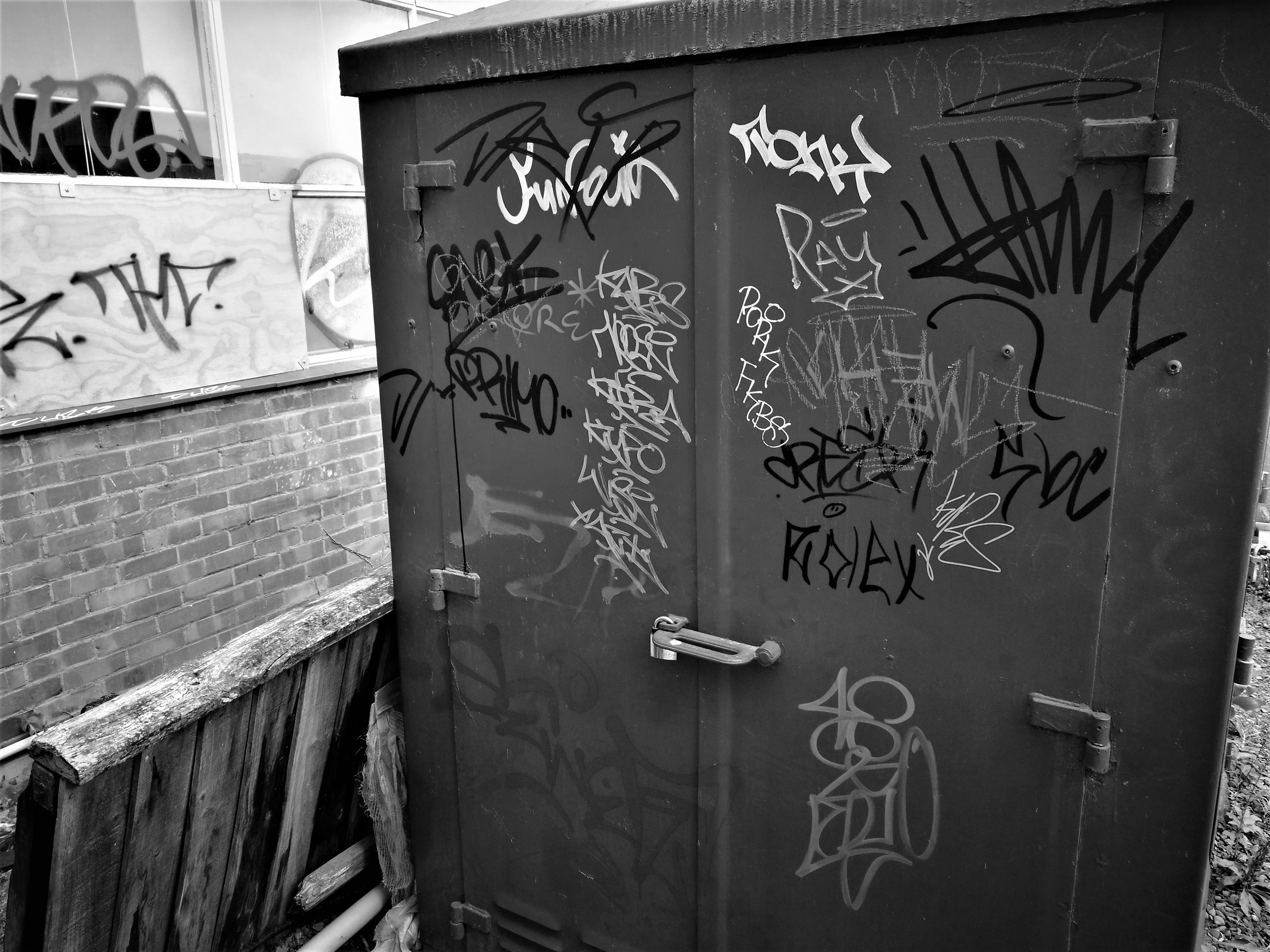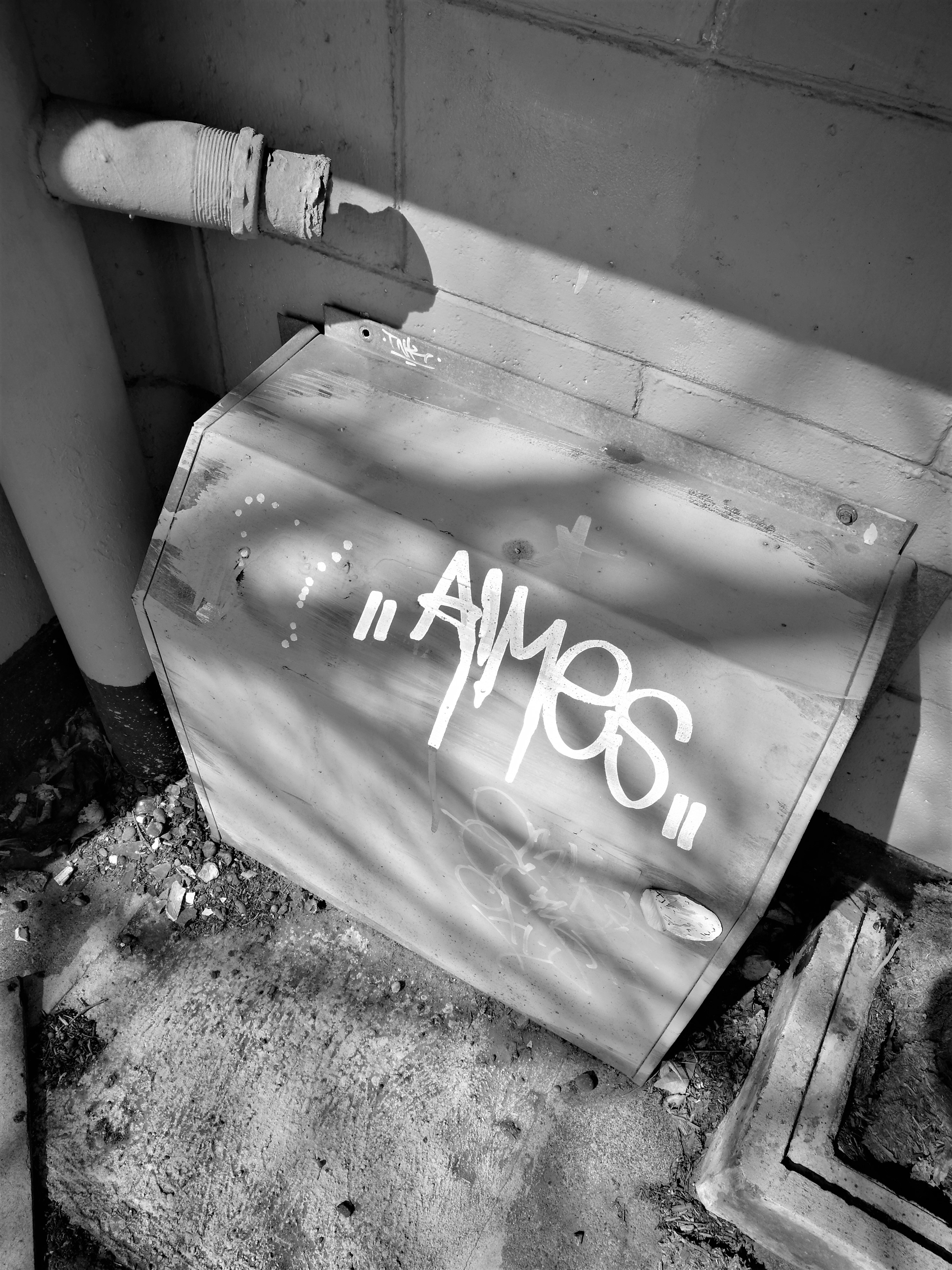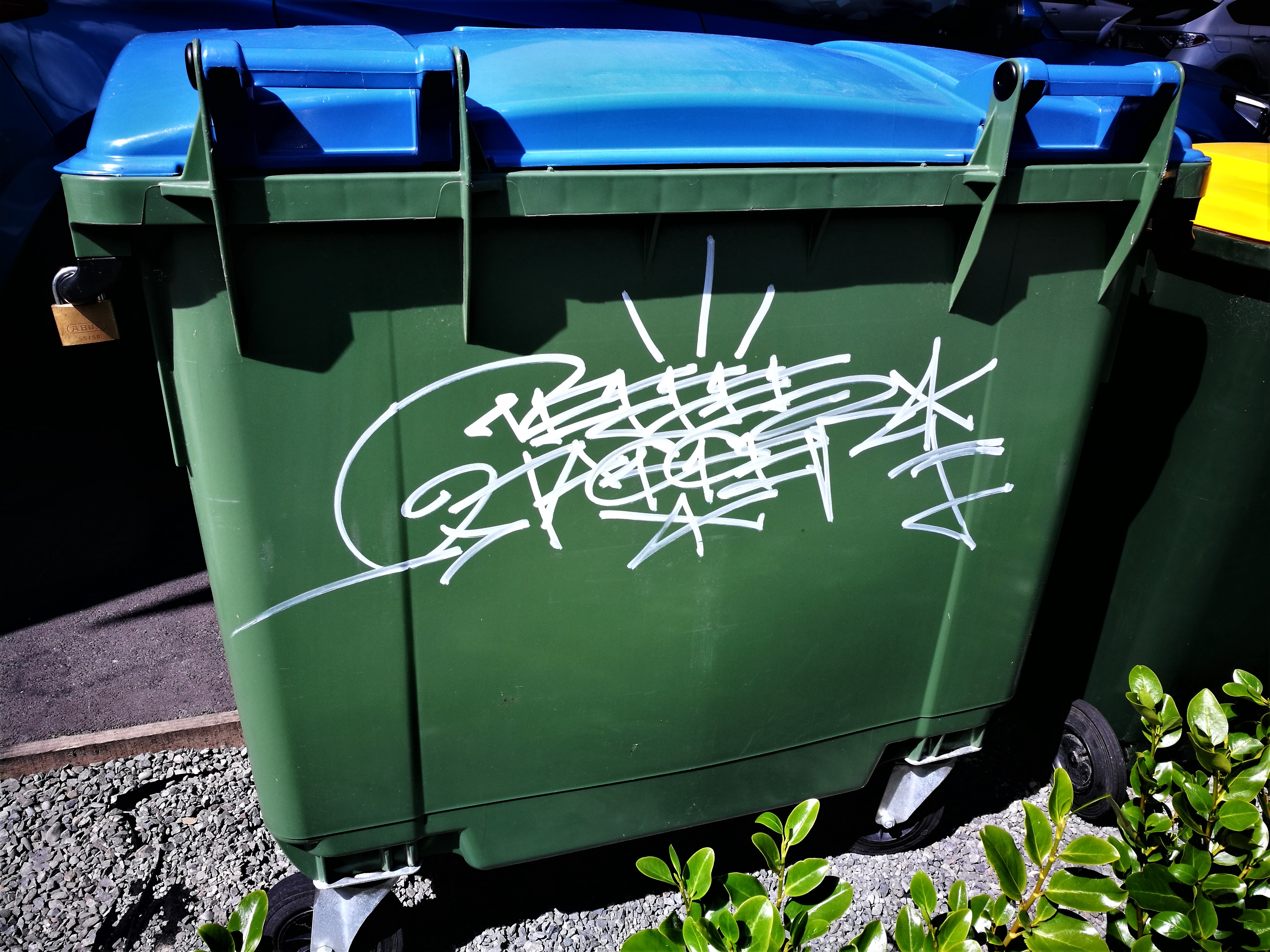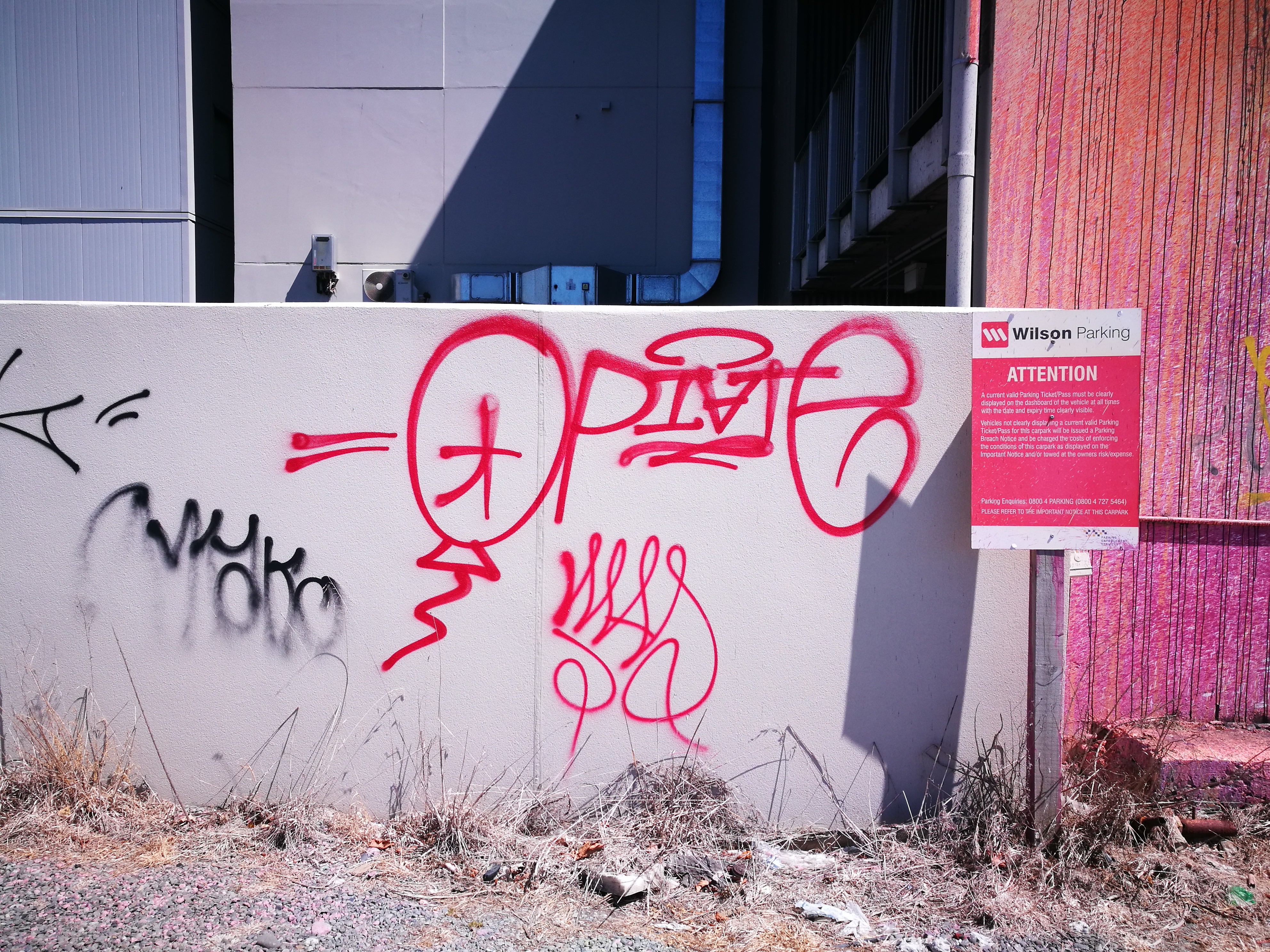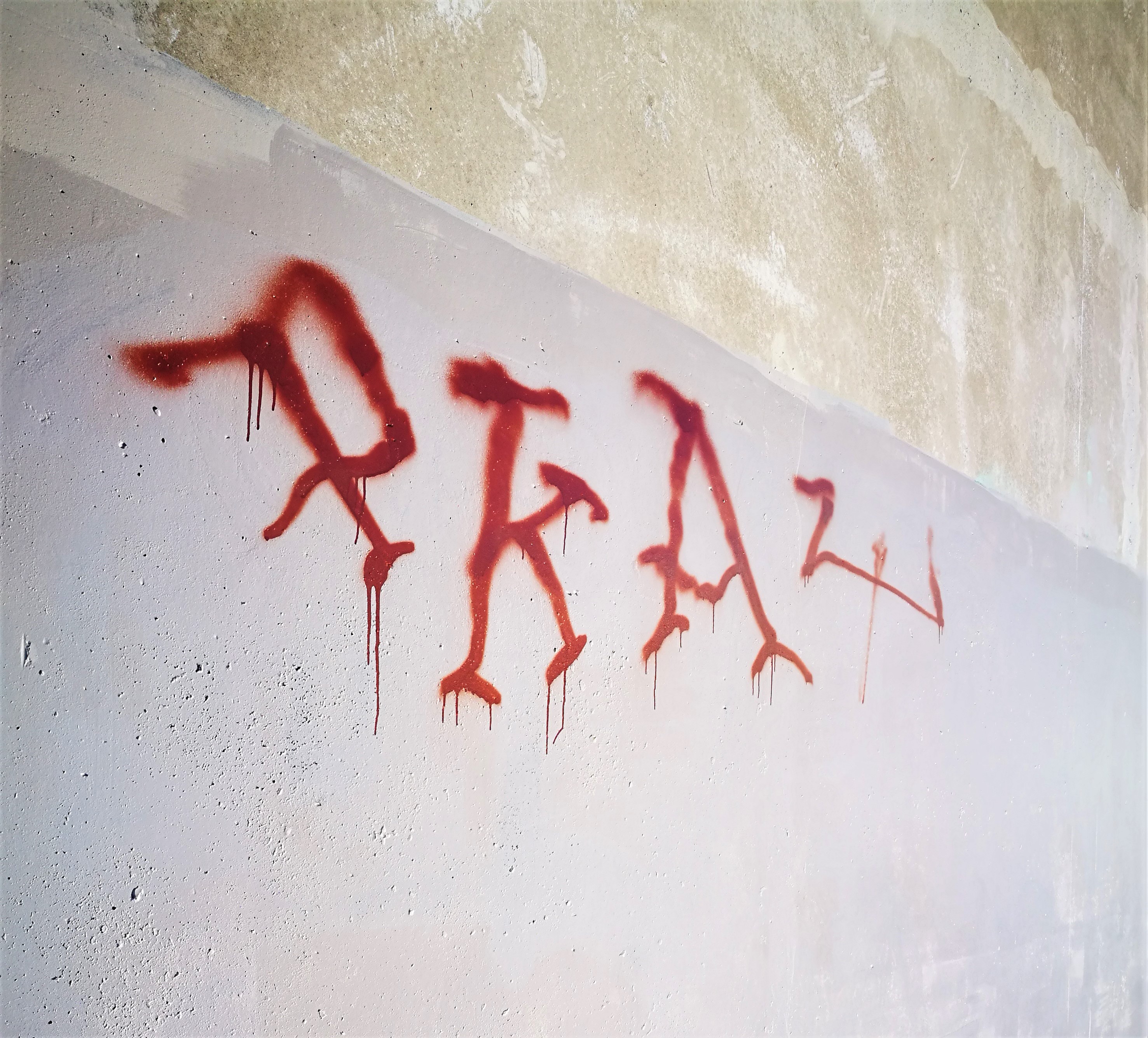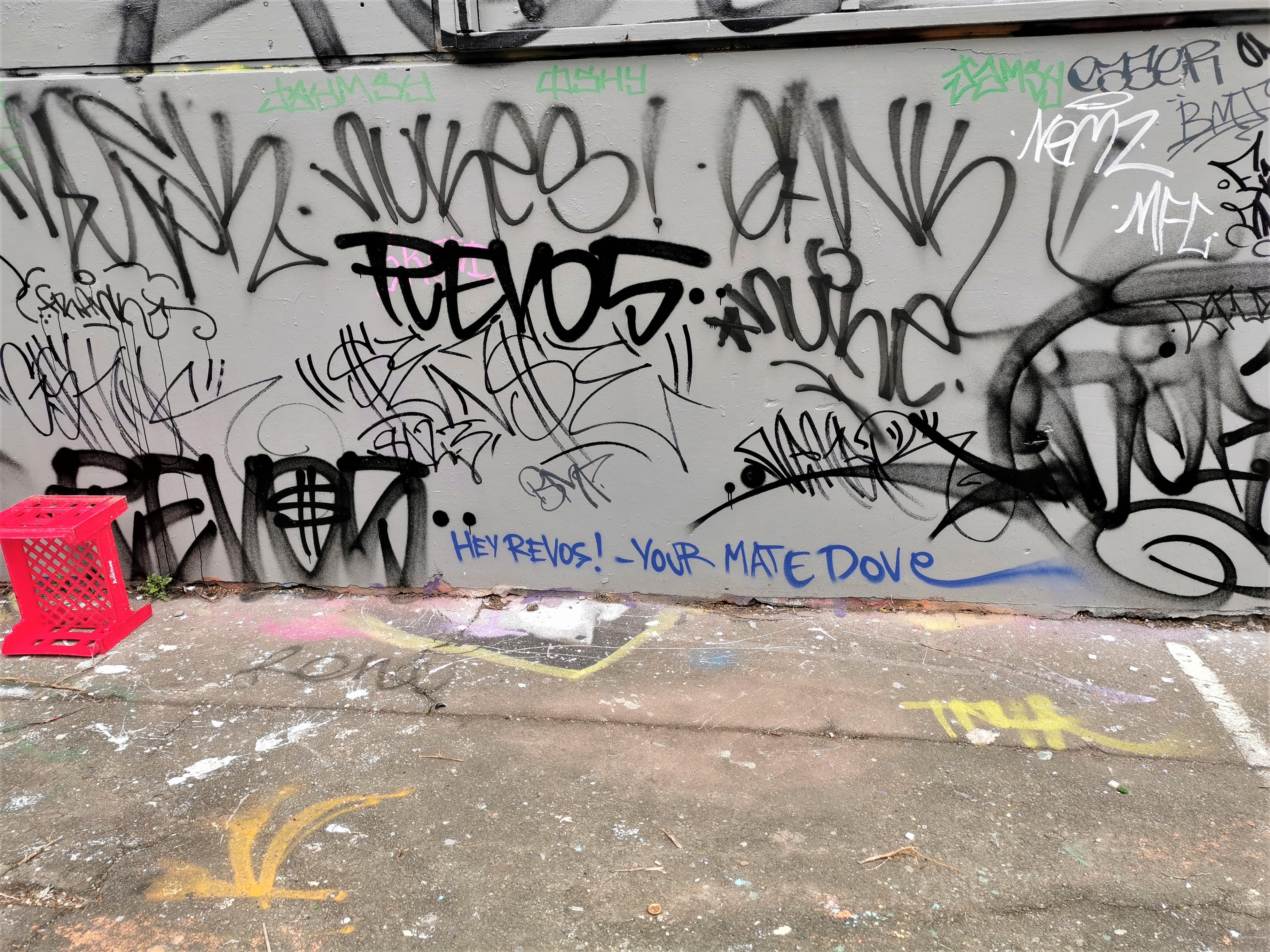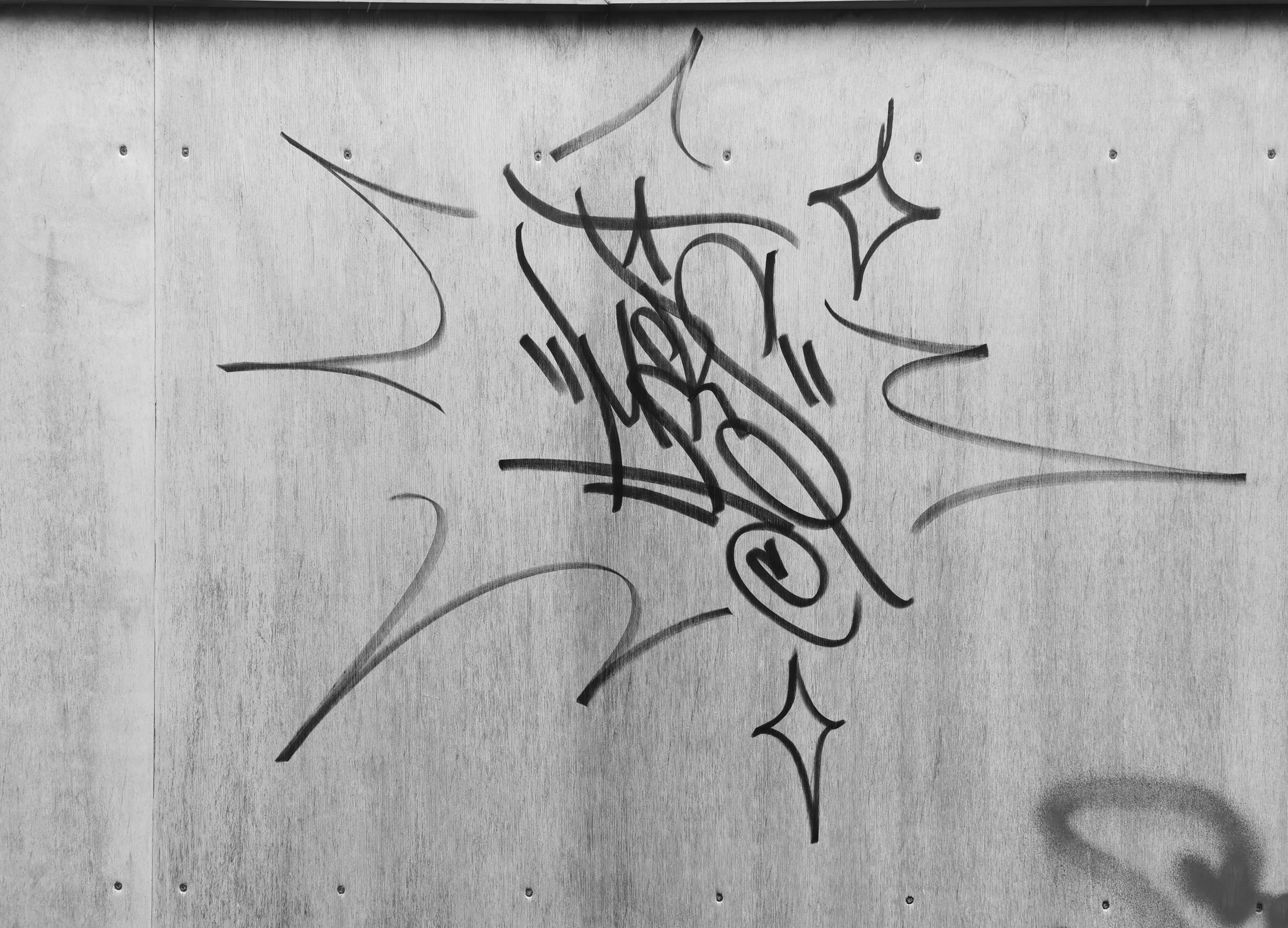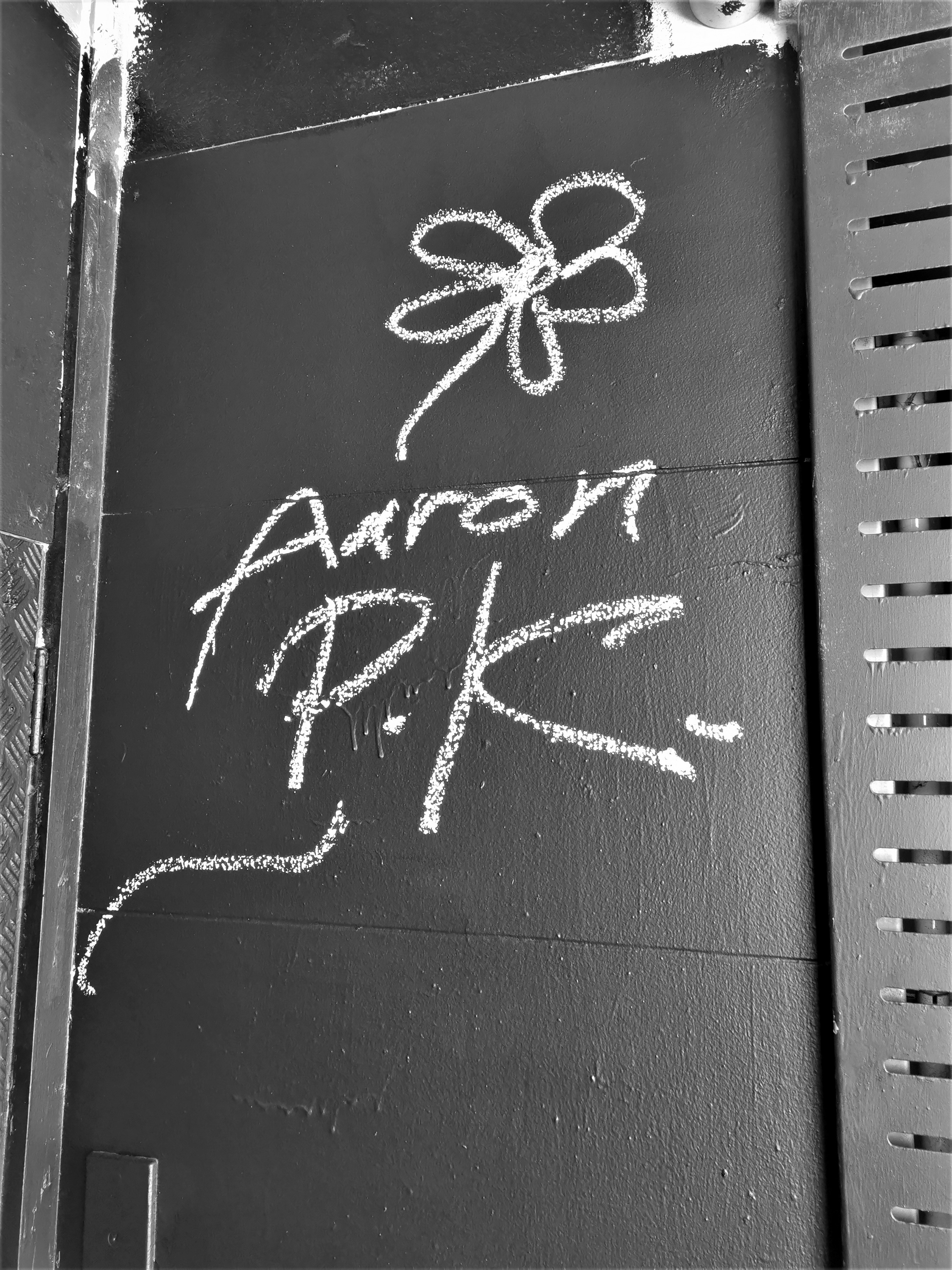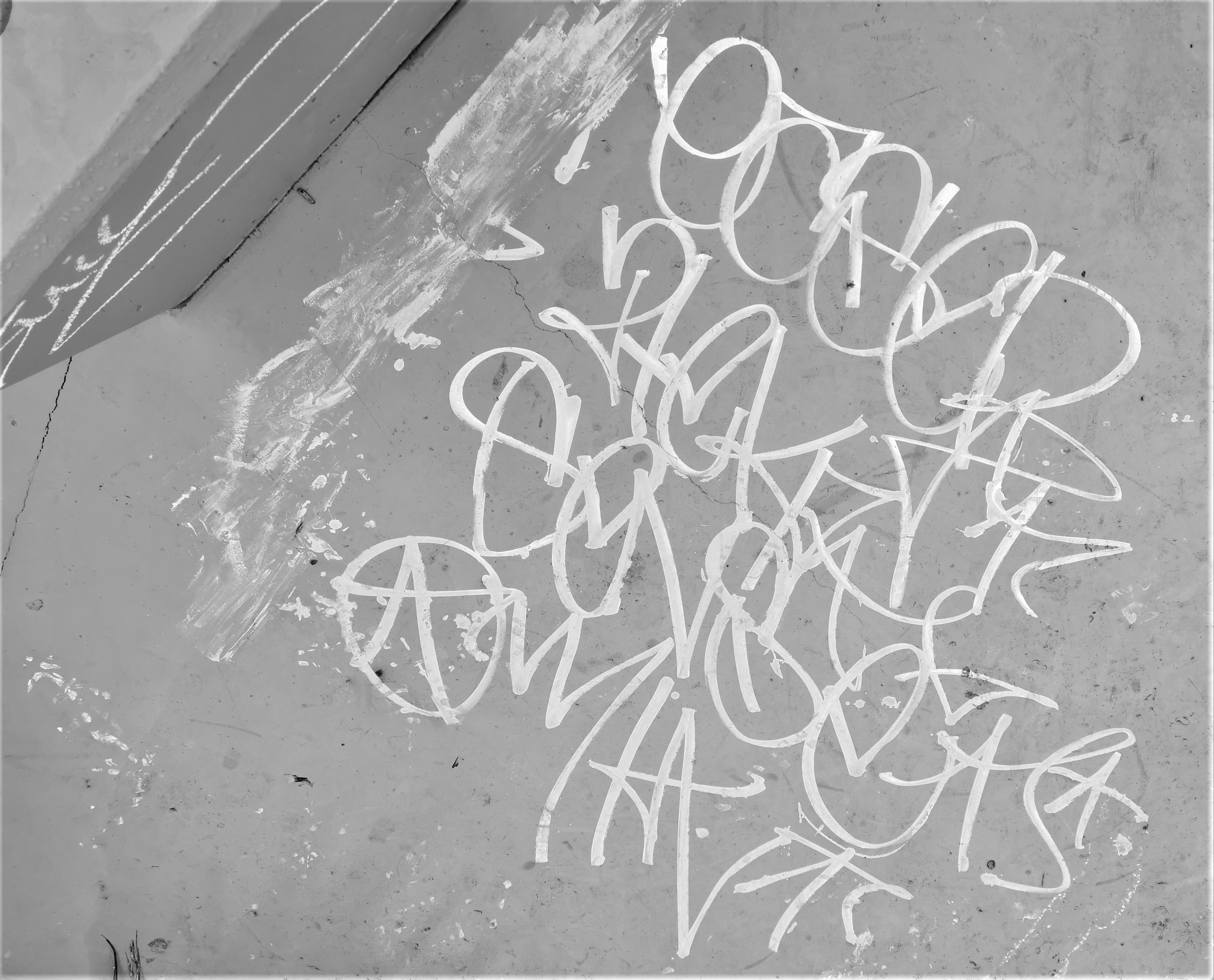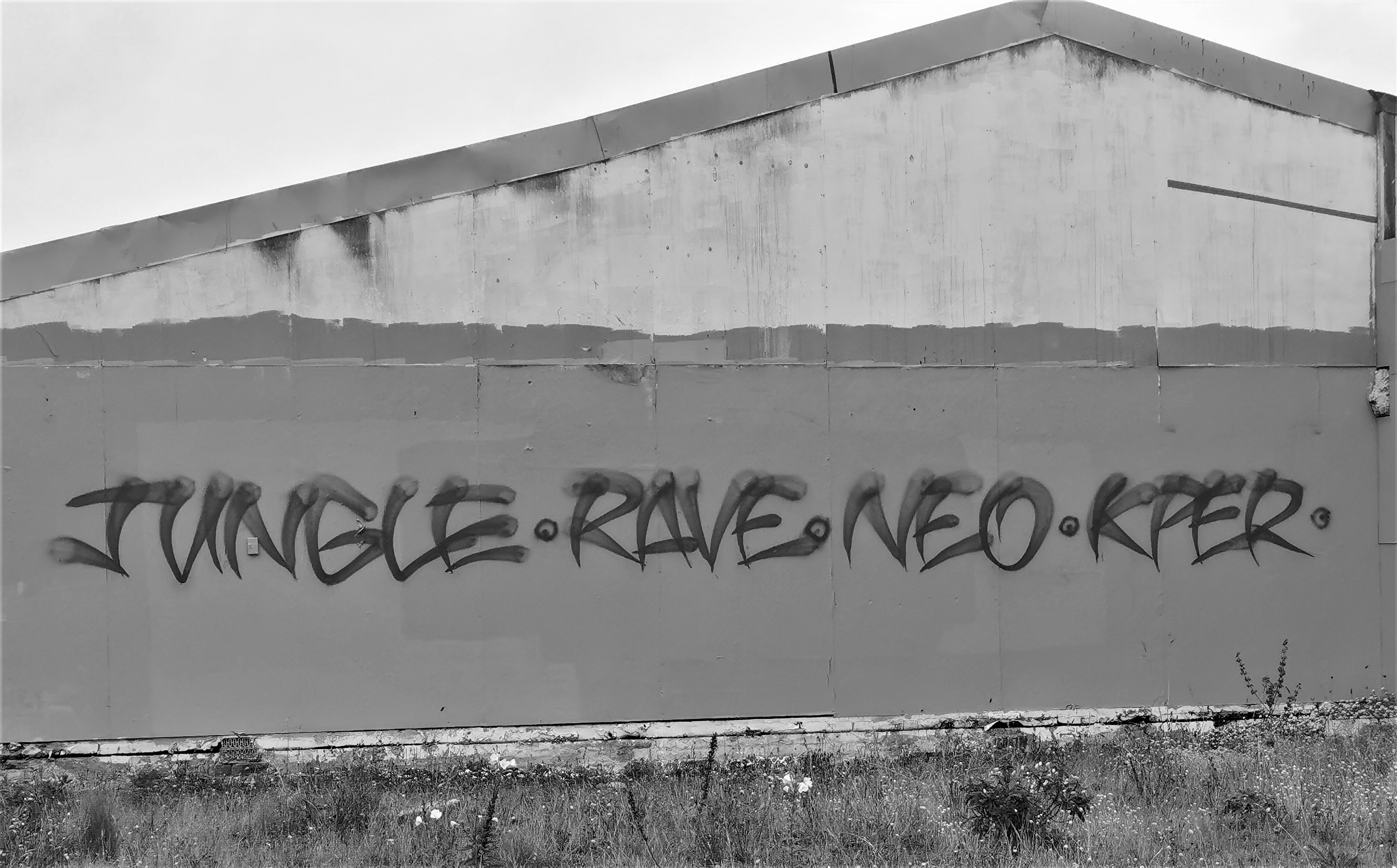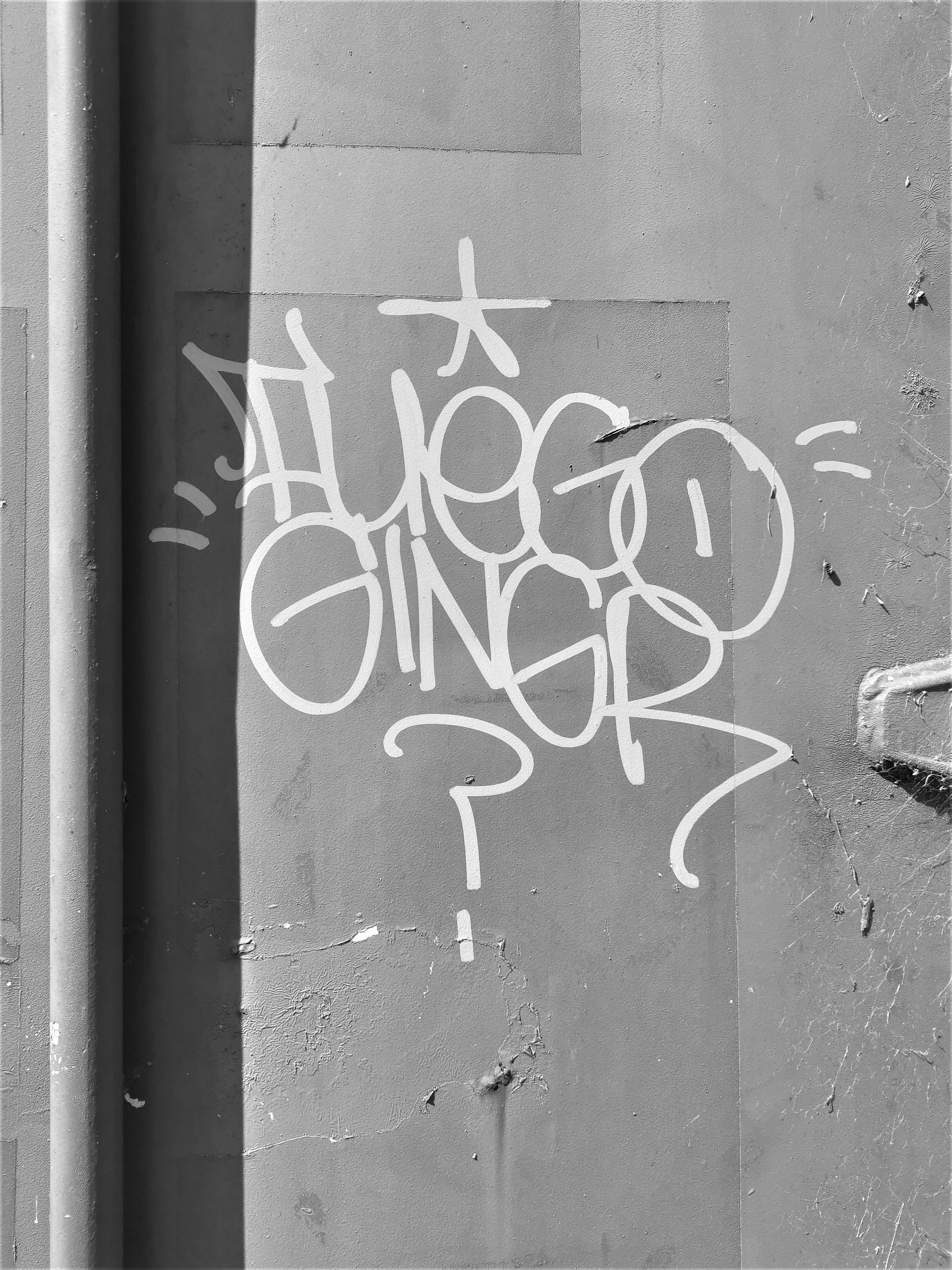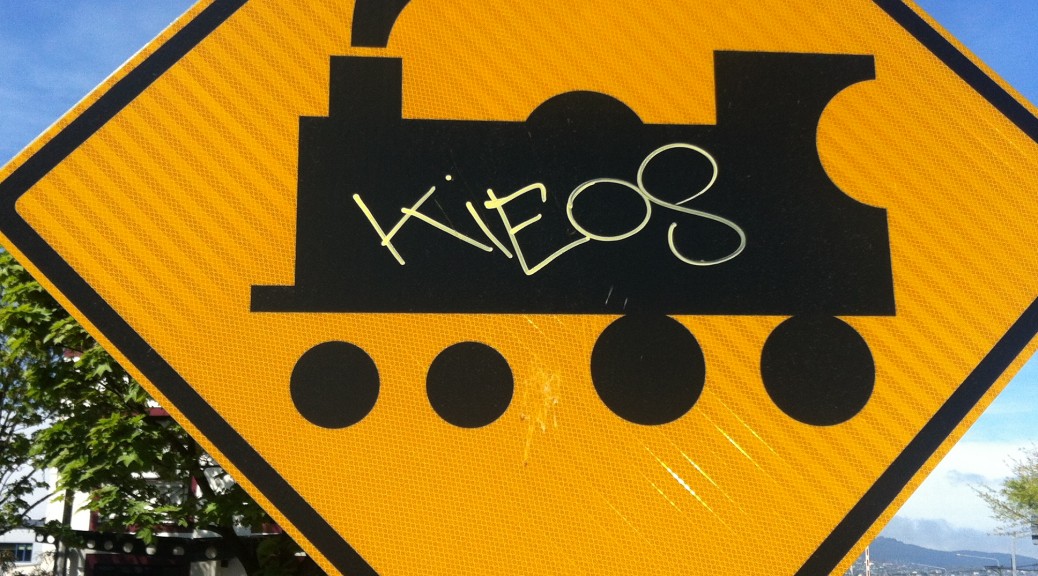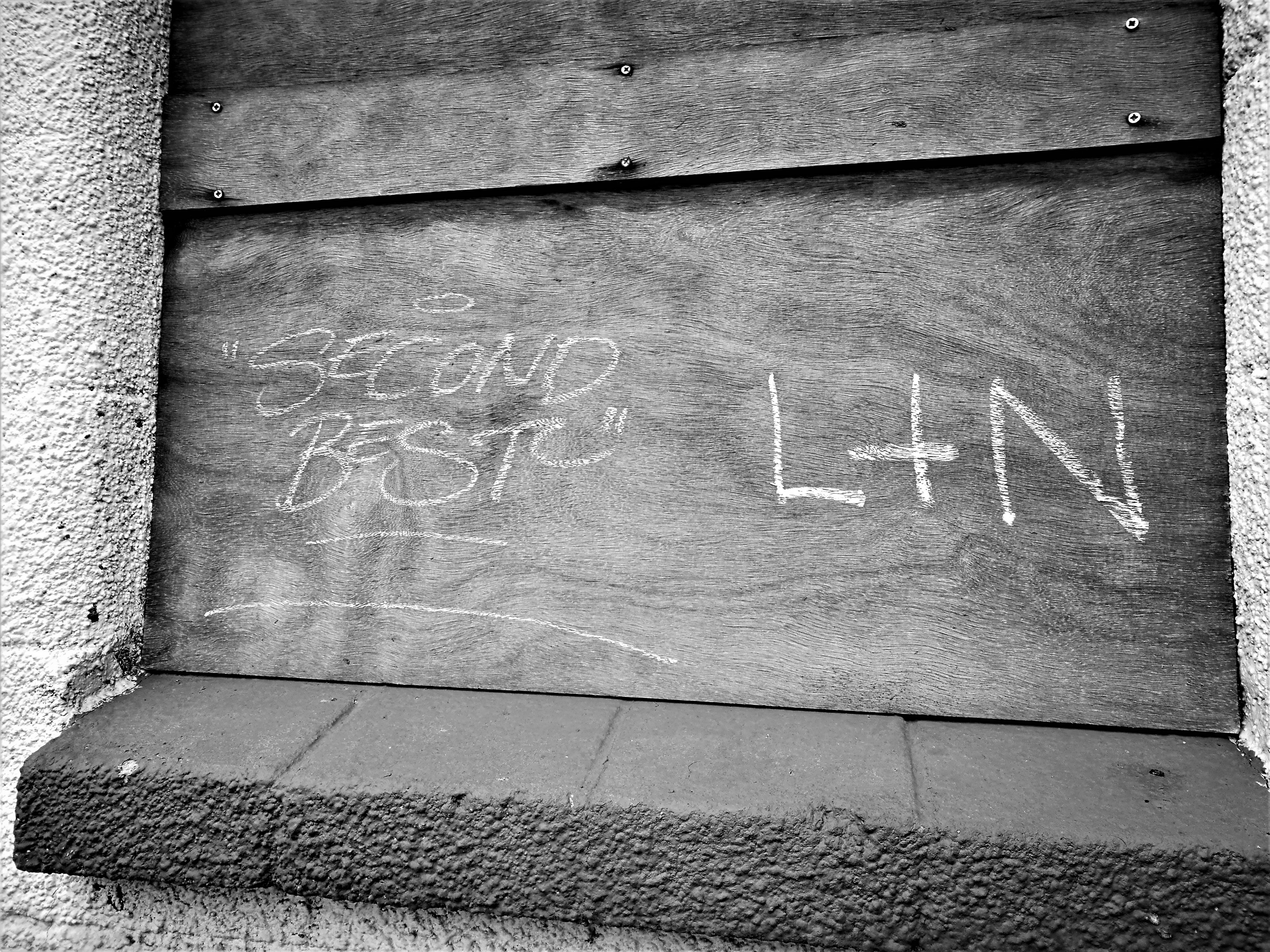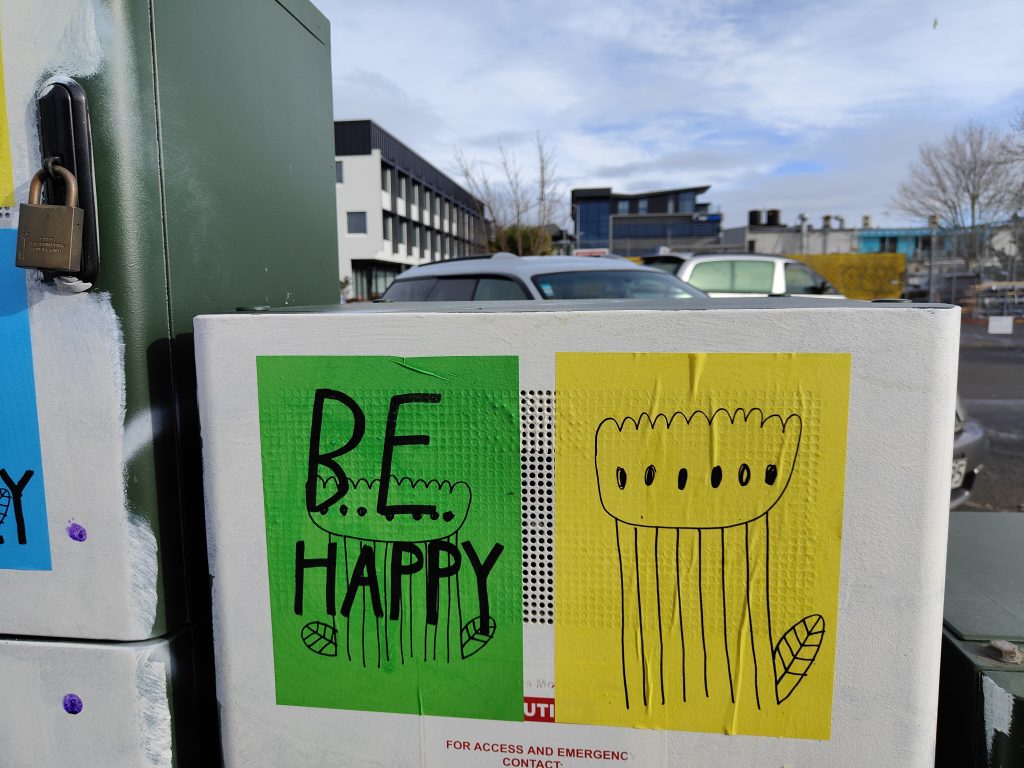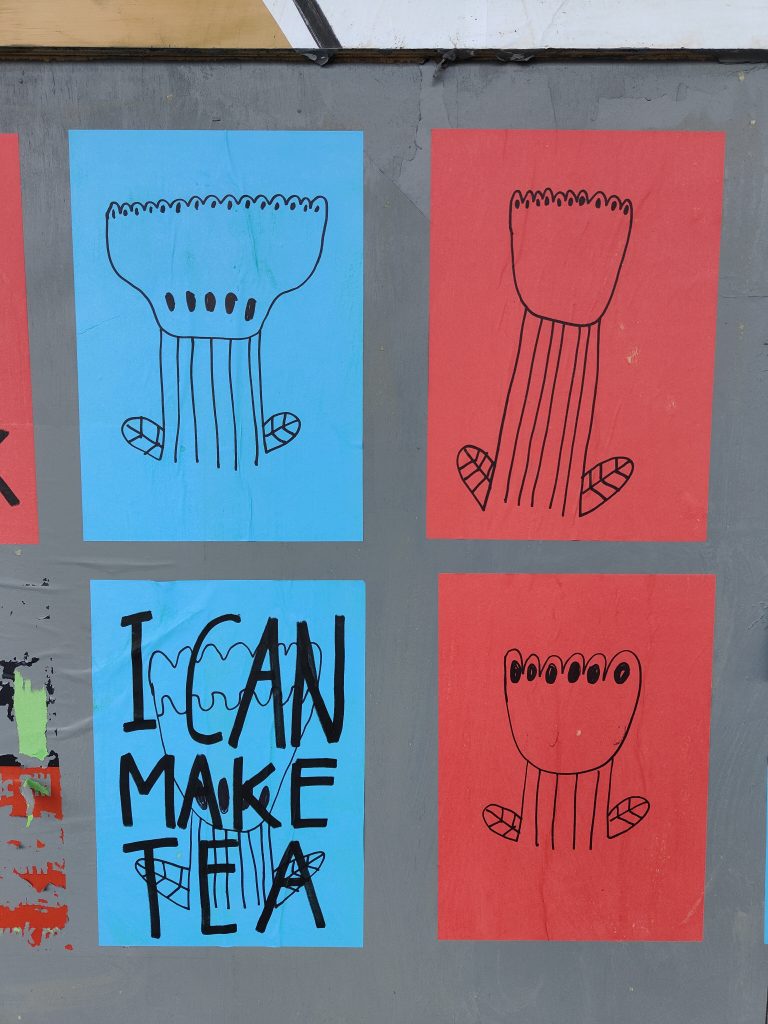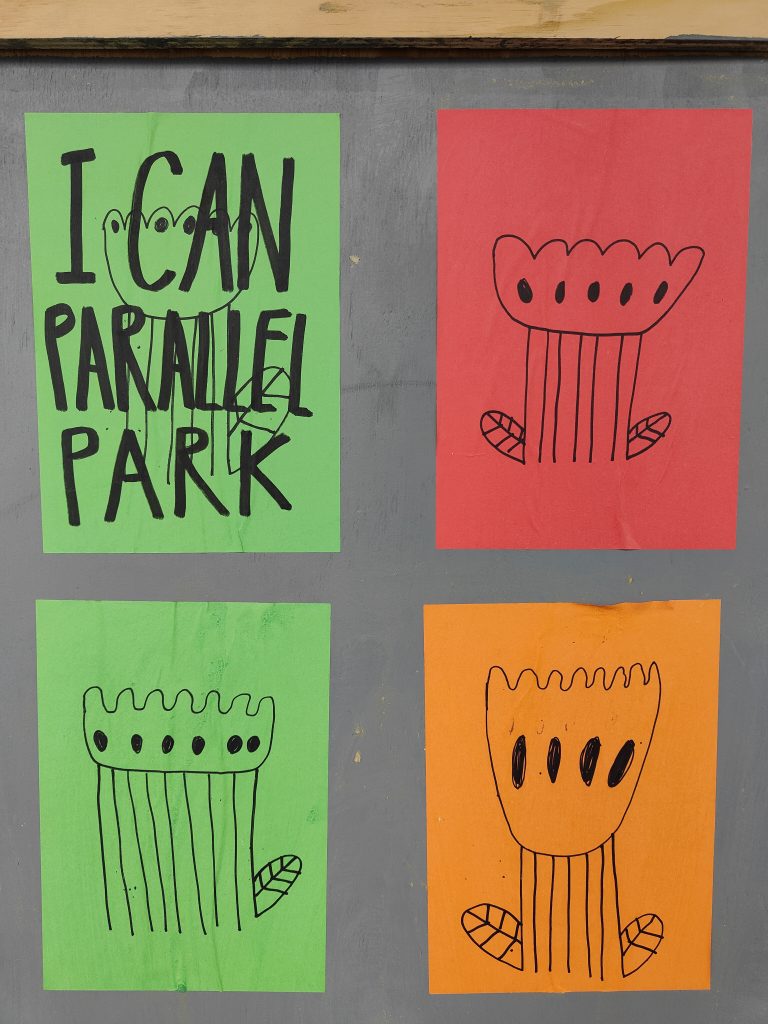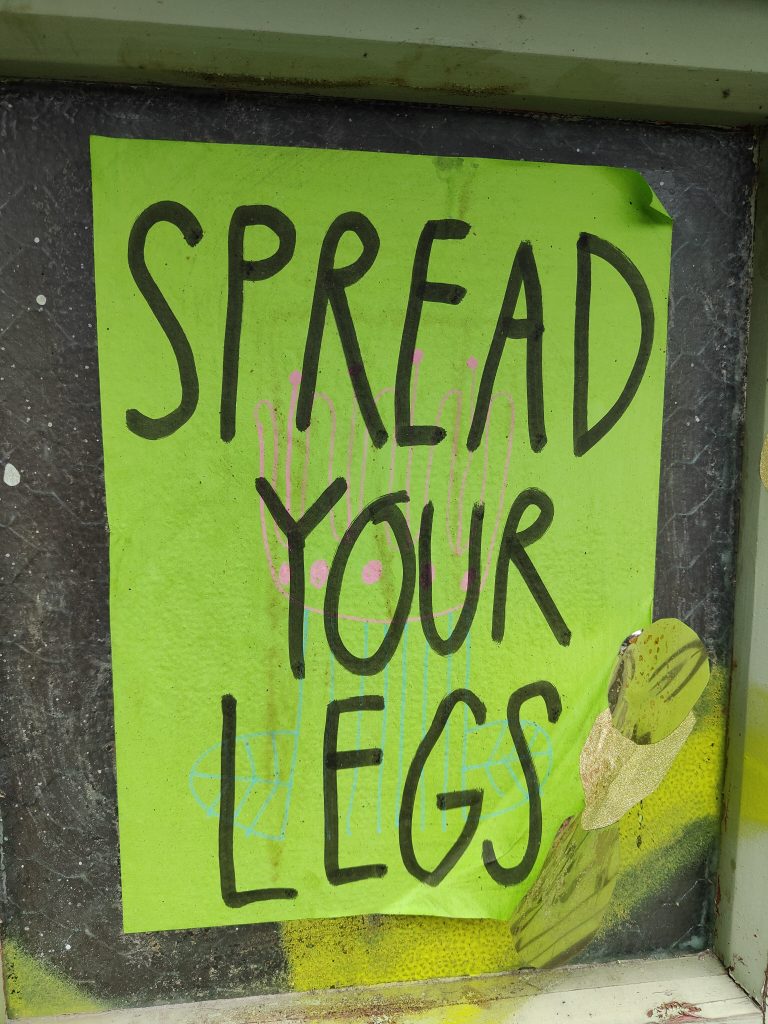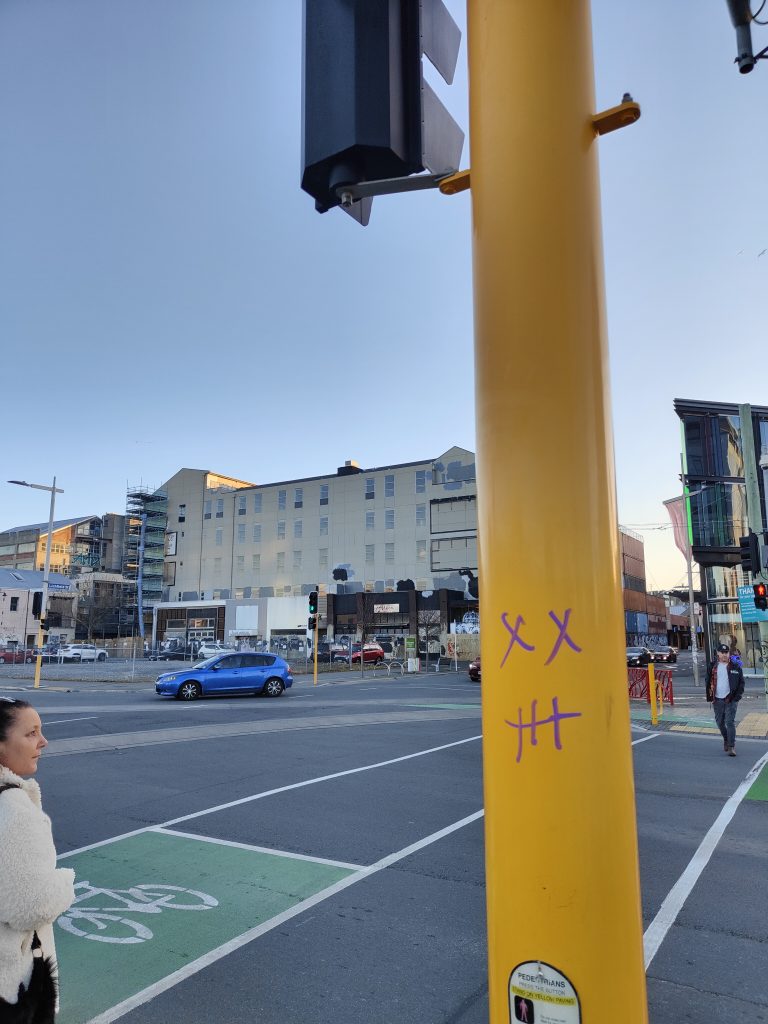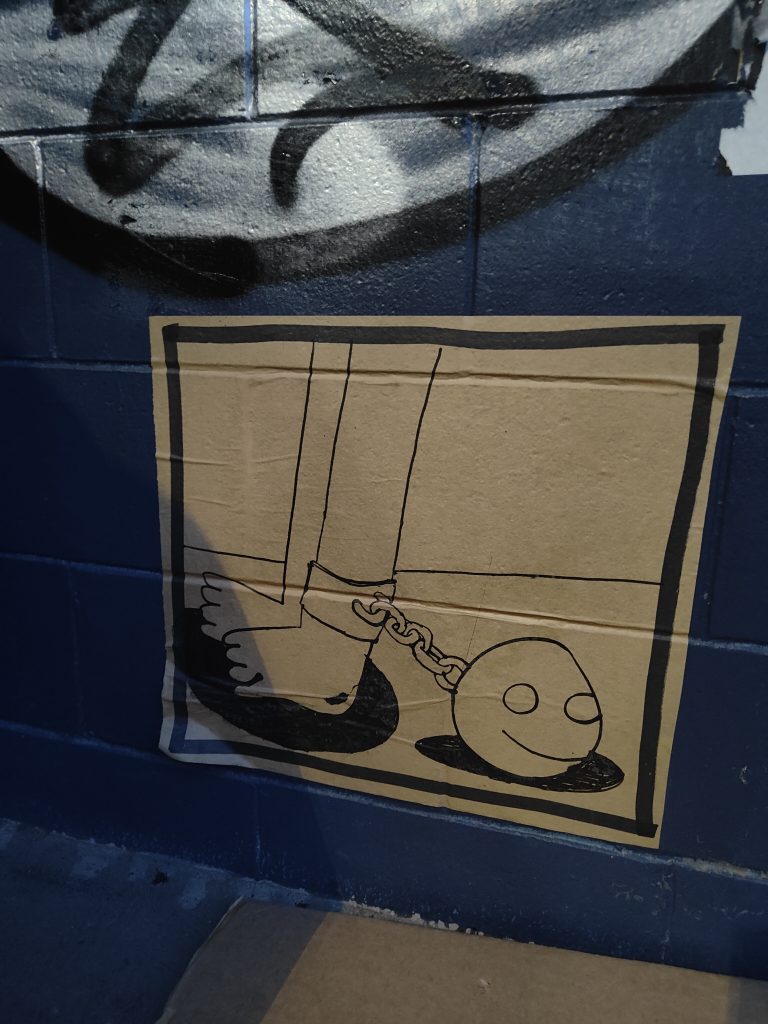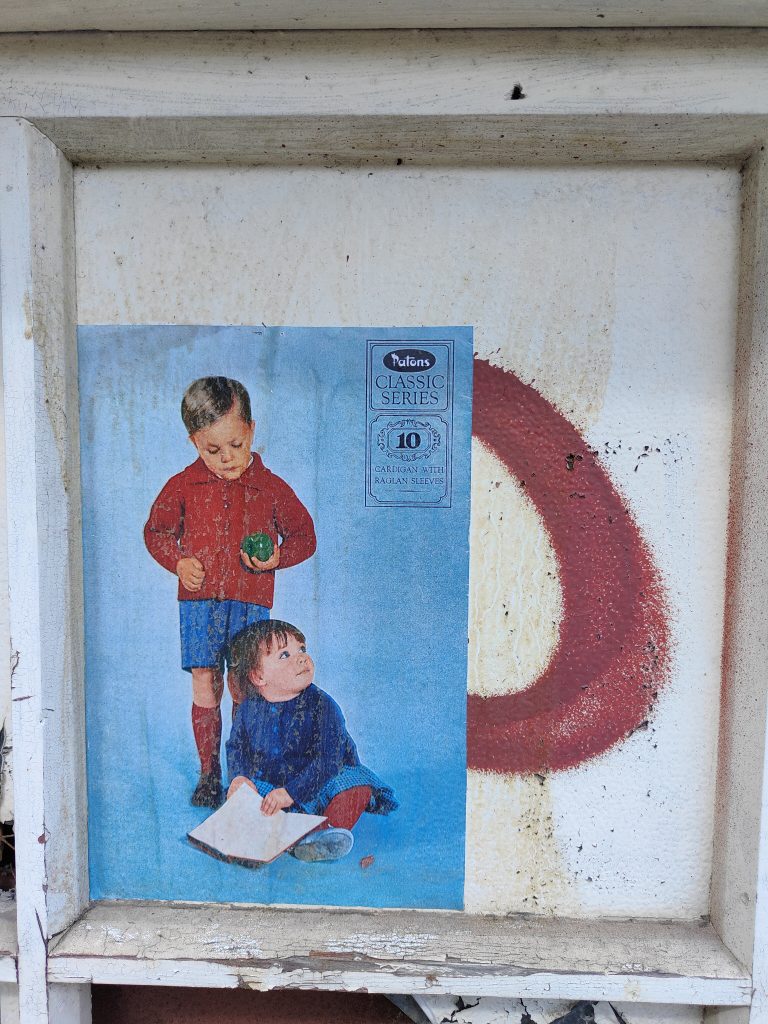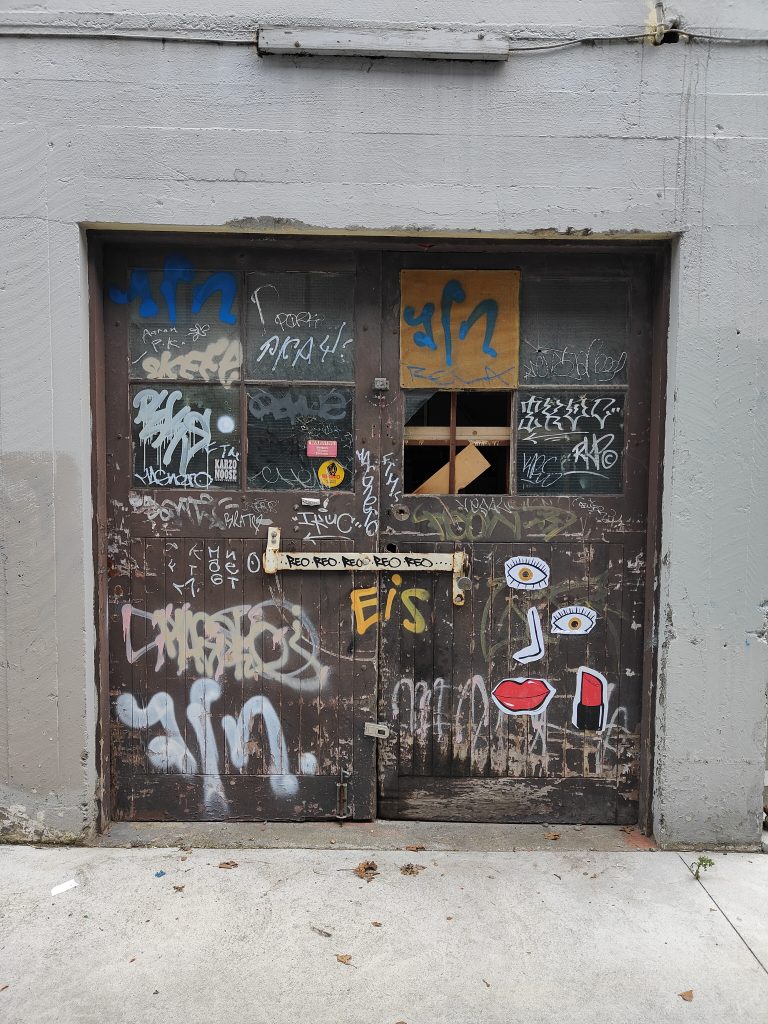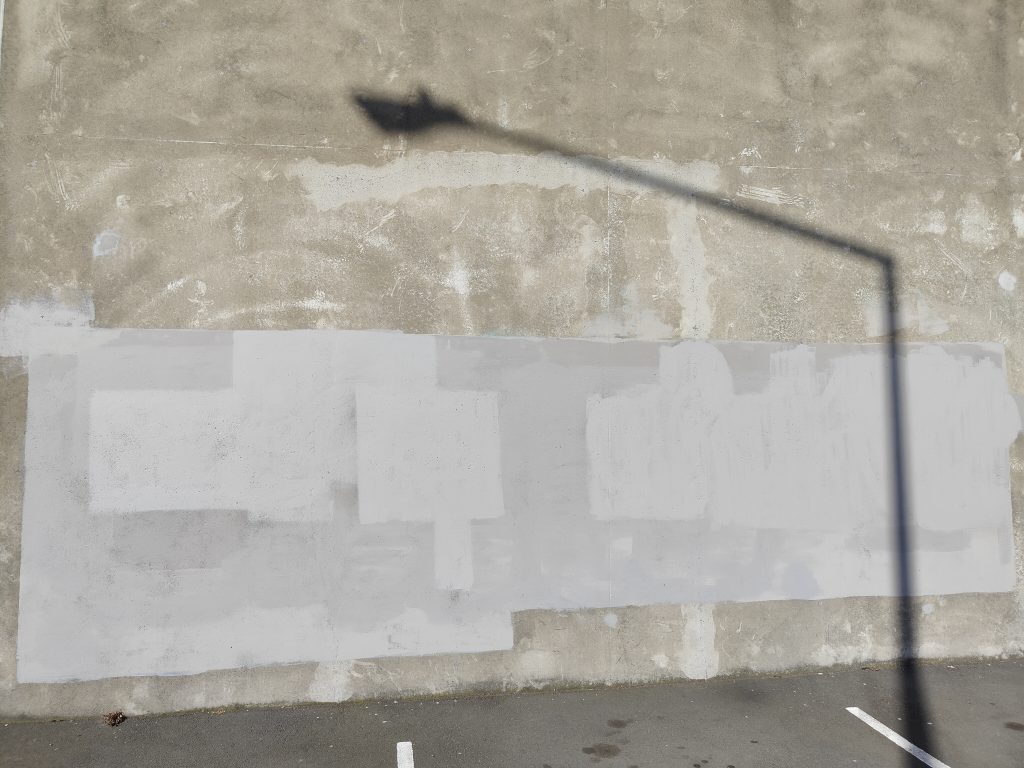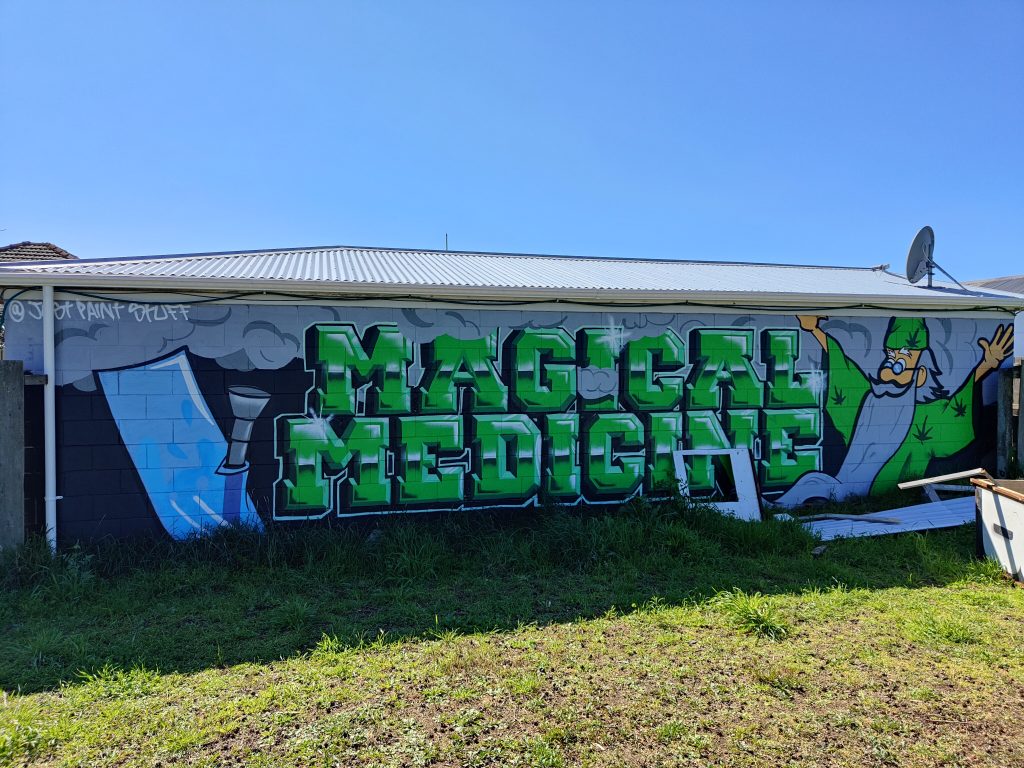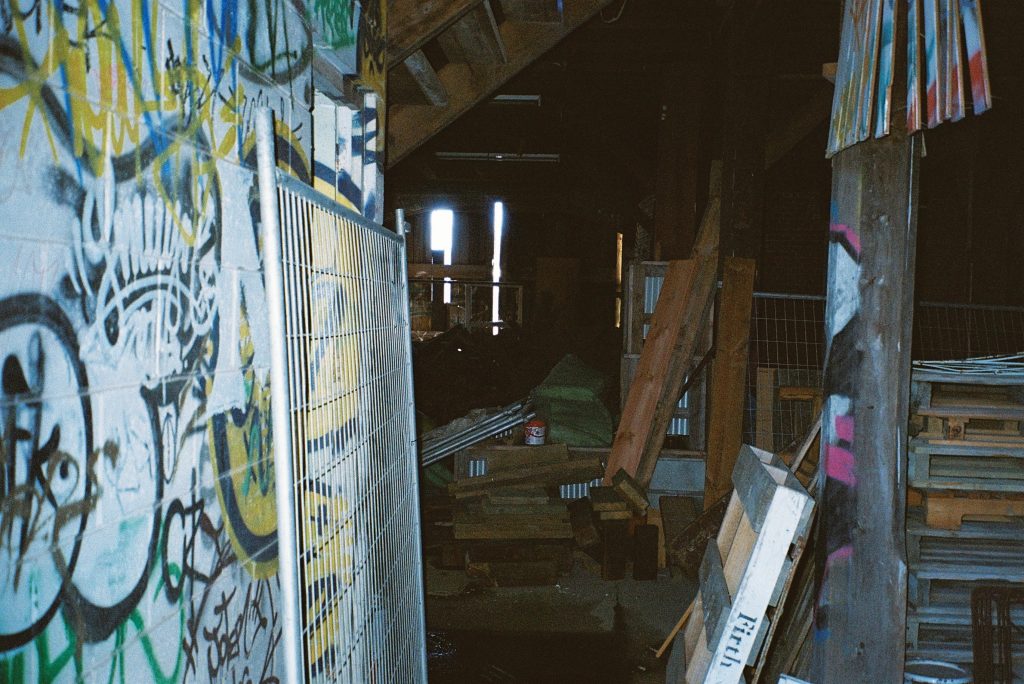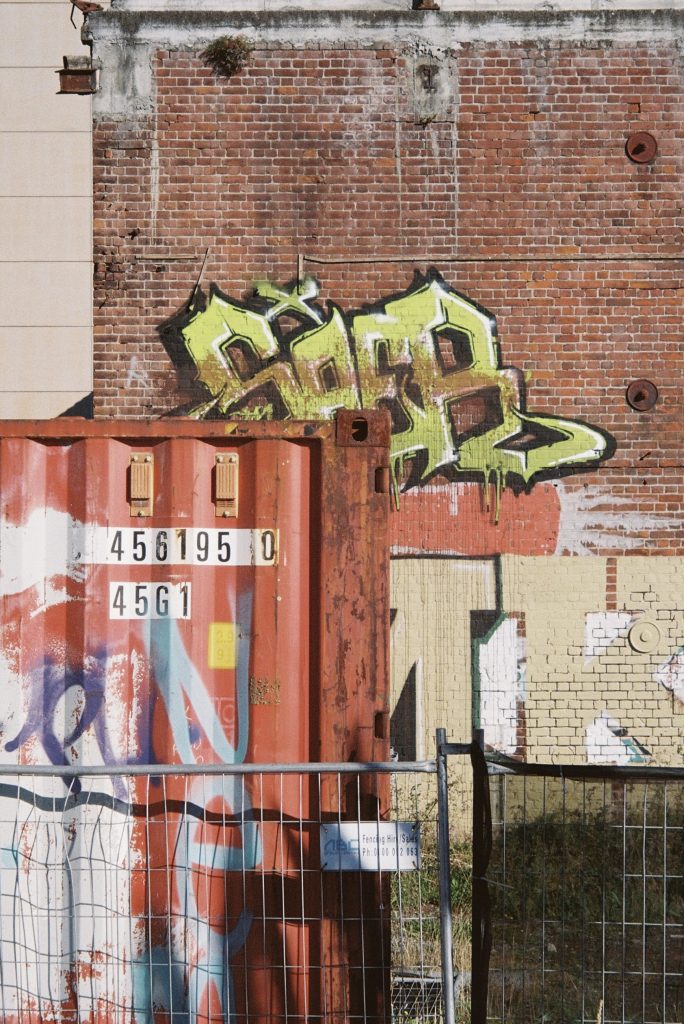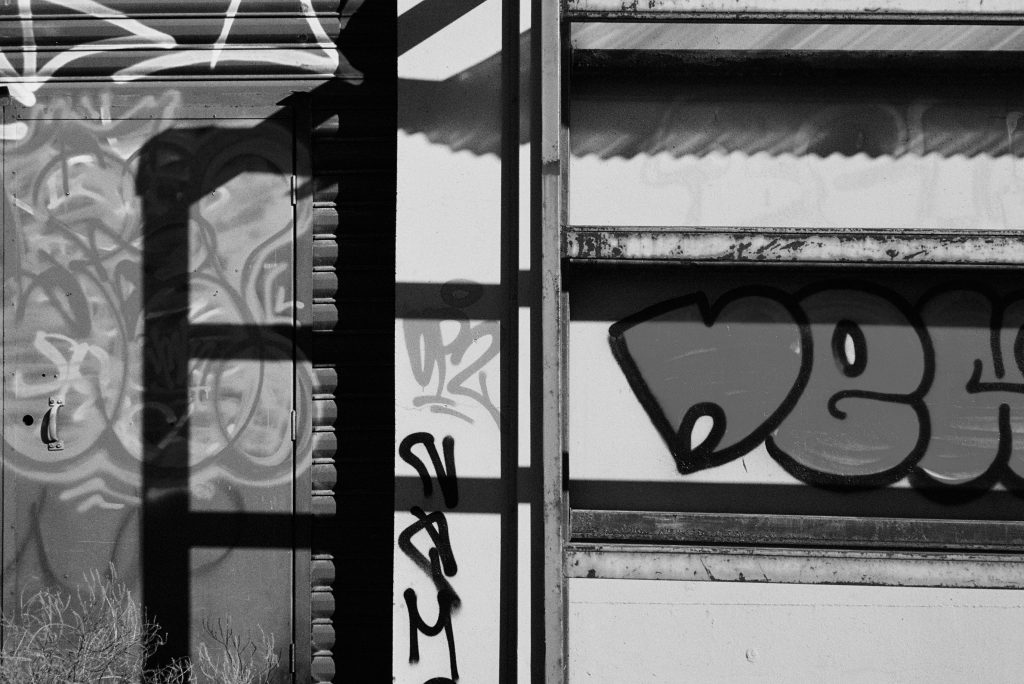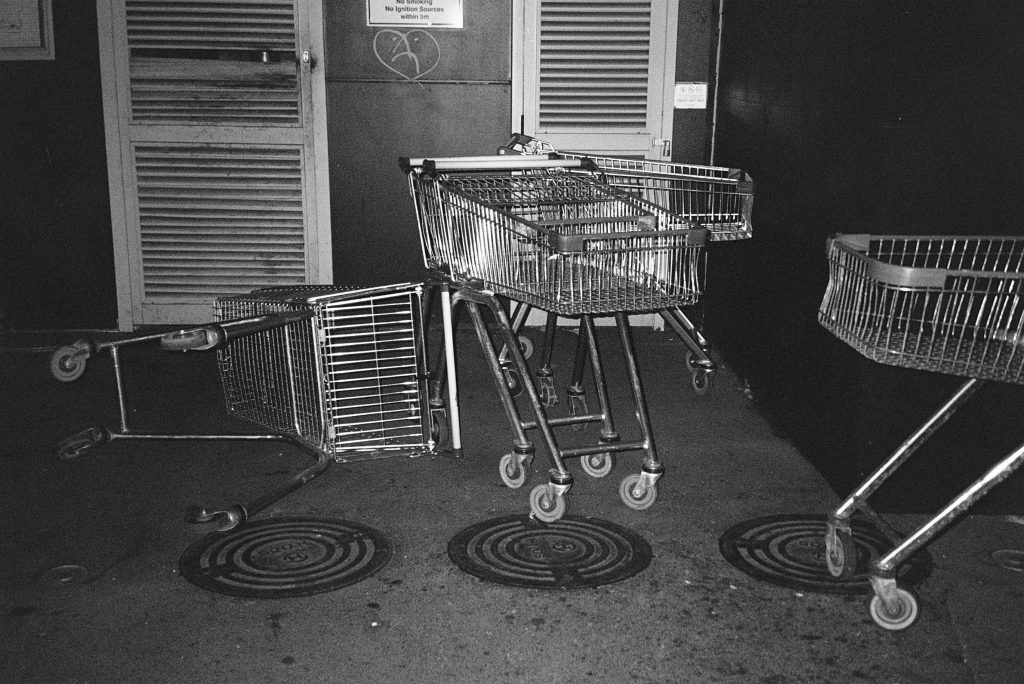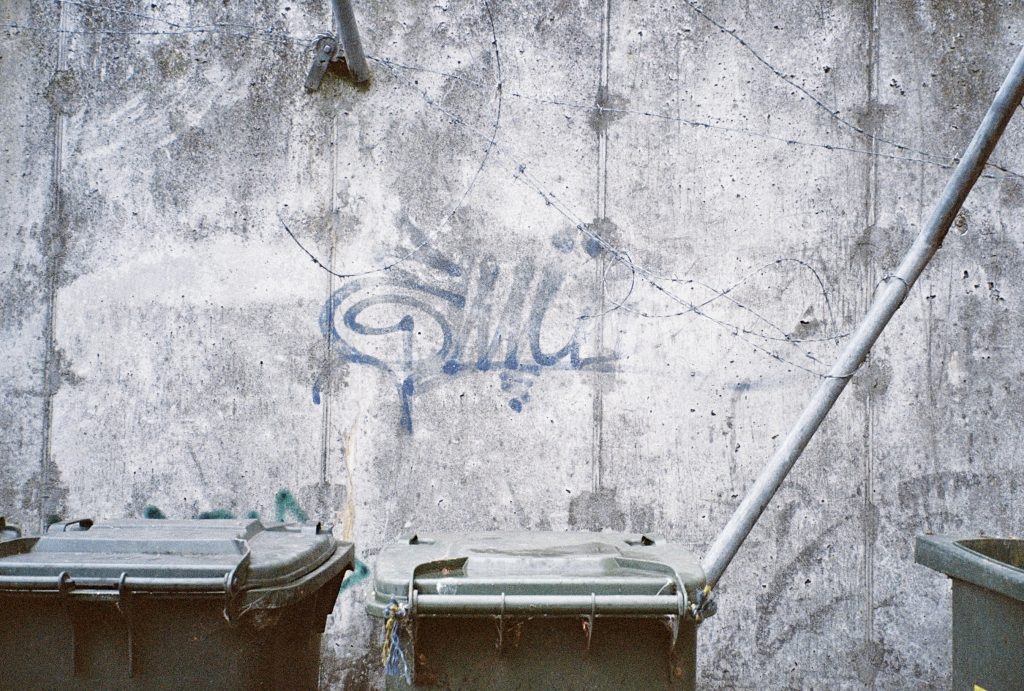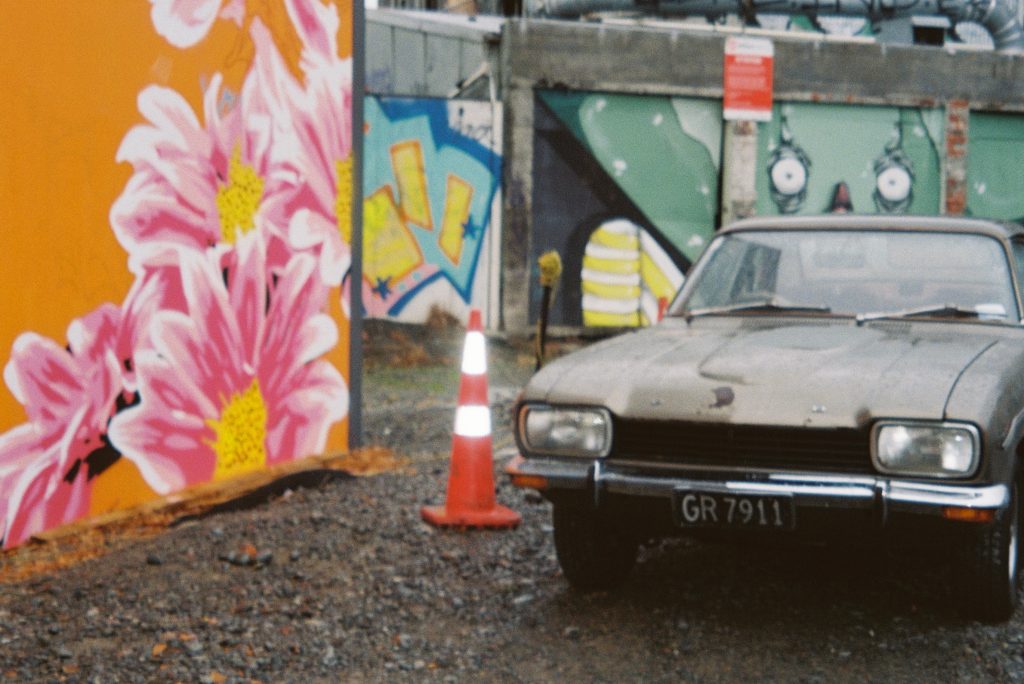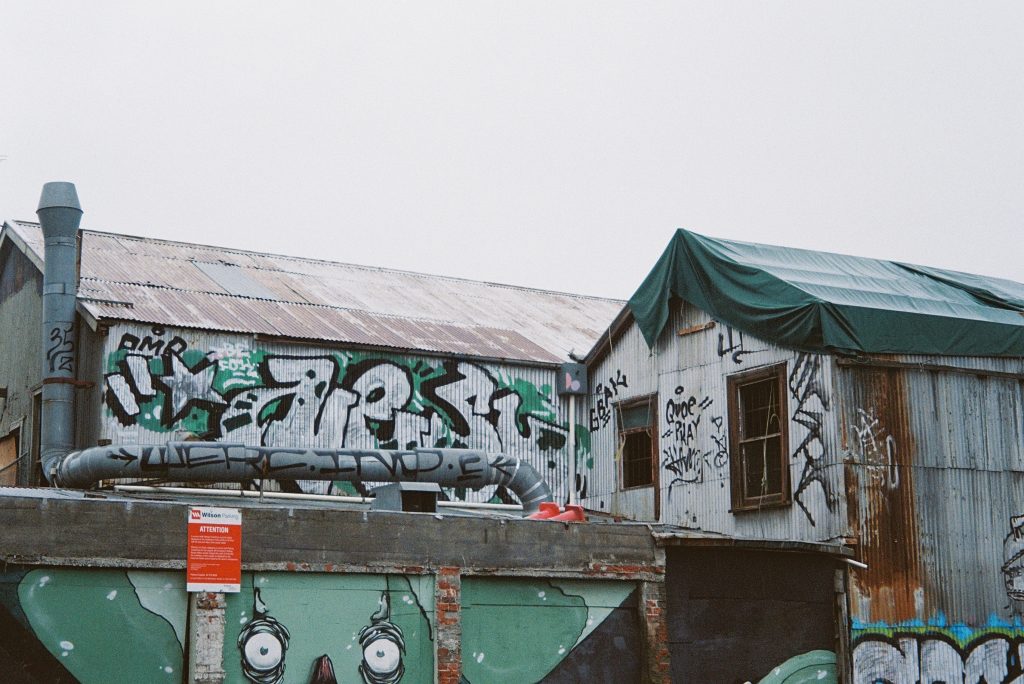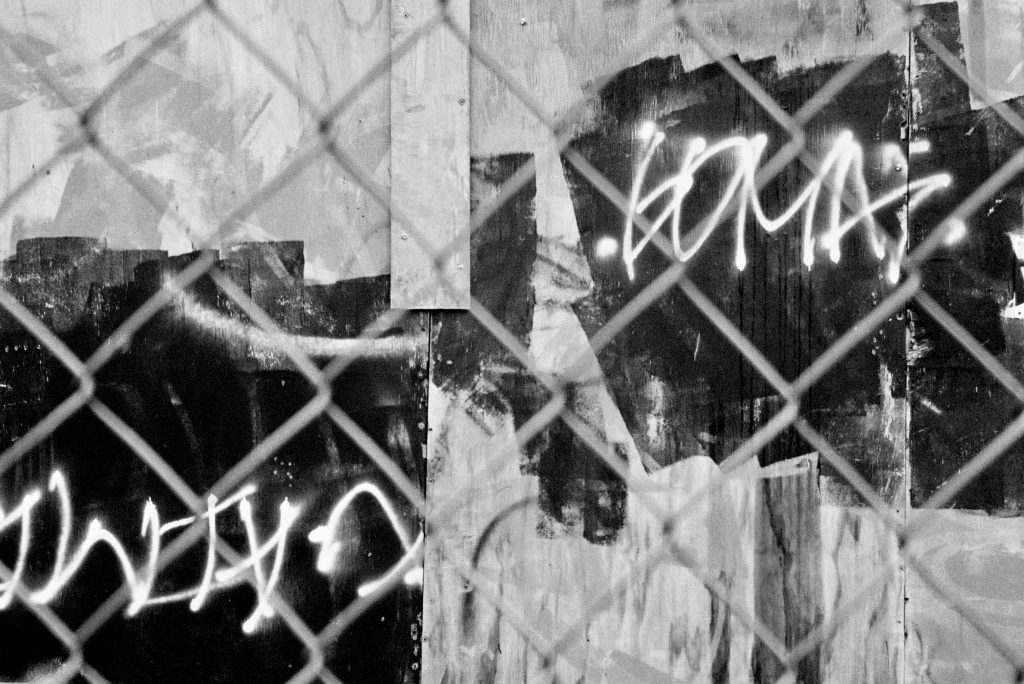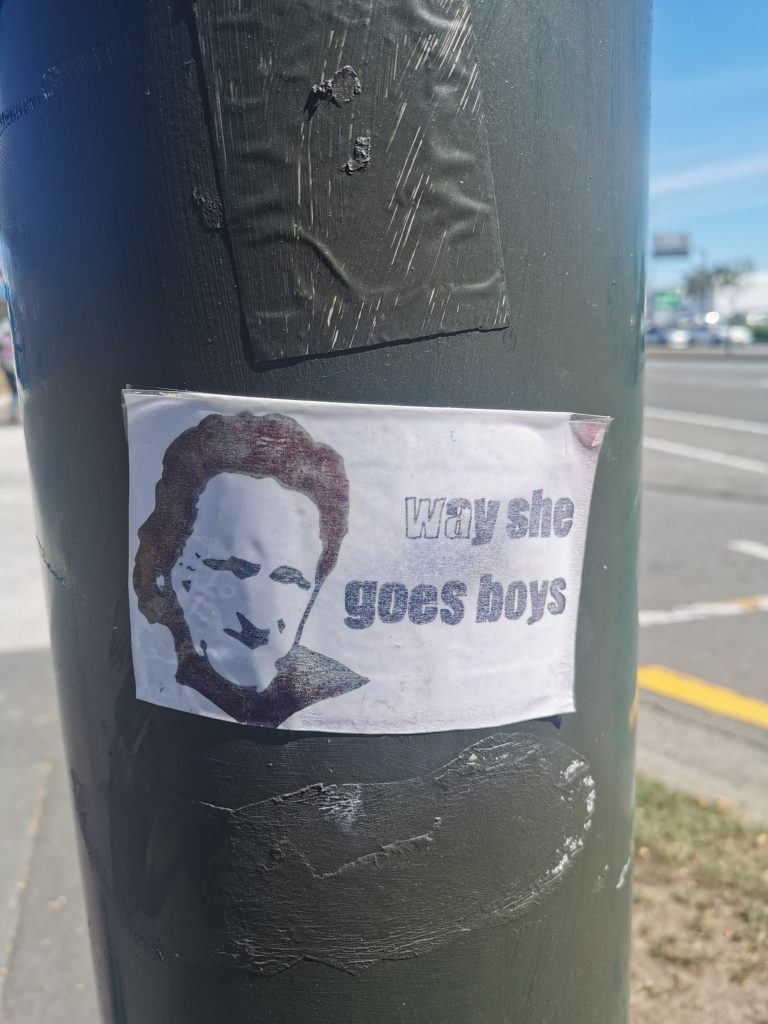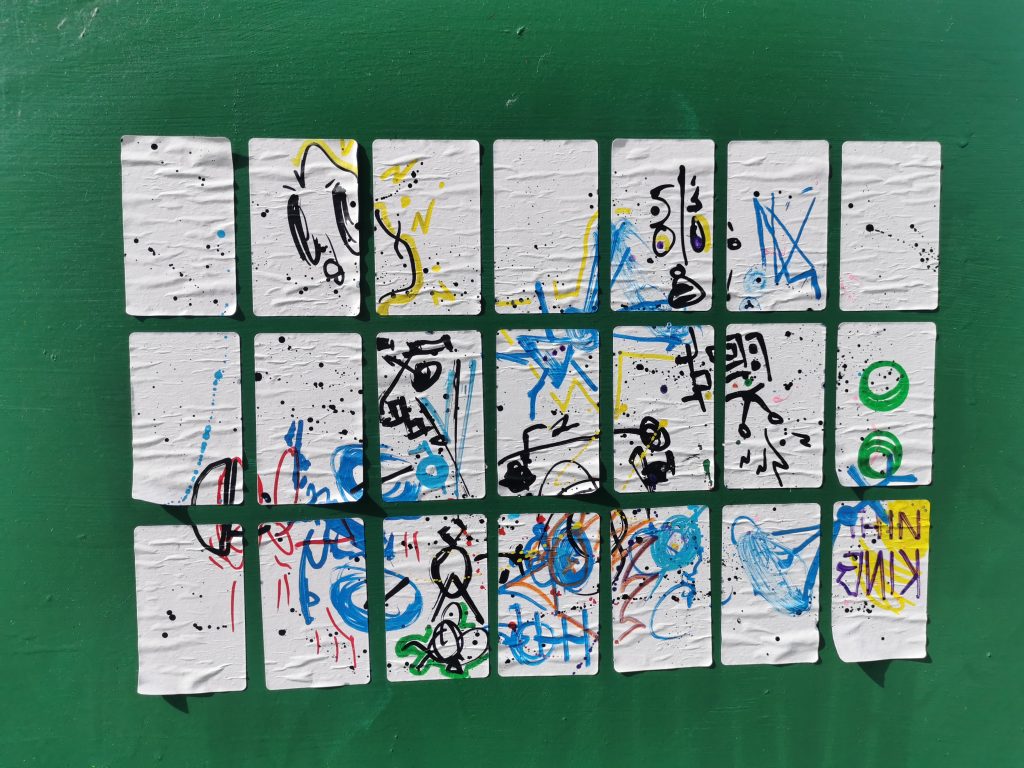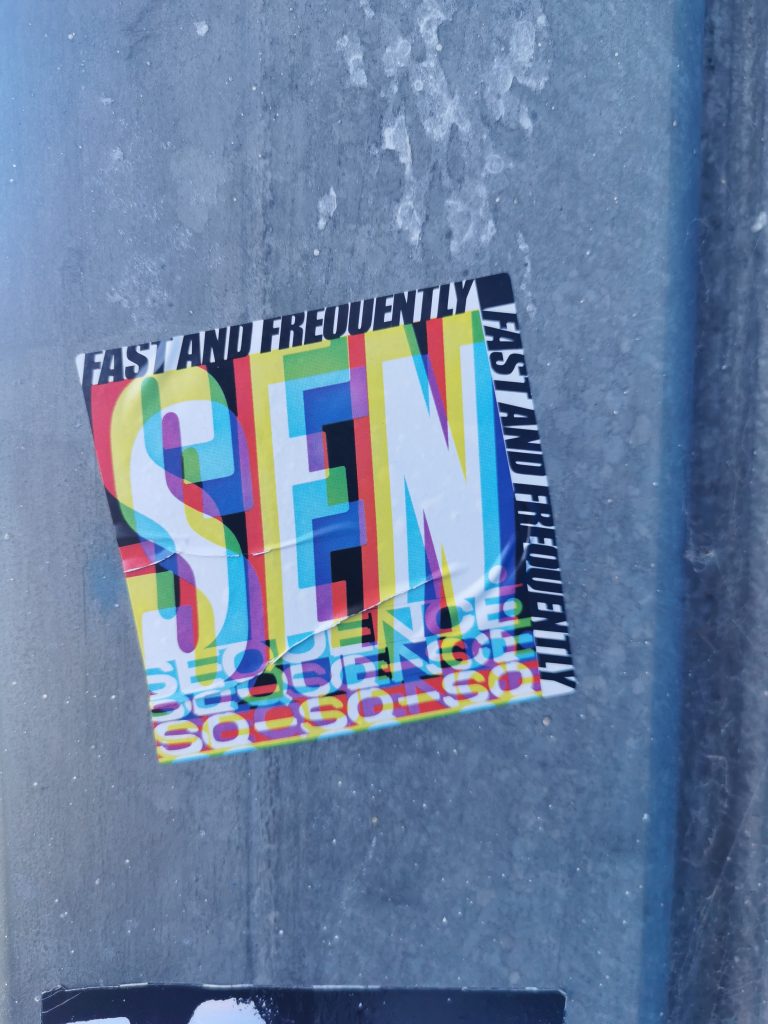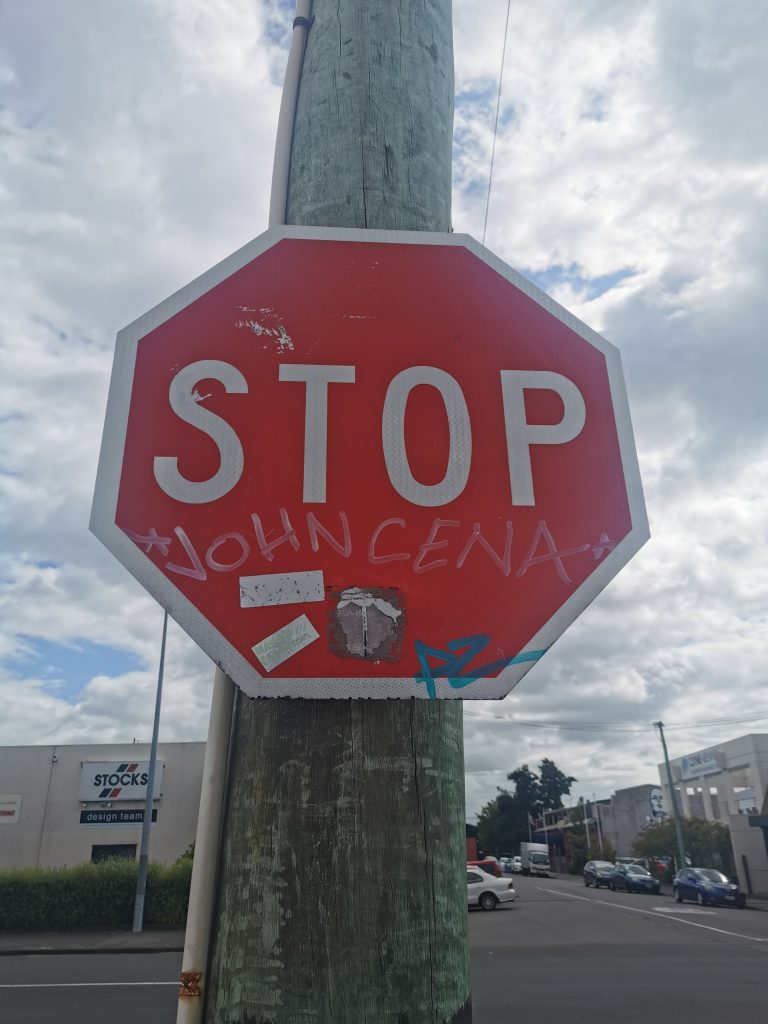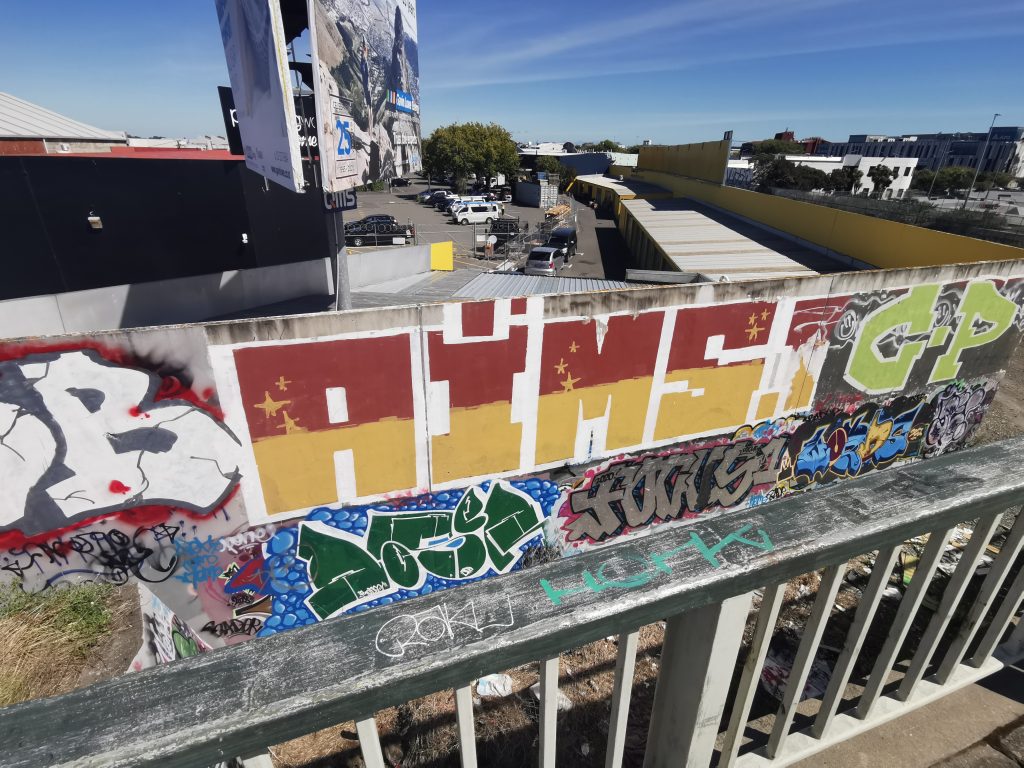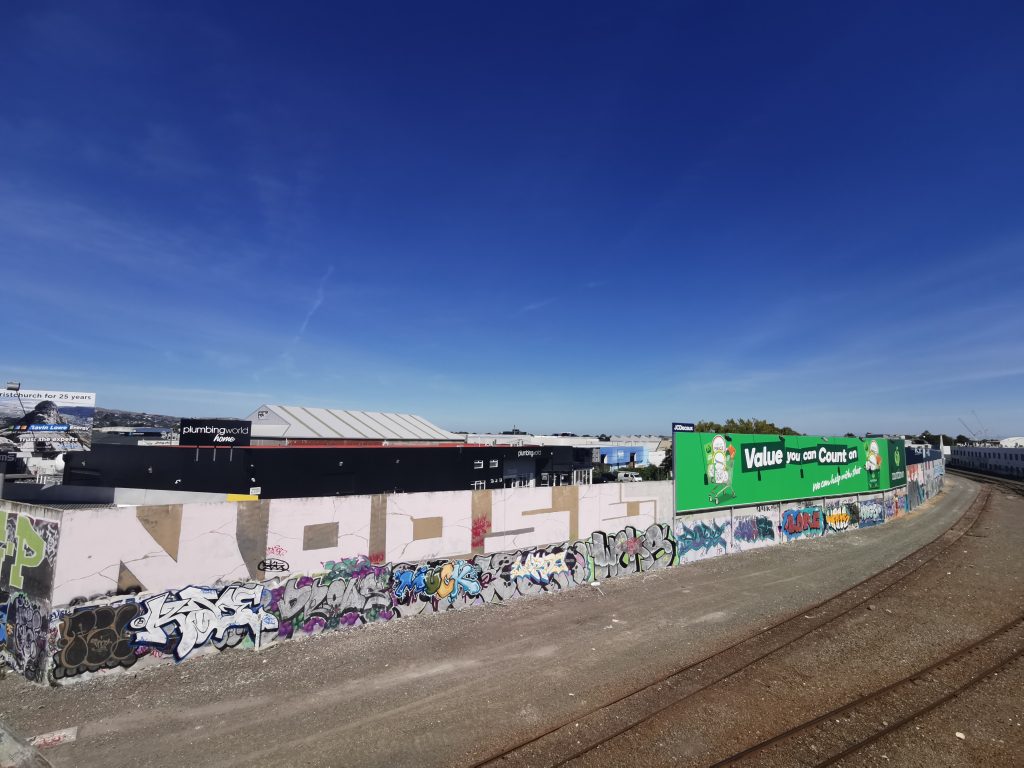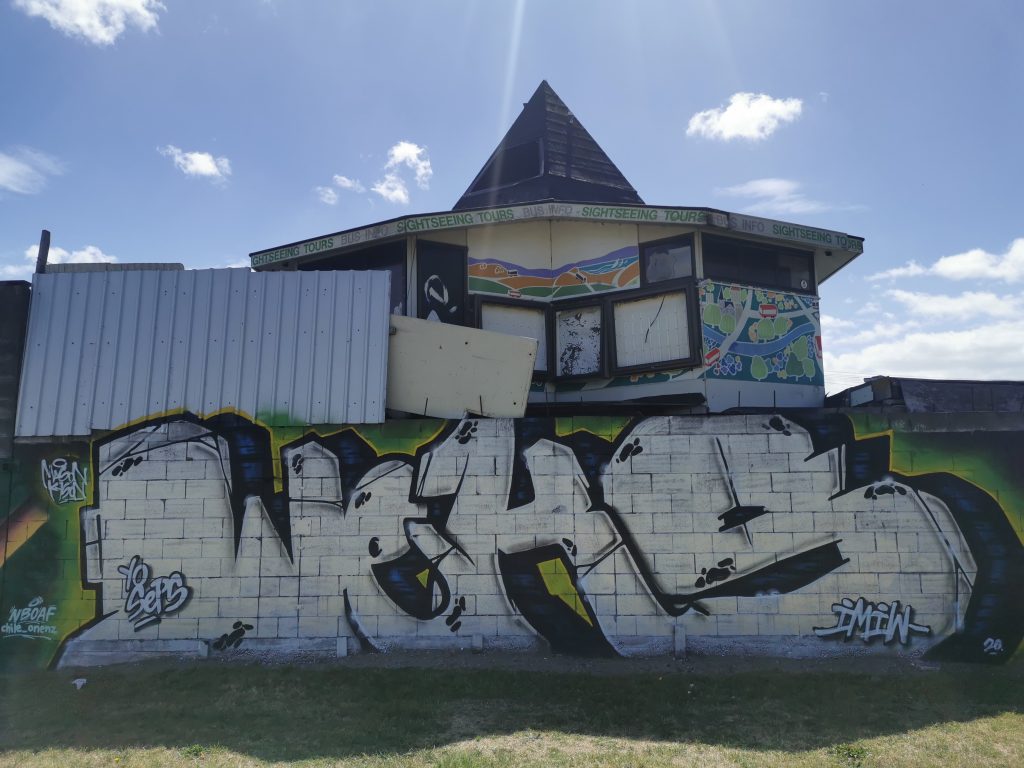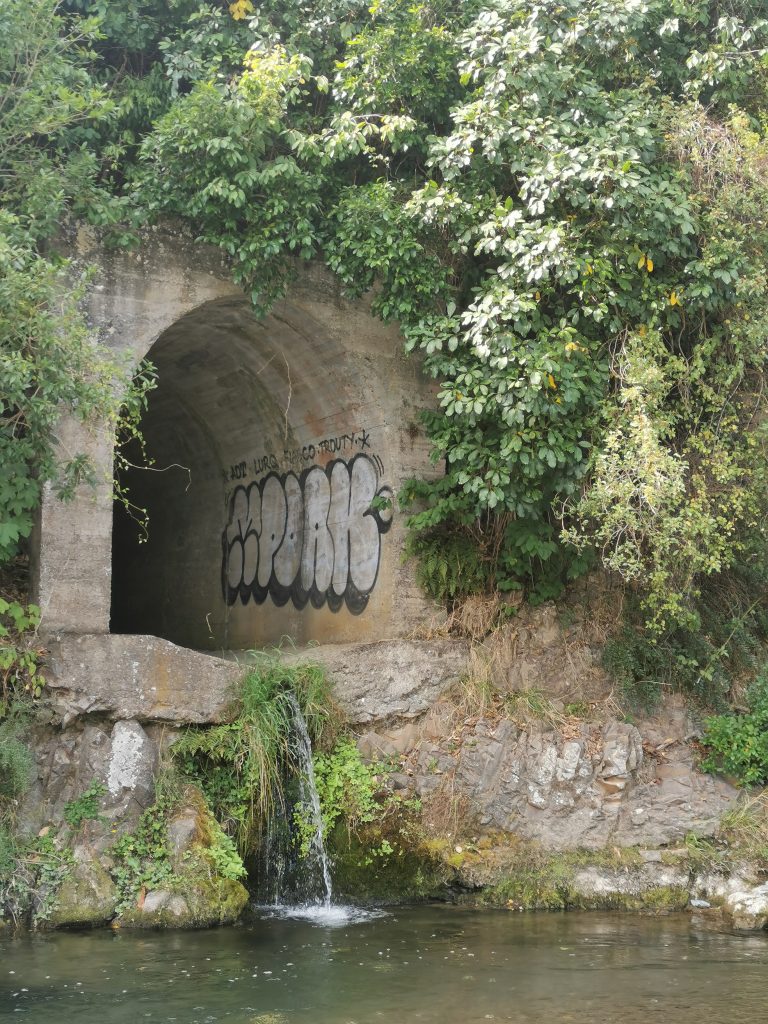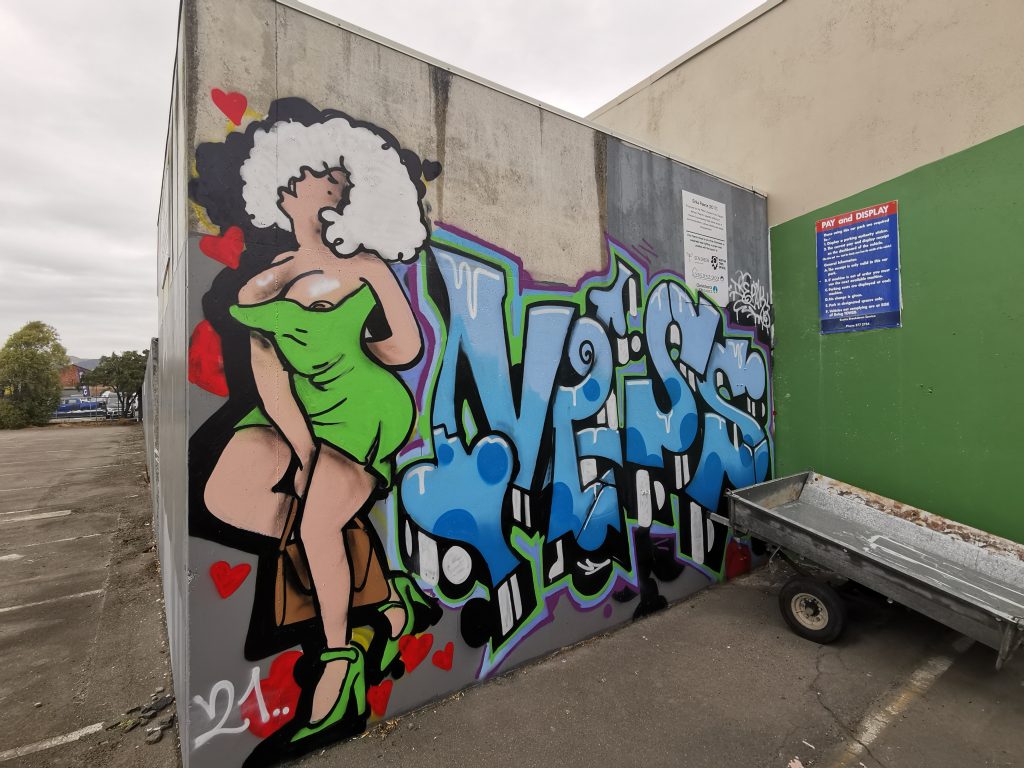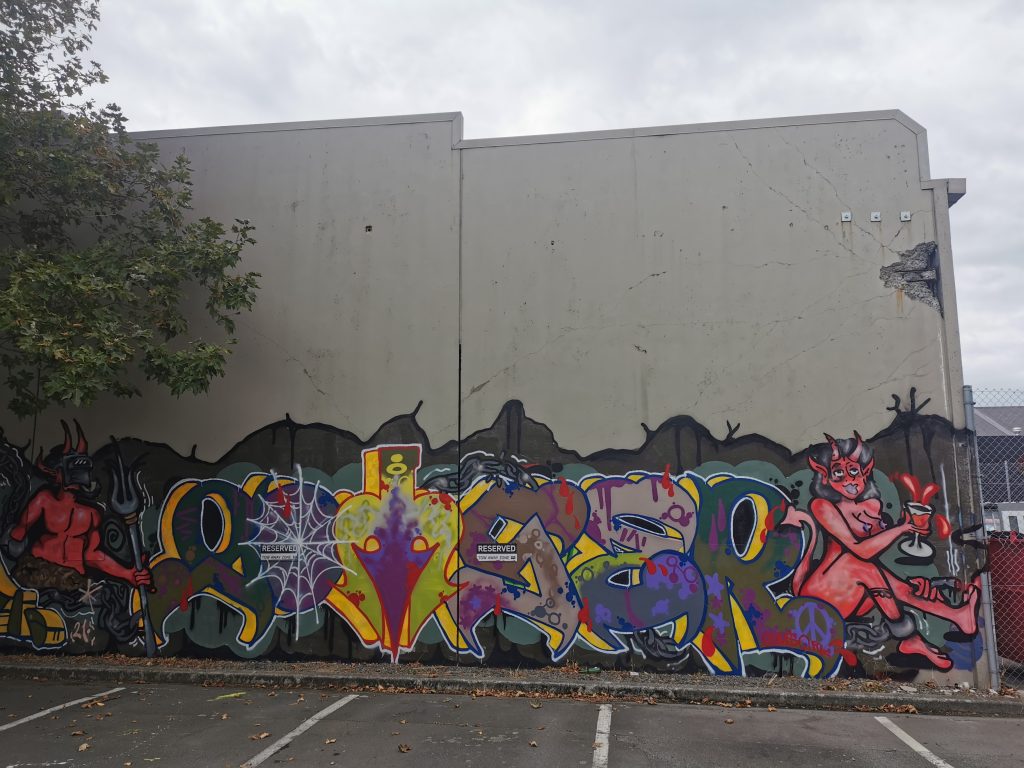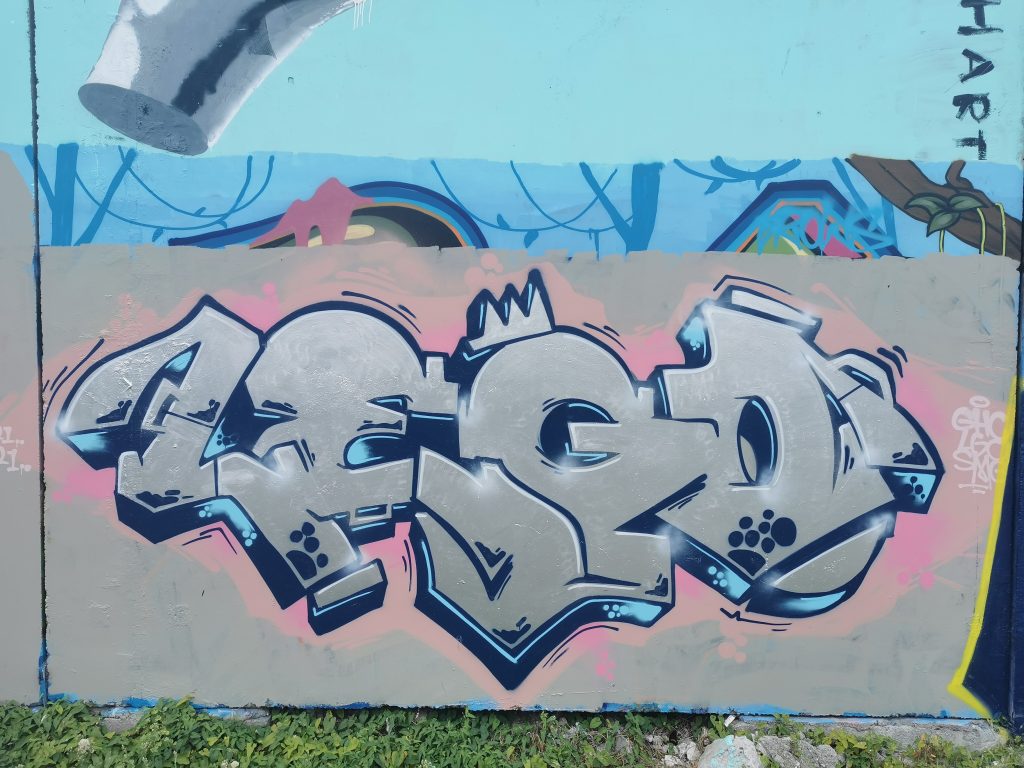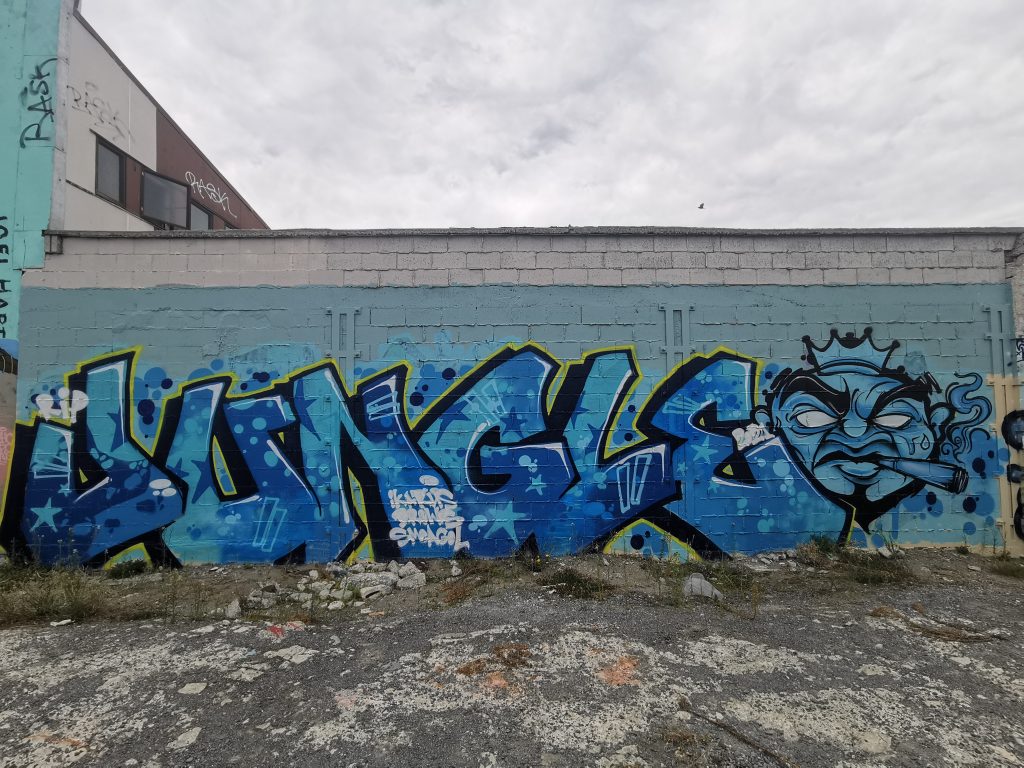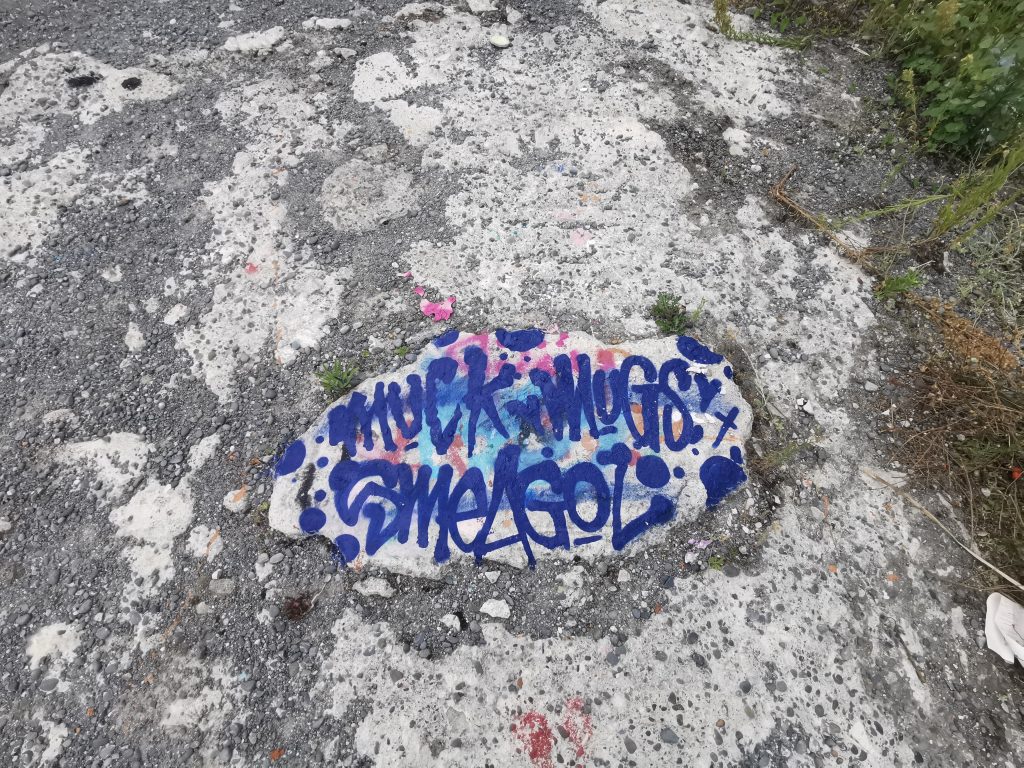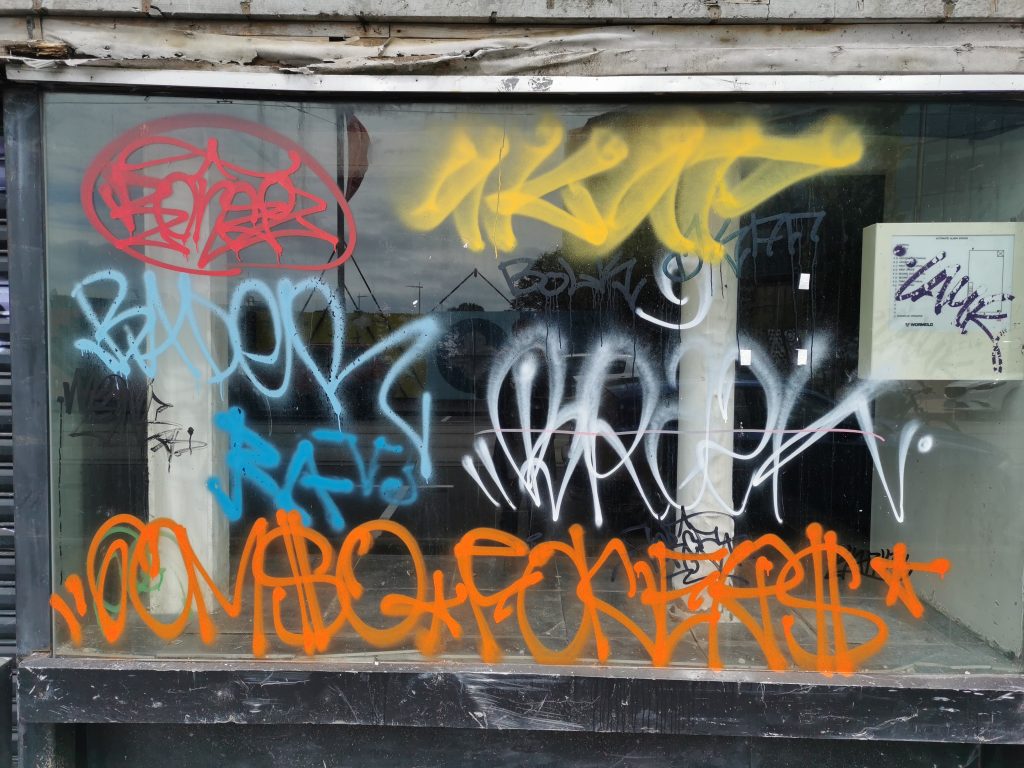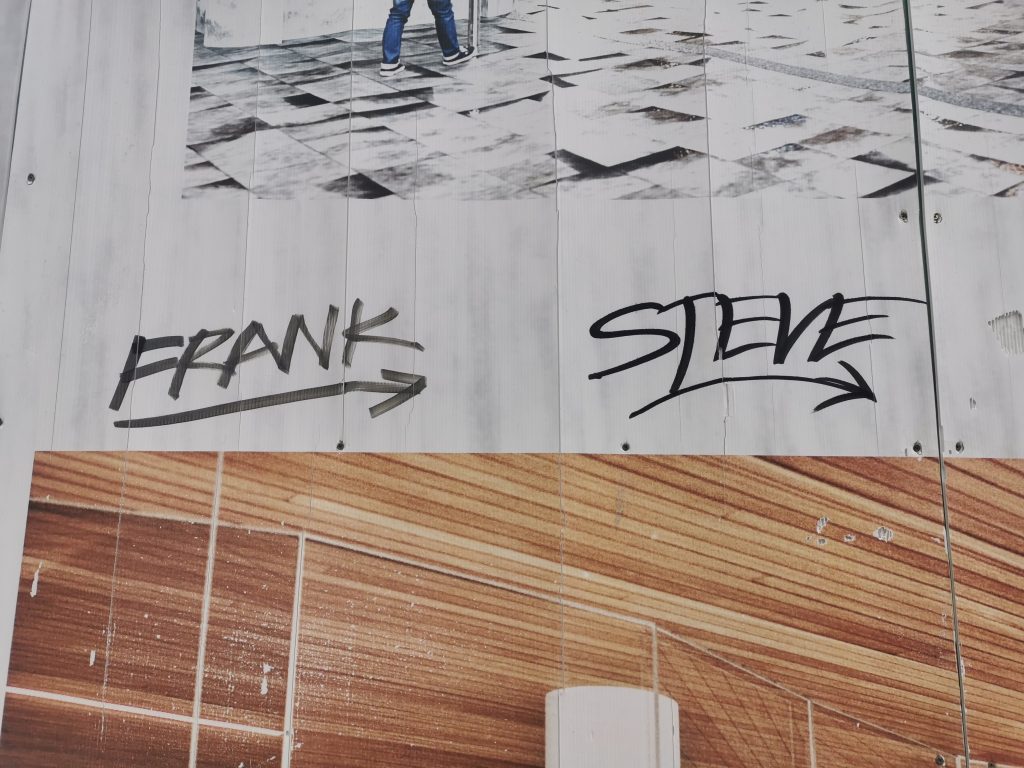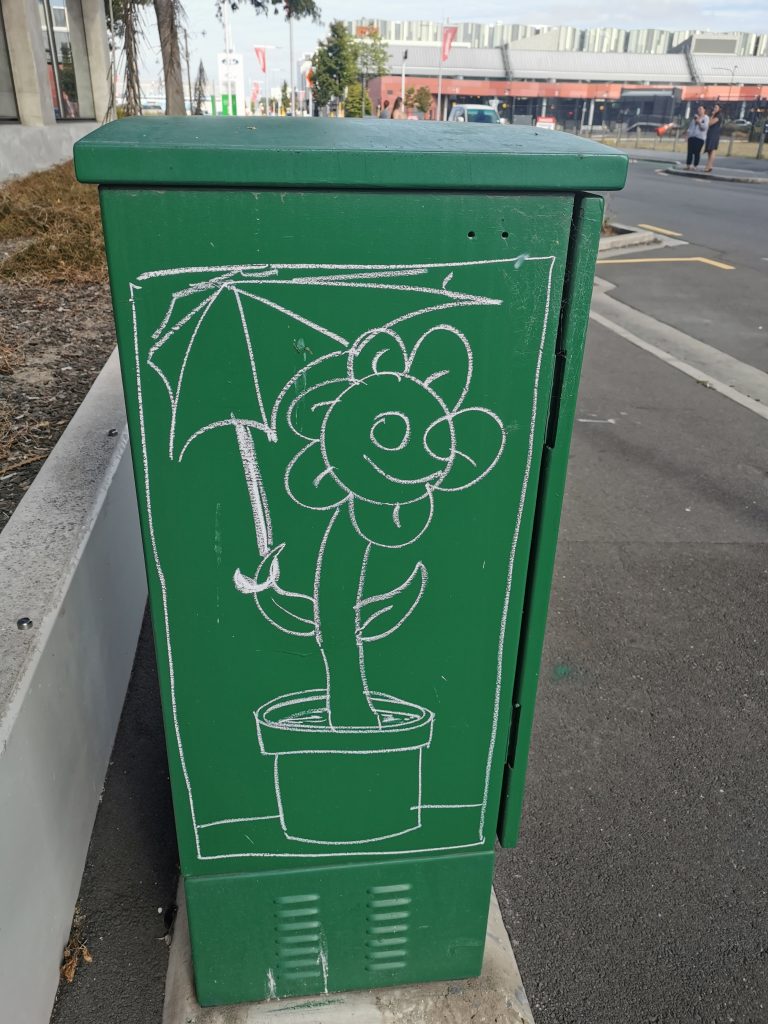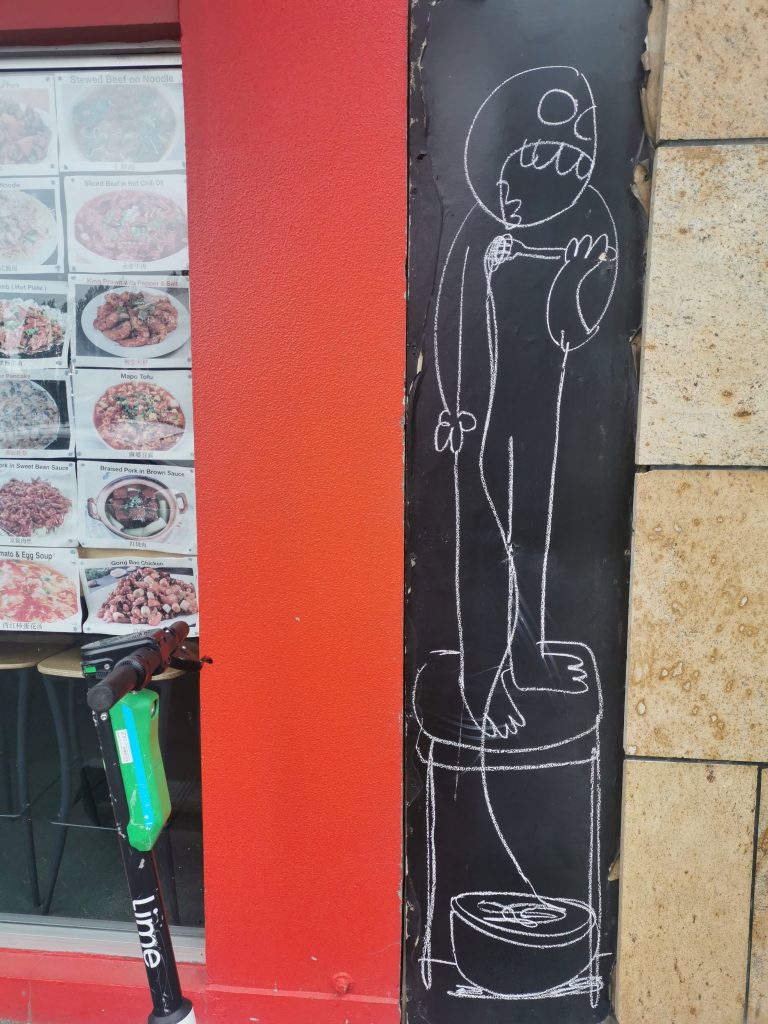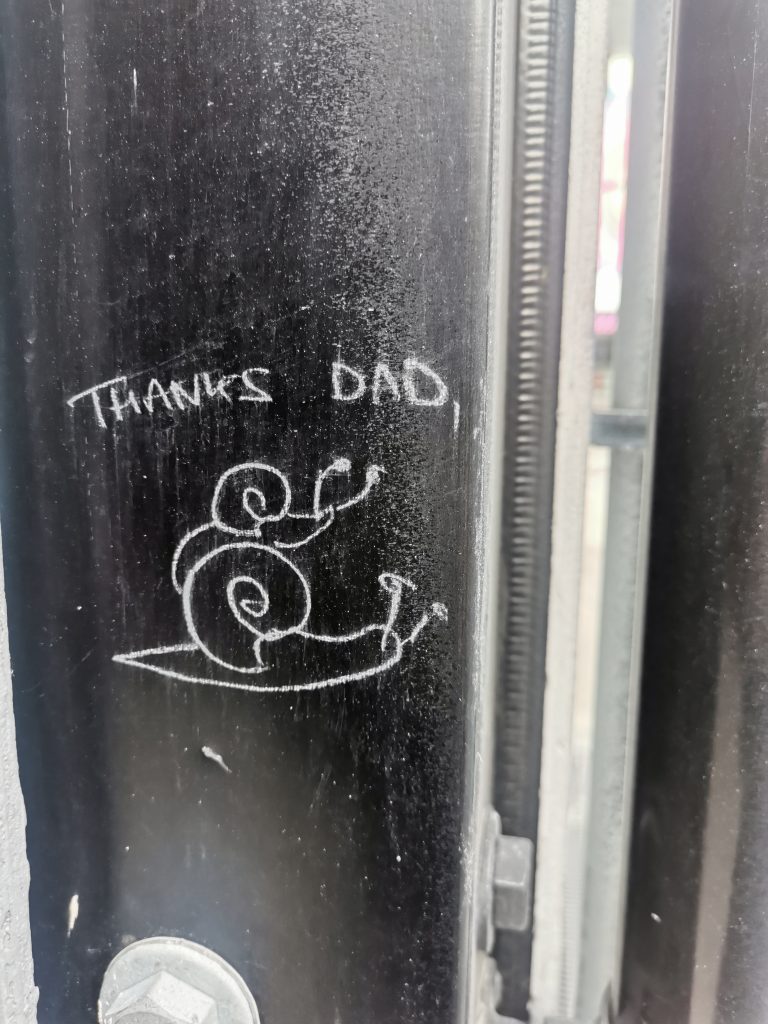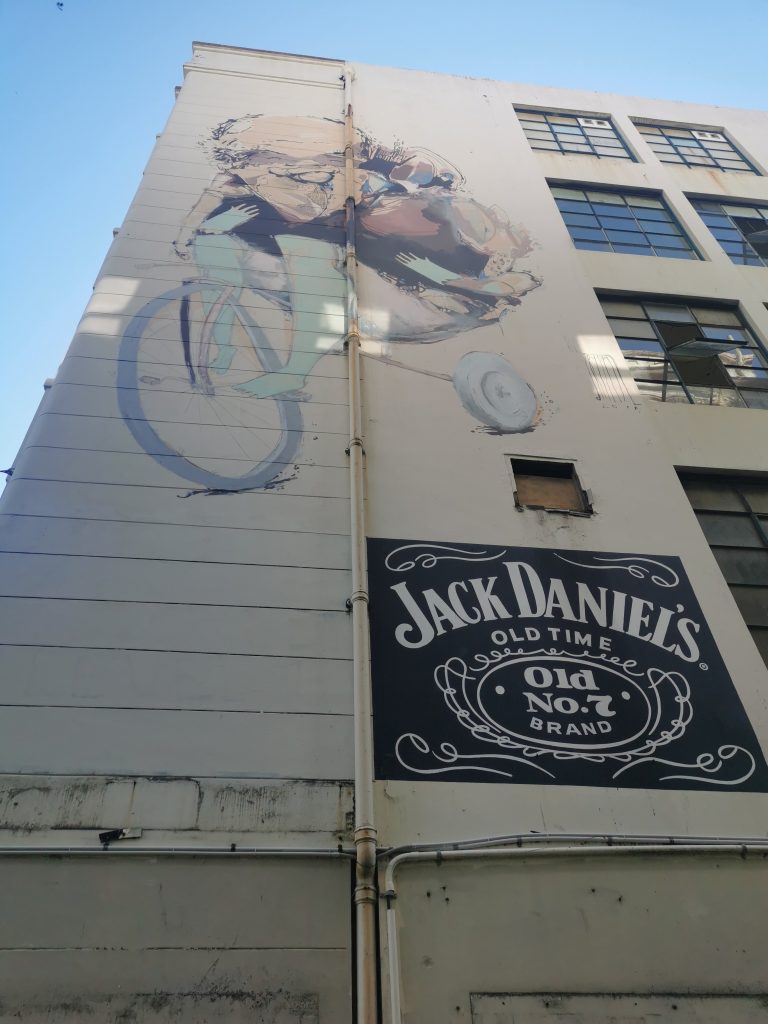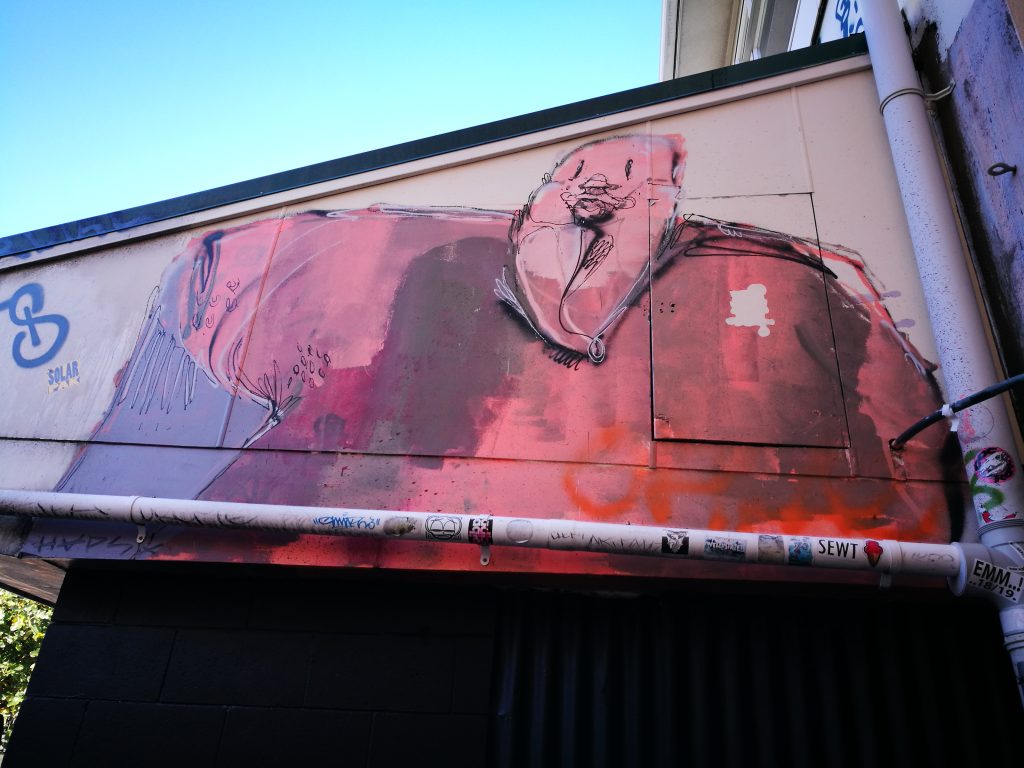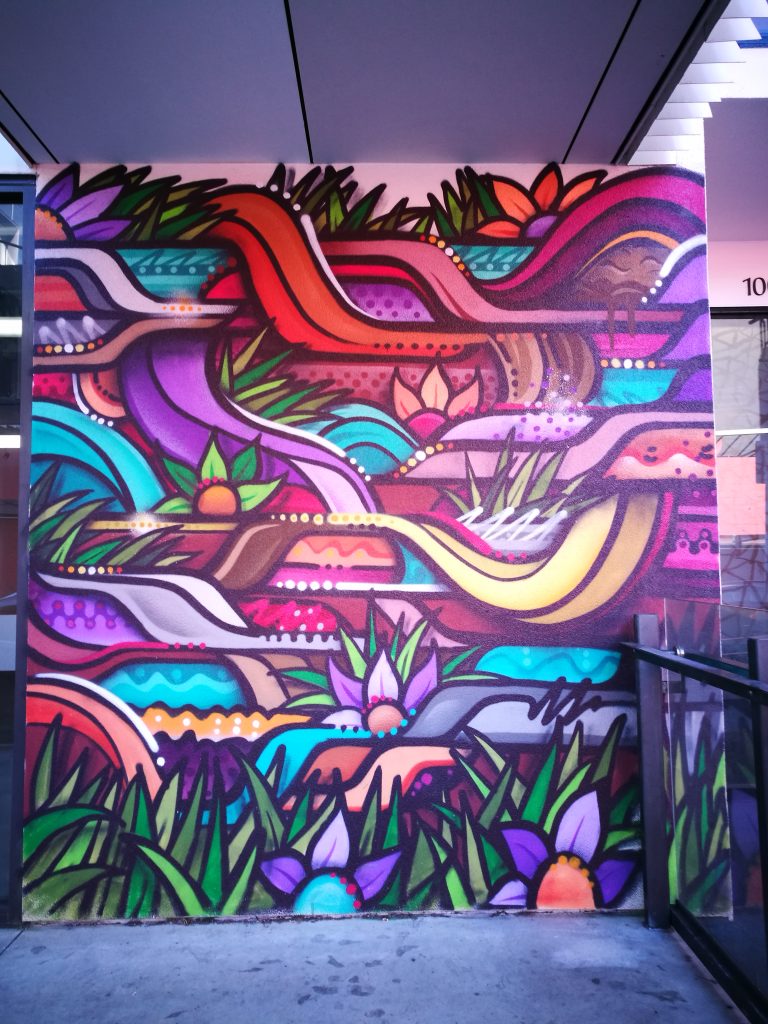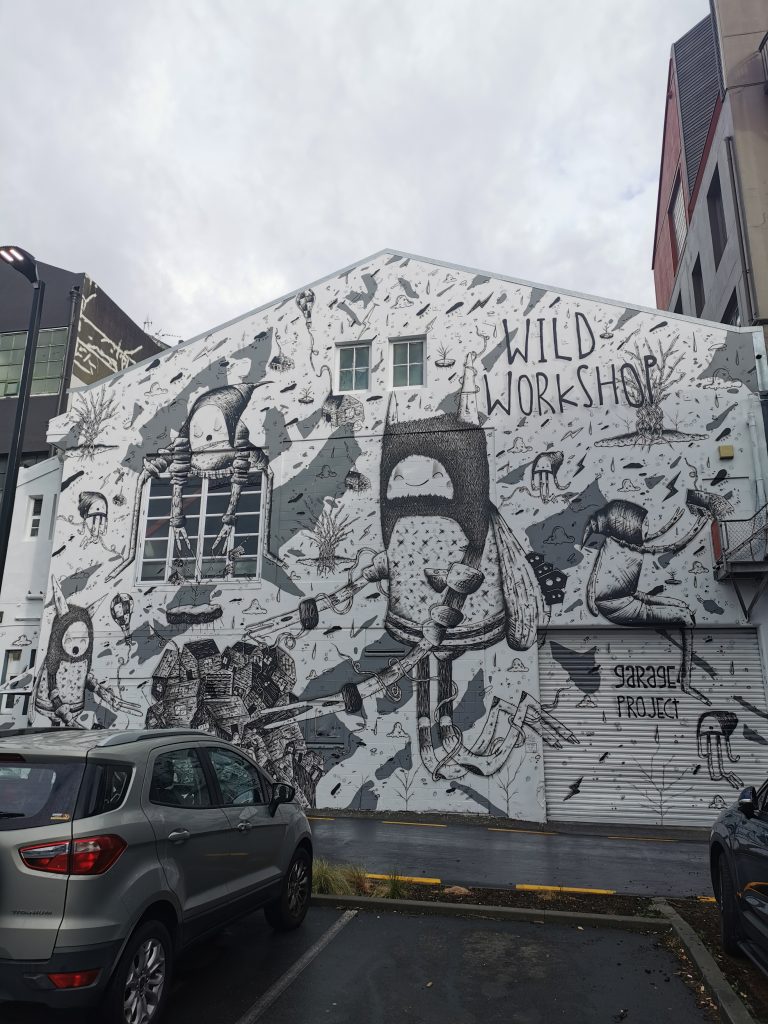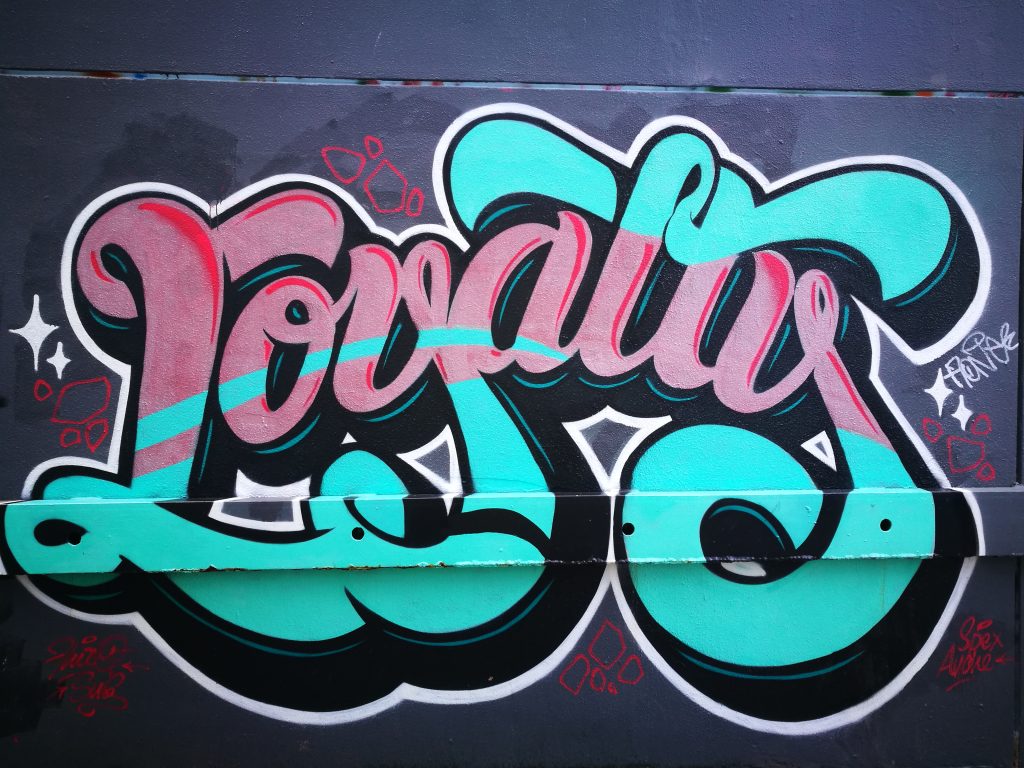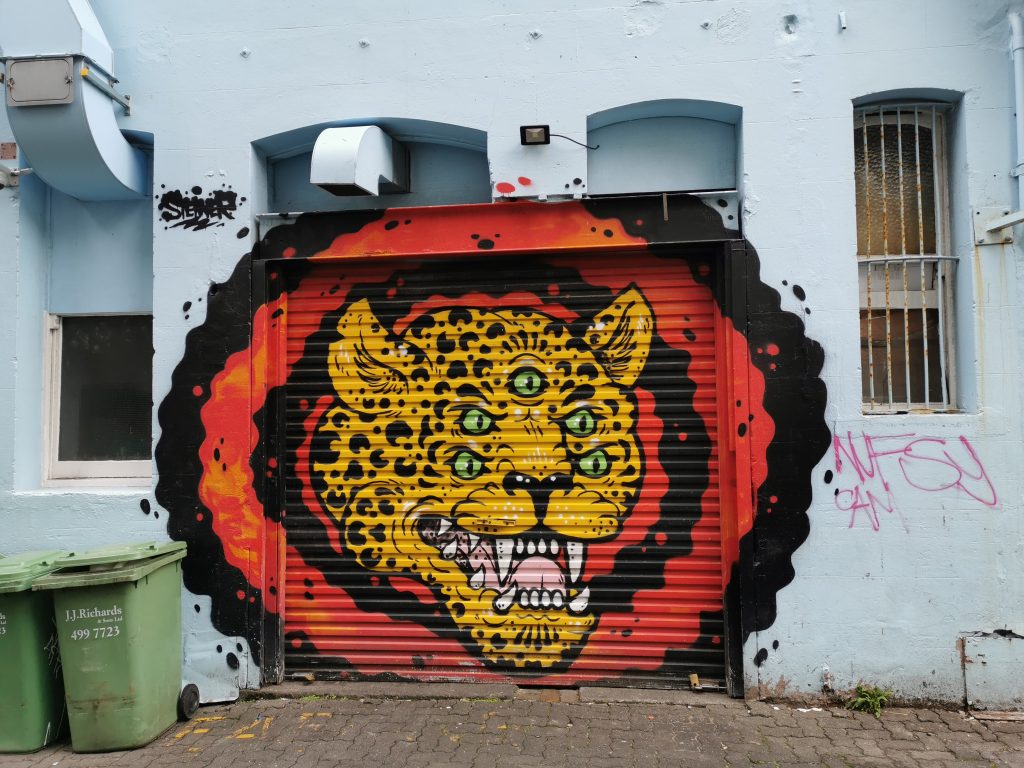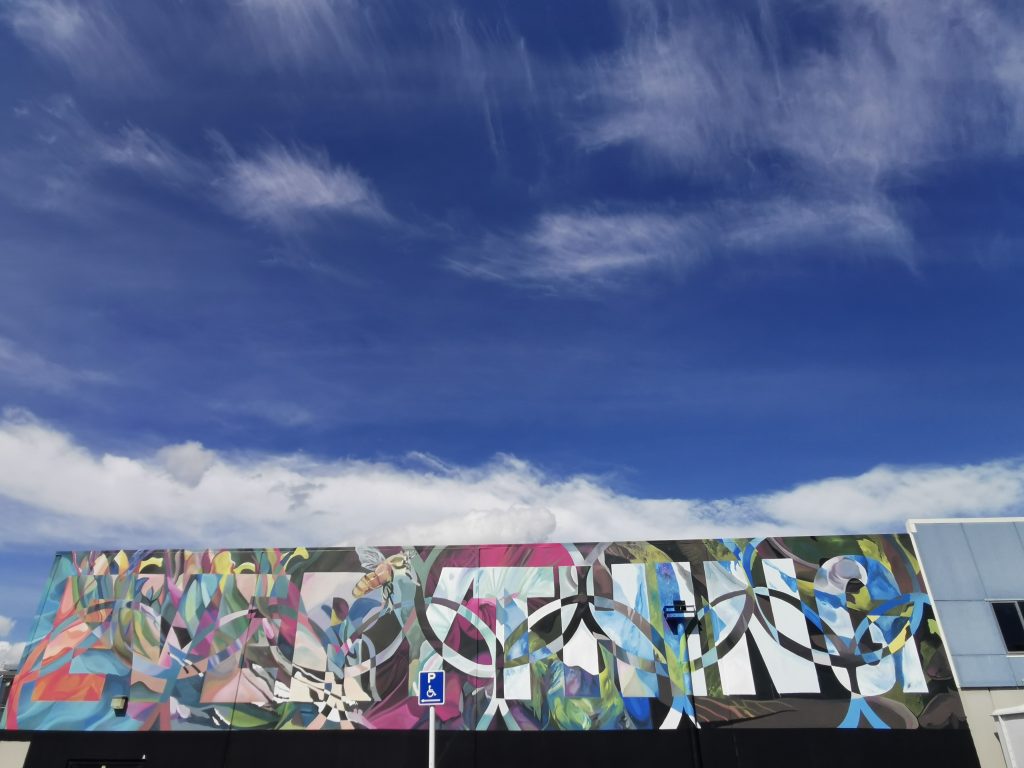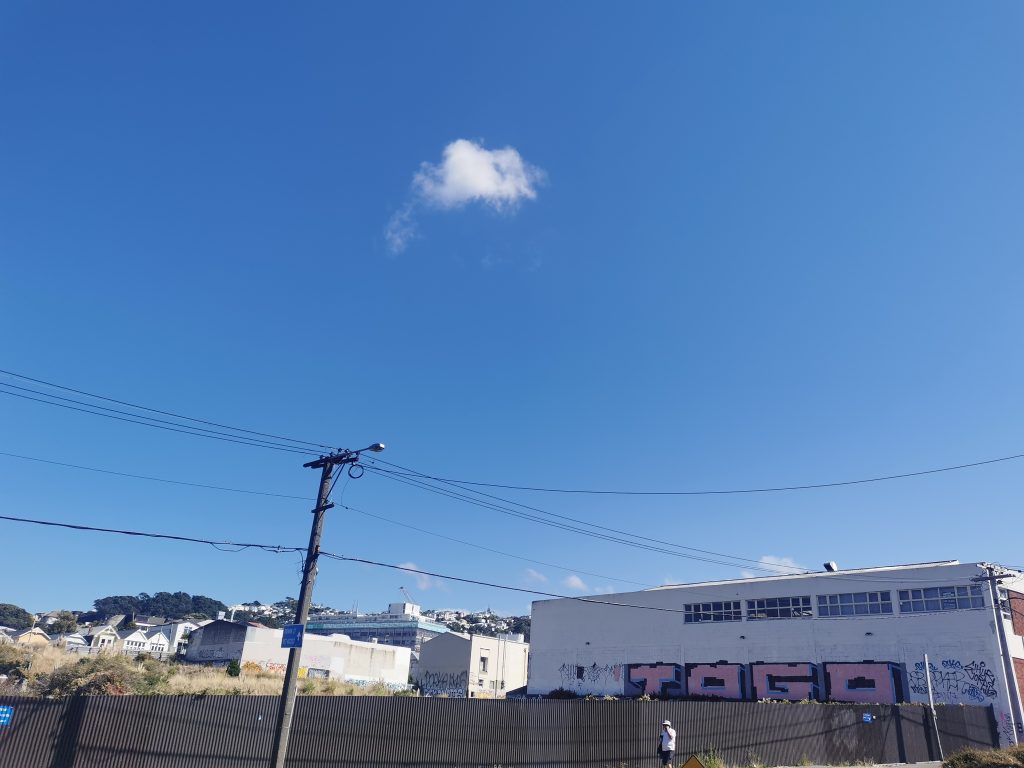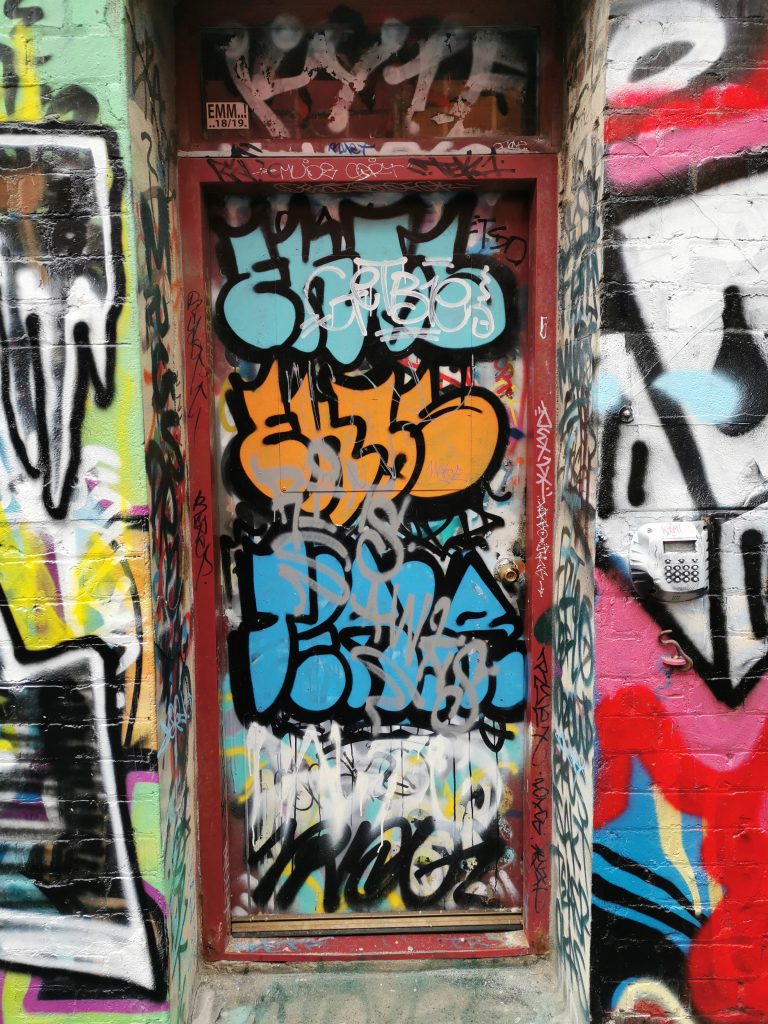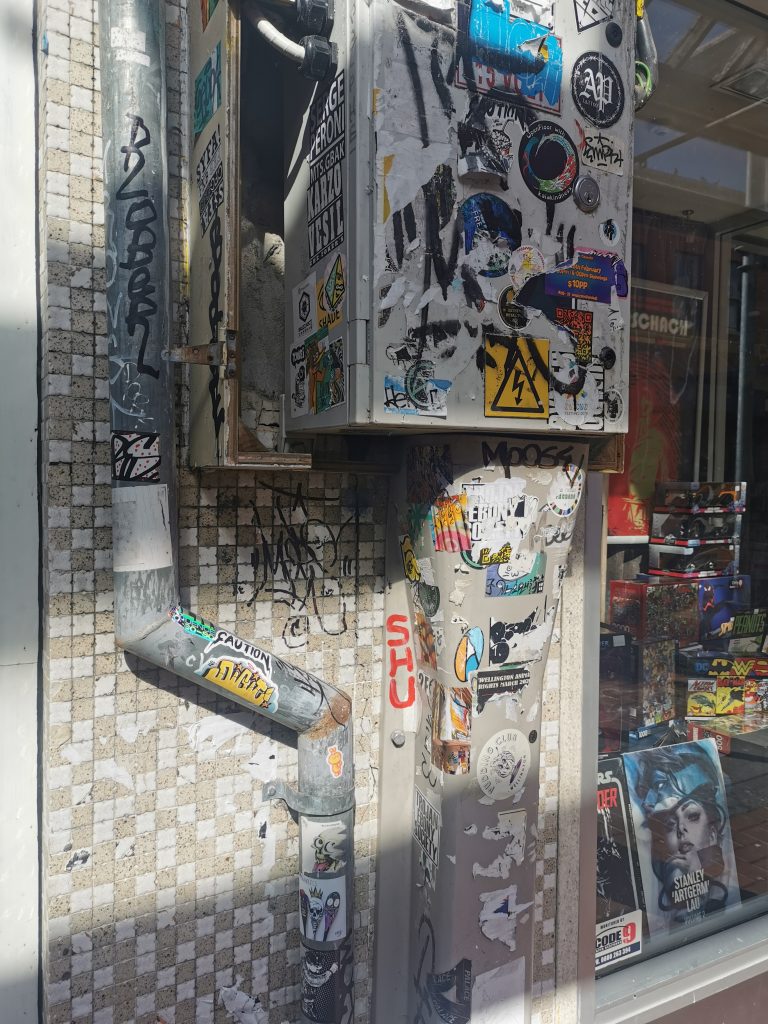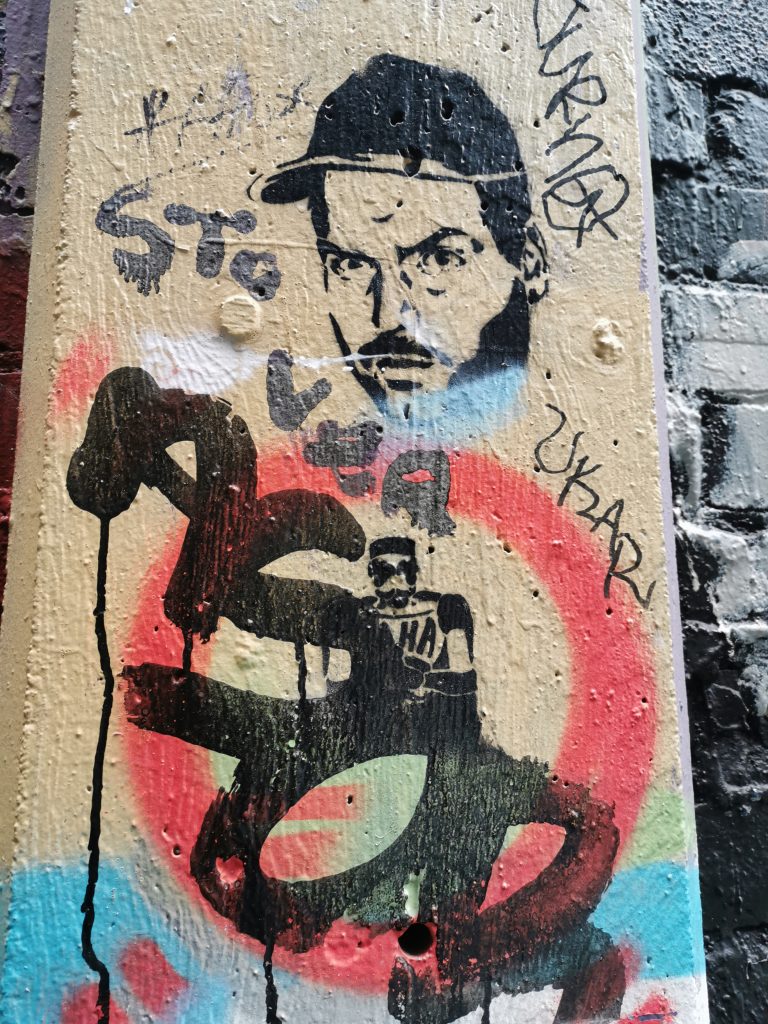

The tag. Who would think that a name written on a wall could draw so much anger and vitriol? While we might romanticise lovers names carved into trees or those historical inscriptions that capture a certain time or event, contemporary tags are rarely given such status, viewed almost primarily as an affront to order and ownership and a symbol of wasted youth.
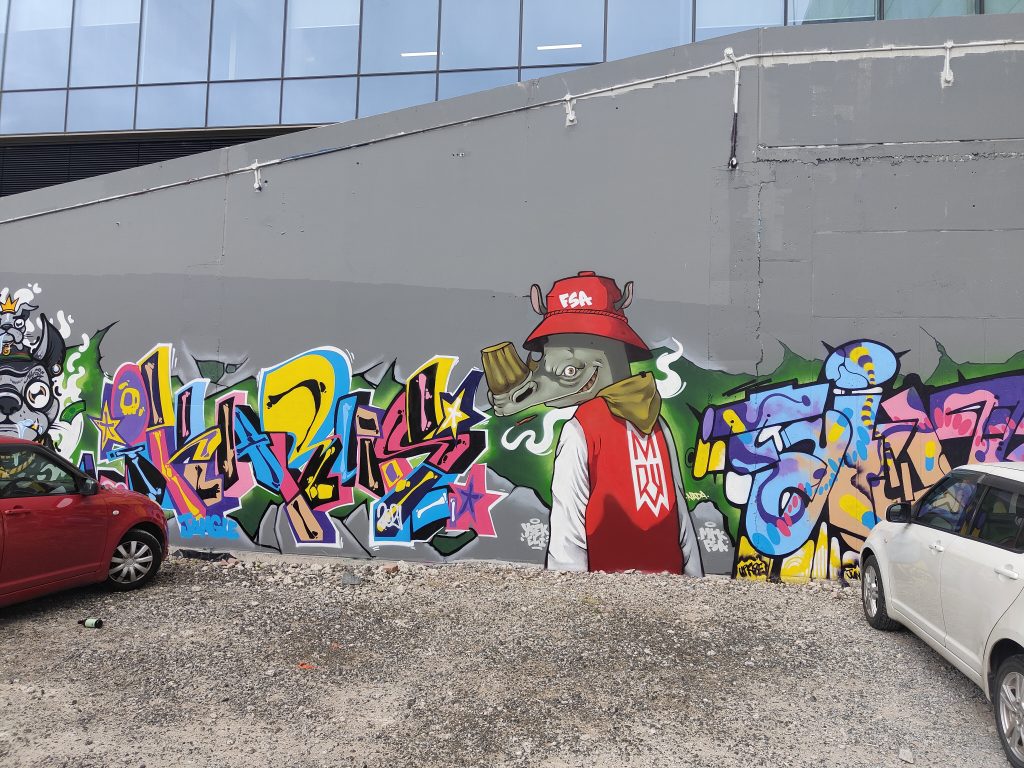
The tag is the basis of graffiti culture, the building block on which all else follows and evolves. For many traditionalists a solid tag outweighs all, a good hand-style is a necessity. Rendered in marker or spray paint, with clean lines or messy drips, appearing legible or incomprehensible, the humble tag can be as complicated and complex as the people executing them.
Yet, the beauty of a tag is often overlooked. In their various states tags can exhibit chaos, urgency, care, thoughtfulness, anger, humour, defiance, opportunism, and immediacy; a carefully planned dance or an impulsive act of disruption. But, beyond these readings, a tag is importantly a reflection of action, even when the writer has vanished, the legacy of their stealth movement remains, evident in the little details. The sense of flow and energy reveal the dance-like performance. Unlike more developed designs, a linear tag is about efficient movement and a familiarity with the required physical exertion. Watching a sweetly executed tag come to life can be enthralling as it unfolds.
This photo essay, compiled largely from Otautahi but also featuring some images from around Aotearoa, is not a collection of the best hand-styles or tags (it is not my place to determine anything other than knowing what I like), instead it attempts to capture this diversity and the way that in certain environments and frames, these forms can be beguiling and intriguing, aesthetic and appreciated…
Are you a photographer (or you know someone who is)? Do you have an idea for an urban photo essay? We would love to hear from you and potentially feature your work here! Email [email protected] and let’s talk!
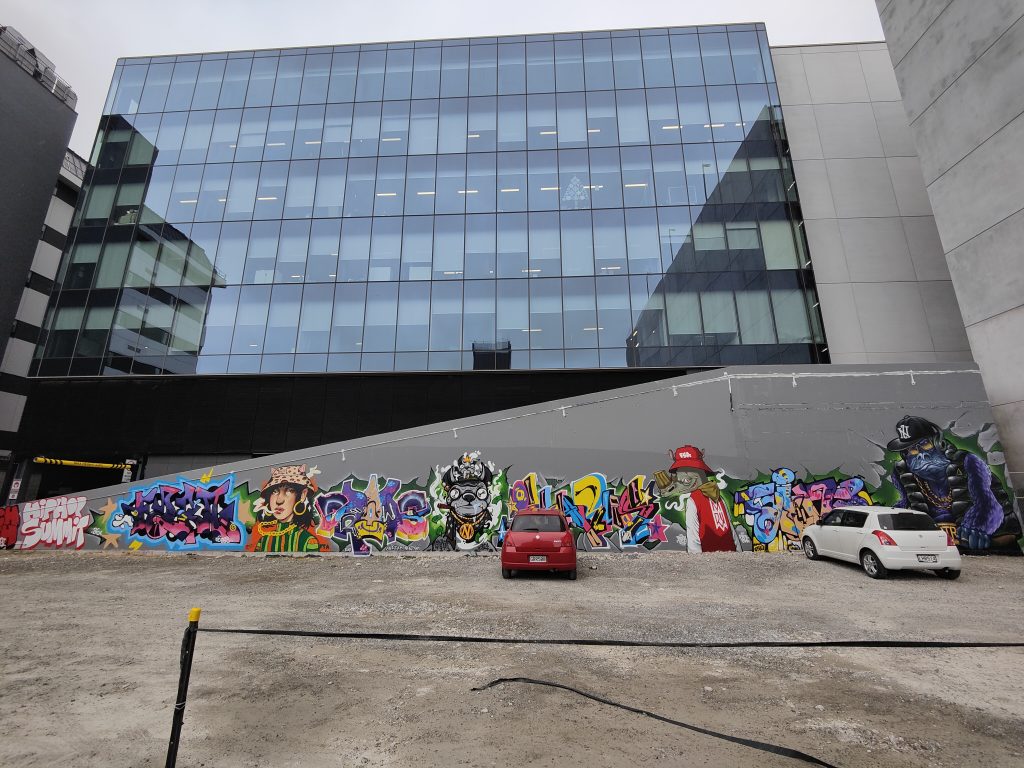
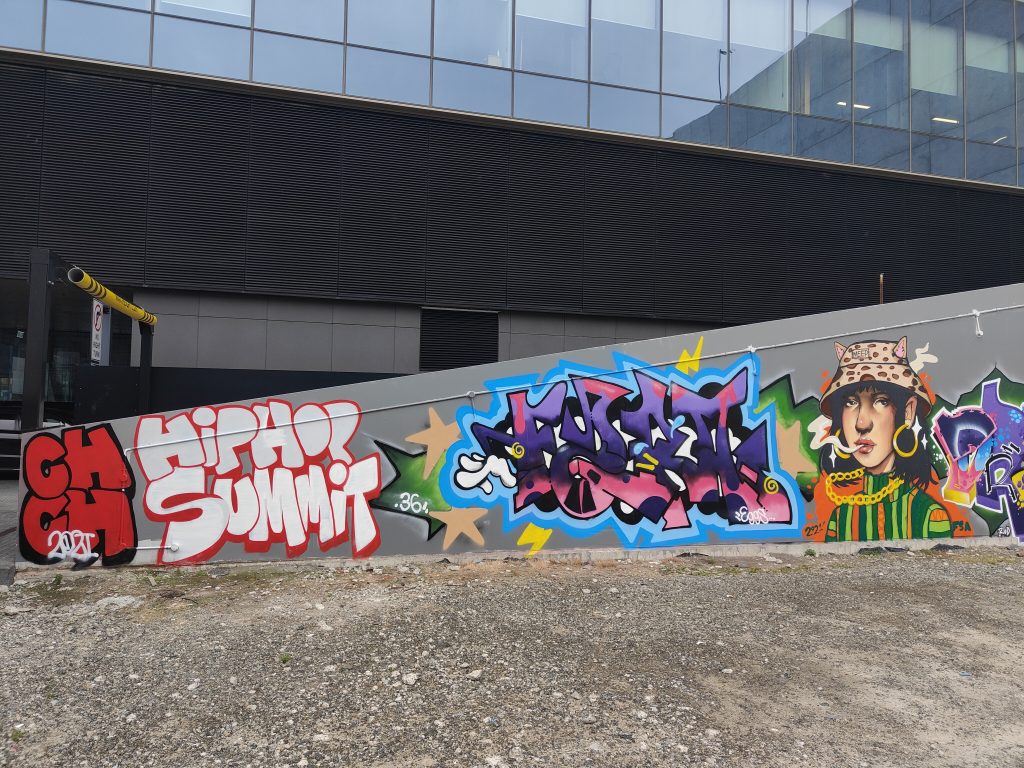
Hard in the Paint – Part of the Christchurch Hip Hop Summit, December 10th, 2021
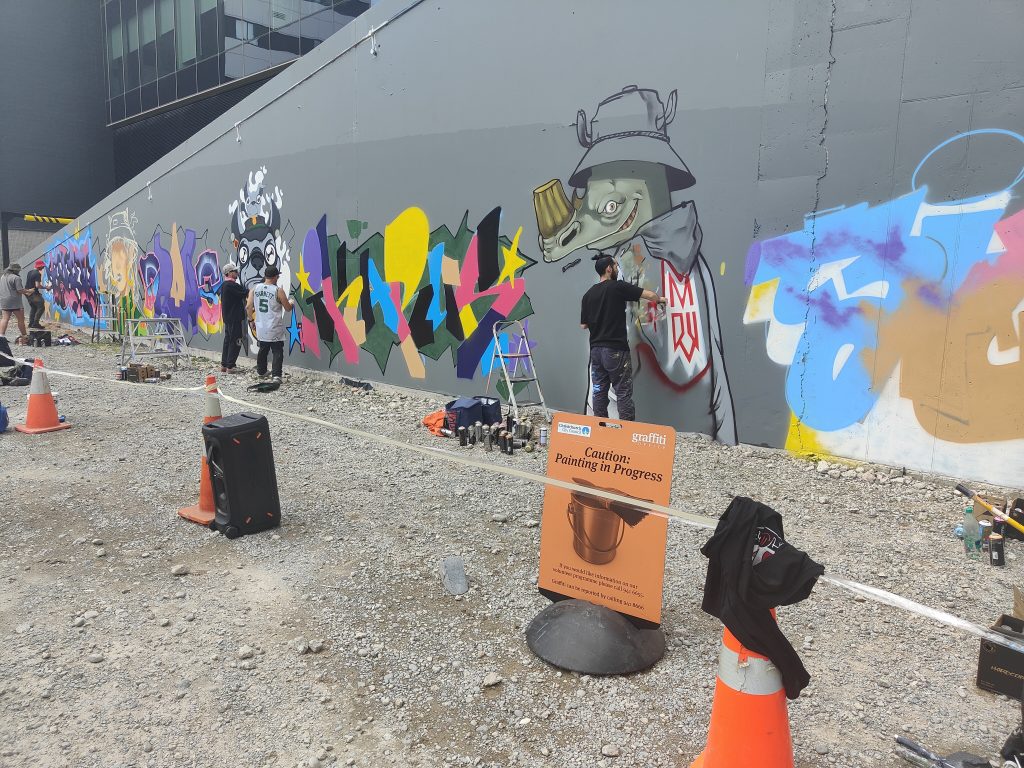
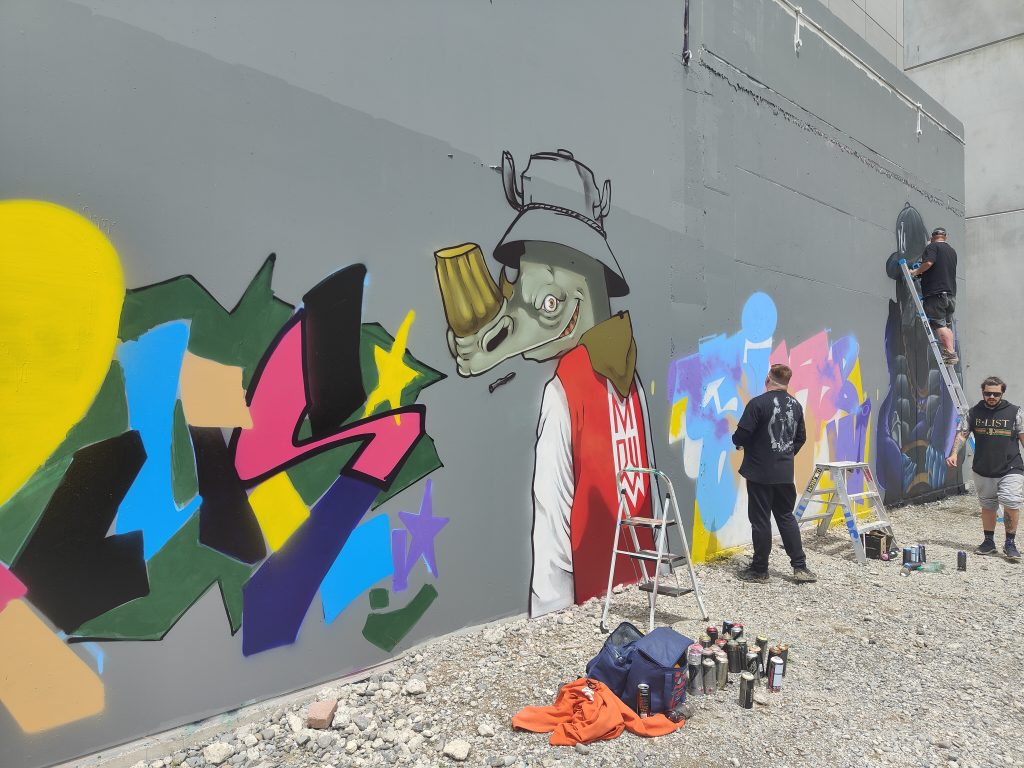
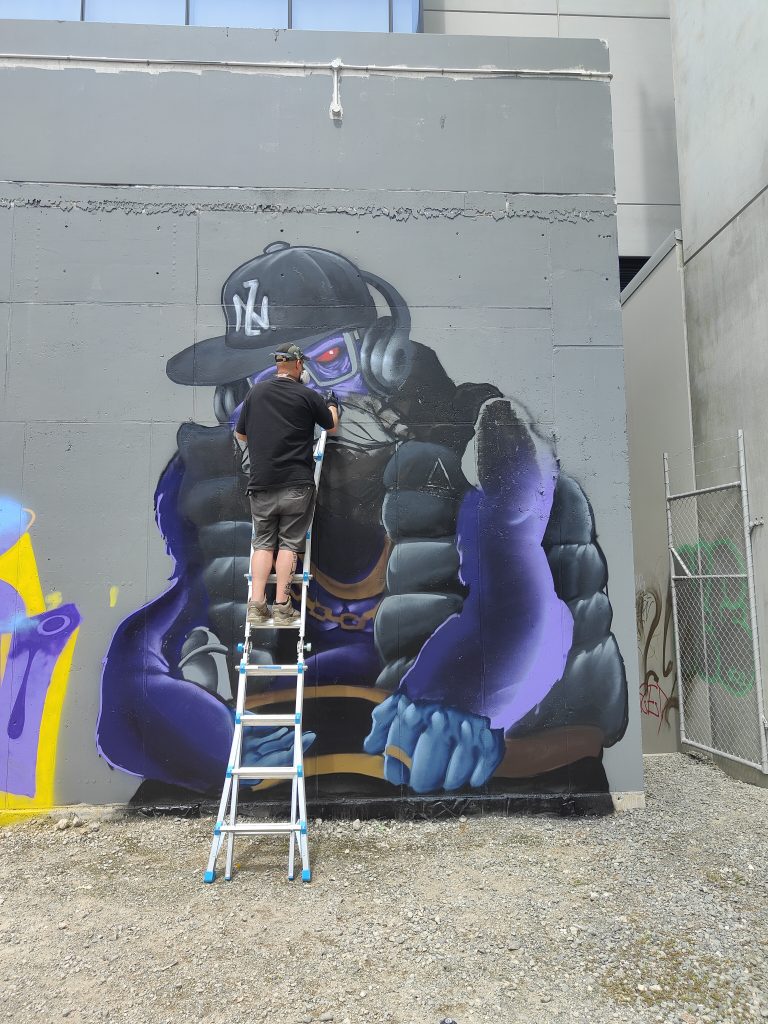
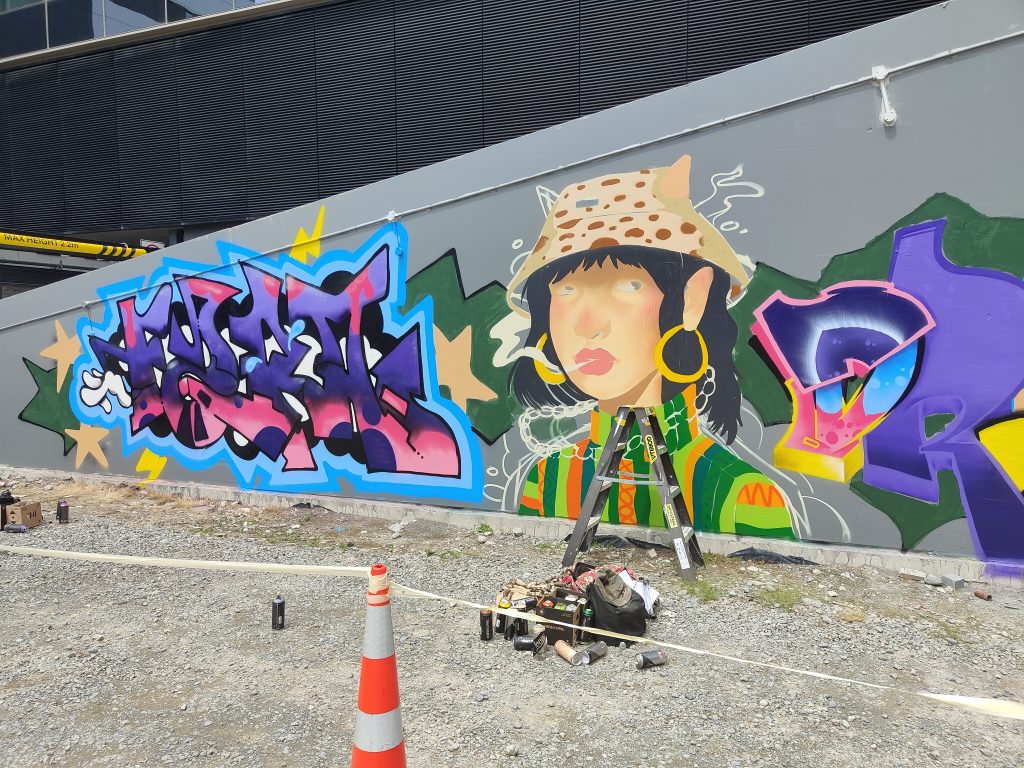
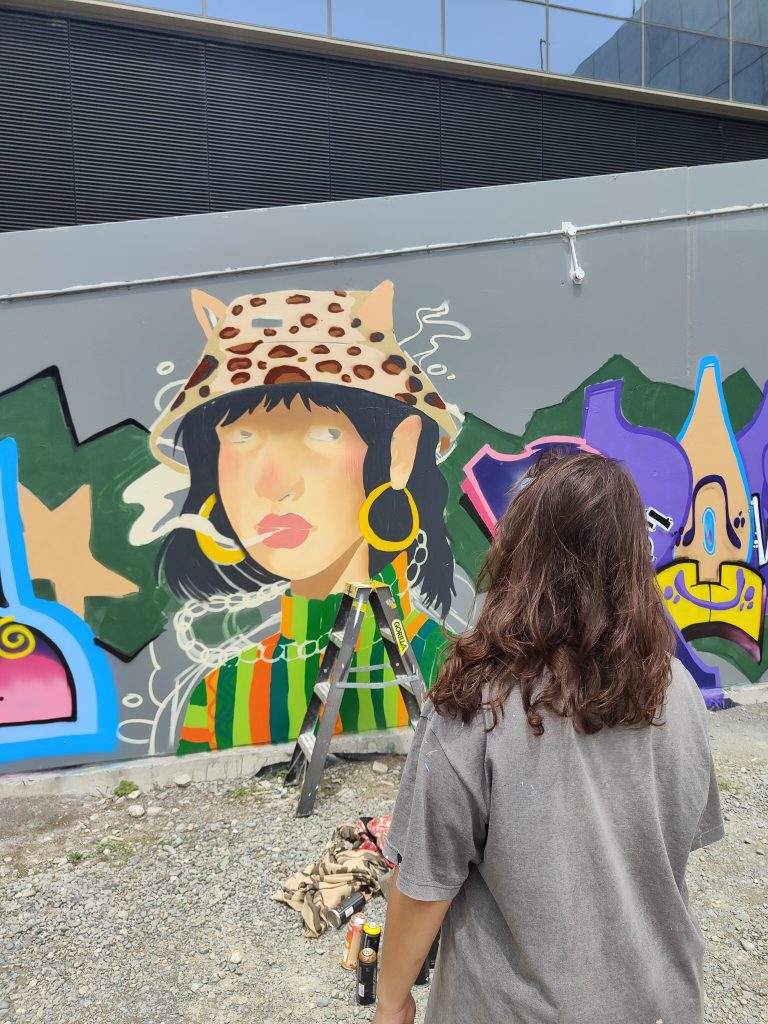
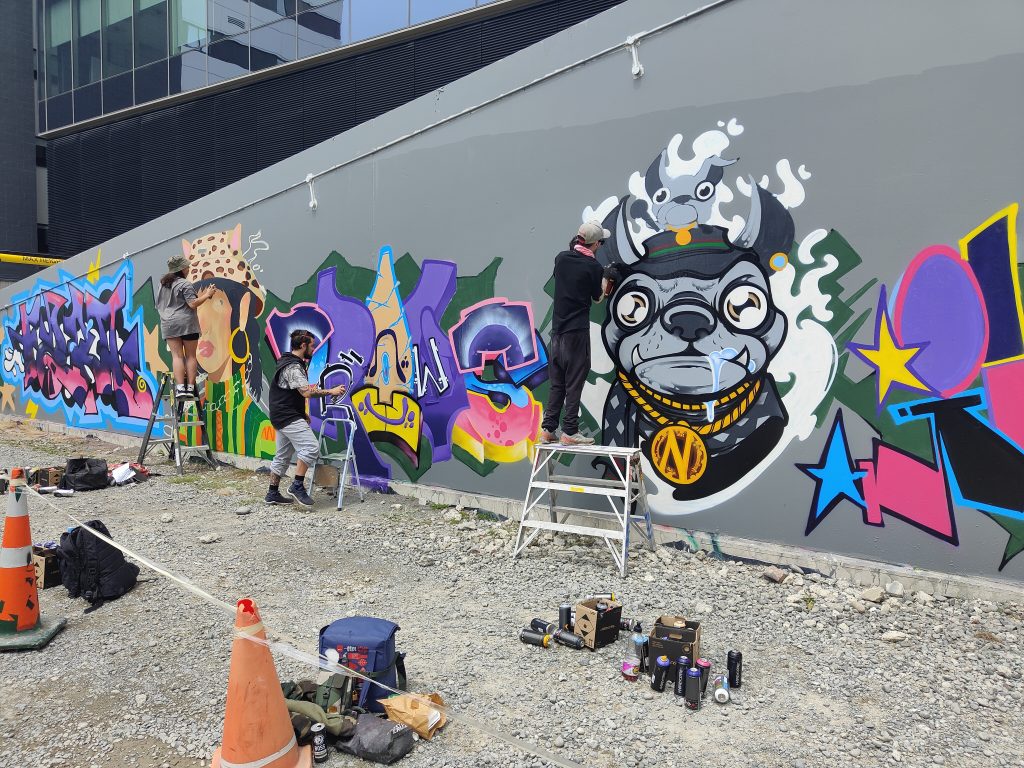
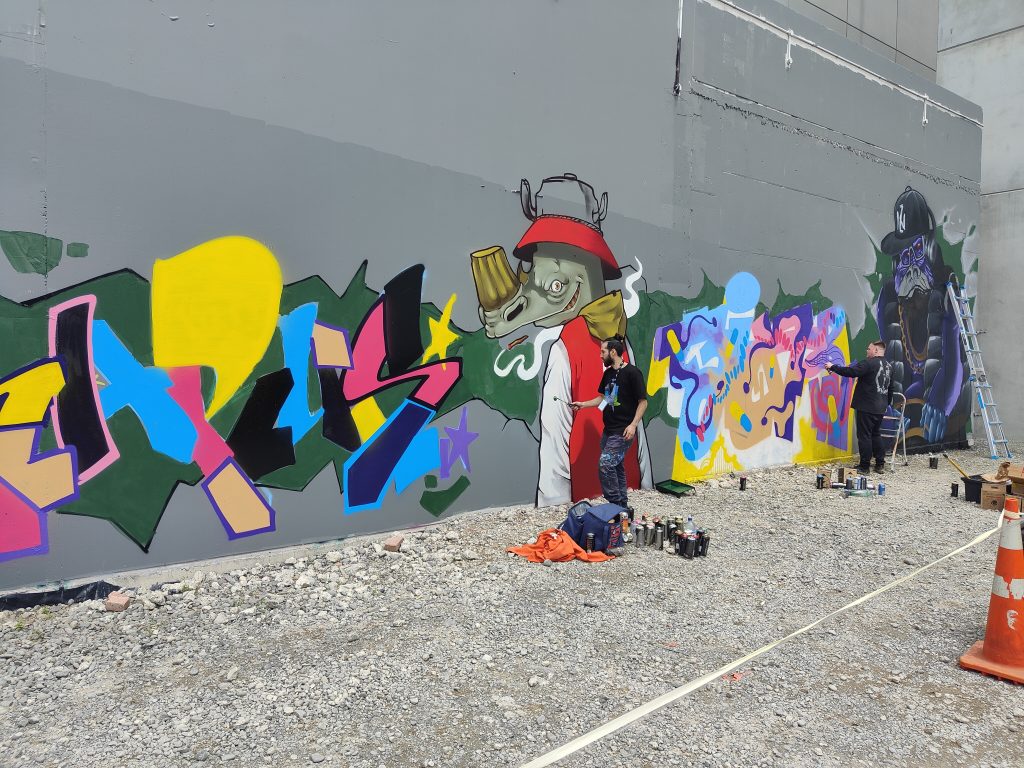
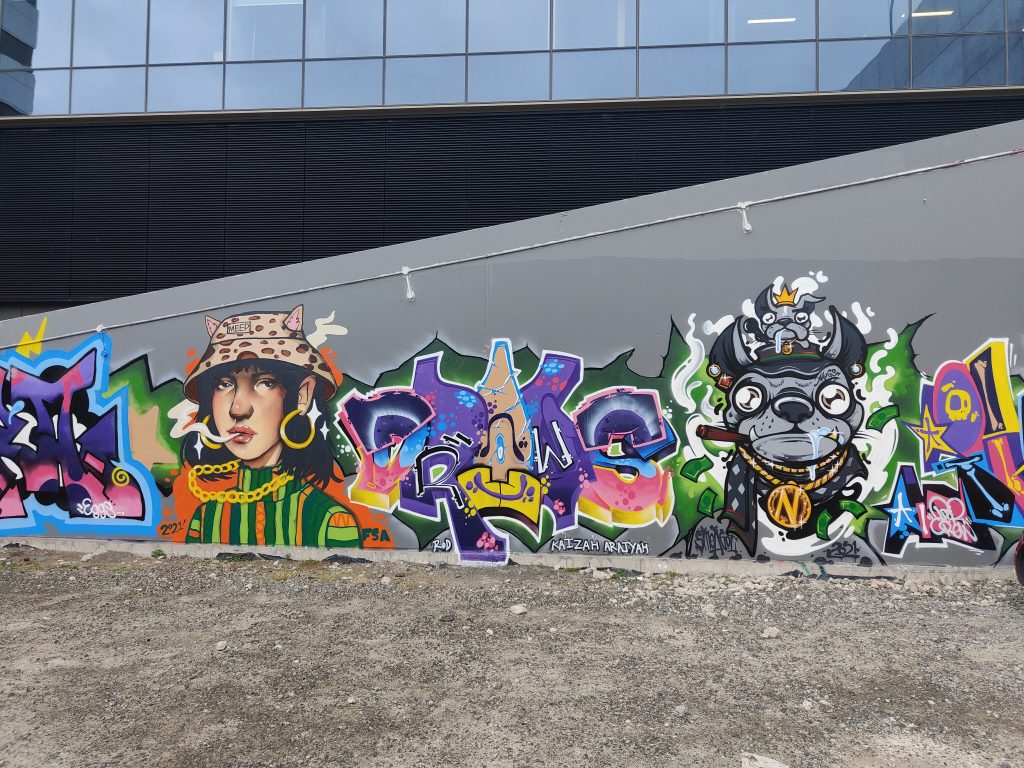
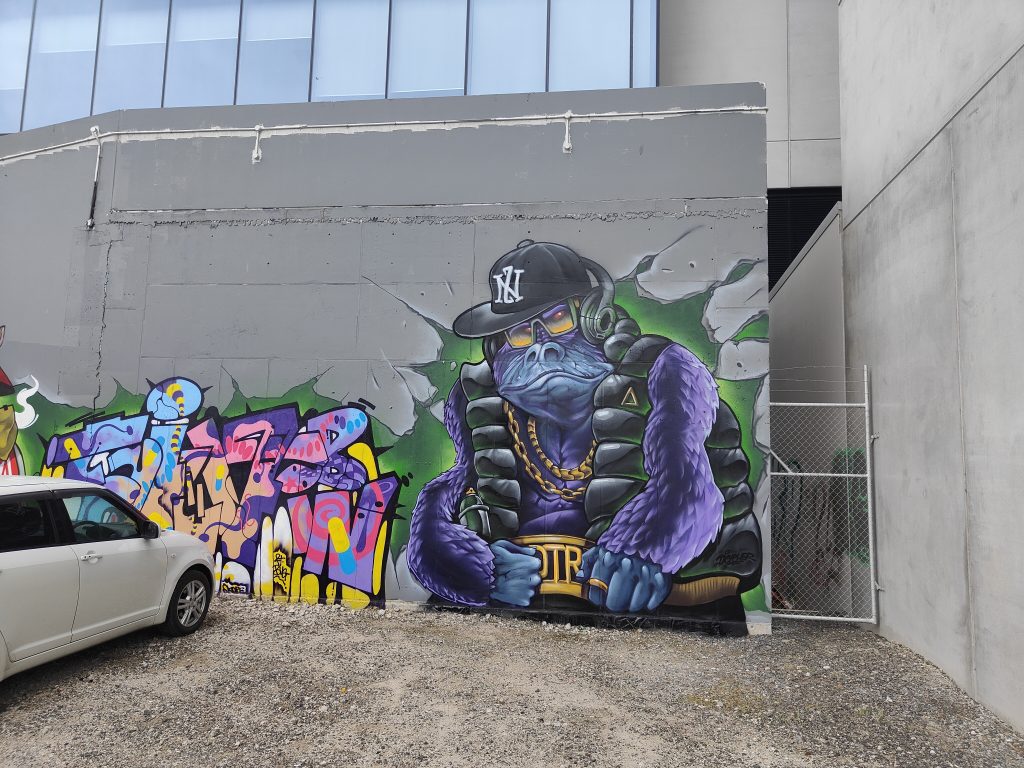
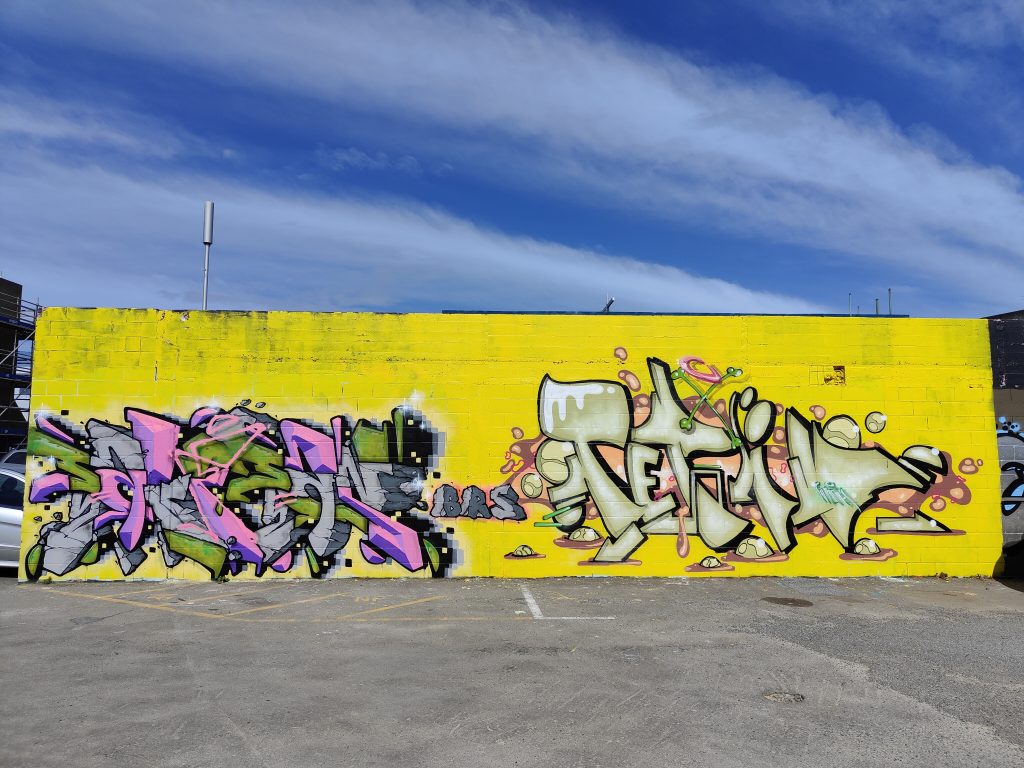
2021 saw the return of the Christchurch Hip Hop Summit, with a full programme representing the four elements of the culture, from workshops and demonstrations to performances. As the oldest element, graffiti was a vital inclusion, but as the ‘black sheep’ of the hip hop family (to borrow a phrase from an article I read in The Source years ago), it is not as natural a fit as the performative profiles of breaking, DJing and MCing. As the most outwardly anti-social, and manifesting a broader sense of identity, graffiti is an interesting proposition for the Summit, in many ways the best fit for hip hop’s changing scope. For the 2021 event, graffiti was represented by Hard in the Paint, a gathering of graffiti generations creating a traditional production balancing letter forms and characters in the Hereford Street car park (no, not that one). Co-ordinated by the DTR crew’s Ikarus and Dcypher, the line-up was varied and the local scene was well-represented, featuring Ikarus, Dcypher, Smeagol, Drows, Meep, YSEK, Fiasko and Vesil…
The wall gets underway…
Dcypher at work…
Meep takes stock…Meep, Drows and Smeagol add touches…YSEK and FiaskoThe finished production (and pesky cars)
If you have a show coming up – let us know by emailing the details to [email protected]…
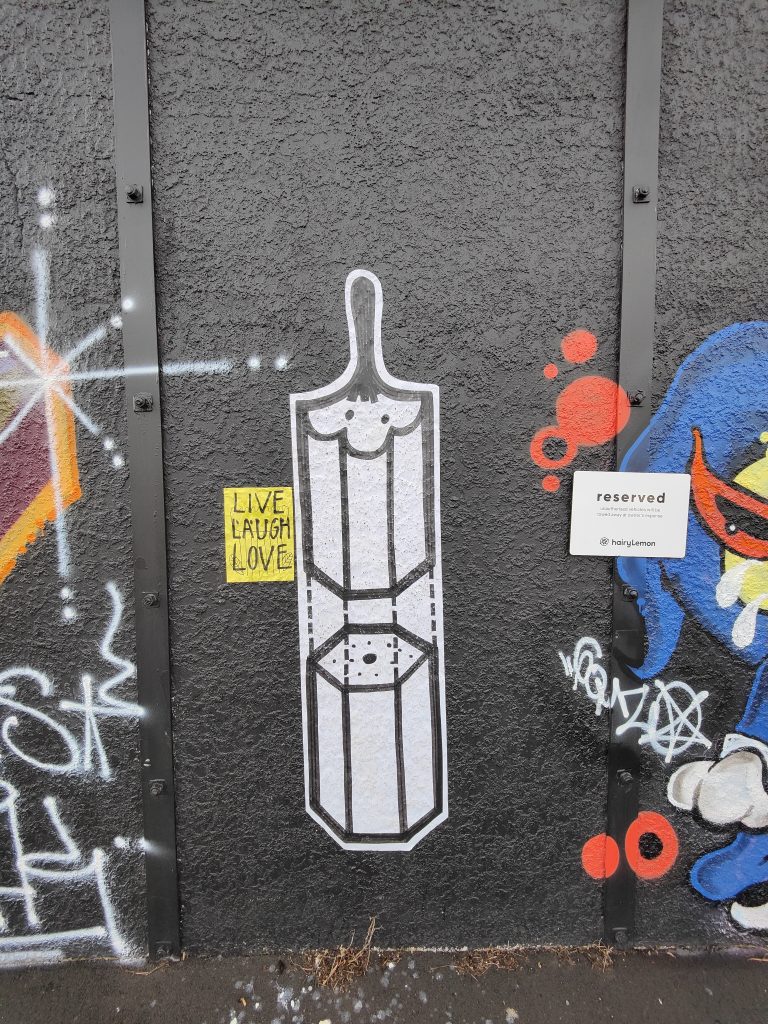
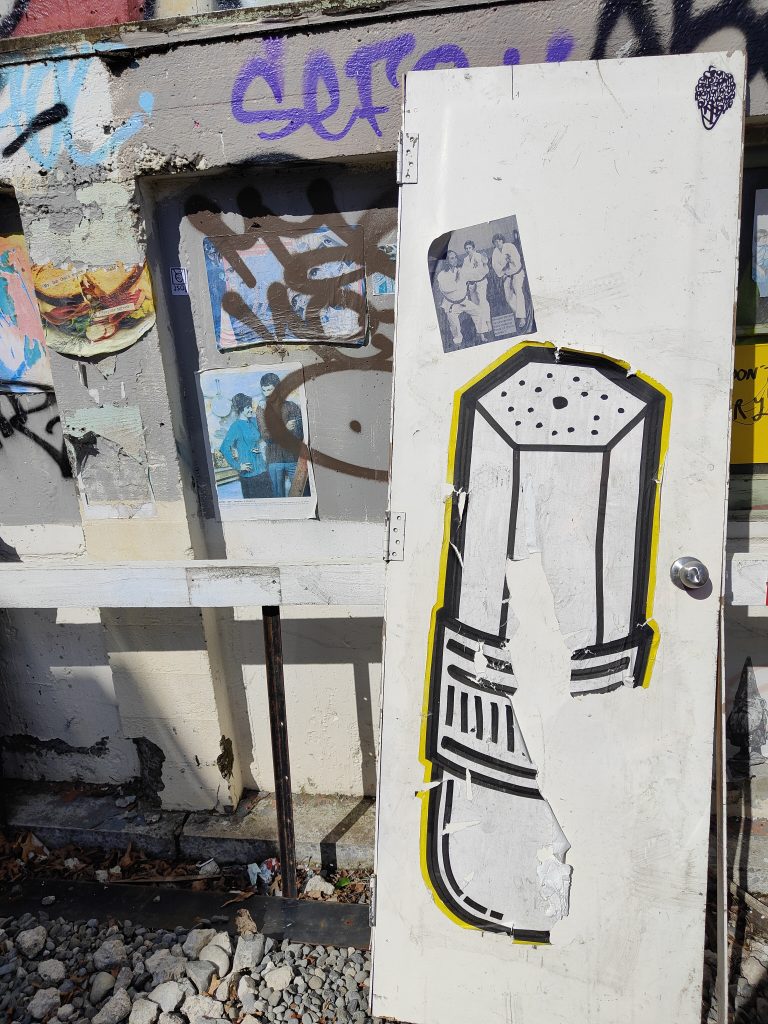
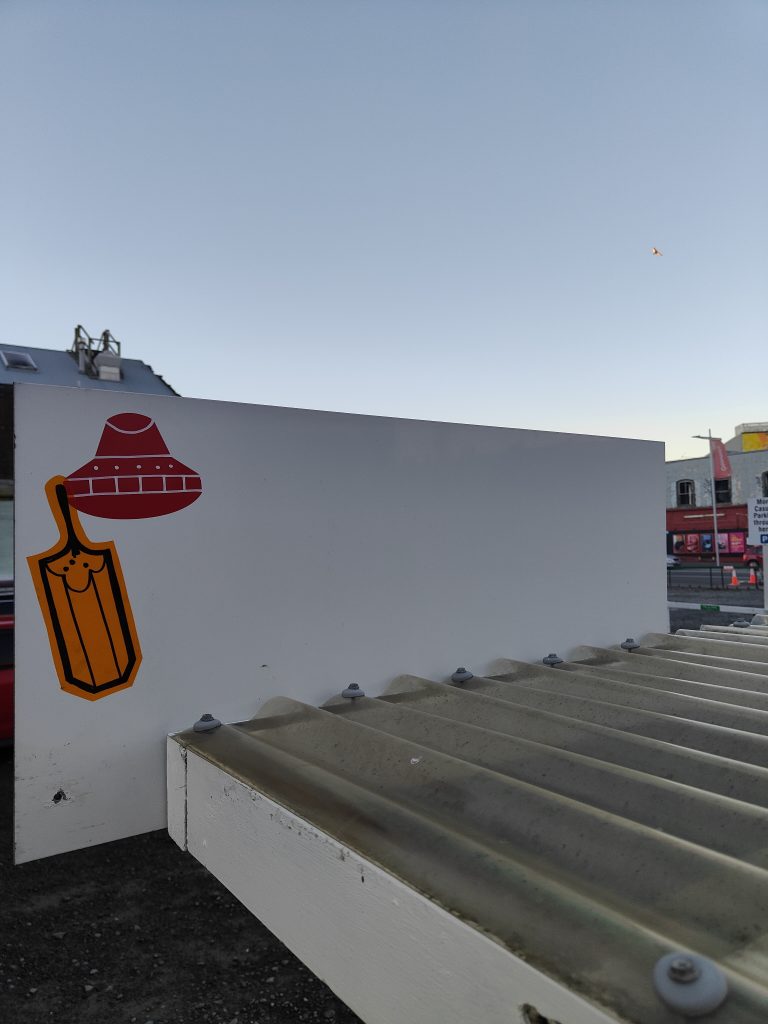
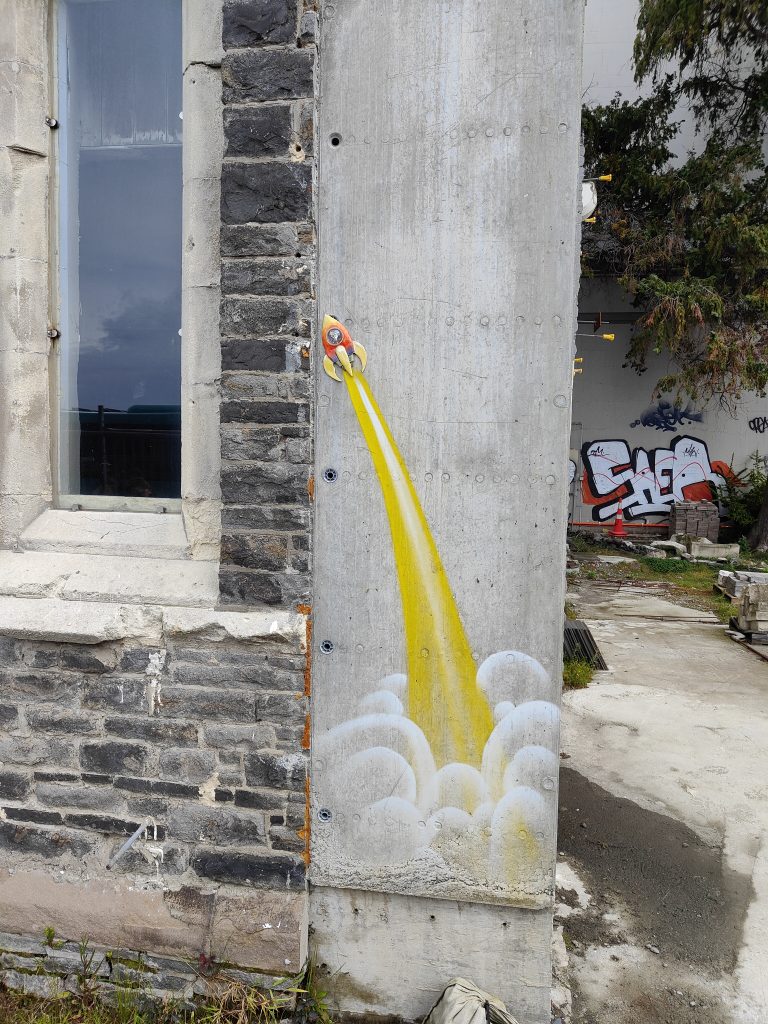
It has been a while since our last Street Treats edition, in part due to the lock-down situation, but even as we all play catch up on the livelihoods that were put on hold, the streets were a fascinating site to explore with the range of expressions and interventions to be found. This volume of Street Treats features a cacophony of diverse forms, and rather than dealing with explicitly political messaging, they are affirmative and declarative and playful, inherently meaningful concepts in a time where it is easy to feel invisible and somewhat powerless. Graffiti is a strong presence, bursts of colourful existential expression, bound by certain conventions but constantly searching for ways to stand out. The examples here run the gamut of styles and modes of production (some are legal, others not so much), but importantly they speak to the game and represent both a here and now and the countless numbers that have come before, a lineage of urban commentary. The repetition of other, non-signature forms lives up to the concept of post-graffiti, like characters, pencils, flowers and rocket ships, these symbols are both as mysterious as calligraphic tags, and yet also familiar and therefore more approachable. They share the idea of proclamation in the public realm, but are perhaps satisfied with intrigue rather than alienation. Why do so many find it more challenging when someone boldly writes their name than the positioning of an iconographic proxy to do the same job? Is a name a more confrontational and confident vessel for expression? Regardless of your take, the effect is the same; the city speaks, quietly, loudly, in whispers or in defiantly boisterous screams…
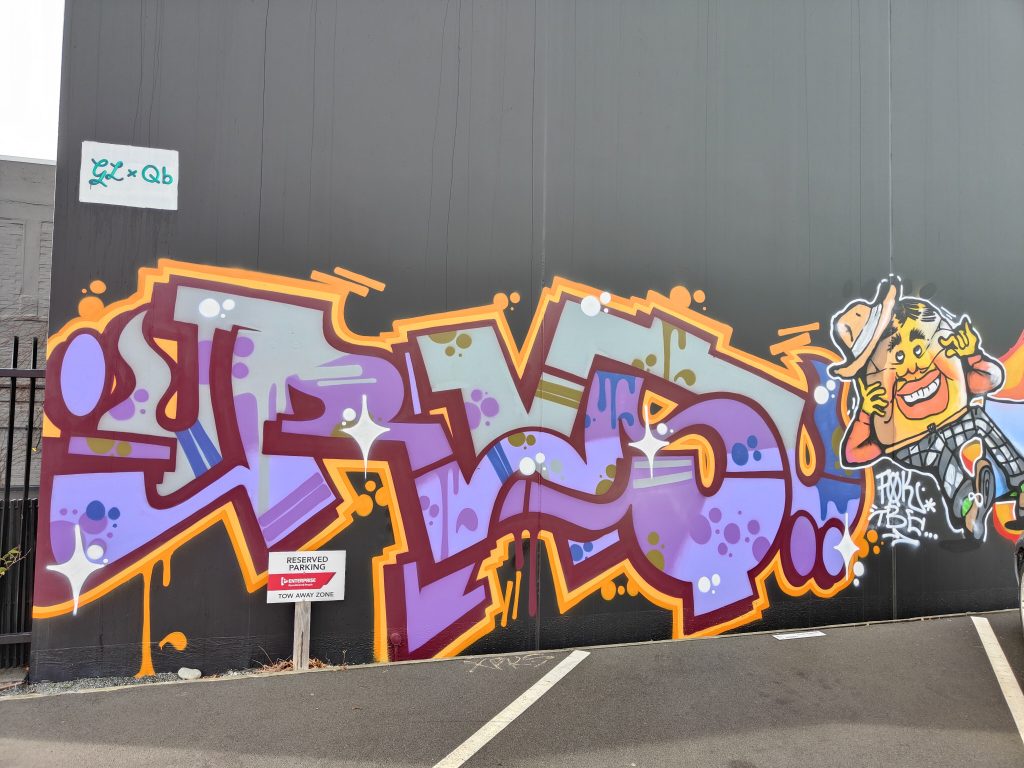
REVOS kicks off a production near Green Lane…
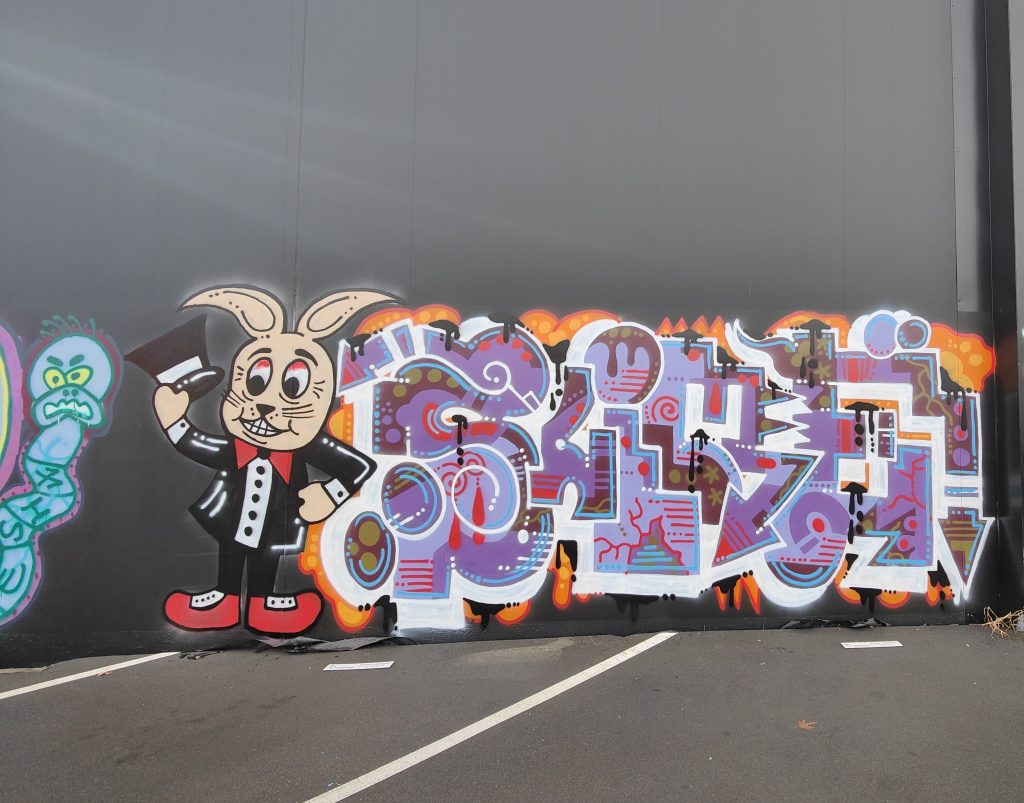
SLIME
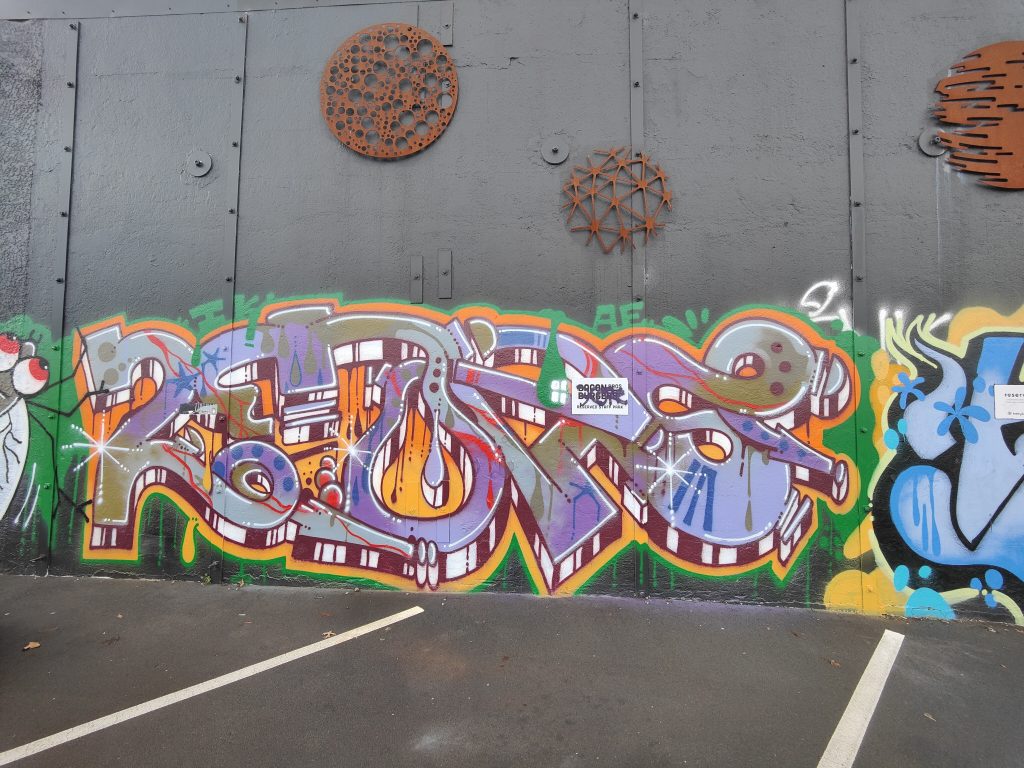
2PEAS
ALPHA and TEPID shine bright
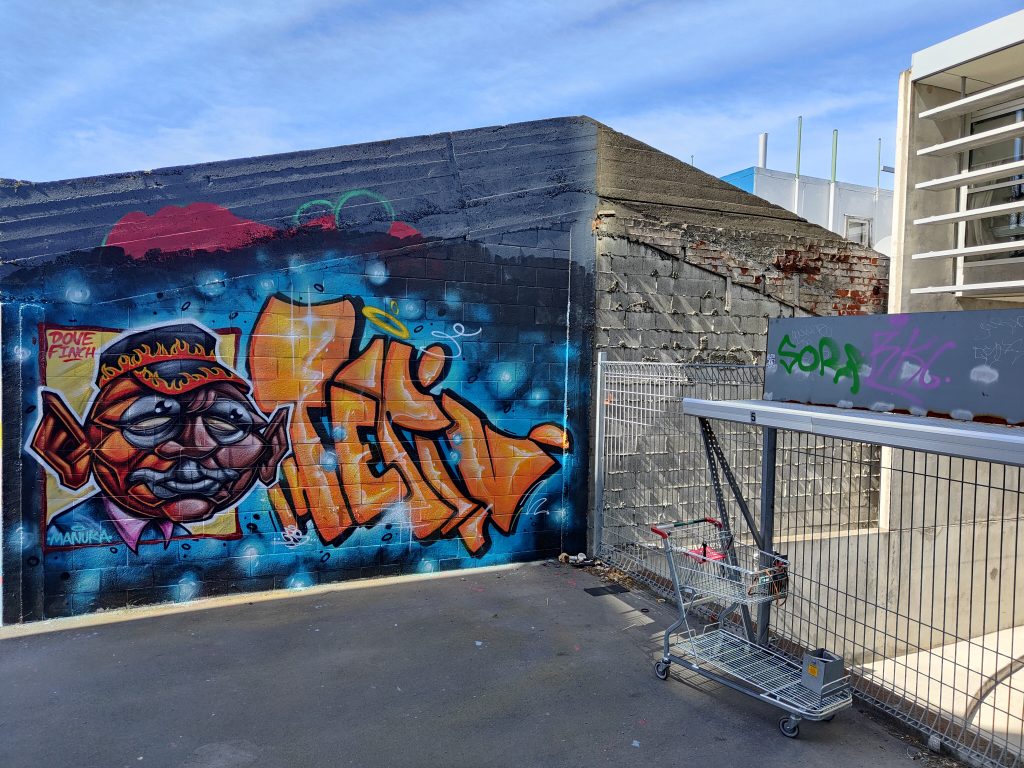
DOVE and TEPID get funky
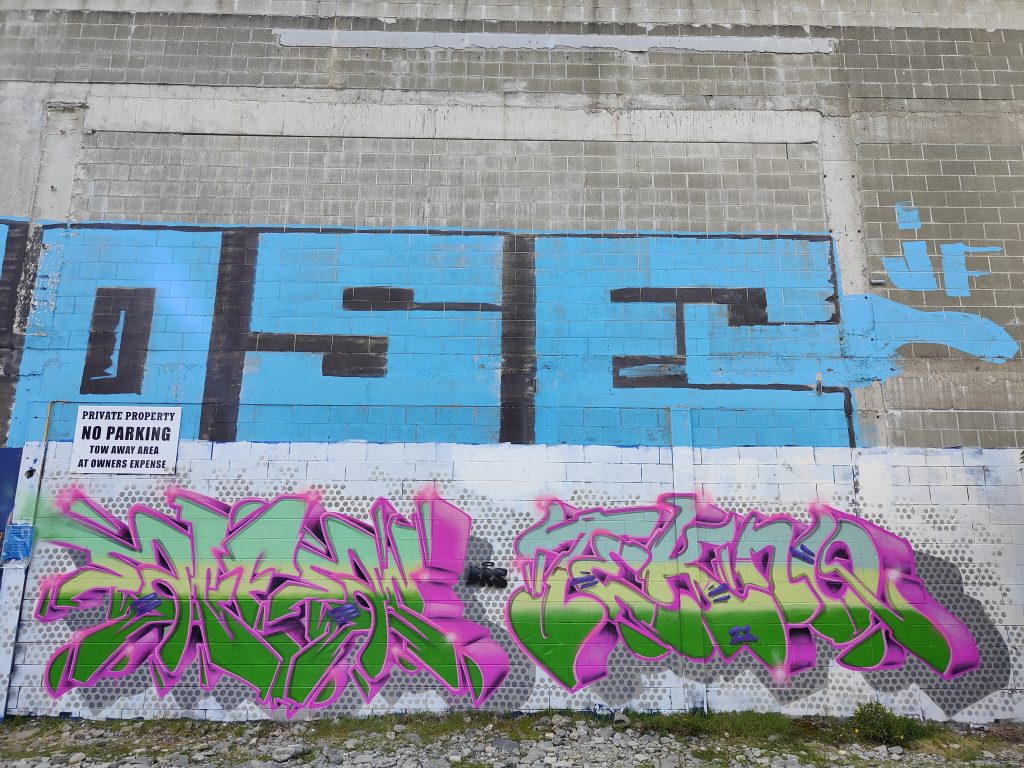
ALPHA and TEKNO refresh the Hereford Street spot
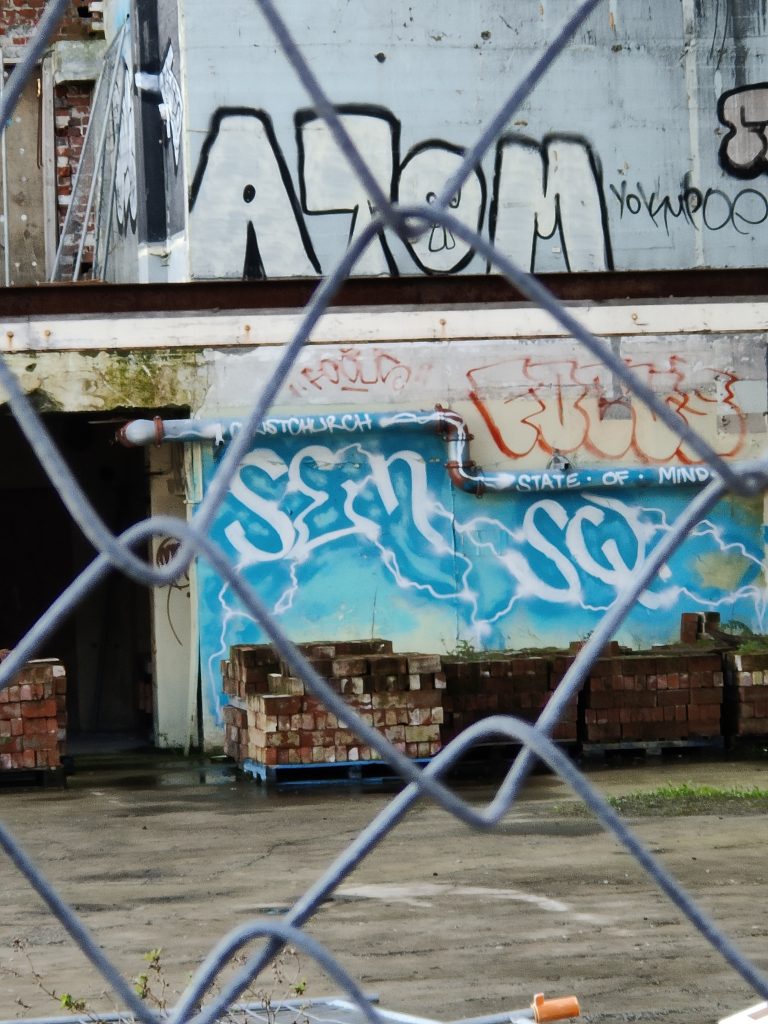
SEN and ATOM keep it grimy…
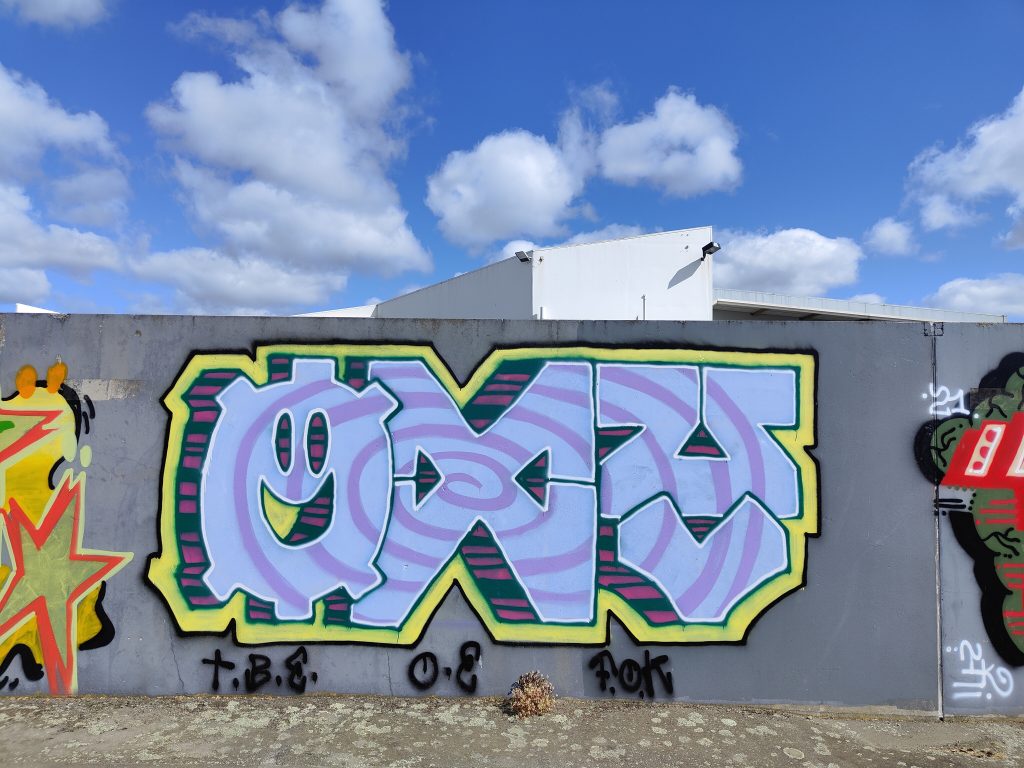
OXY on Allen Street…
with SLIME
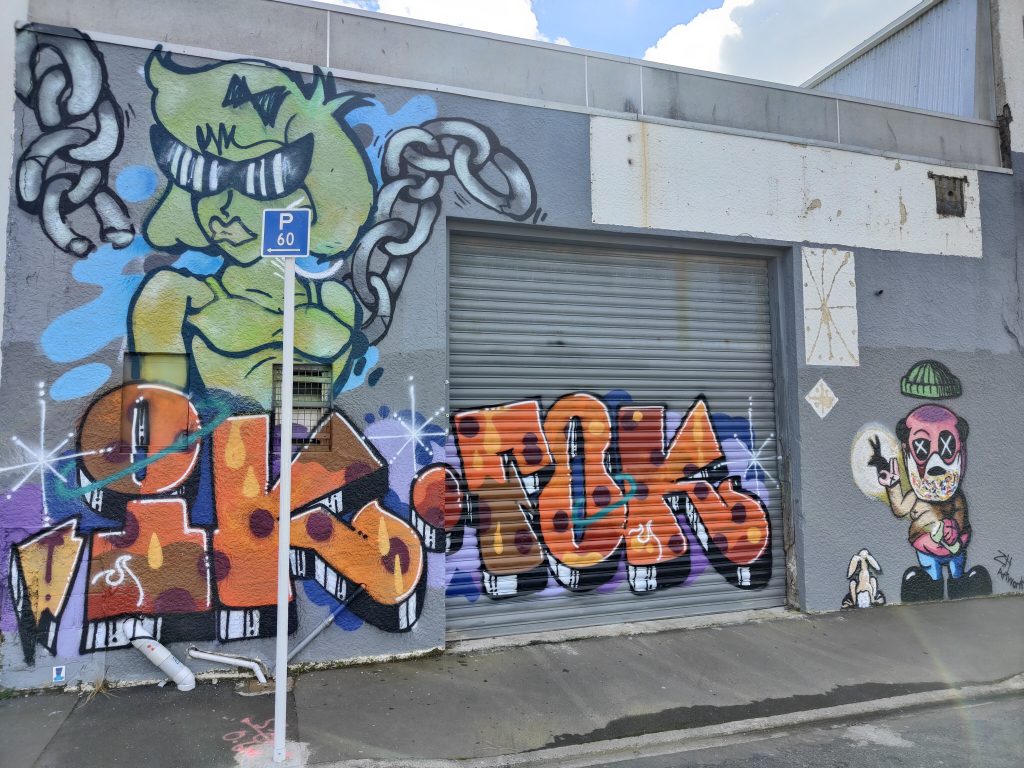
IK/FOK shout out, while the The Masked Artist looks on…
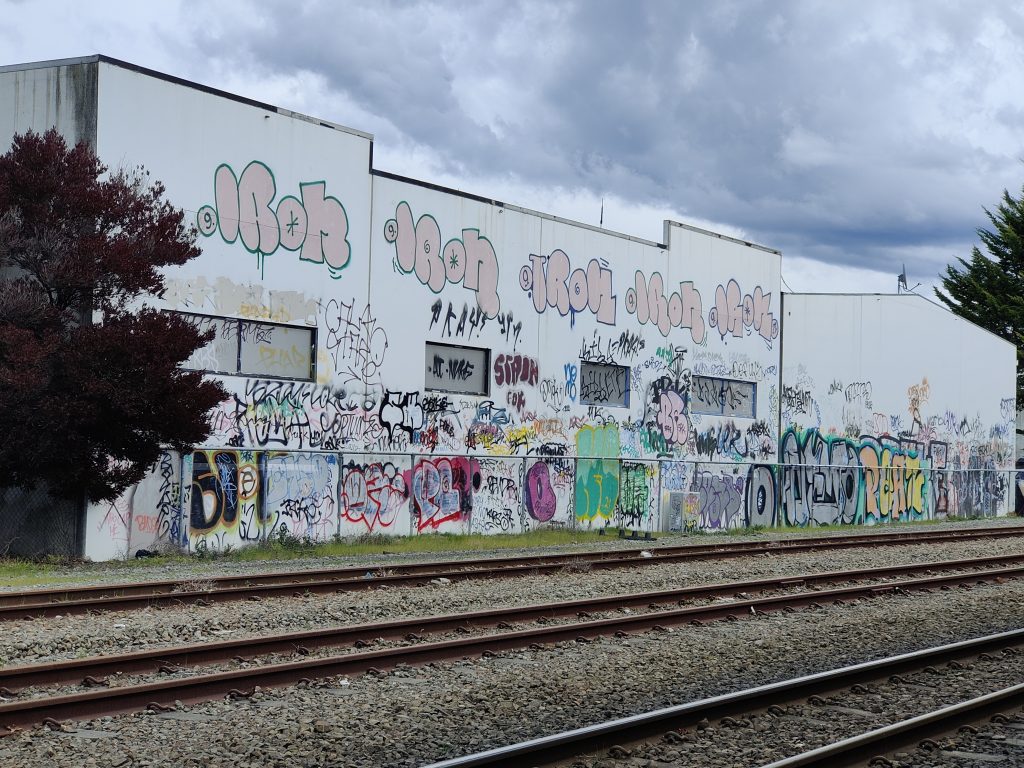
The tracks will always be there…
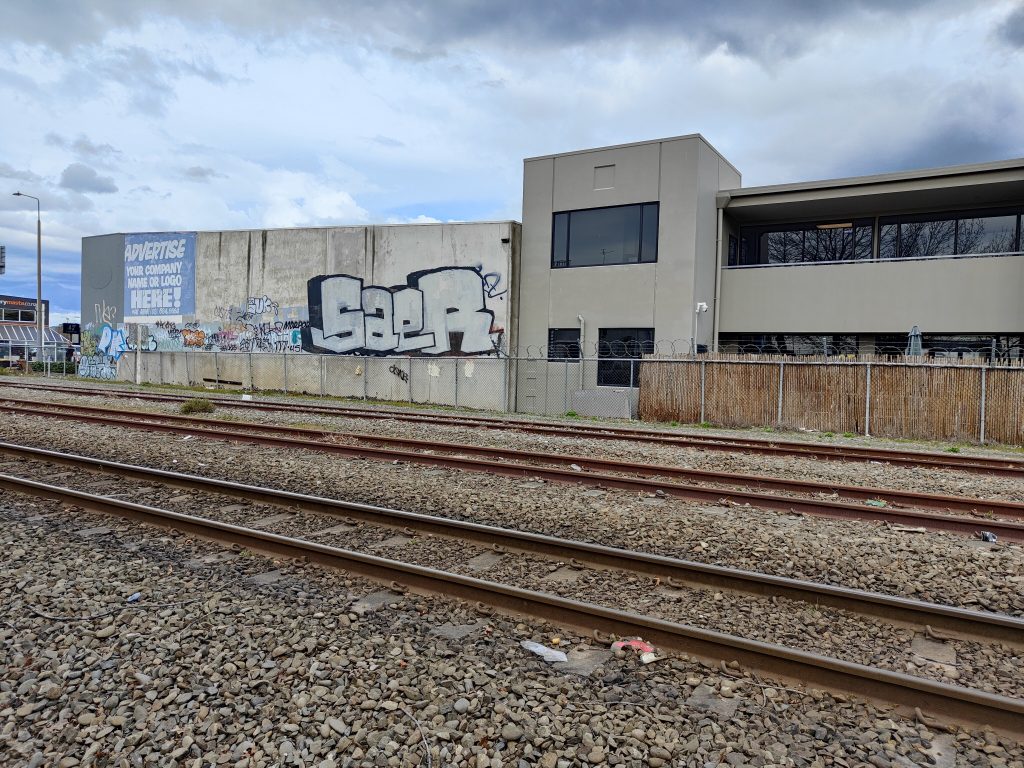
SAER
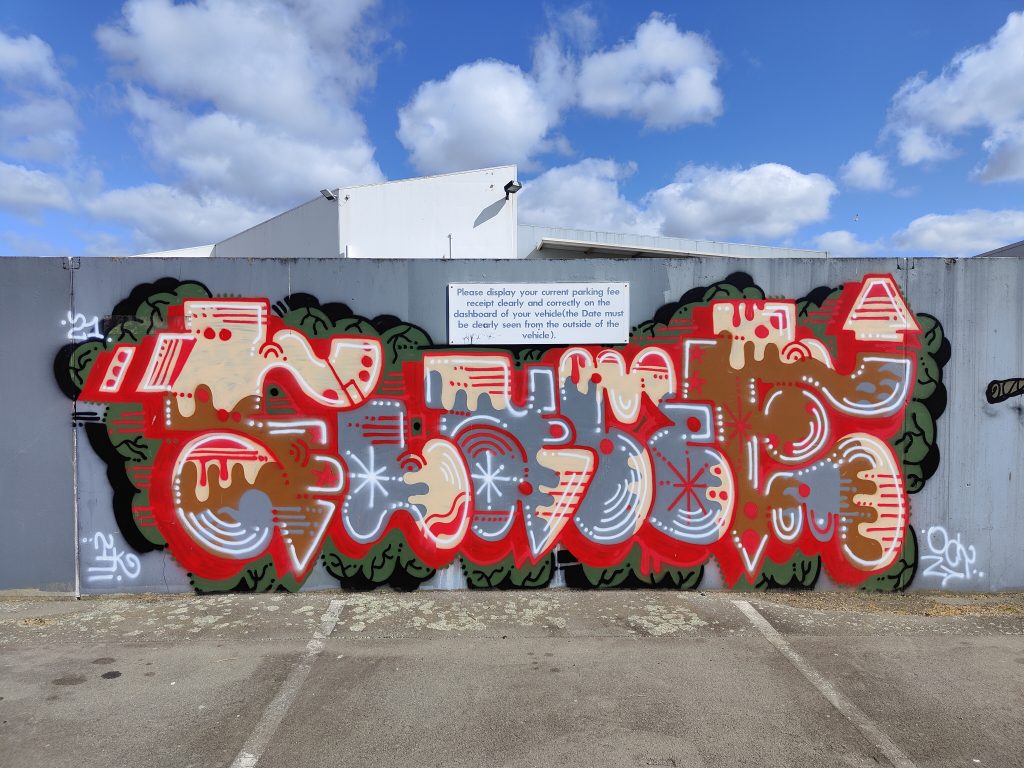
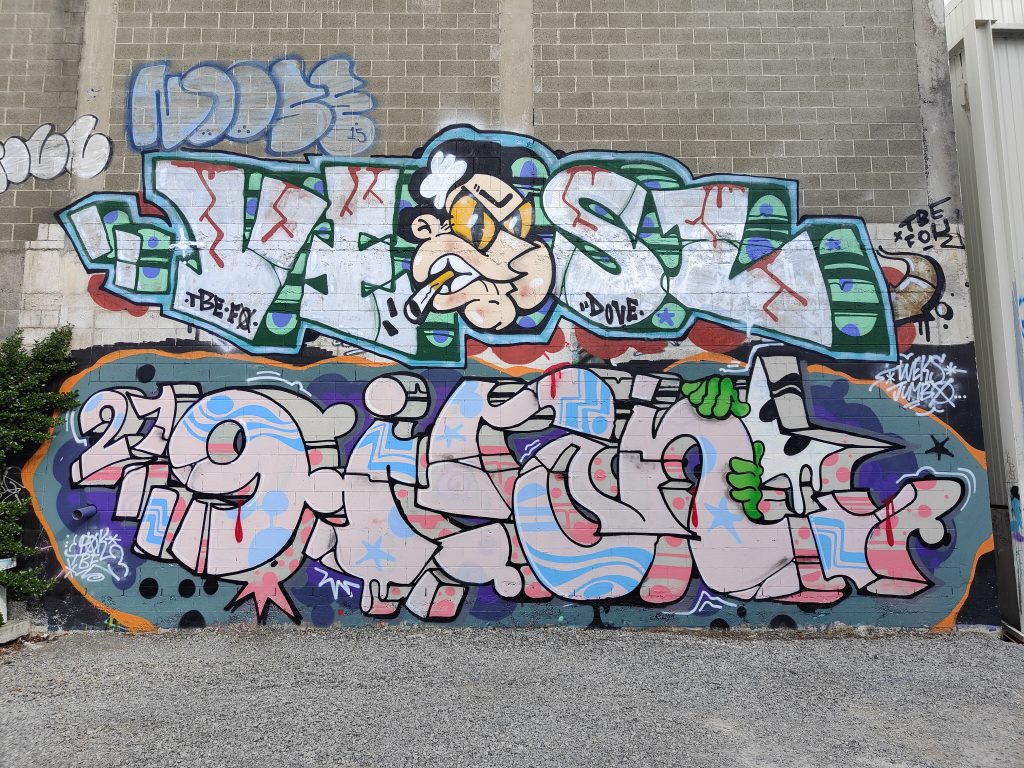
VESIL/9-IRON double up on Madras
2TOES in New Brighton
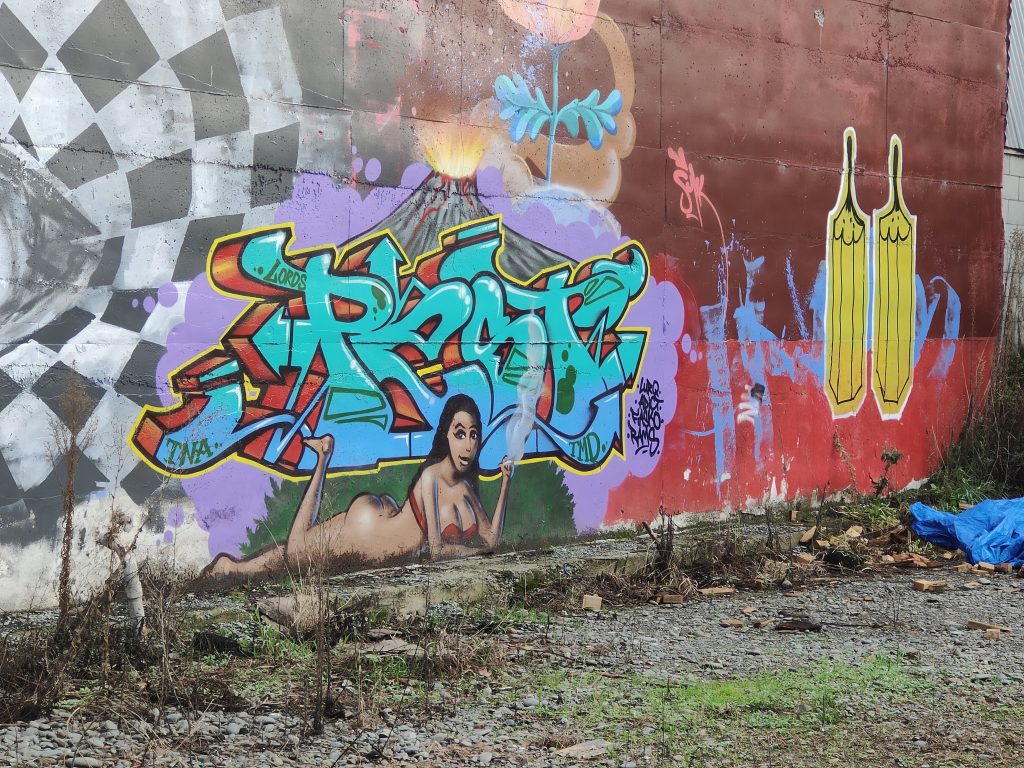
PEST5 in Lyttelton
teethlikescrewdrivers collab with k421666
teethlikescrewdrivers and Bloom n Grow Gal get amongst it
teethlikescrewdrivers, Cape of Storms and more…
teethlikescrewdrivers and Gary Silipa make a perfect combo
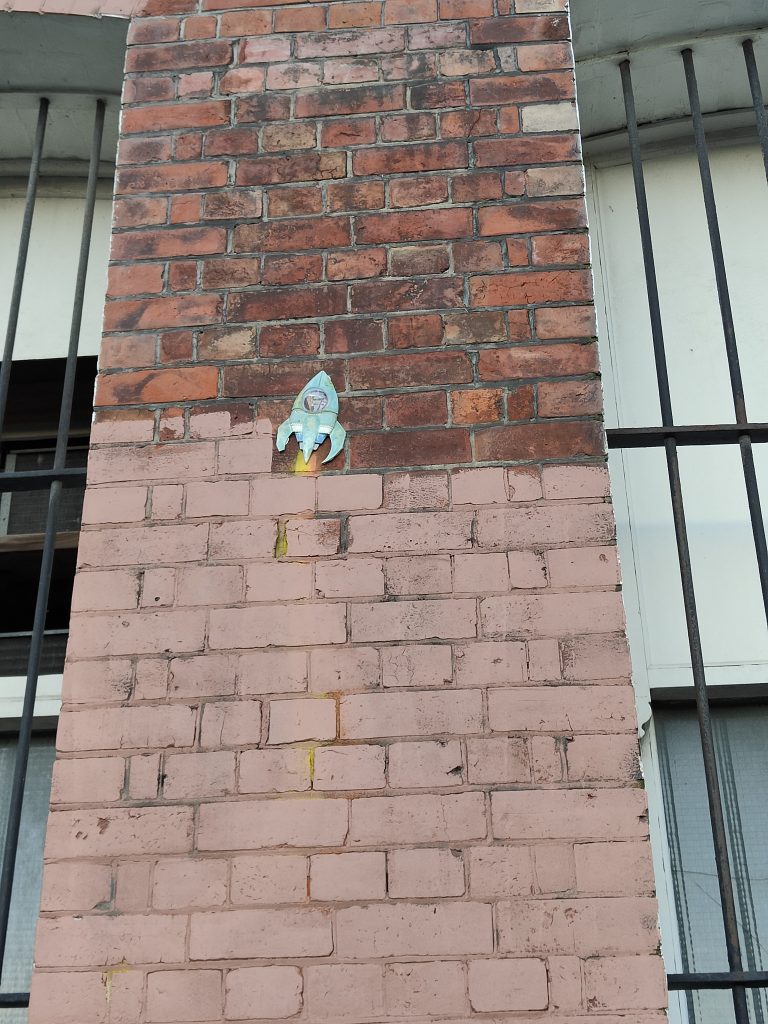
Cheros One takes off
And then gets chased by the buff…
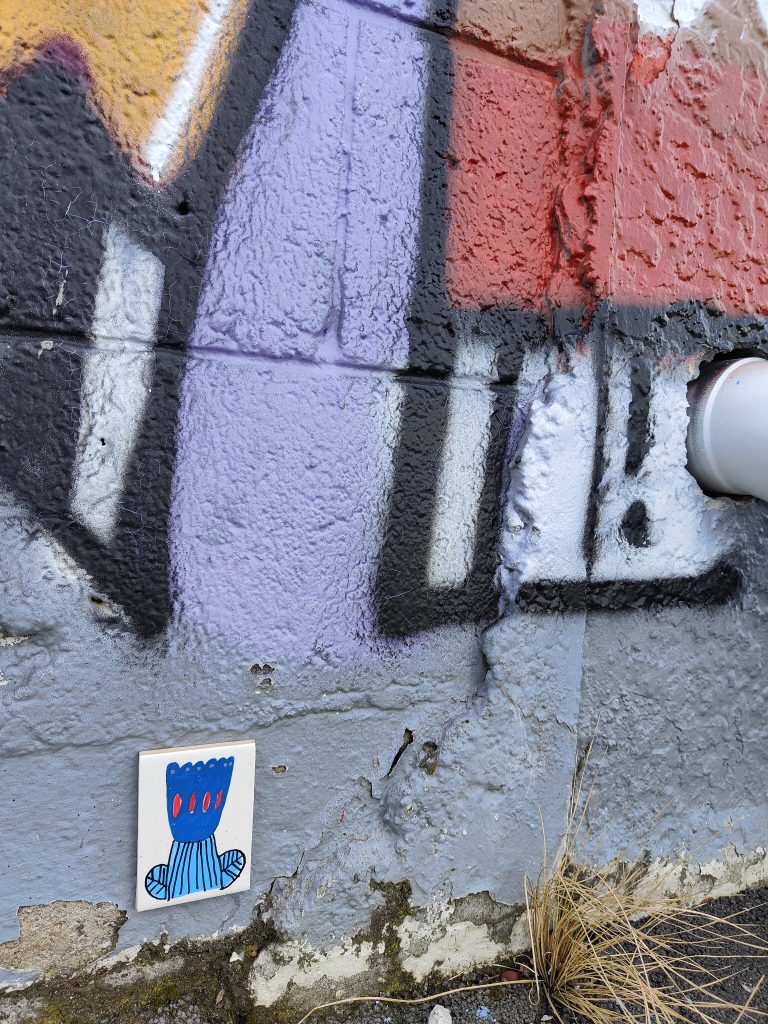
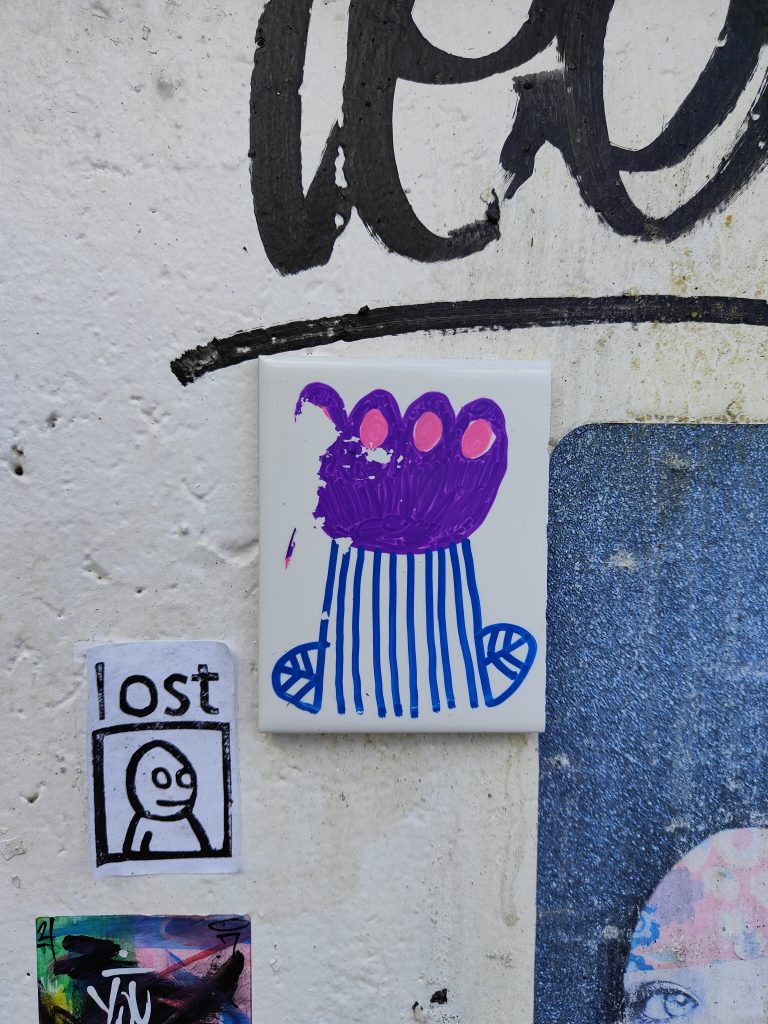
Bloom n Grow Gal goes tiny…
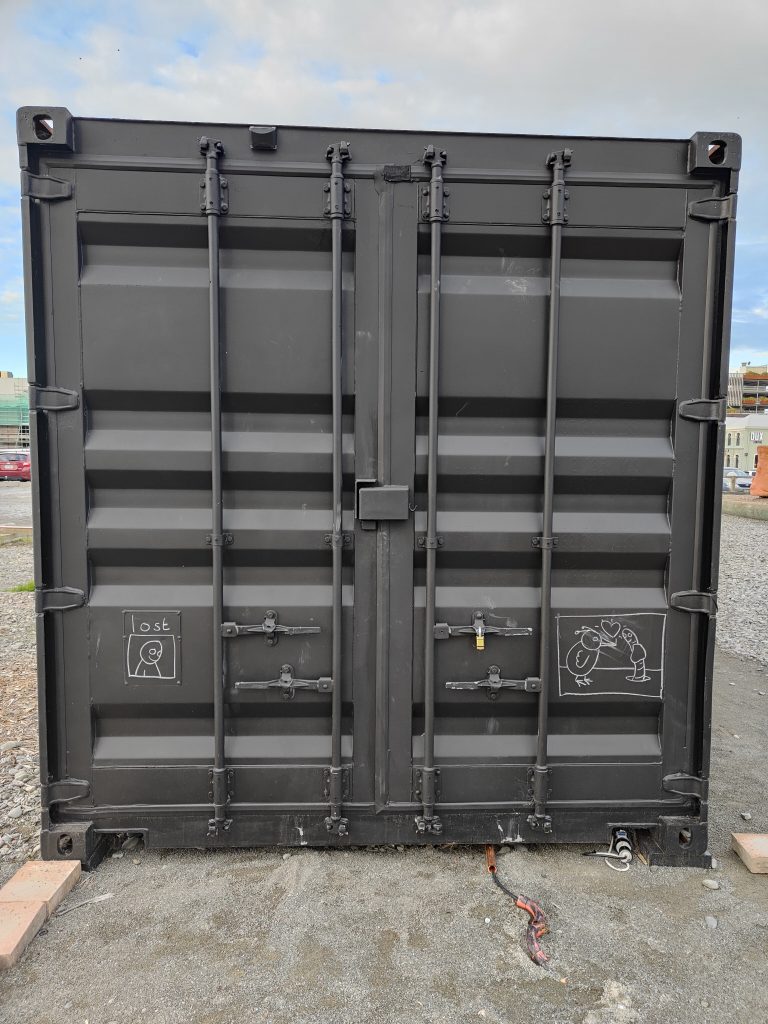
Bloom n Grow Gal and Lost Boy, who goes even smaller…
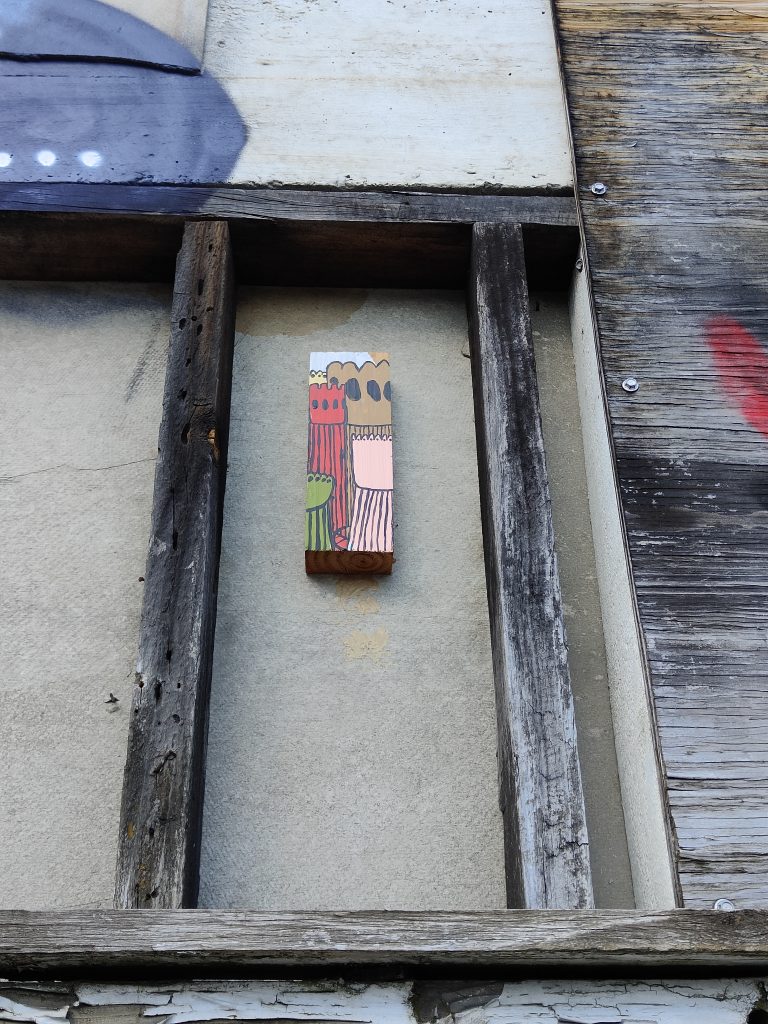
BGG also explores new media with these wooden block pieces
Bloom n Grow Gal shares some thoughts…
… and some more
Bloom n Grow Gal also served as a reminder of our lock down needs
and some emotional support.
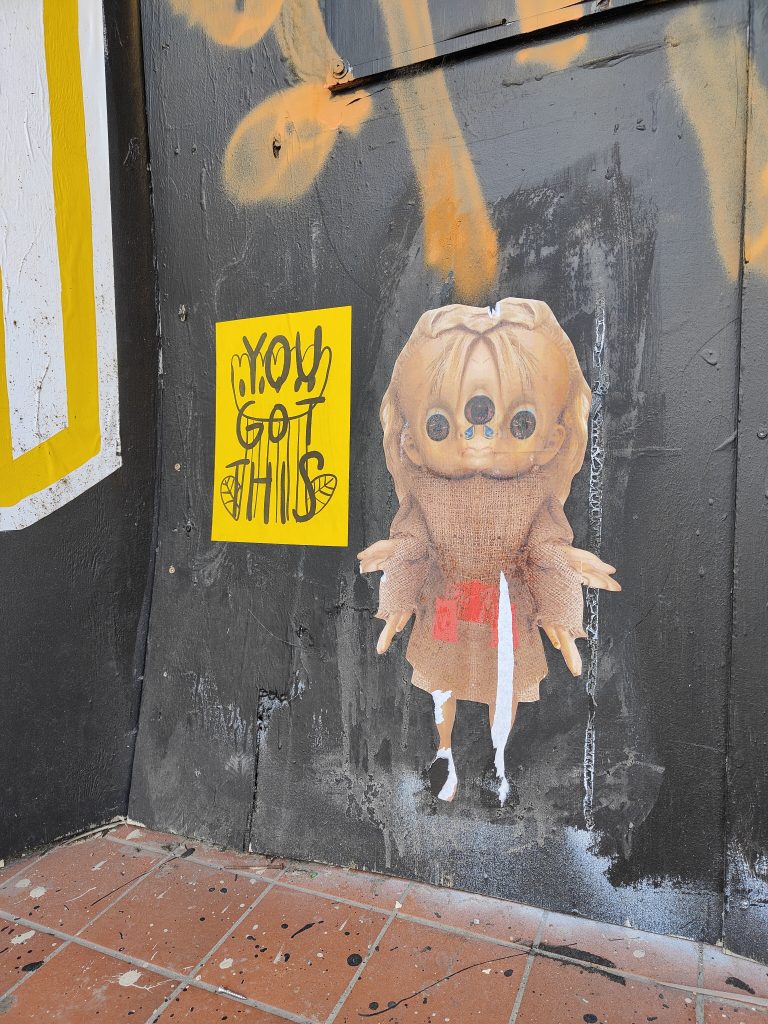
Bloom n Grow Gal and Mark Catley’s Three-Eyed Freaky Girl
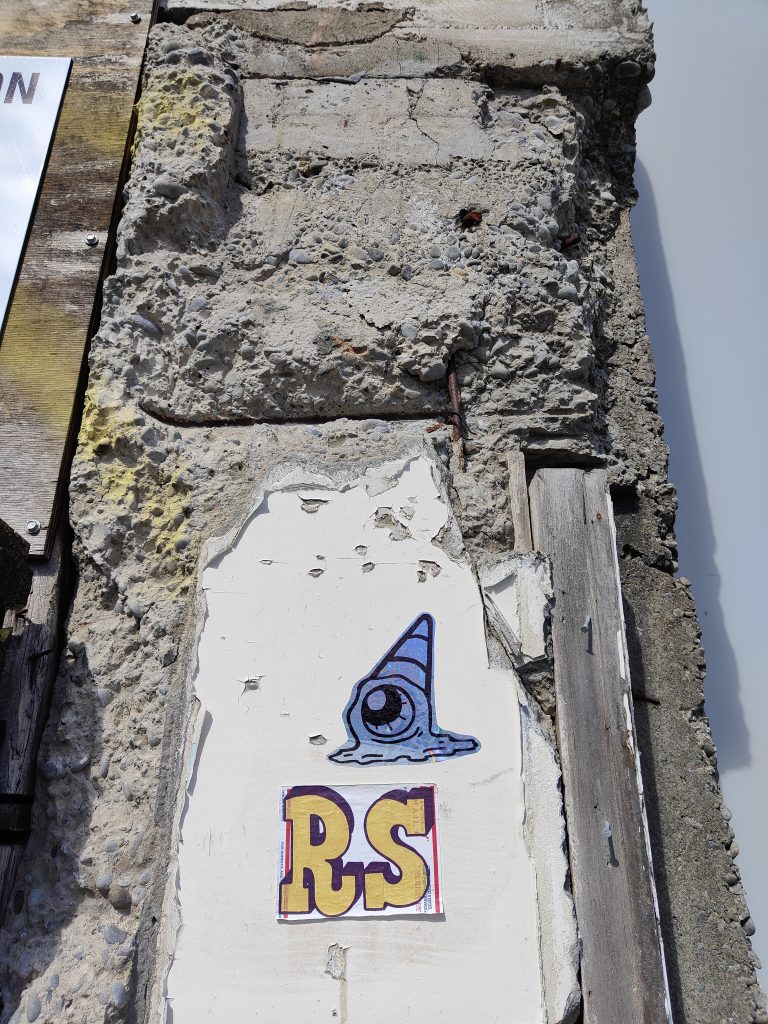
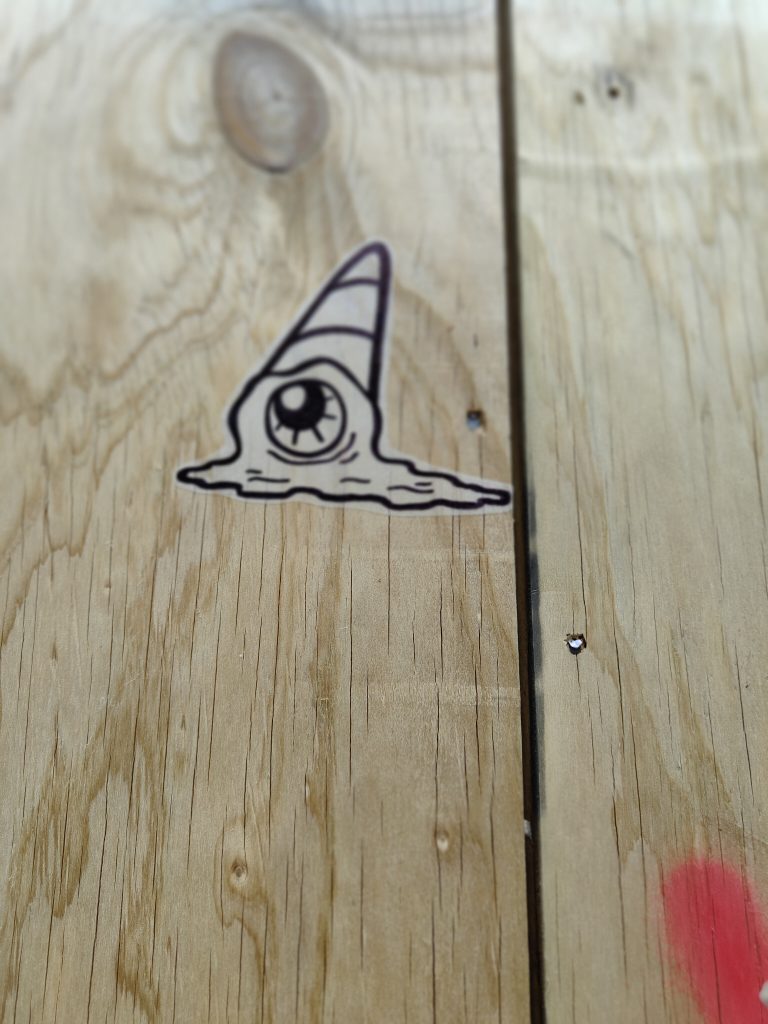
Eye Scream gets melty
Not sure of the artist, but it’s great…
Subtlety sometimes works best.
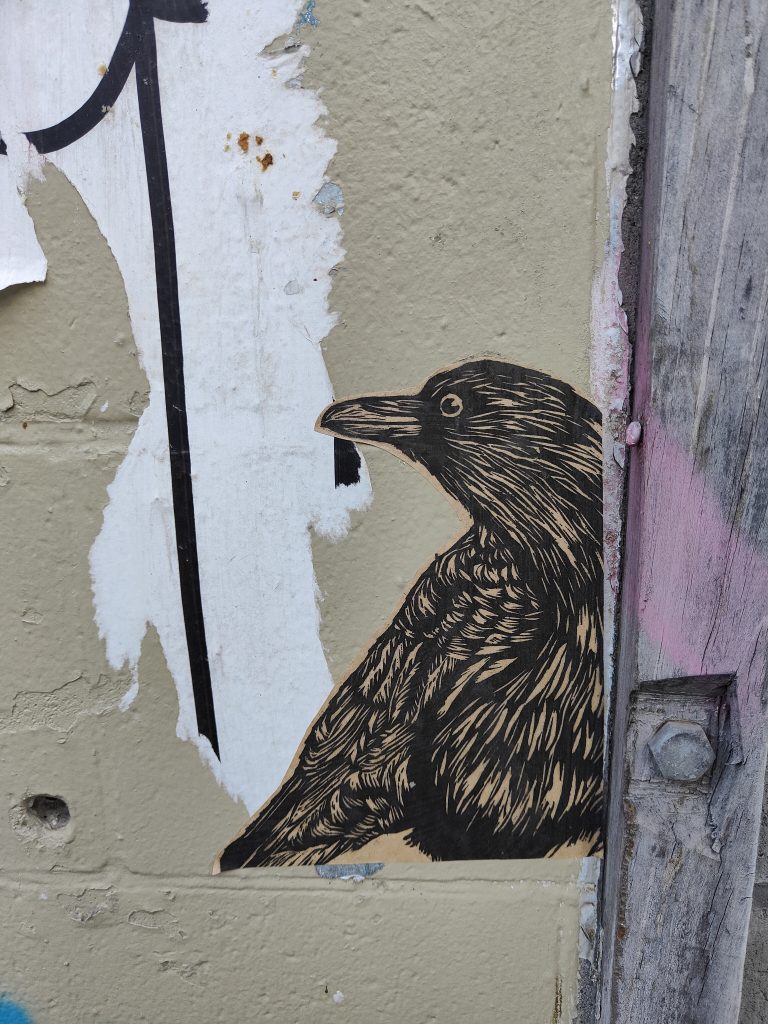
Salsa Stark’s birds are beautiful and beguiling
Lost Boy’s illustrations are a combination of absurd, mundane and lovely, a perfect mix…
Lost Boy
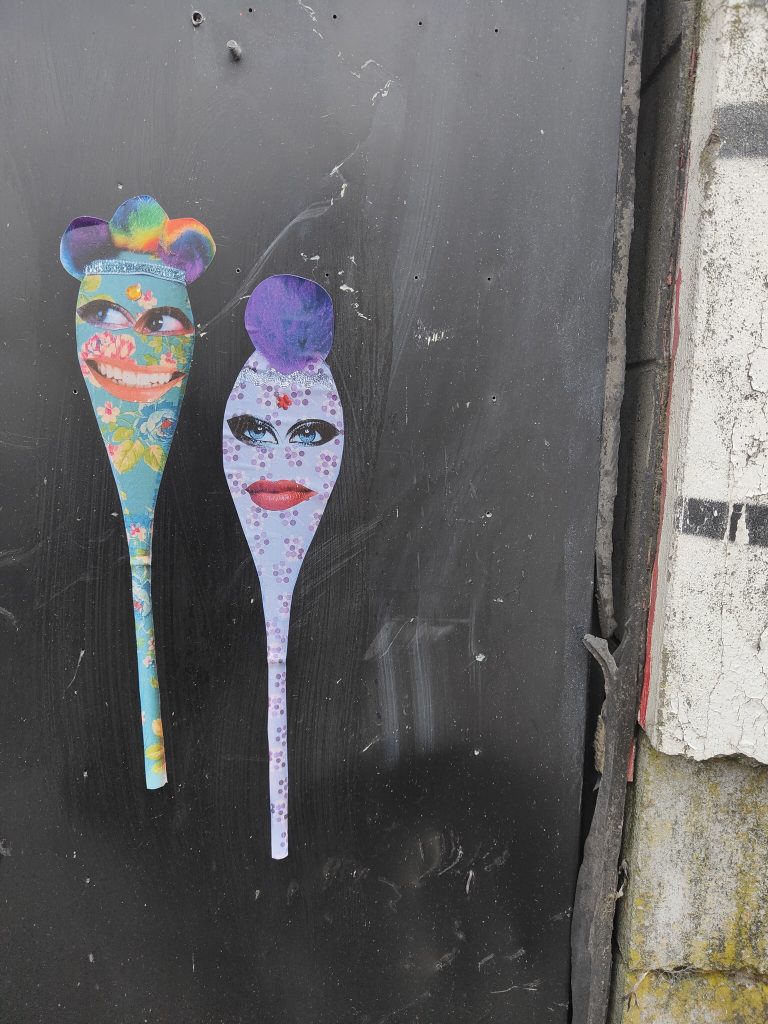
Vez’s spoon gang looks to be up to trouble (I can also totally imagine these guys as characters in Noel Fielding’s Luxury Comedy)
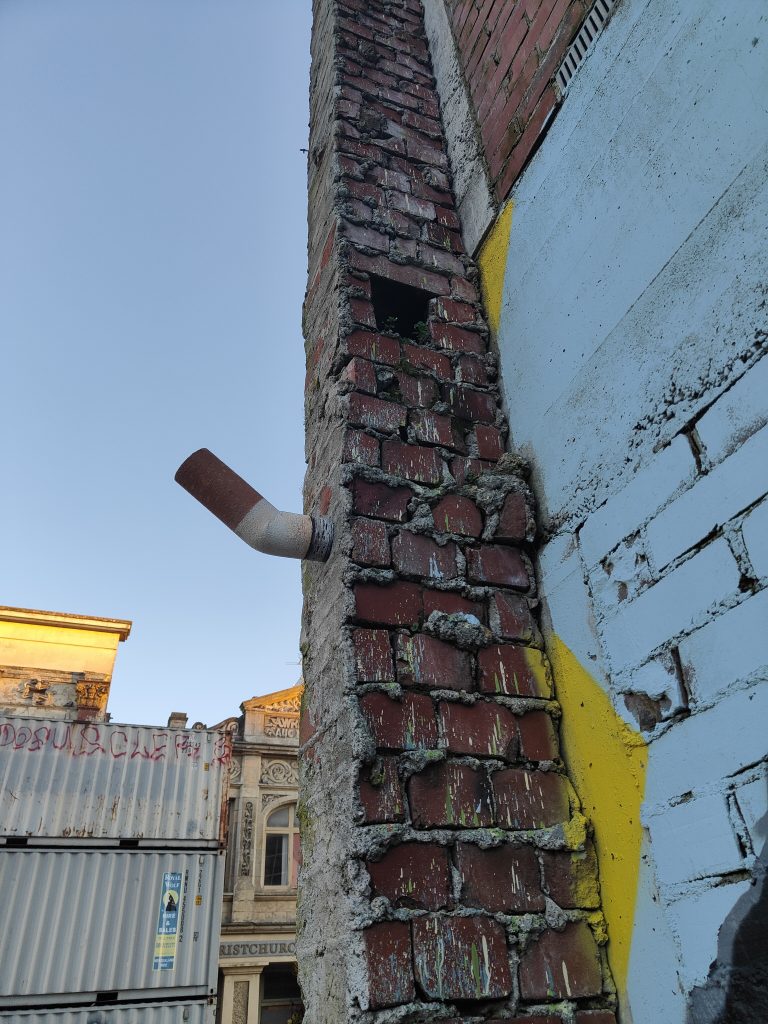
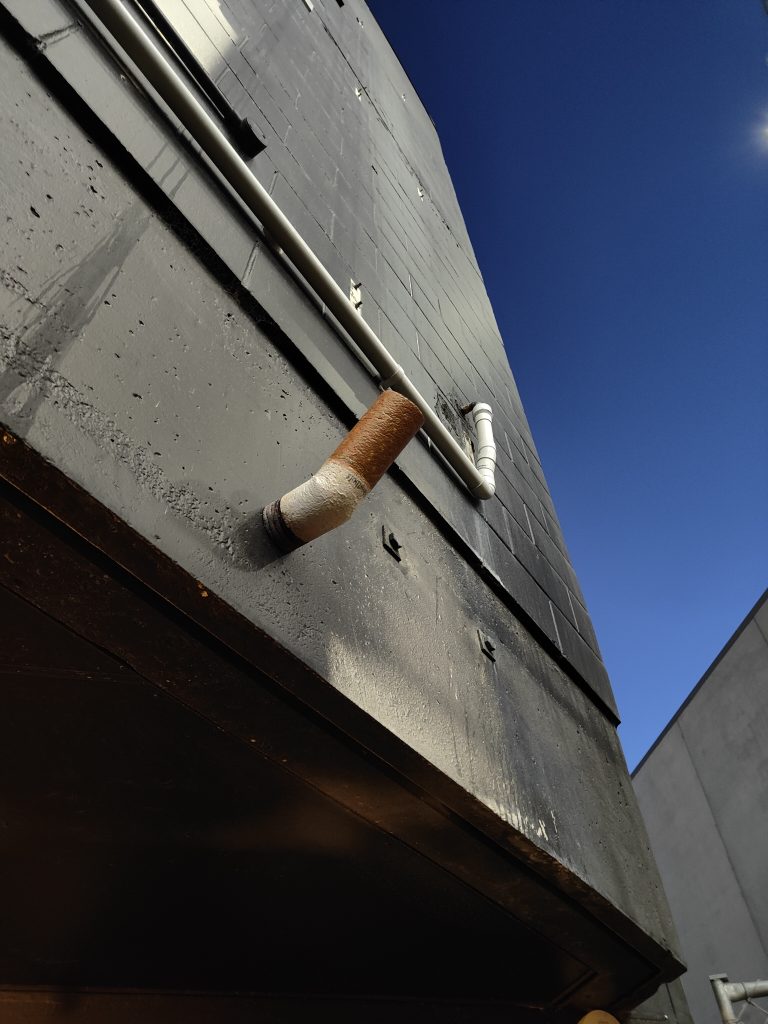
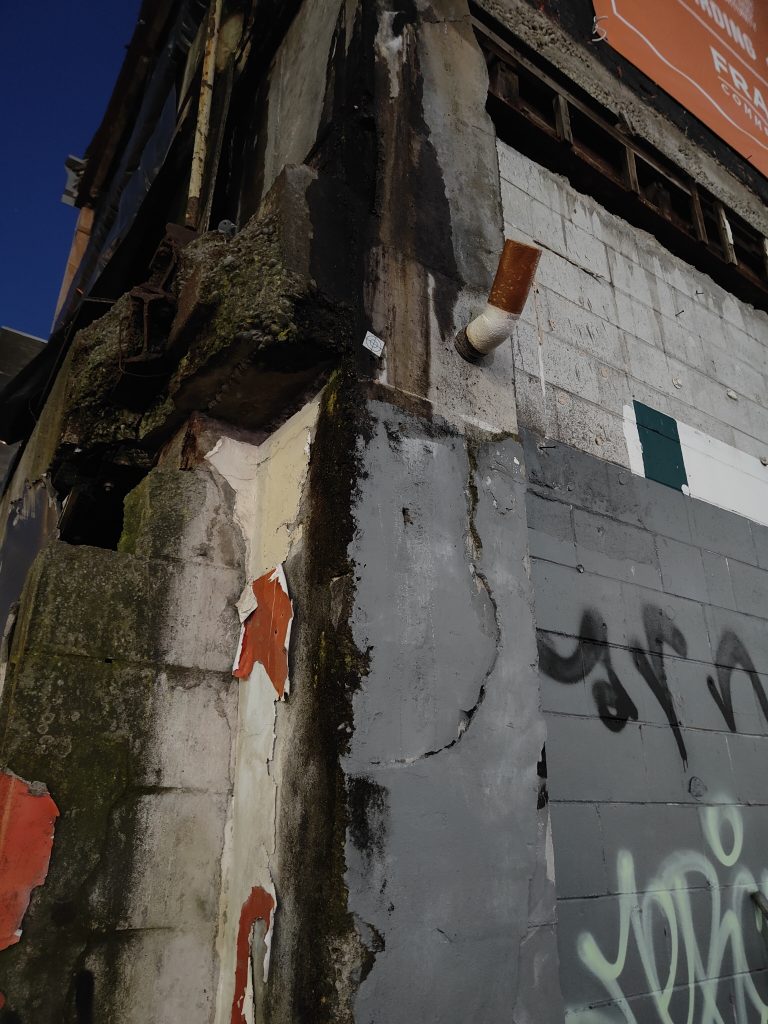
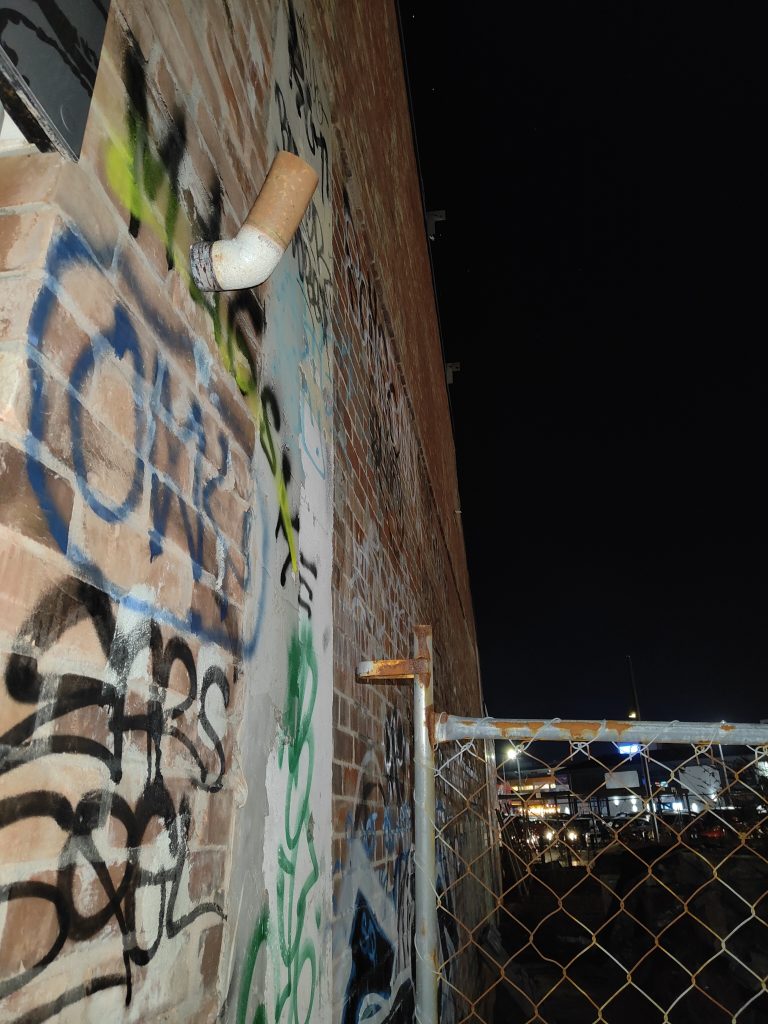
Ghostcat and Bols installed these city ciggies, they didn’t last long, but that’s kind of the point…
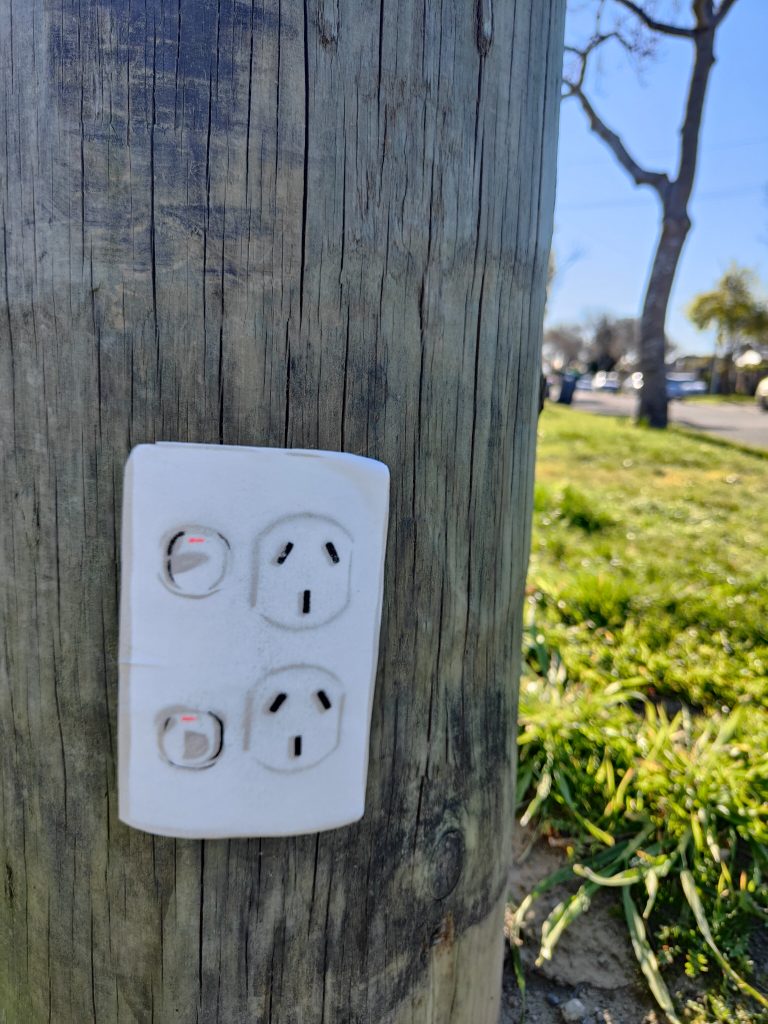
Bols plugs in
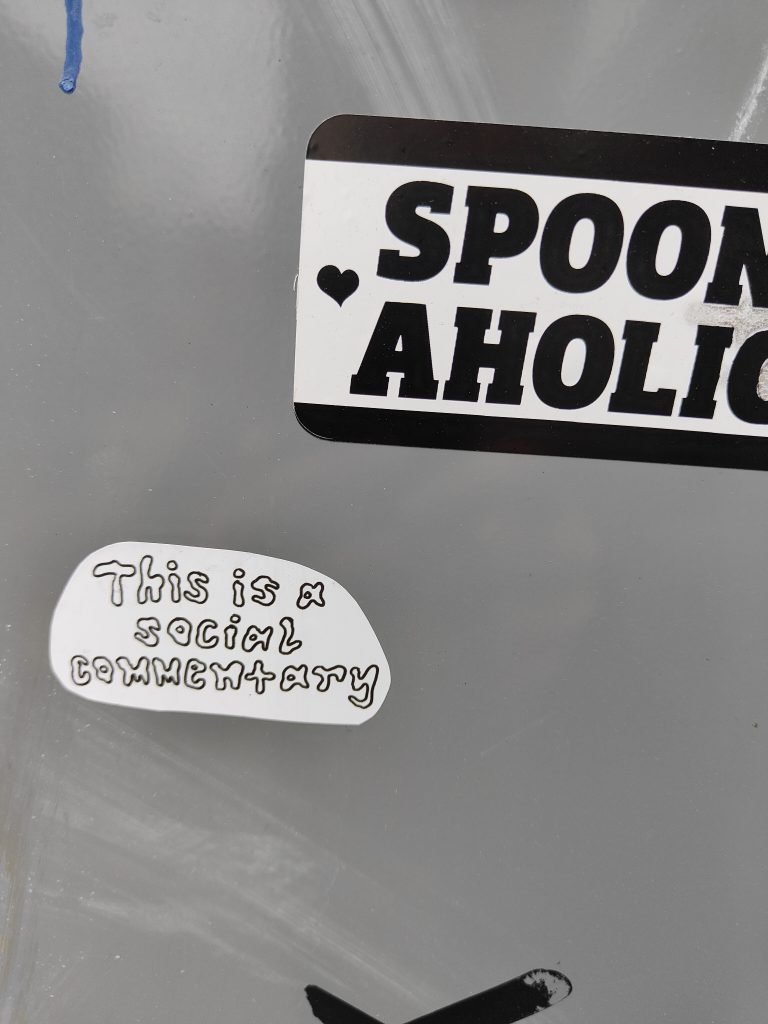
This is a social commentary
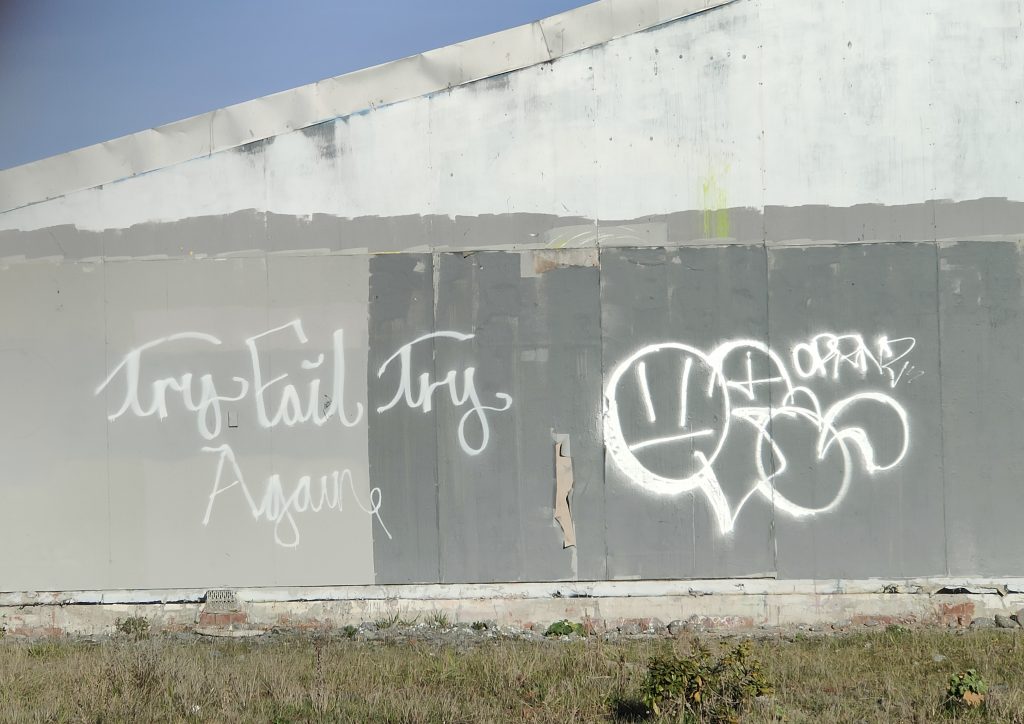
Try, Fail, Try Again, good advice (possibly from Rough City)
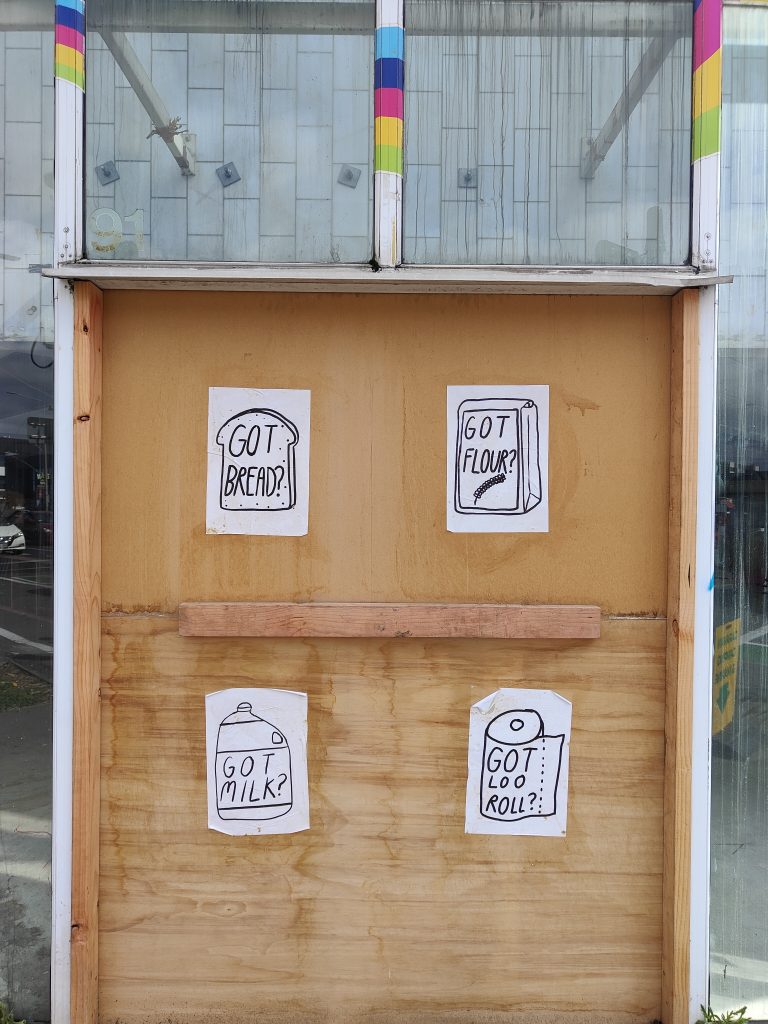
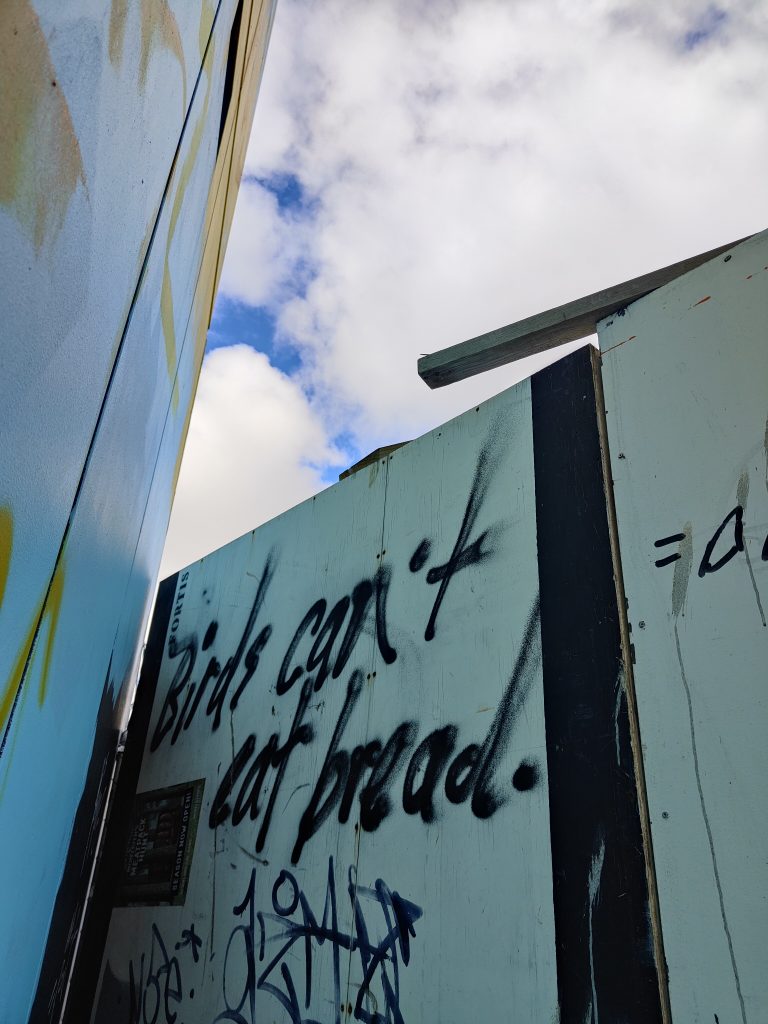
Birds can’t eat bread. More good advice.
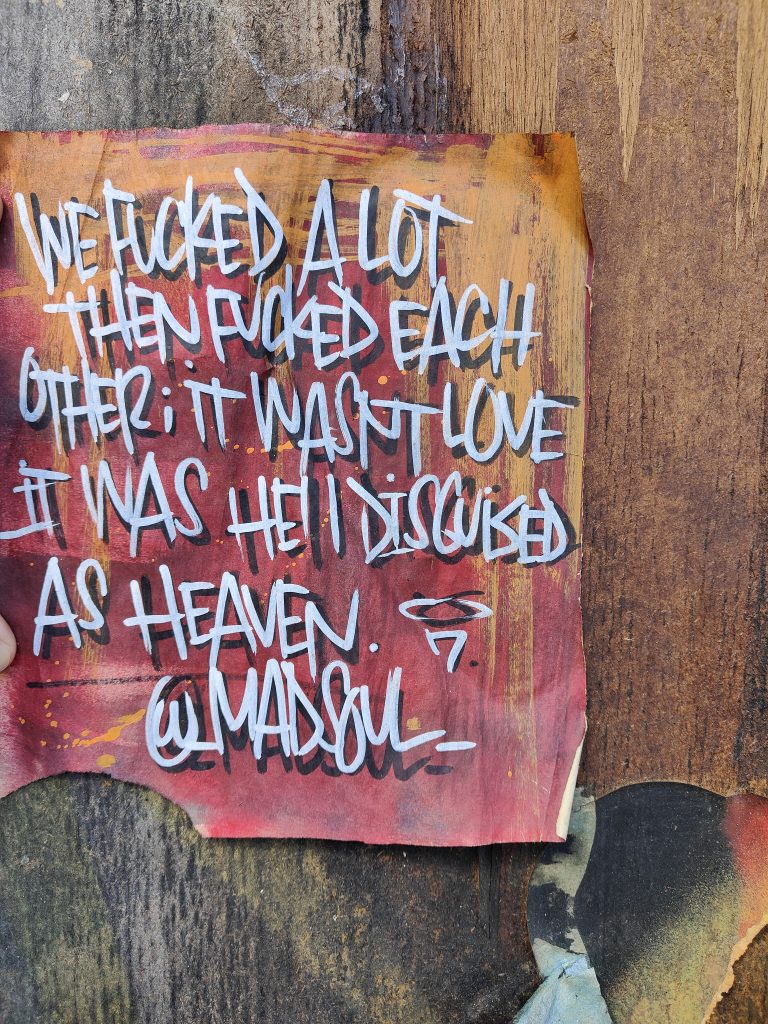
MadSoul waxes poetic.
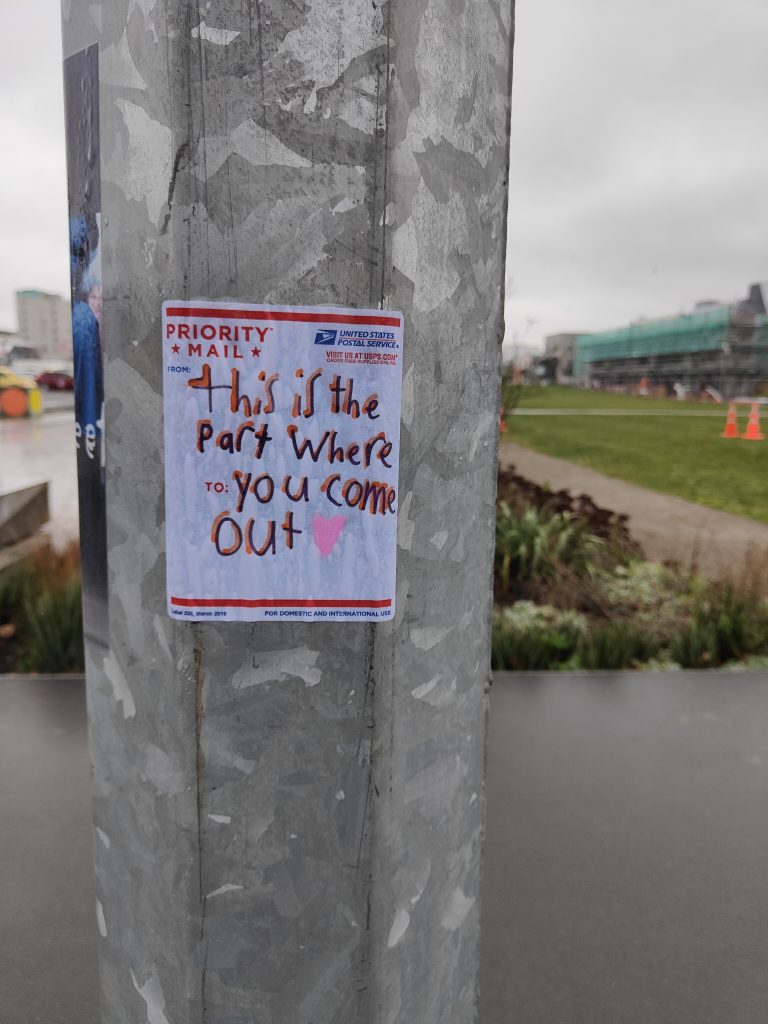
This is the part where you come out.
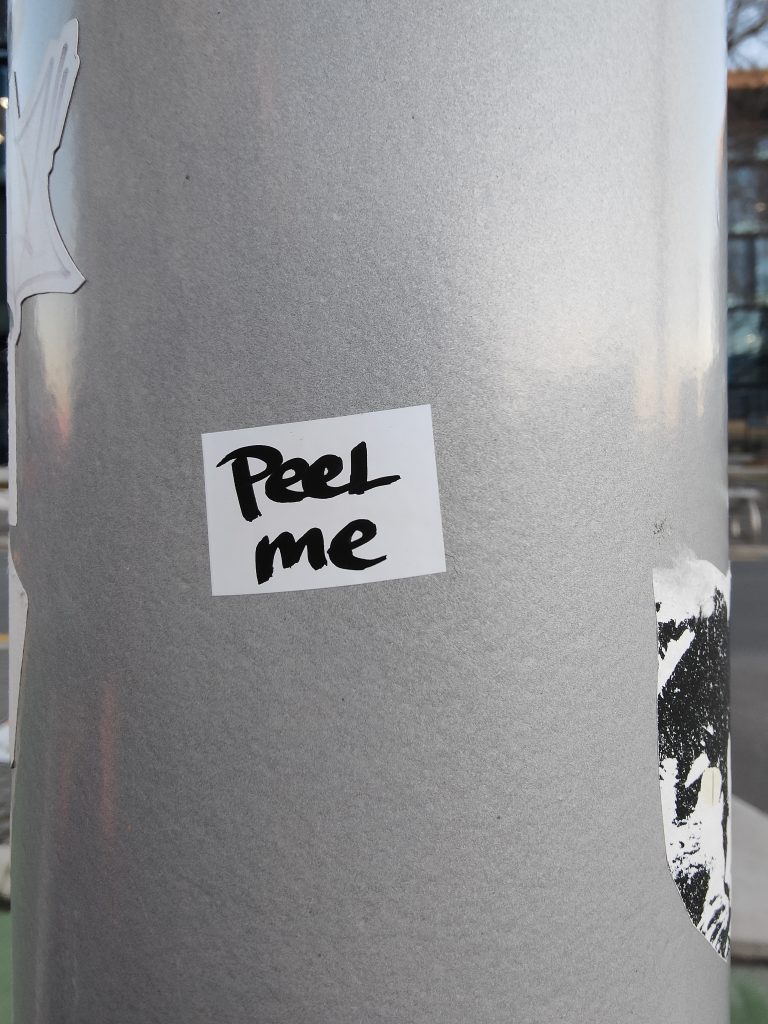
Peel me. Seems obvious.
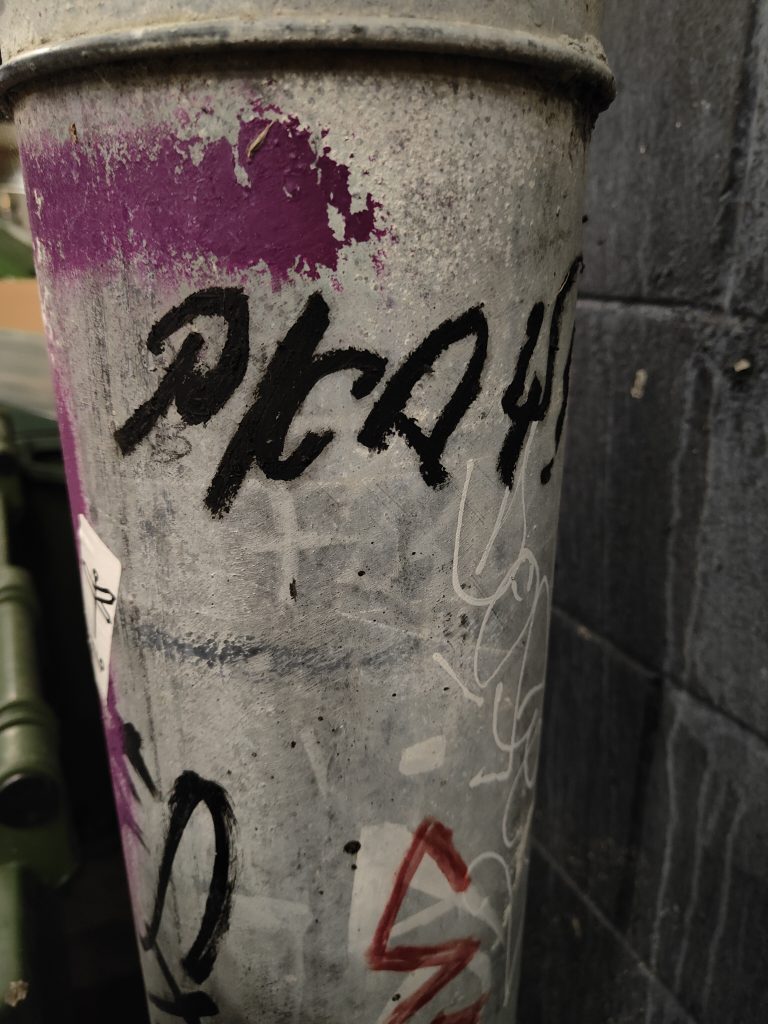
PKAY goes greasy
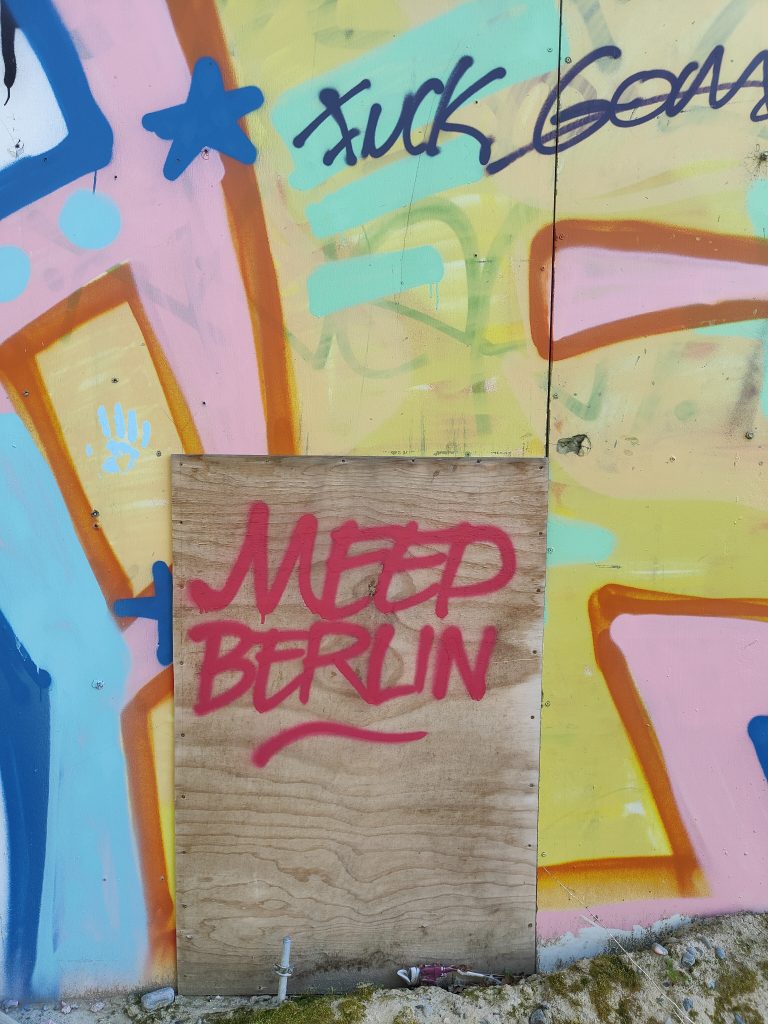
while MEEP and BERLIN are nice and tidy.
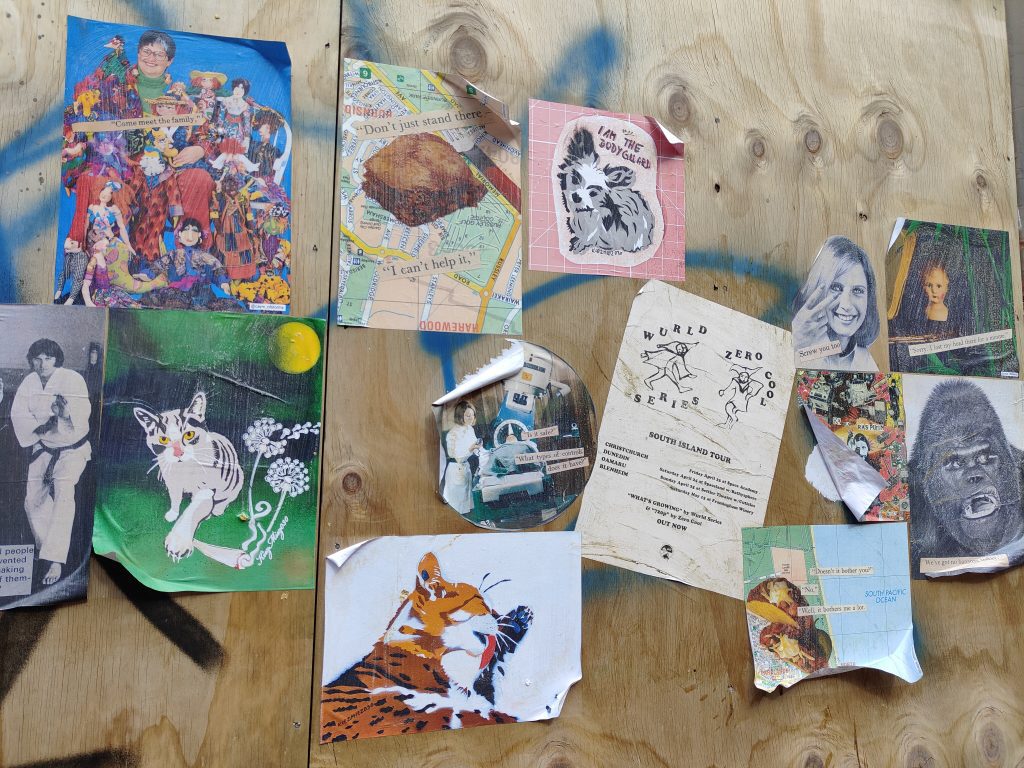
Central city paste-ups by members of the Slap City collective and their international compadres
Cape of Storms always finds the retro goodness.
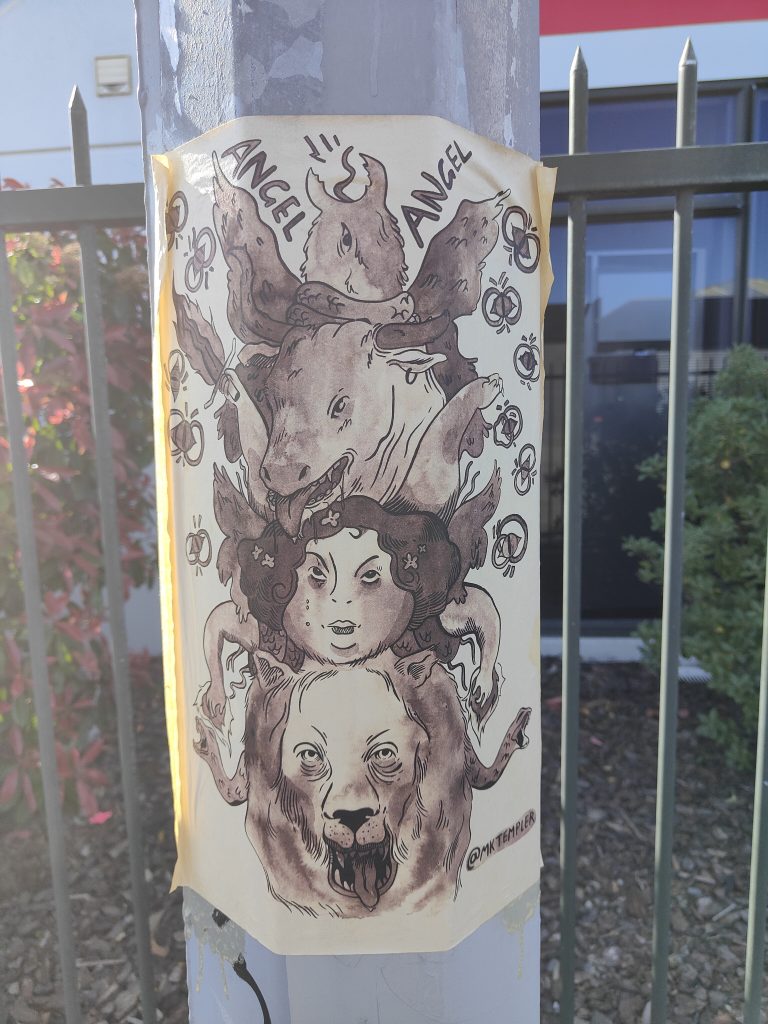
Angel by MK Templer has a lovely vintage vibe…
While this door way just exudes everything we love about the overlooked parts of the city.
The buff, while not as nice, can sometimes still be an interesting thing to spot.
SADER votes YES in Burwood.
Stay tuned for more Street Treats soon!
If you have any corrections for the credits above, let us know in the comments!
They say good things take time, and this edition of And That Was… is cutting it fine! It has been a busy few weeks with lots happening and as such it seemed like the months have melded into one. But when looking back over images from the month of May, it was quickly apparent that those four weeks had their own flavour, a flood of memories came rushing back…
For this recap, we run back some our favourite paste ups, wall paintings, slaps, shows and even a doorway! We have largely stuck to urban art this month, temporarily returning to our formative roots, but that doesn’t mean we have forgotten the fact that all of these things are also entangled with our broader experiences of Otautahi’s central city, and in particular the food, the bars, the music, the people and all the vibrant things on offer. All of these things make up our urban culture and it is vital we celebrate and support these events, occurrences and interventions to keep our city lively!
So, after much delay, here is your And That Was… for May 2021…
Gary Silipa’s UFO Slaps…
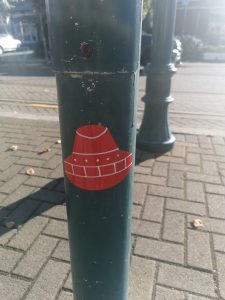
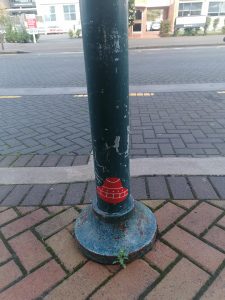
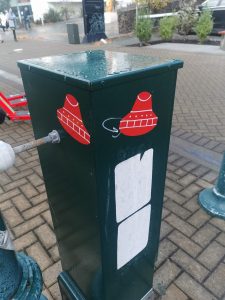
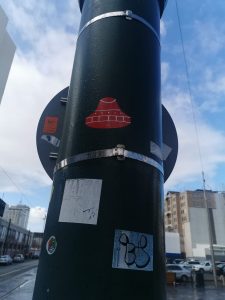
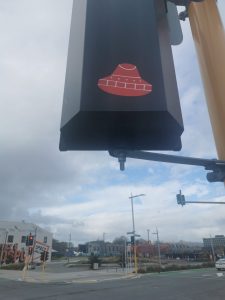
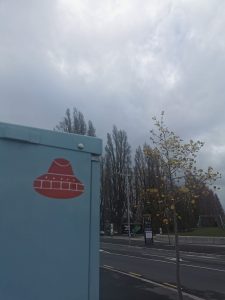
I have been a fan of Gary Silipa‘s work and simplified iconography for years, especially his skulls and spaceships, which I found all over Wellington’s streets on a trip to the capital in April. The orbiting red UFO’s then appeared here in Christchurch in May, a legacy of the artist’s brief trip here. The ubiquitous presence in spaces high and low suggest the idea of exploration and observation, our strange contemporary customs intriguing to these small visitors…
Mark Catley’s Ascending Freak Angel
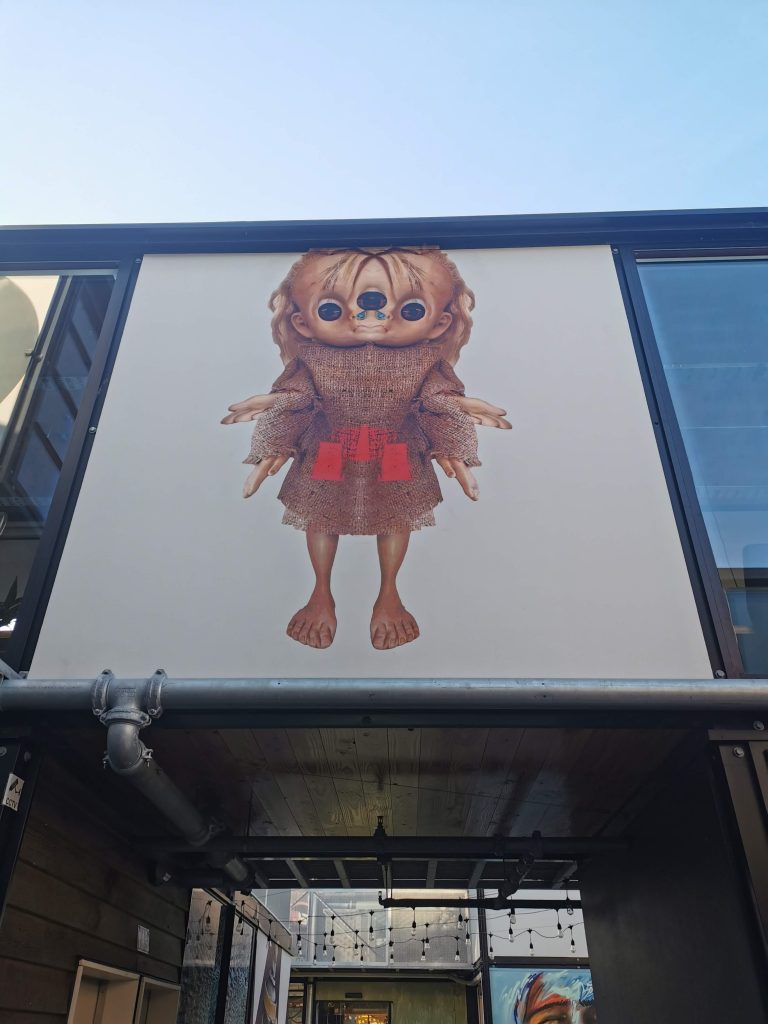
Mark Catley added a couple of fresh paste ups to the Boxed Quarter‘s ever-expanding collection of urban art. Taking his poor sack girl toy (pasted on Manchester Street) and twisting the image into a strange new appearance, the girl becomes a three-eyed ‘freak angel’ as the artist described, her outstretched hand now seemingly elevating her into the sky. Lit by a coincidental spot light, the seemingly celestial being is a trippy sight!
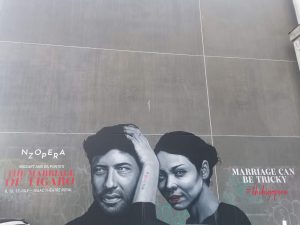
Jessie Rawcliffe’s Marriage of Figaro Mural
Jessie Rawcliffe‘s mural for the NZ Opera’s production of The Marriage of Figaro (which will be staged at the Isaac Theatre Royal here in Christchurch as part of a national run) was completed in May, with the artist’s stunning dry brush style giving the piece a stunning beauty against the smartly used graffiti-ed wall on which it was painted.
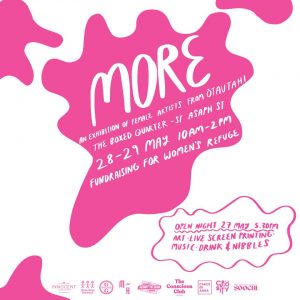
More: The Show
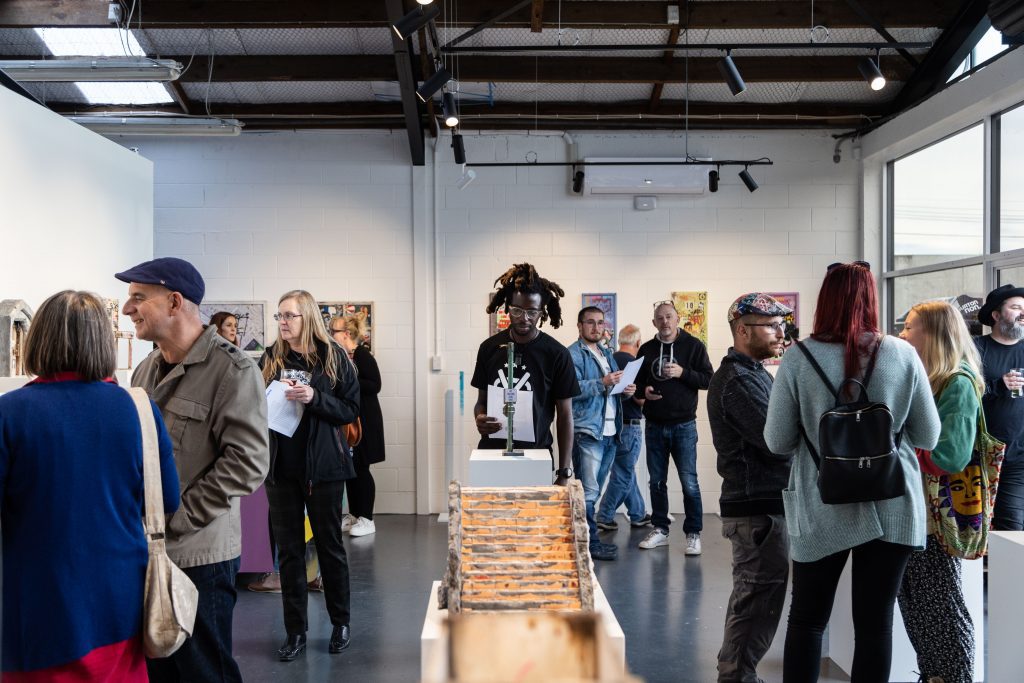
Back to the Boxed Quarter for More: The Show, an exhibition and event featuring talented Otautahi wahine artists. With a slew of our favourites and some new talent to explore (such as Sofiya Romanenko, who recently produced a beautiful photo essay for us), the show was a convergence of amazing talent and featuring a range of activity – unfortunately we forgot to take quality pictures! It was a one-weekend show so you had to be in quick!
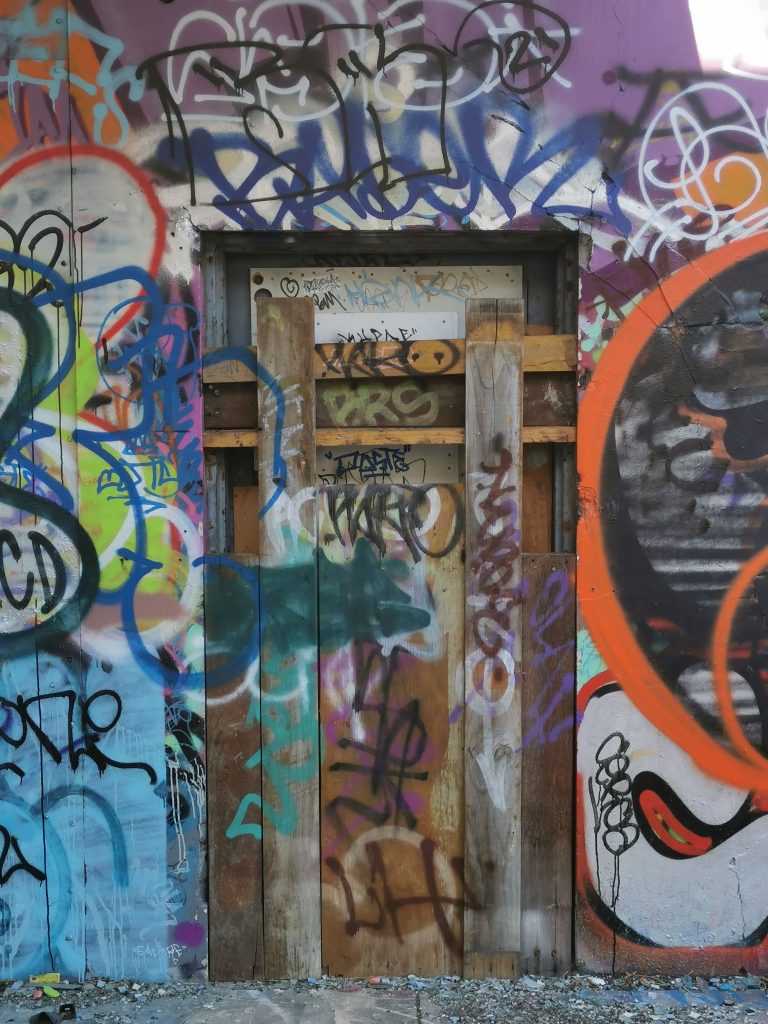
Our favourite doorway…
Last, but definitely not least, we just had to include this doorway. OK, so it technically isn’t something that ‘happened’ in May, but we took this photo then, so it counts! Just look at it, it is a thing of beauty and couldn’t be left out!
Let us know what would make you list in the comments and if you know someone who would be a great guest writer for And That Was… – drop you suggestions there too!
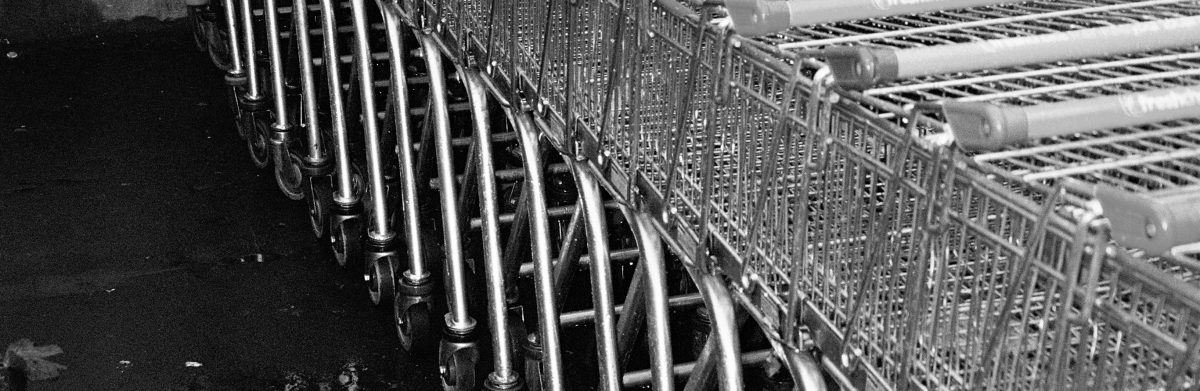
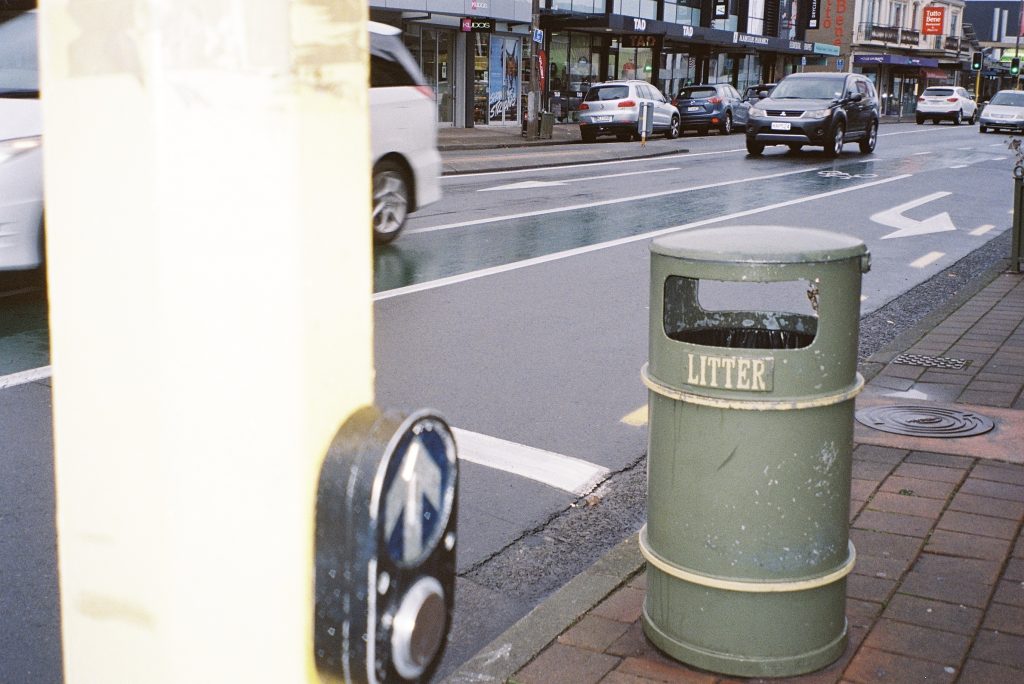
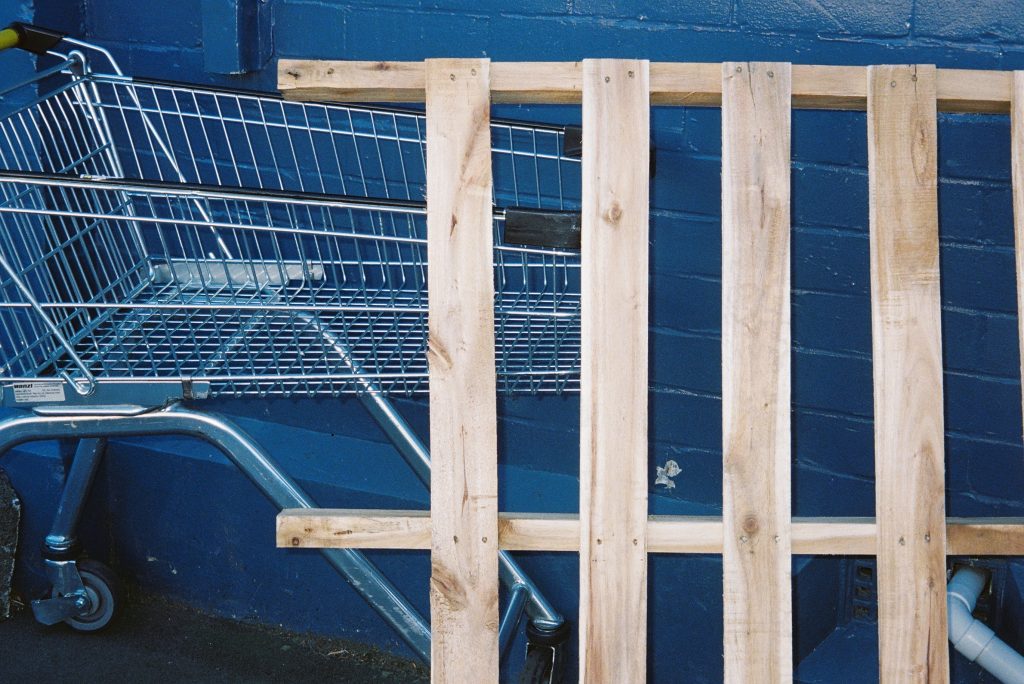
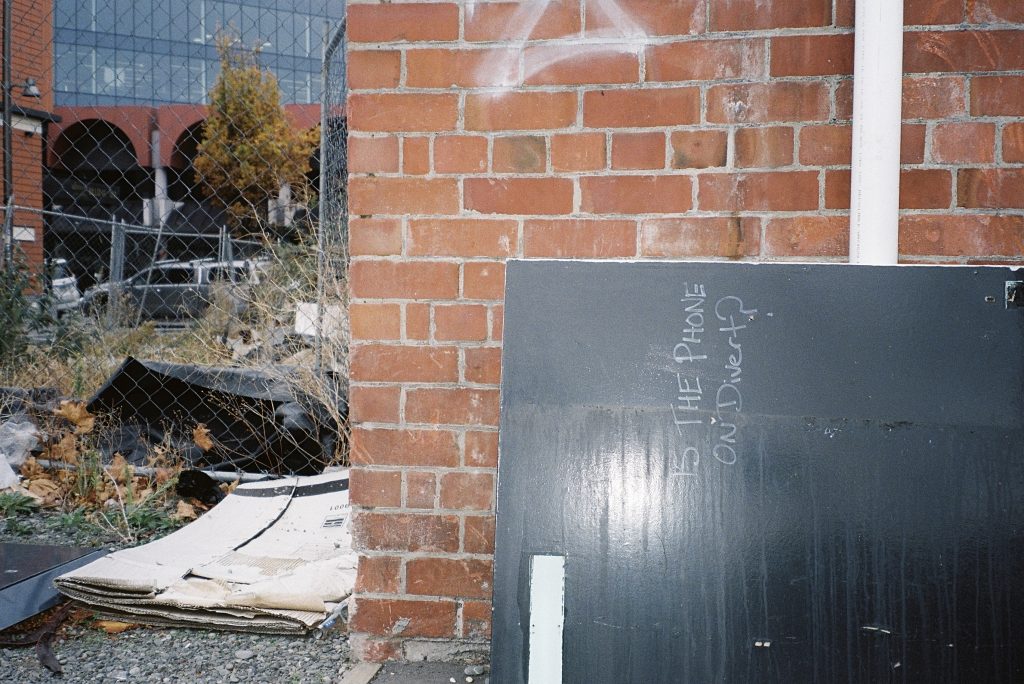
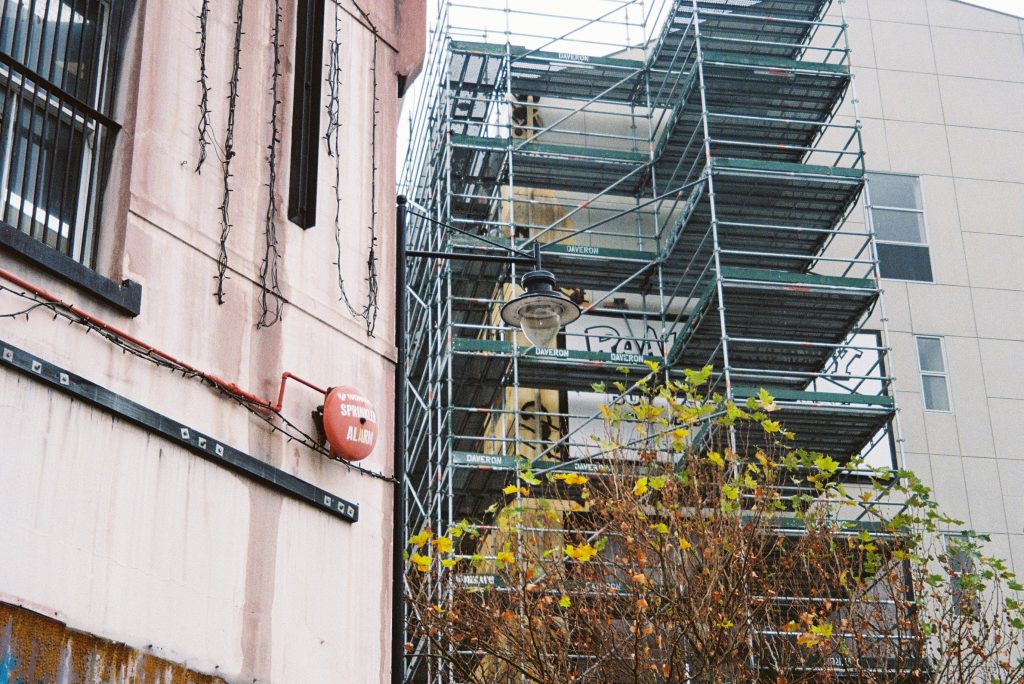
I first came across Sofiya Romanenko’s photography at the exhibition More – The Show, a group show of local female artists held at the Boxed Quarter. I was immediately struck by her recognition of the beauty found in the urban mundane; a bundle of stacked shopping trolleys forming a striking geometric huddle with horizontal and vertical lines transforming the everyday and overlooked into an object of interest. Having moved to Ōtautahi Christchurch from Moscow, Russia, Sofiya’s photographs are not simply a record of a universal urbanity, but a process of coming to know one’s surroundings, grappling with the unknown and jarring elements of a city that is constantly shifting as it sets about re-asserting its identity. The Diaries of the Mundane display an undefined poignancy, still moments of reflective observation, we stand on the threshold, looking in and yet a step away…
The Diaries of the Mundane
I moved to Christchurch from Moscow, Russia almost five years ago, but until very recently our relationship could be described with a very specific image of a curtsy nod, accompanied by an awkward tight-lipped smile that strangers here give each other upon accidentally locking eyes in a public setting. Not that I knew Moscow any better, but that’s simply because I was acquainted with it just enough to not want to delve any deeper. Christchurch though – it has proved a whole other story.
It’s taken me a while to “get it”. To embrace the unsightly, the uncomfortable, the ugly. To recognize the potential behind each broken window, rusty fence, deformed road cone. To take in the rugged textures, clashing colours, confronting details. To finally start relating to it all. It happened at a time of great uncertainty in my life, when lone walks through dingy alleyways and railway tracks became a mental escape from the dreaded shadow of the future, side-eyeing me from each corner and gnashing its teeth in anticipation of swallowing me whole. It was around the same time I started revisiting my old hobbies, trying to reconnect with the “self” I had seemingly lost somewhere along the way of springing into adulthood, and a long-forgotten but quickly remembered skill in film photography came about as the perfect accompaniment to my wandering antics.
Christchurch and I still have a long way to go – for instance, I can’t learn its layout to save my life. But we get closer each time I capture yet another beautifully mundane part of its day-to-day as an ongoing diary of the city’s ever-changing nature. Eventually, all of what I photograph will disappear; replaced by shiny new malls, painted over for the sake of uniformity, gentrified to appease the upper class – all of it will be wiped out without a shred of doubt, the eyesores finally gone. But it will forever remain on film as a comforting reminder that nothing is ever truly gone as long as you’ve got some lonesome lunatics running around with old school cameras taking photos of literal trash.
To see more of Sofiya’s photography, follow her on Instagram: @chchasti
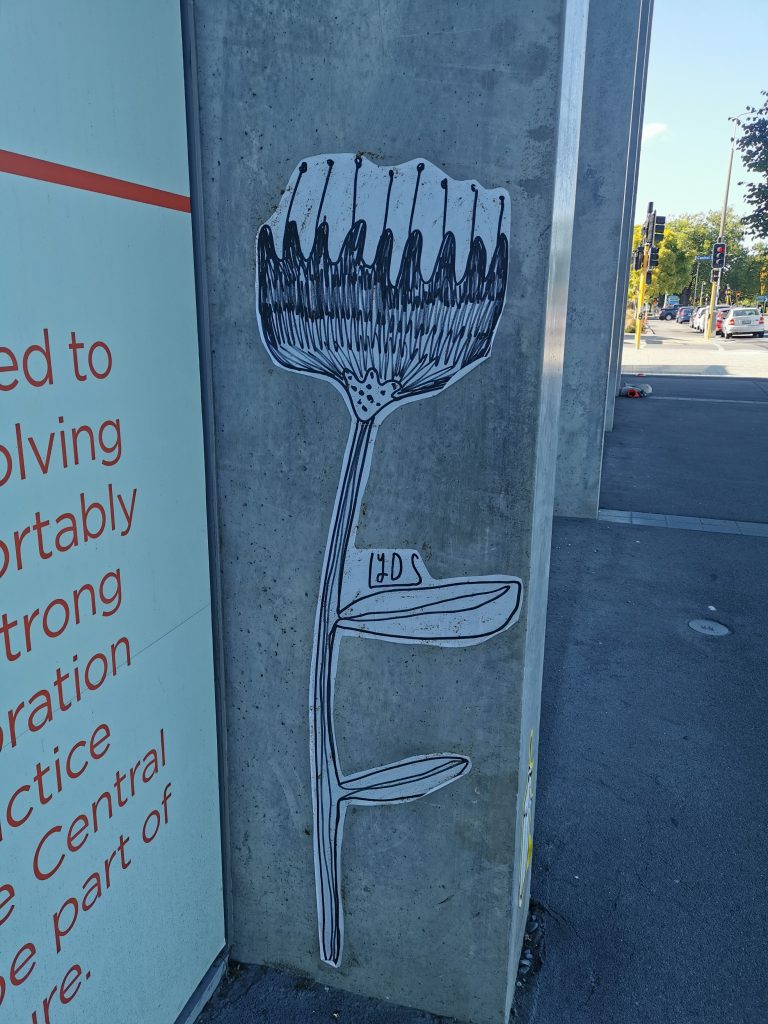
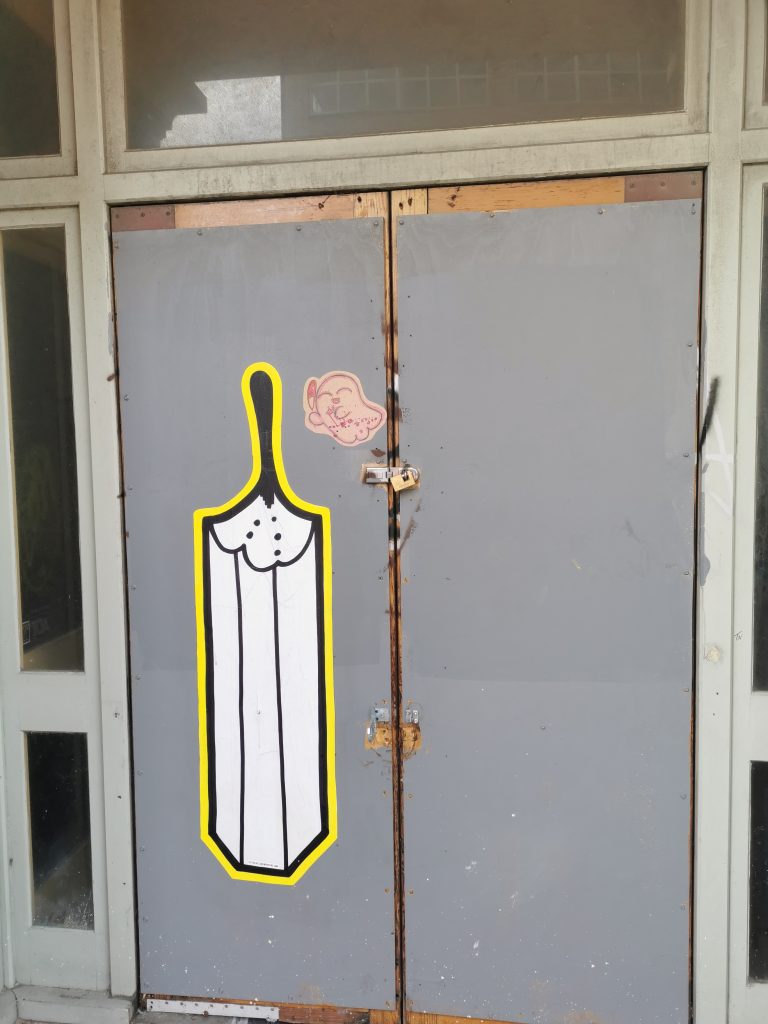
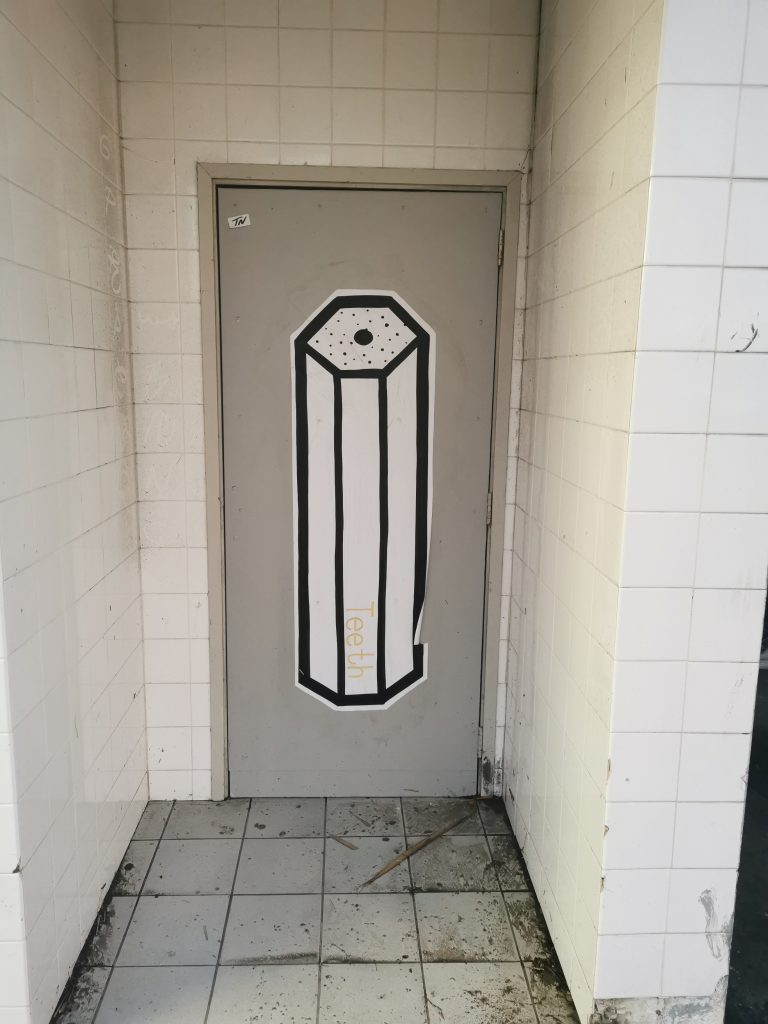
This edition of Street Treats is eclectic and varied, ranging from playful whimsy to blunt anti-establishment messaging. That ultimately is the beauty of guerrilla practice (or in the case of some of these works, permissioned but free from curatorial censorship), the opportunity to say what you want, how you want. As contemporary muralism has taken over the popular image of ‘street art’, it has also transformed the imagery and ideology deployed. While this still results in some pretty stunning works occupying our skylines and there are, admittedly, different levels of input and freedom, it is left to the smaller interventions to speak in an unfiltered voice. The content is not always explicitly political, but the act itself is, always. So whether it is a beautiful surreal flower sprouting from a concrete pillar, a constantly recurring pencil, playfully collaged scenarios, vibrant names or scrawled messages that question the colonial history of our city, look and listen, they are speaking to you and about us…
Lyds’ flowers are resplendent in their fantastical glory.
Teeth Like Screwdrivers knows the power of a splash of yellow, and it looks like Bexie Lady’s ghost does too…
While also recognising it can all be pointless.
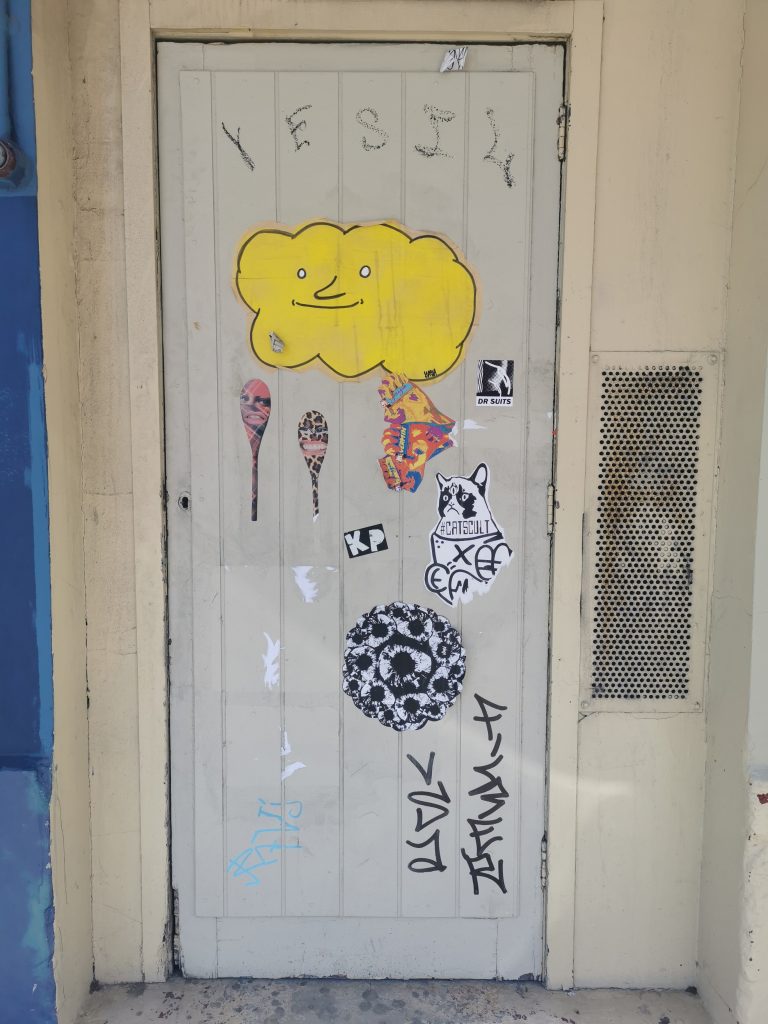
Spoons and clouds and cats and Doctors… A doorway brings everyone along – Vez, PK, Vesil, Catscult, Dr Suits and more…
Spyrit keeps it subtle.
Cape of Storms issues a warning.
MFC Lowt’s surreal collage’s poke fun at pretty much everything…
…including glam rock
Trailer park philosophy from Ray…
Thinking…
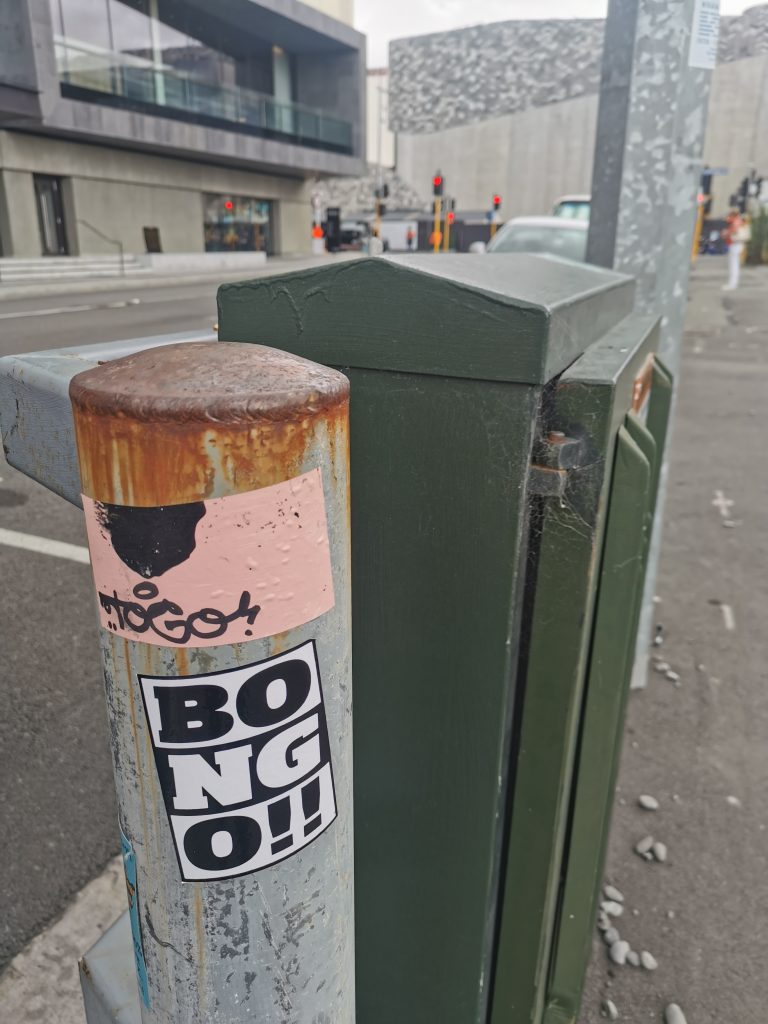
Togo and Bongo slaps
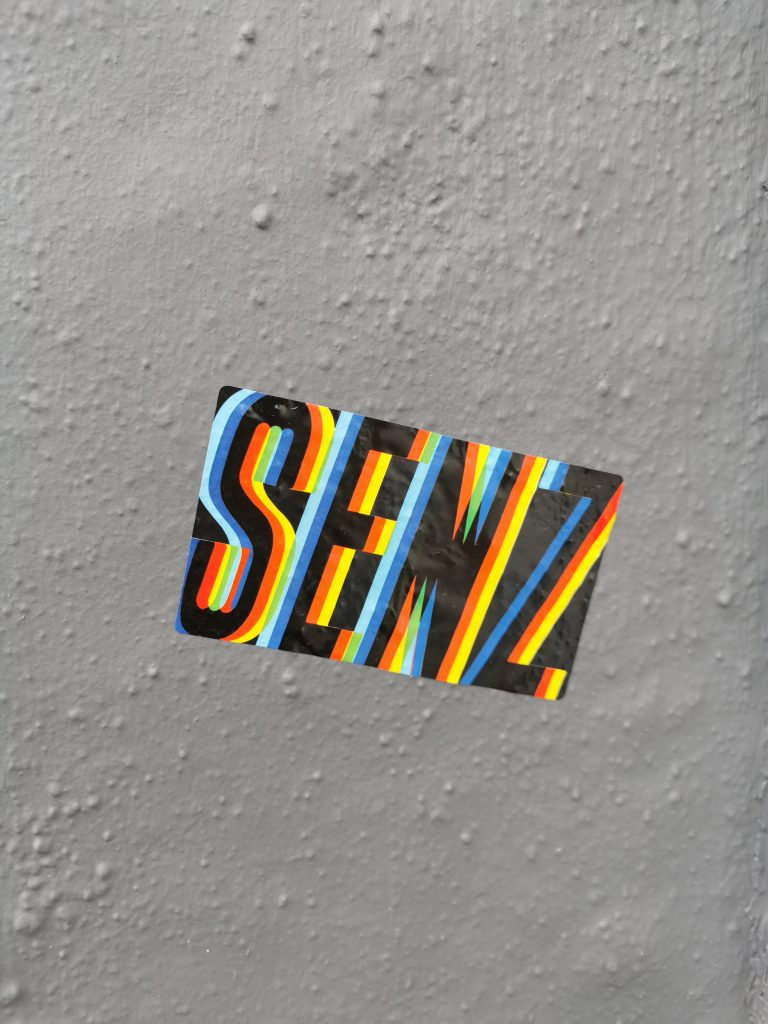
SENZ slaps are some of the best going…
You cannot stop what you cannot see…
AIMS along the Moorhous Ave tracks
A busy track is always a sight to behold…
Weks in Bromley where houses can be interesting…
Morks out country…
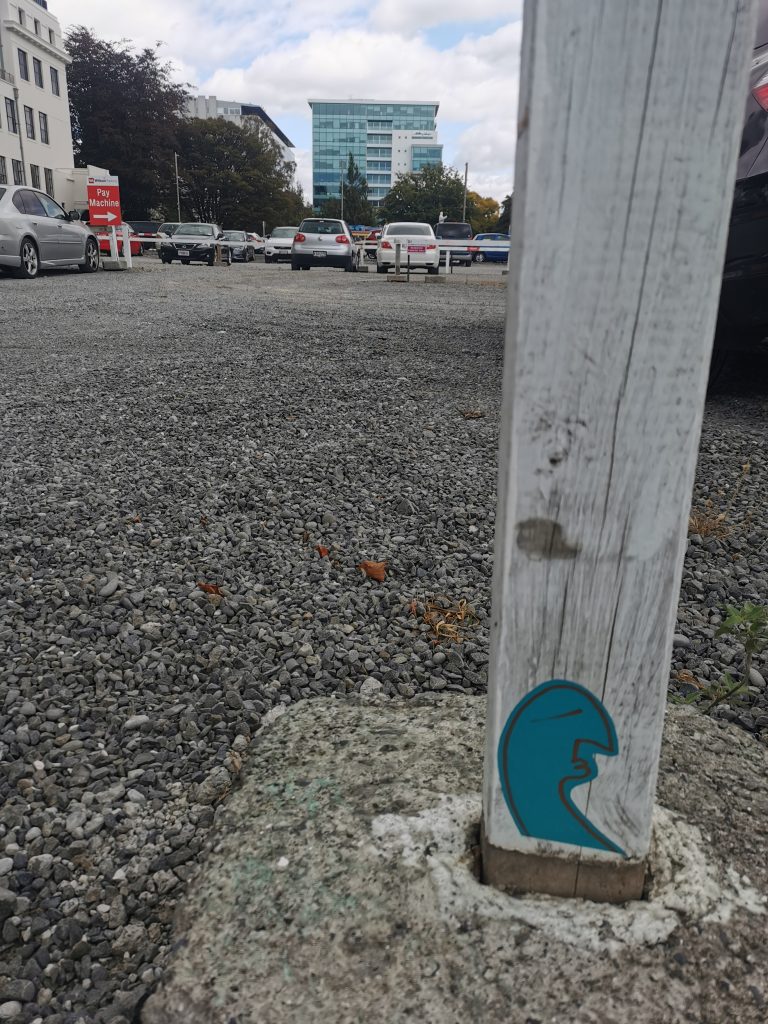
New Vesil with the retro charo…
GOMSER
LEGO in New Brighton.
A tribute to JUNGLE by Ikarus, Drows and Semagol
Smeagol goes from the ground up.
How are we lads? Nice arrows…
Lost Boy’s illustrative drawings are always a treat…
No problems…
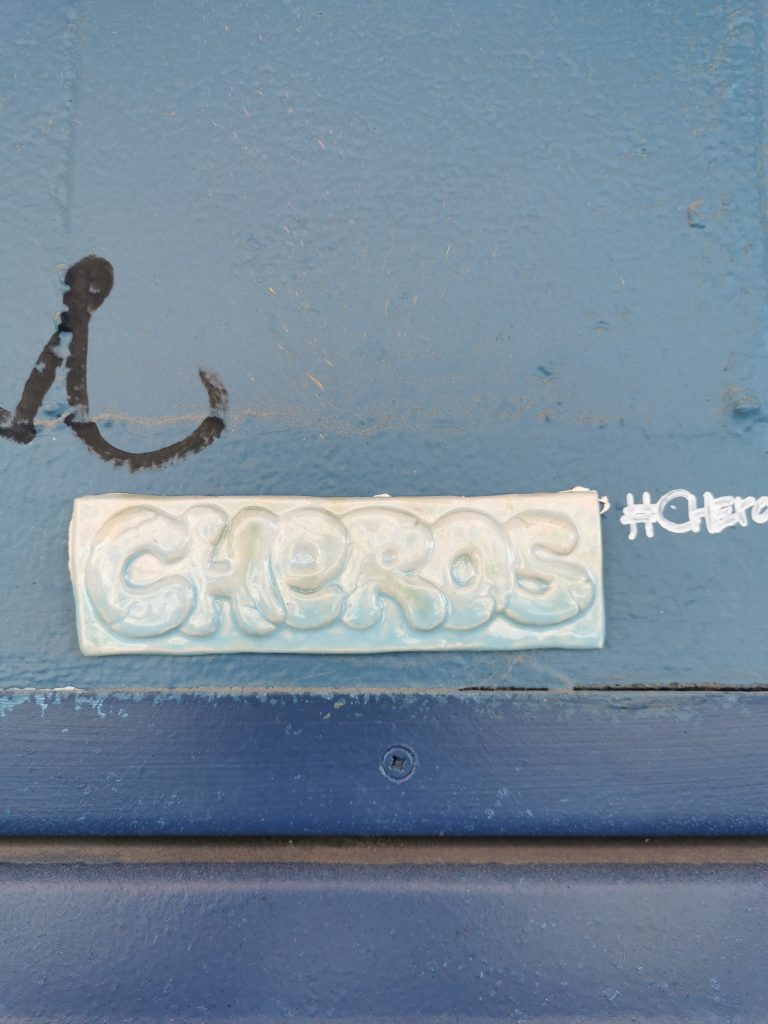
Cheros One’s sculptural installations are fresh, from tags like this to his rockets and fauna…
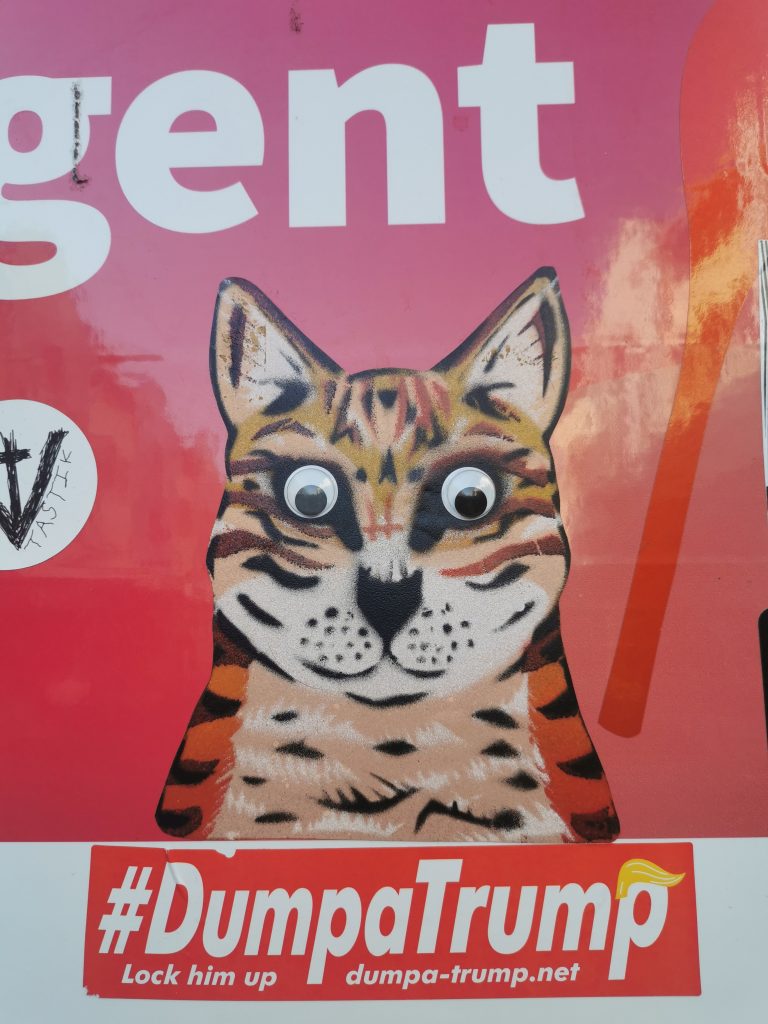
Googly eyed stencil cat with an on point message…
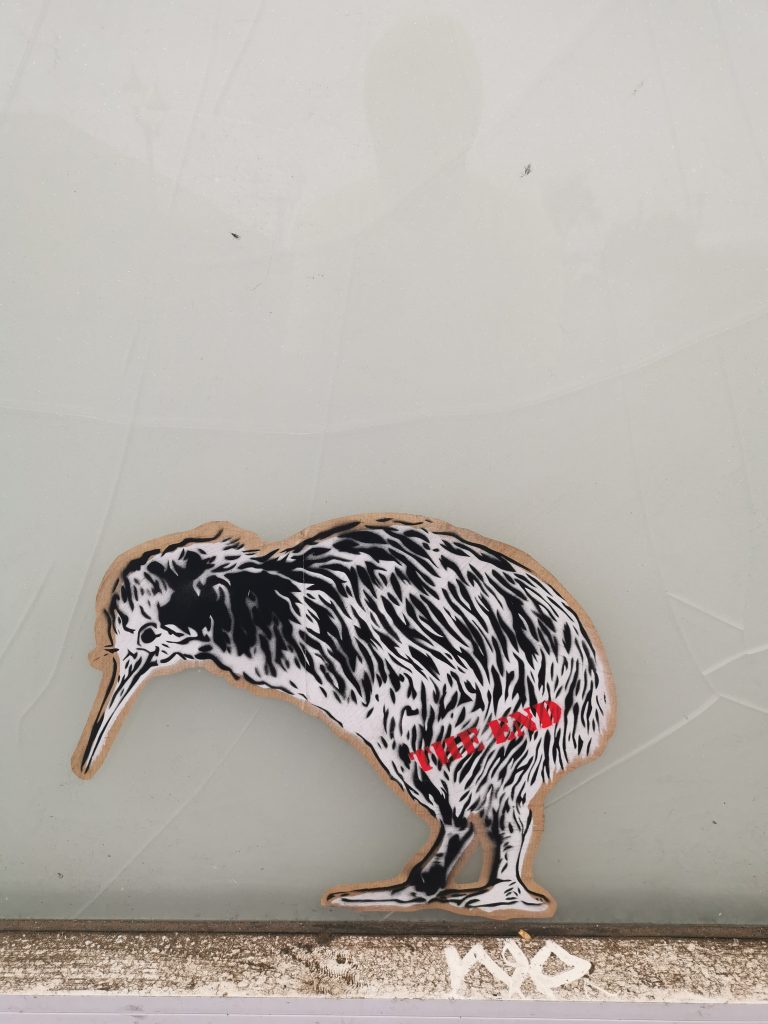
A kiwi paste up by Parisian artist The End of Animals reminds us of our heavy footprint.
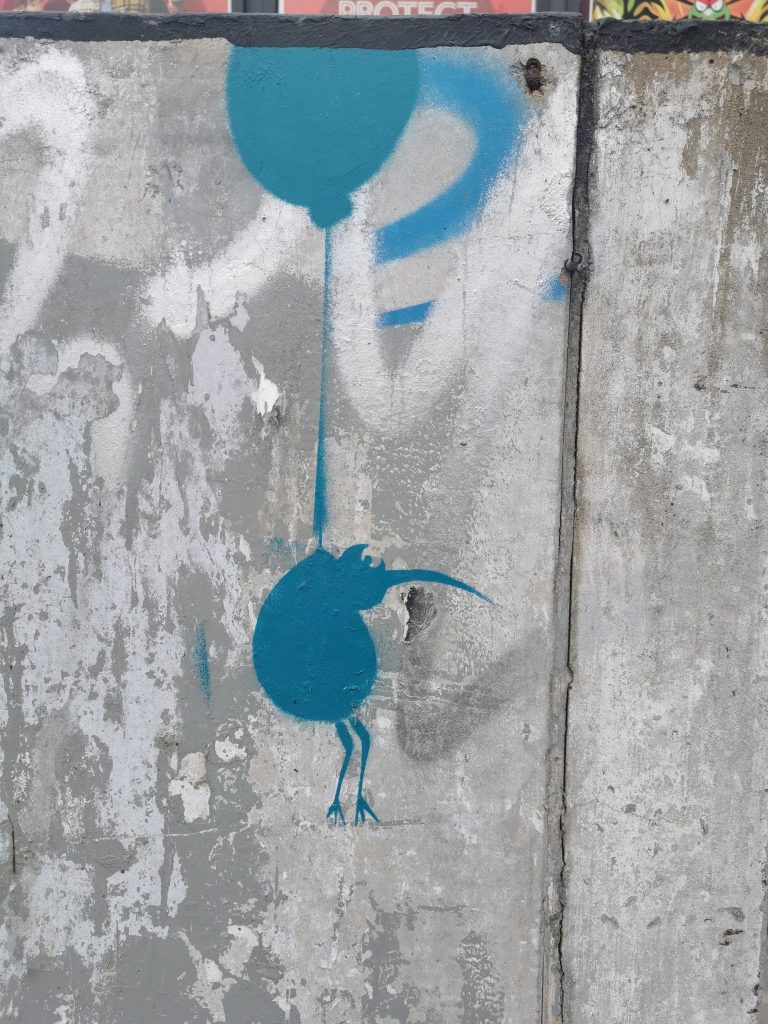
While this kiwi seeks to escape…
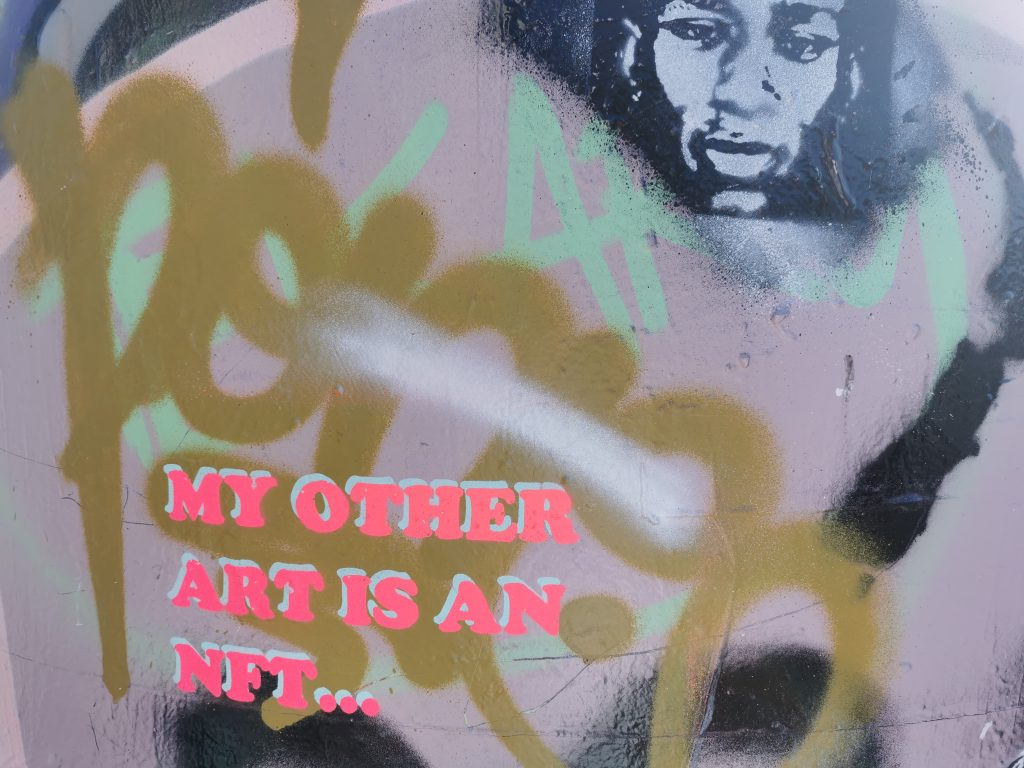
Bols gets in on the crypto craze as Yasiin Bey looks on…
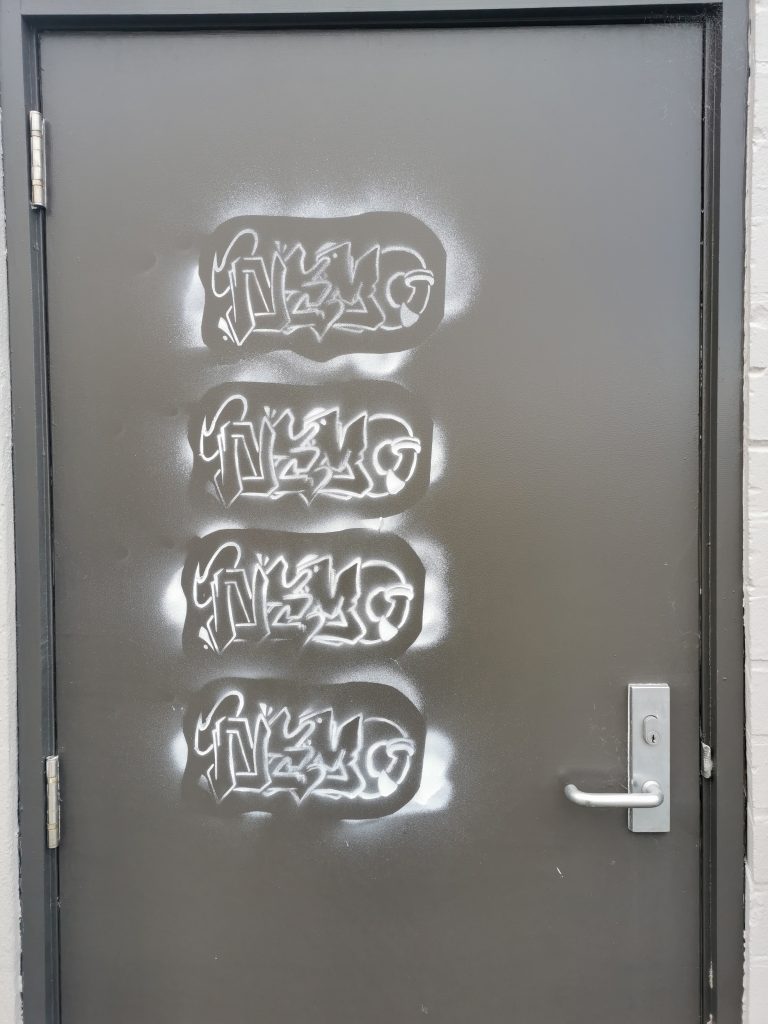
Nemo stencil tags…
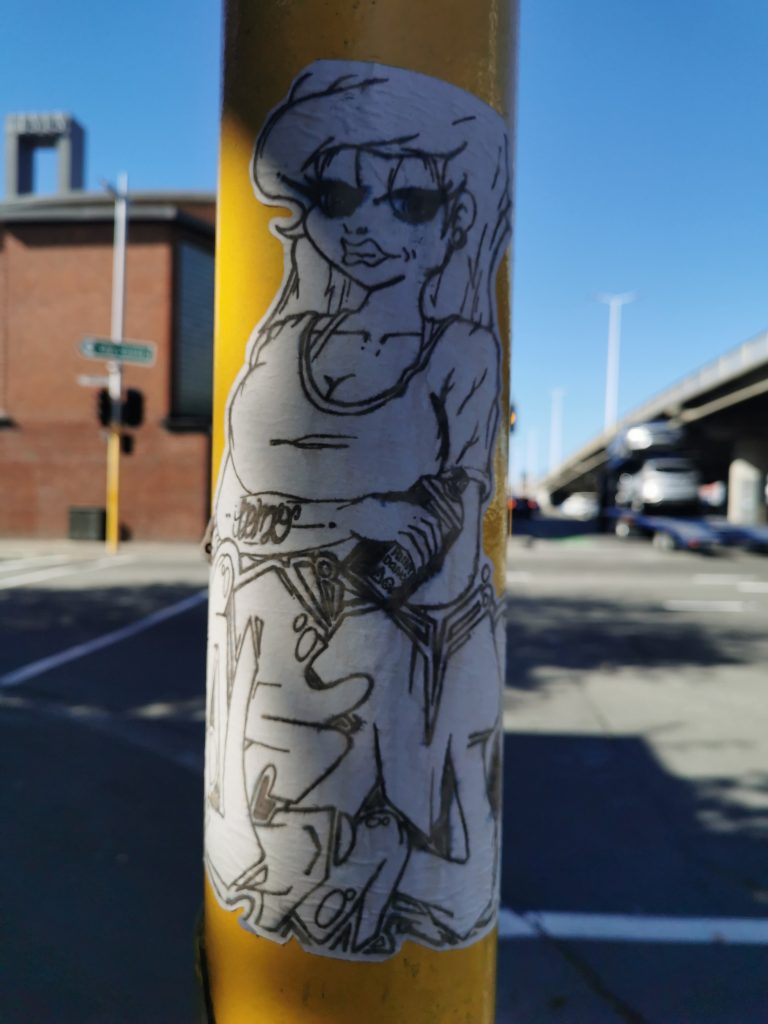
and slaps.
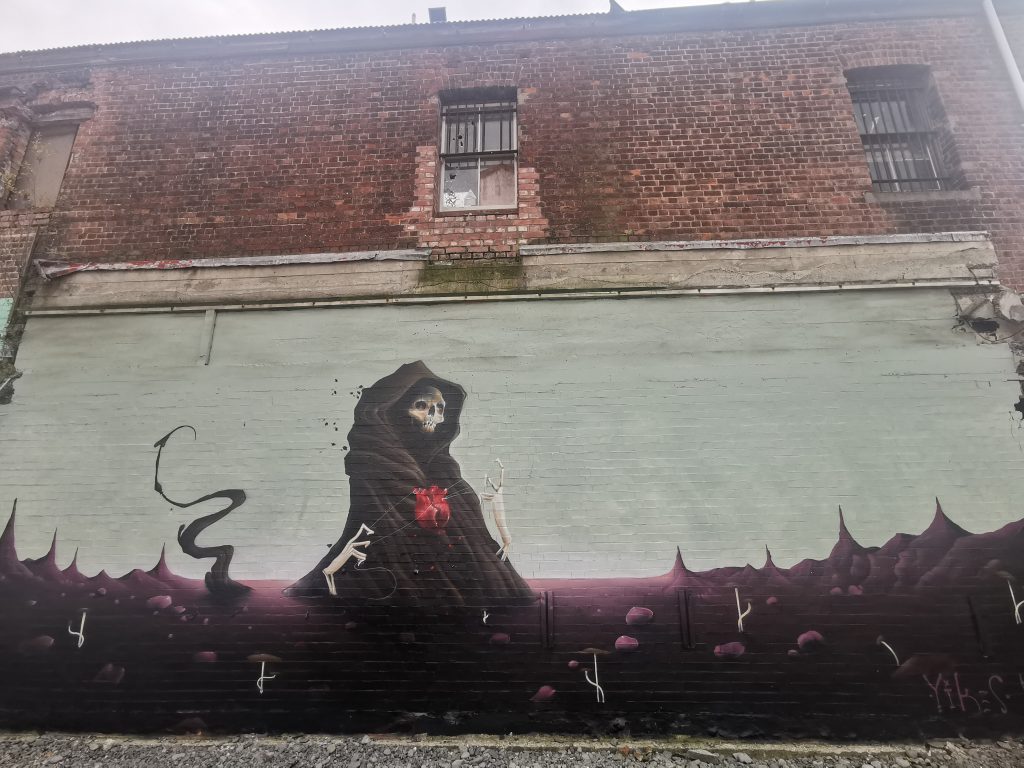
Jacob Yikes and the spectre of death
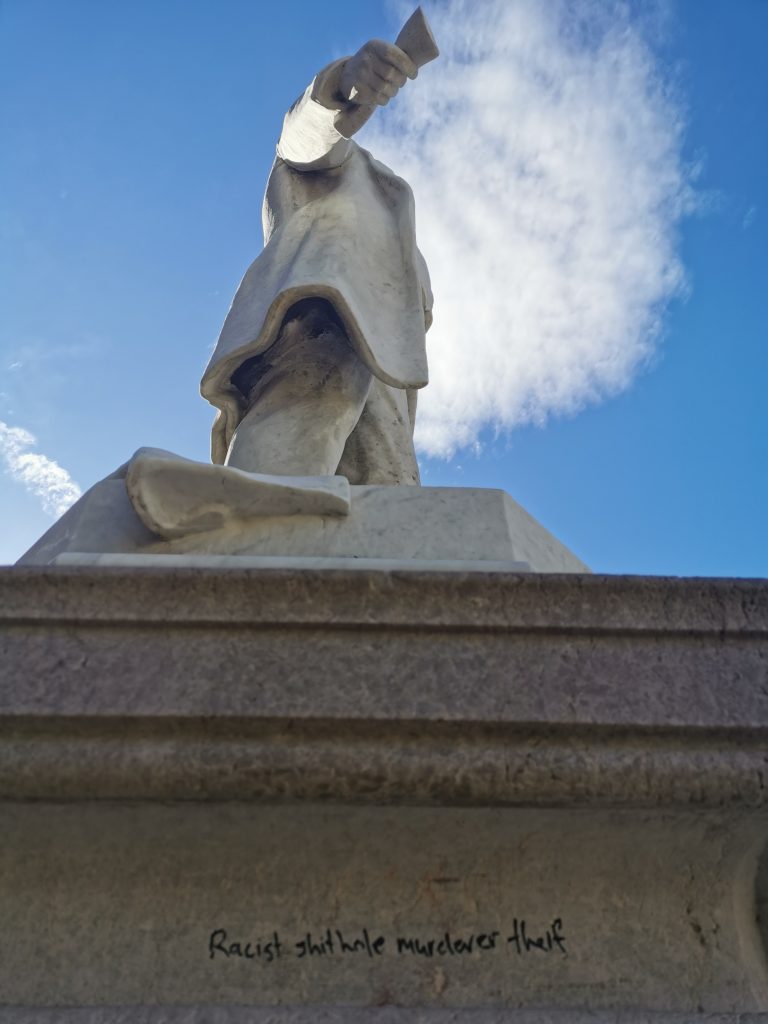
While the Rolleston statue gets a blunt reminder of our history.
If you have submissions for upcoming Street Treats volumes tag us on Instagram or email your pictures to [email protected]!
April has come and gone and while the year moves at a steady pace, there has been plenty to keep us entertained. Although the weather is getting a little less predictable, it is providing a late flurry of sunshine (at least after the inevitable chilly mornings), extending the window for outdoor activities like painting murals! While there have been a number of new outdoor works to explore, there have also been some very cool things going on indoors as well. Exhibitions like Ghostcat’s Shadow Town at Fiksate Gallery and the Canterbury Museum’s Hakē: Street Art Revealed, have provided popular experiences. As always, we have a recap of what tickled our fancy, compiled as an easy-to-follow list! So, without further ado, here is our And That Was… April 2021…
Ghost’s Shadow Town @ Fiksate
Ghostcat’s Shadow Town was packed for opening night… Photo credit: Charlie Rose Creative
Ghostcat’sShadow Town was highly anticipated and the crowd that showed up for the opening night at Fiksate were not disappointed. The collection of miniatures drawn from Christchurch’s urban environment were hot tickets, with people drawn to the beautiful intricate details and the associated nostalgia. With just a few days left at the time of writing, if you haven’t made it to Shadow Town, hurry!
Benjamin Work @ The Canterbury Museum
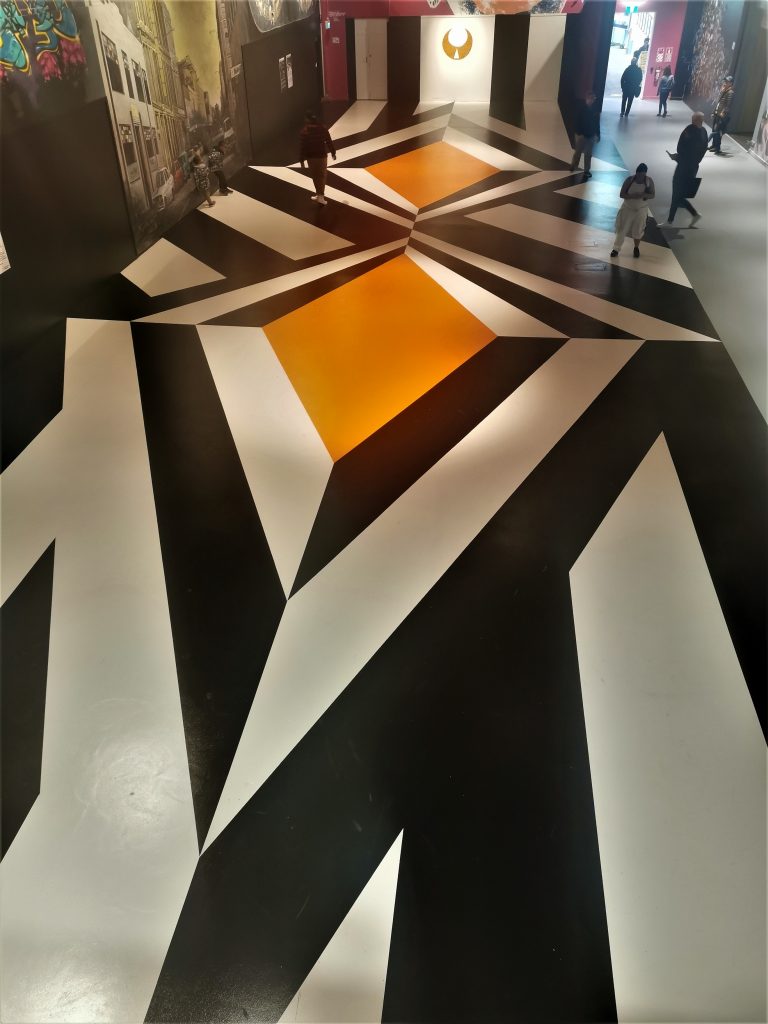
Benjamin Work’s Motutapu II was produced for the Hakē: Street Art Revealed exhibition at the Canterbury Museum
When the Canterbury Museum were presented with a window to reveal the legacy works from the massively successful Rise exhibition, they also wanted to add a new work to the main exhibition hall. Enter Auckland artist Benjamin Work, whose massive, striking floor mural Motutapu II draws from the iconography found on the Tongan ‘Akau Tau (war clubs) in the Museum’s collection. The work adds a new element to the surrounding wall paintings from Rise, highlighting the diverse trajectories of urban artists over the last decade.
TMD x DTR x Ysek X Chile One in New Brighton
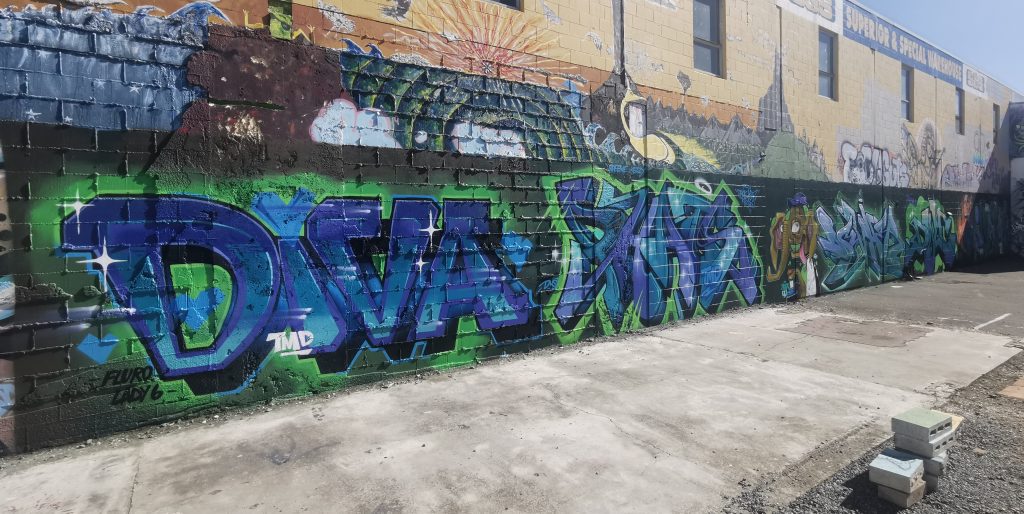
A collaborative jam with members of TMD, DTR along with YSEK and Chile One in New Brighton
On a cold Saturday morning (the night after the Shadow Town opening), a heavyweight collection of artists got together in New Brighton for a painting jam. Local artists Dcypher and Ikarus of the DTR crew, Christchurch-based Chilean artists YSEK and Chile One, and Auckland’s Phat1, Diva and Dyle of the legendary TMD crew, freshened up a popular New Brighton wall with traditional graffiti pieces and characters, creating a legacy of the meeting of some of New Zealand’s biggest talent.
Charles Williams and Benjamin Work @ Etu Pasifika Health
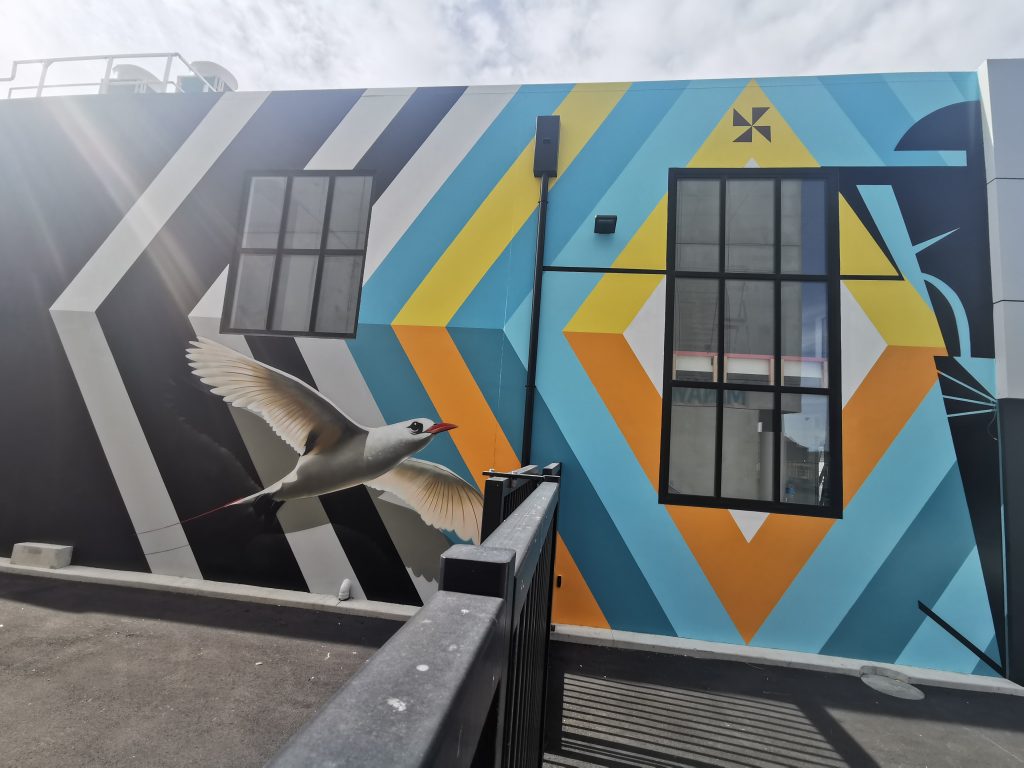
The mural on the side of the Etu Pasifika Health Centre. painted by Charles Williams and Benjamin Work
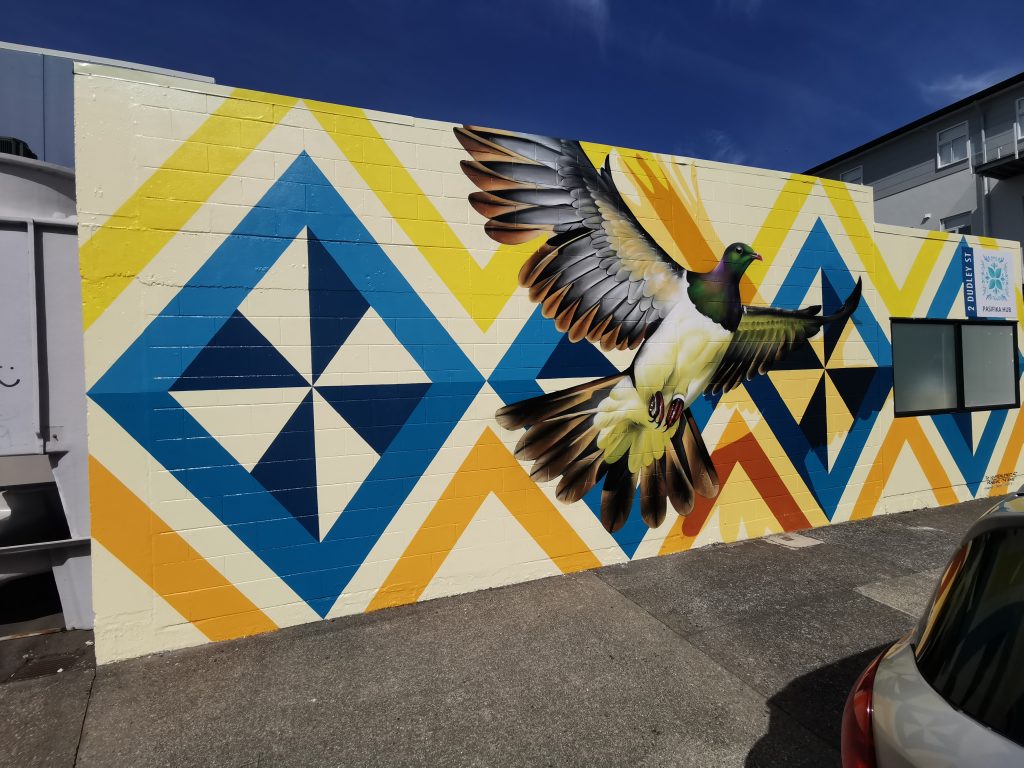
In the wake of the launch of the TMD: An Aotearoa Graffiti Story at The Dowse in Lower Hutt, crew members Benjamin Work and Charles Williams arrived in Christchurch to paint a mural on the new Etu Pasifika Health Centre. The work combines the signature styles of the two artists with a design conceived by fellow TMD member Janine Williams. The background is coloured in a bright blue, black, yellow and white pattern, with Work’s Tongan warrior chief figure on the left couched within the architectural framework, while Williams’ depiction of a Red-tailed Tropicbird soars upwards from the bottom right. The harmonious combination of styles creating an impressive new work for Christchurch.
TMD: An Aotearoa Graffiti Story @ The Dowse
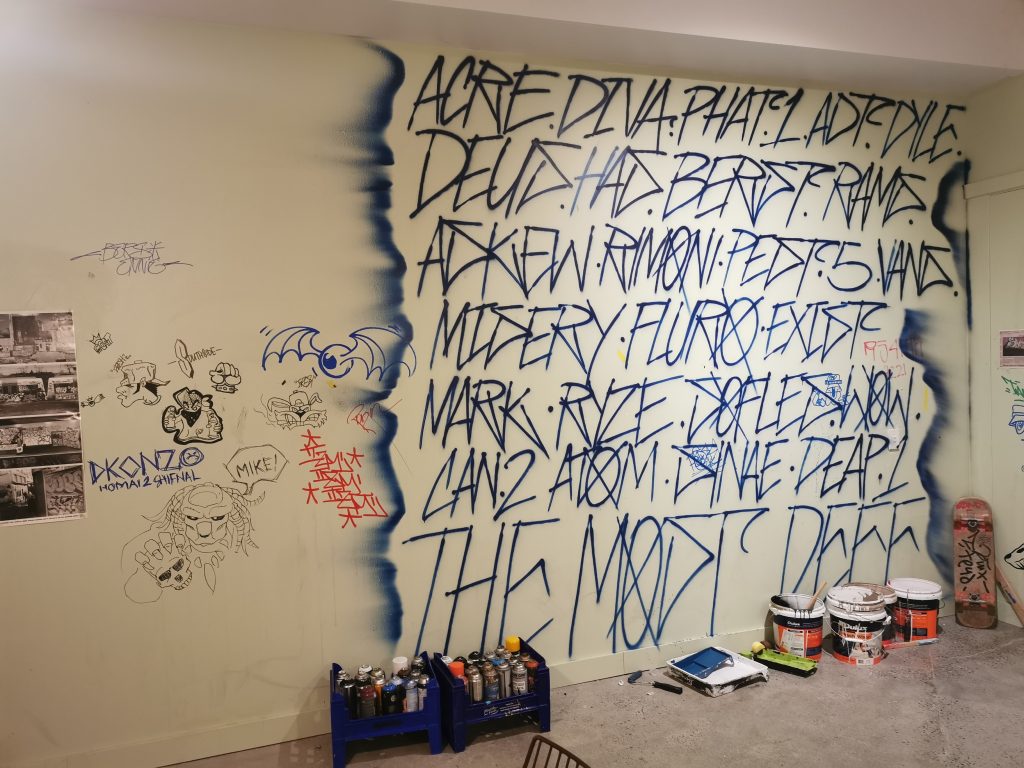
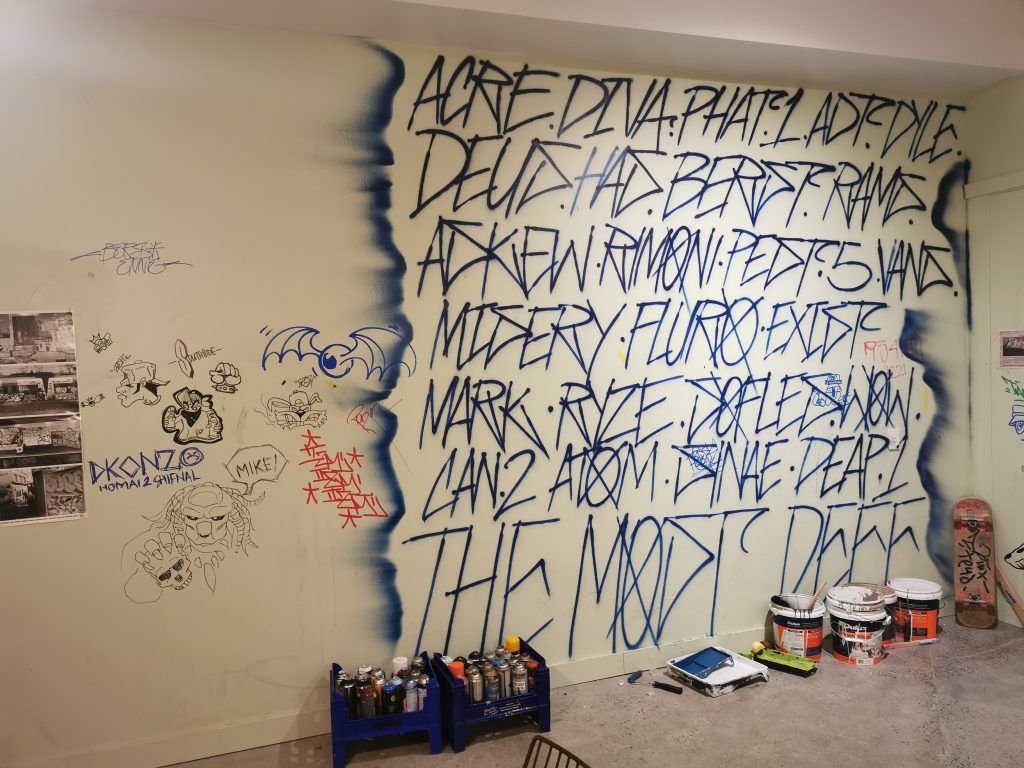
A straight letter roll-call on the wall of the flat recreated in the TMD exhibition at Lower Hutt museum The Dowse
It may not have been in Christchurch, but I couldn’t leave out my trip to Wellington for the opening of the TMD: An Aotearoa Graffiti Story at Lower Hutt’s The Dowse Museum. Combining history and installations that spoke to the culture and roots of New Zealand’s most iconic graffiti crew with a group show of crew members’ contemporary practice, the exhibition struck all the right chords. The additional benefits of seeing the crew members painting murals around Lower Hutt and then as part of a panel discussion topped off the weekend. I highly recommend – go see it!
And That Was… April 2021 – what would you add to the list? Comment below to let us know!
Wellington. It’s a personal favourite. The capital city is perfect for an urban weekend away, with it’s cool bars, vibrant street life and innumerable cafes for mornings after (personally, no trip to Wellington is complete without a breakfast burrito from Sweet Mother’s Kitchen). While Ōtautahi will always be home, a trip to Wellington always leaves me planning a return, looking for reasons to make my way back soon. The beauty of the city for me is that the main event (Wellington is a favourite gig venue personally) is supported so well by the city’s additional charms – I always take a day to simply wander, up and down Cuba Street, along the waterfront, up the hills, and in doing so, catch the urban art that marks its walls and alleys. From big murals by well-known local artists, to the array of smaller additions, Wellington’s urban art is always fun to explore and seems a good fit with the city’s lively profile and physical layout. From painted boats to schools of sharks, piles of skulls to bicycle rides, playful to meaningful, what follows is a postcard from Wellington’s streets!
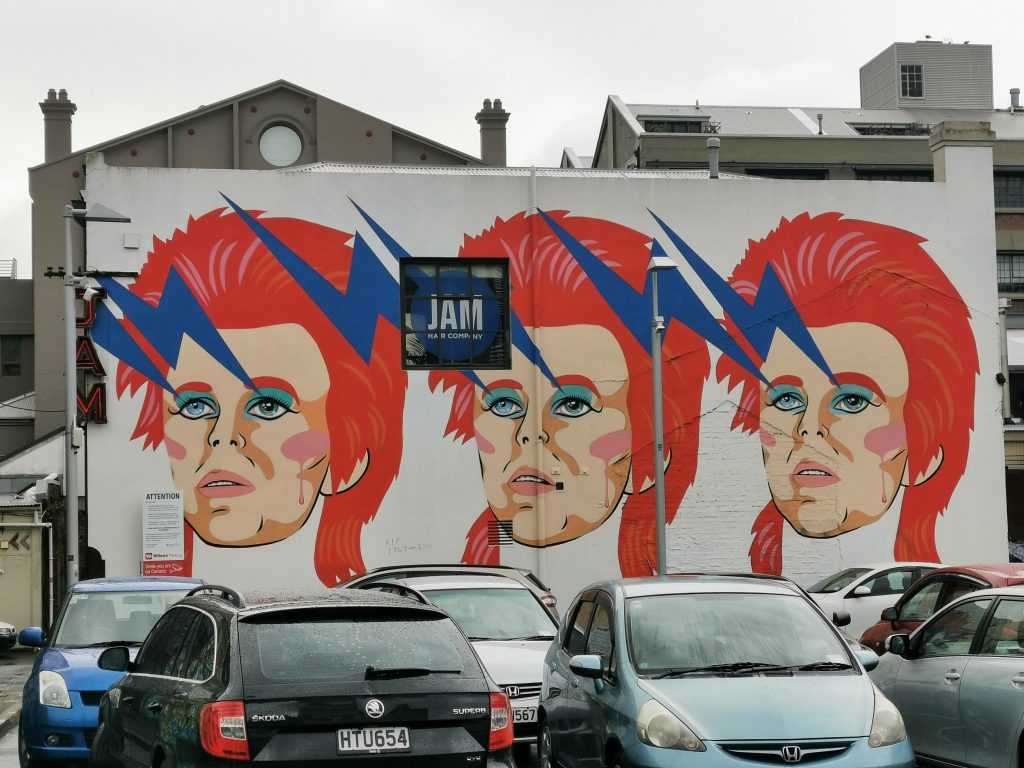
Xoë Hall’s Bowie mural has become a much photographed icon in Wellington, to the point that the artist started a campaign to ensure artists were fairly acknowldeged for their work
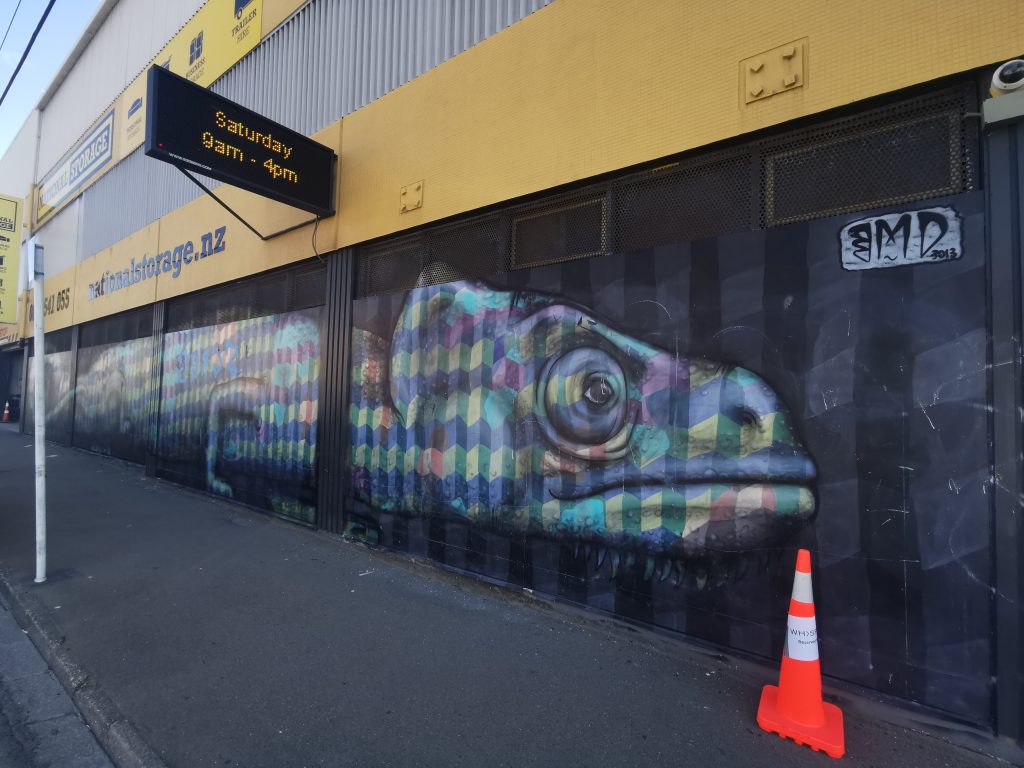
BMD’s legacy can be found all over the city.
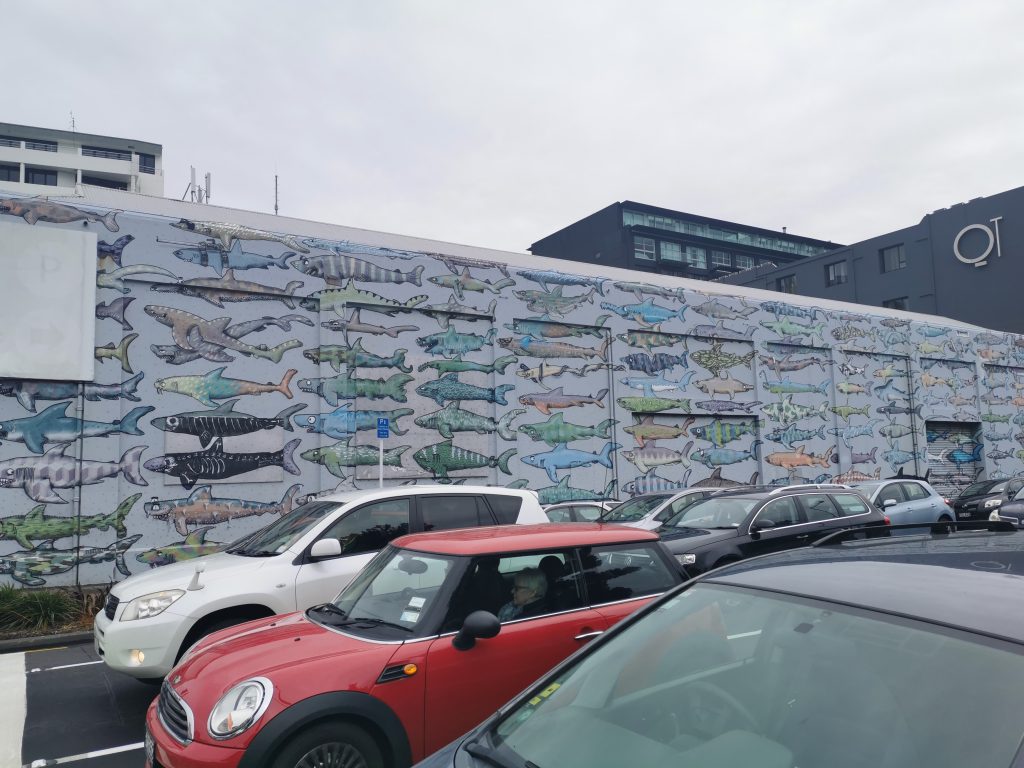
Including the massive anti-shark finning mural
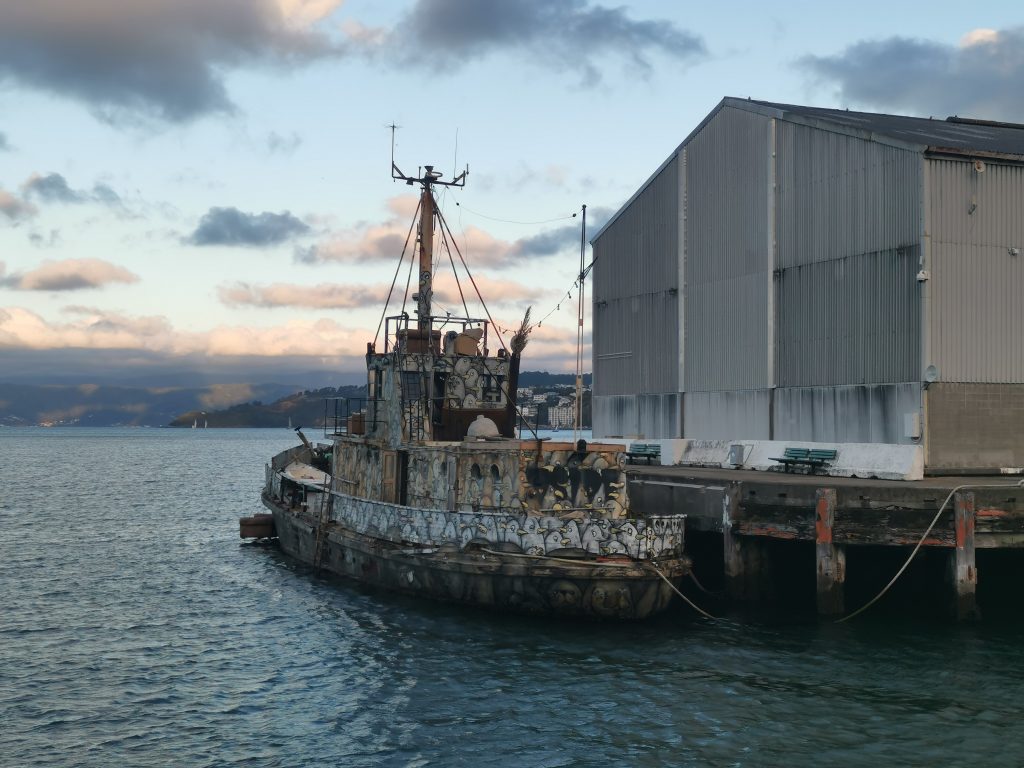
While DSIDE’s work now extends from boats…
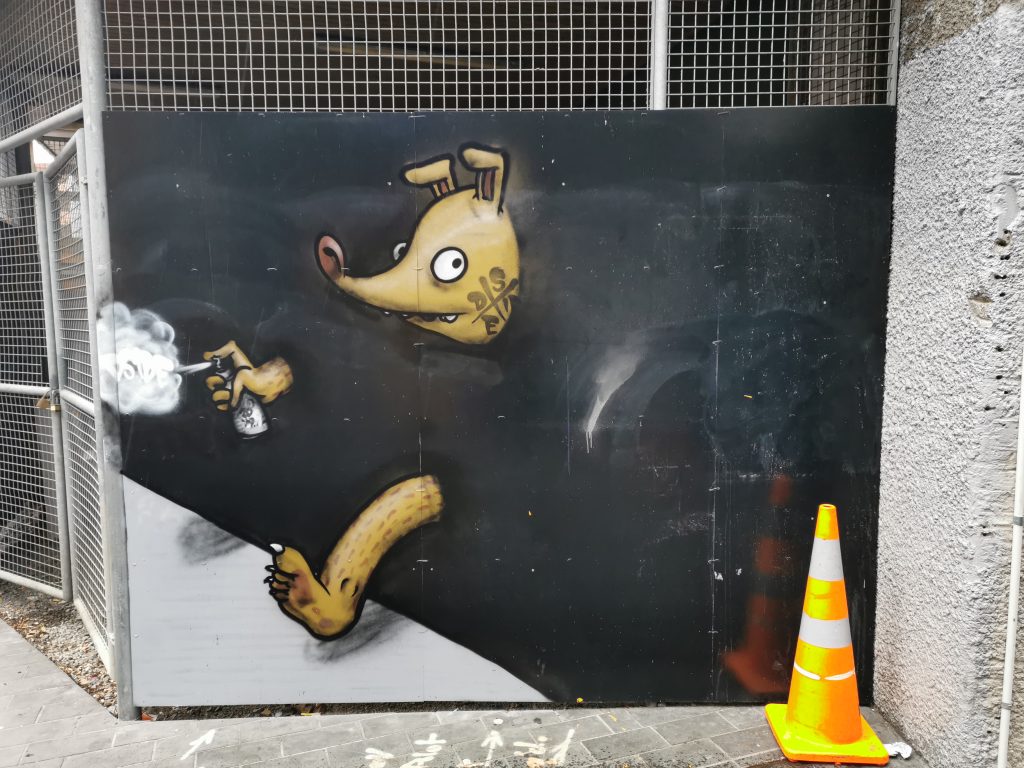
… to smaller additions.
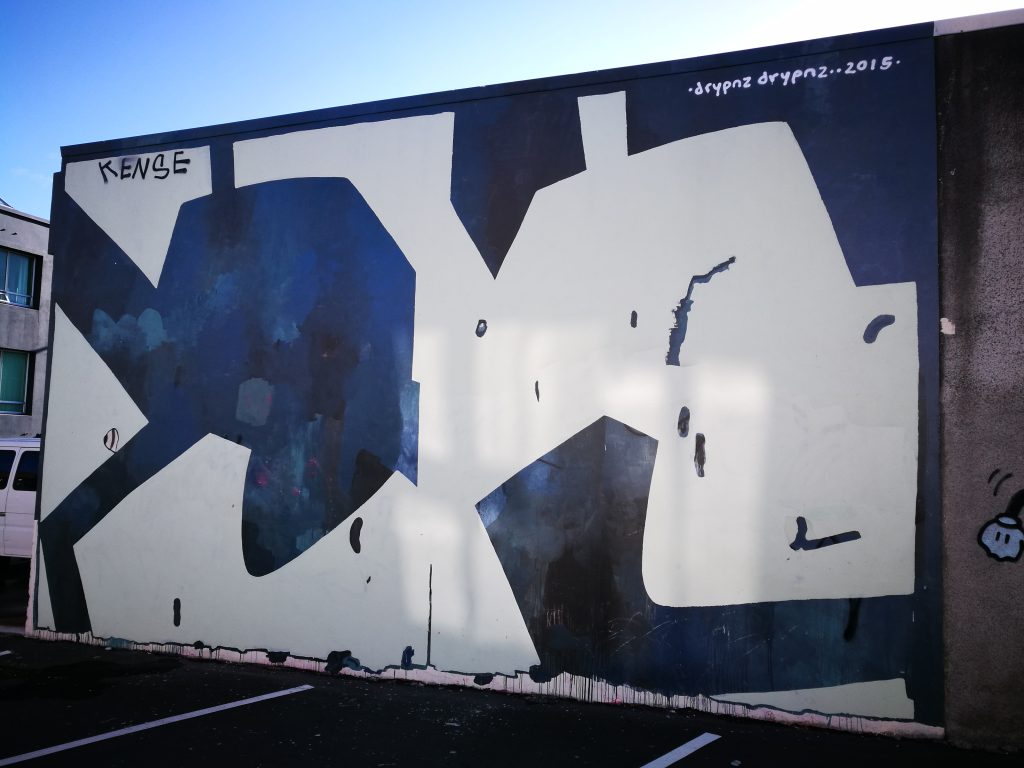
DRYPNZ’s work is also prominent…
… with his stylisitic evolution evident.
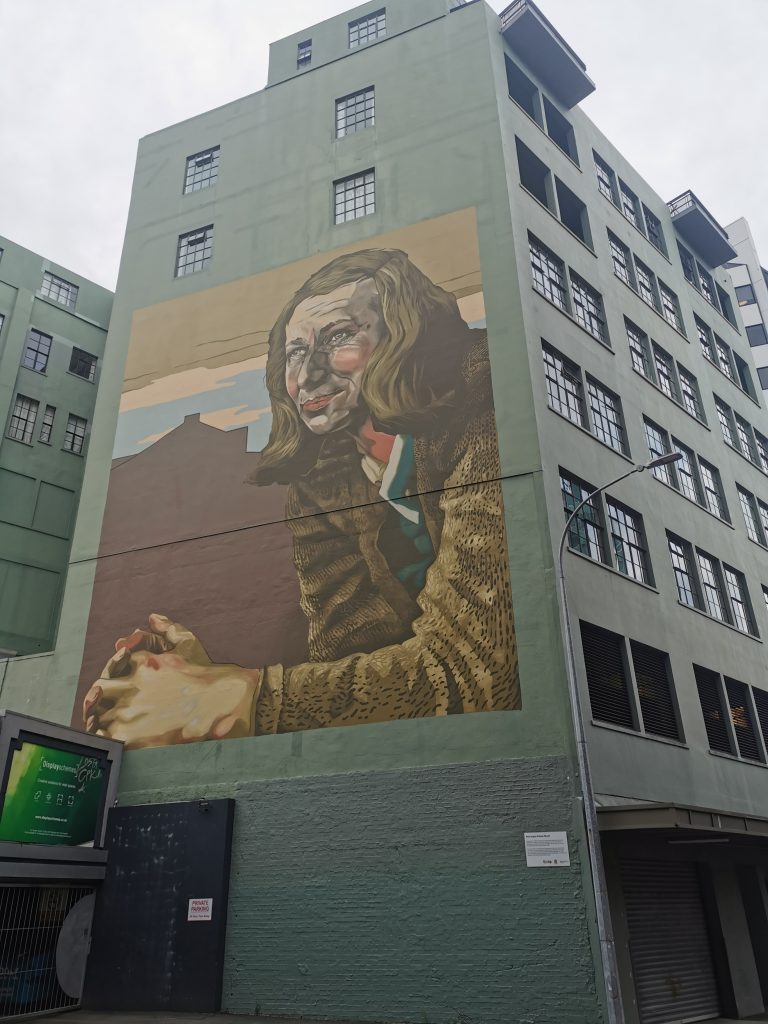
Askew’s Rita Angus tribute mural is impressive
Sean Duffell’s work can be found around the city
While Cracked Ink makes a good pairing with Wellington’s own Garage Project
Fluro’s striking letter forms appear in a CBD side street
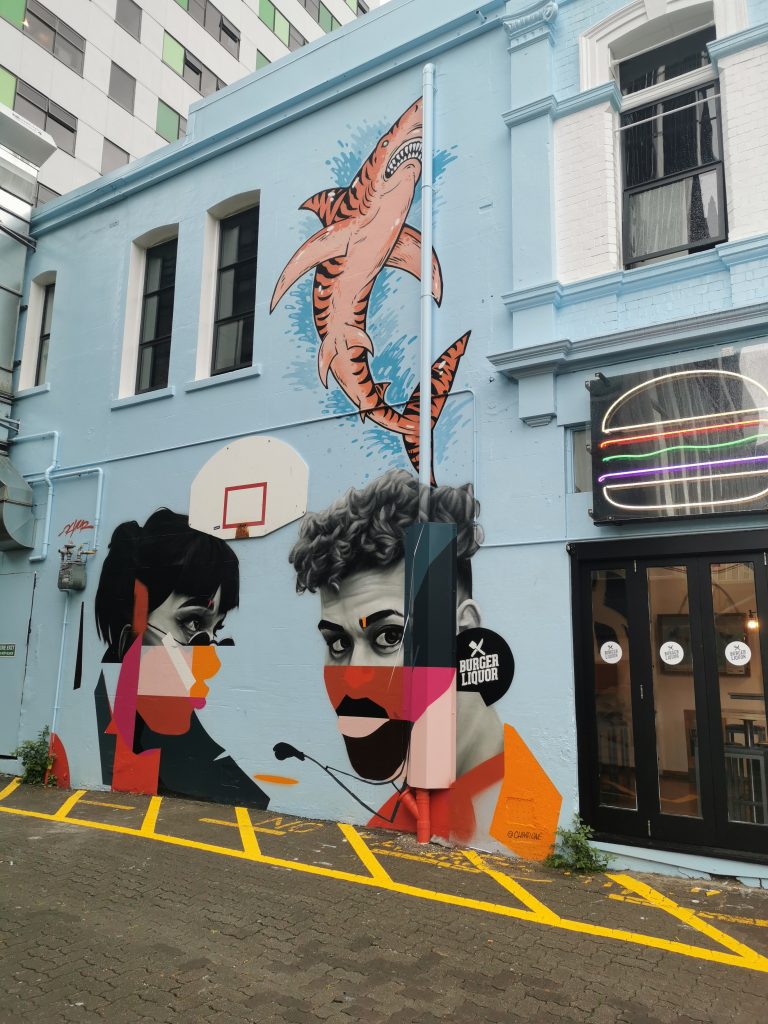
Burger Liquor not only takes care of your food and drink needs, but also features some rad art, by Los Angeles’ artist Steiner…
and our pal Chimp!
Out in Lower Hutt, a growing collection of murals includes work by the ‘Bird Gang’ Charles and Janine Williams (Phat1 and Lady Diva)
and Askew One.
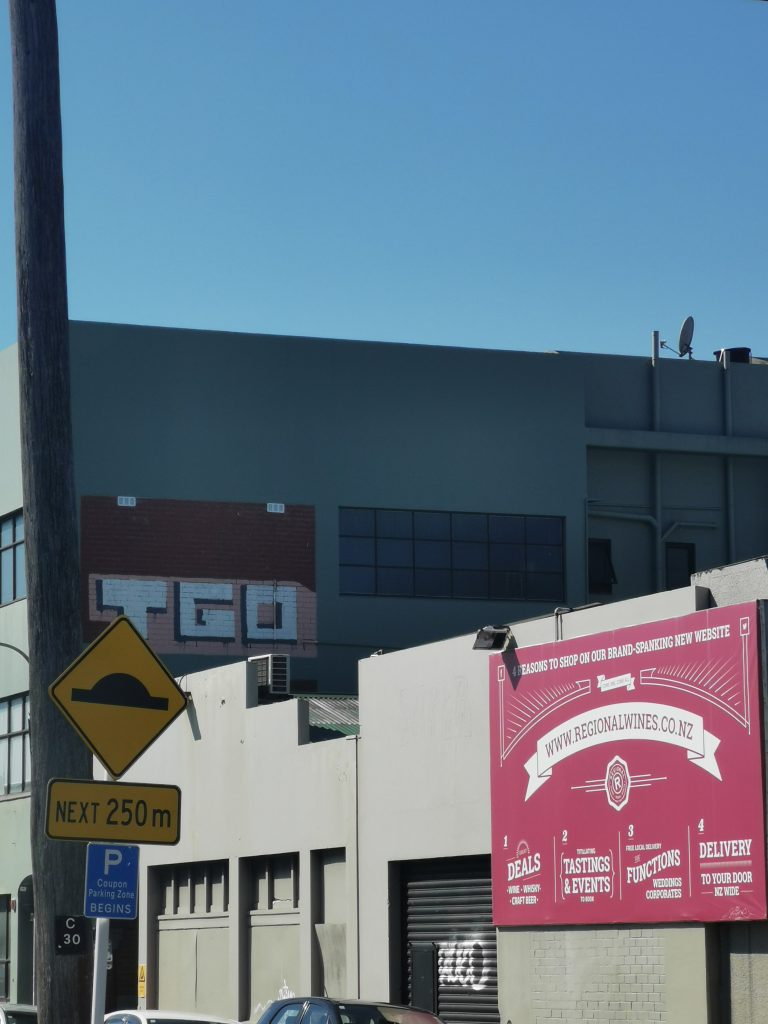
But it isn’t just the obvious stuff. TOGO’s distinctive graffiti can be spotted in unexpected places…
and at different sizes
Alleys and doorways are busy…
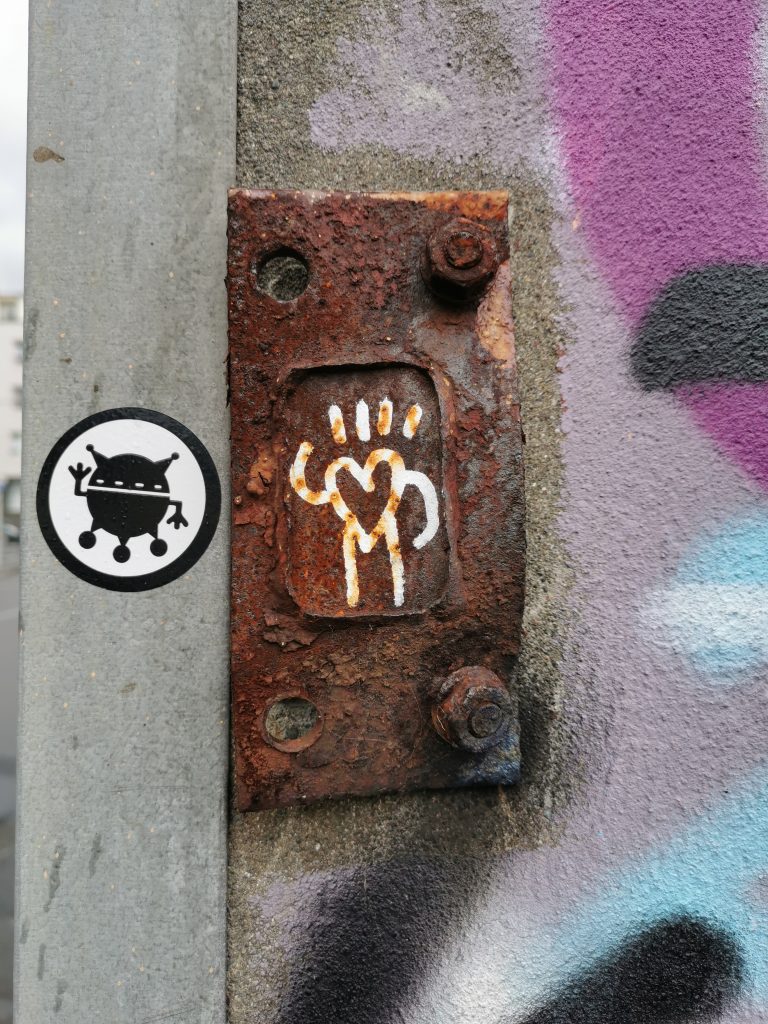
HaHa’s robots can even be found if you look close enough.
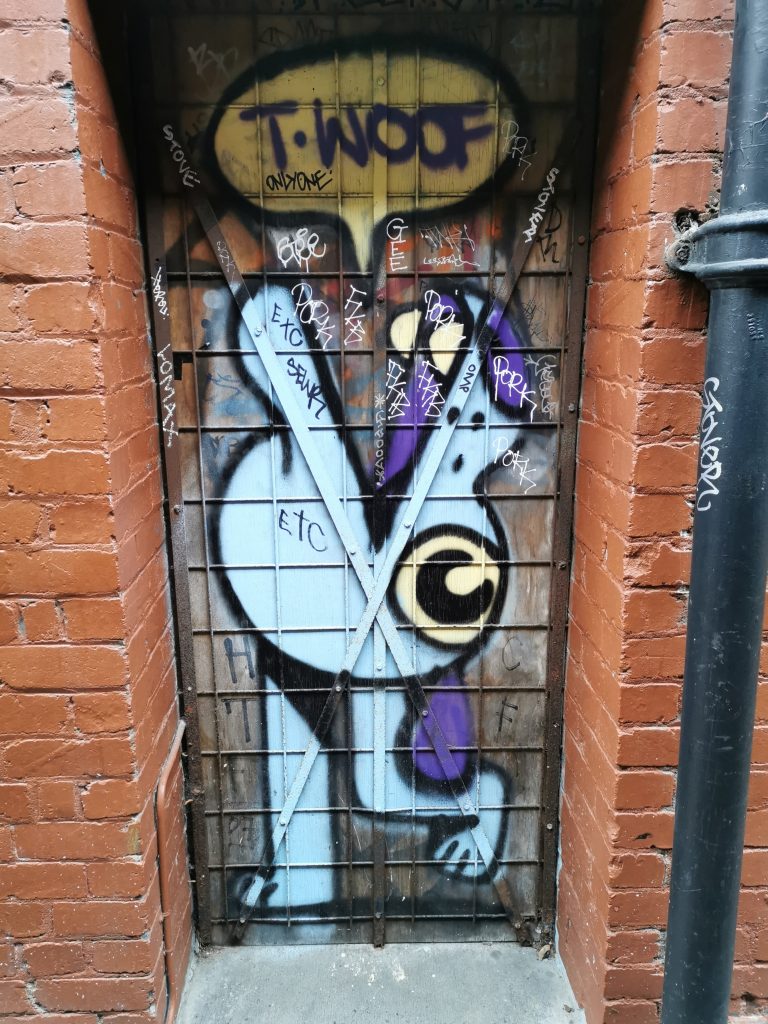
T-WOOF
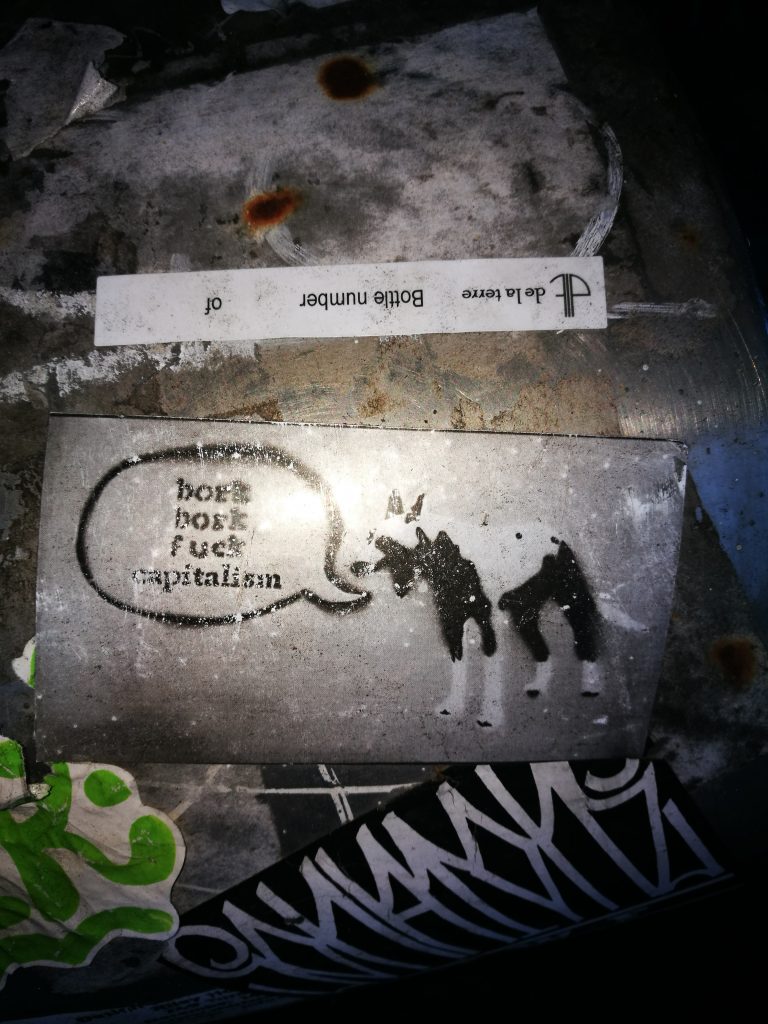
Bork! Bork!
Muchu 108’s radiant heart character
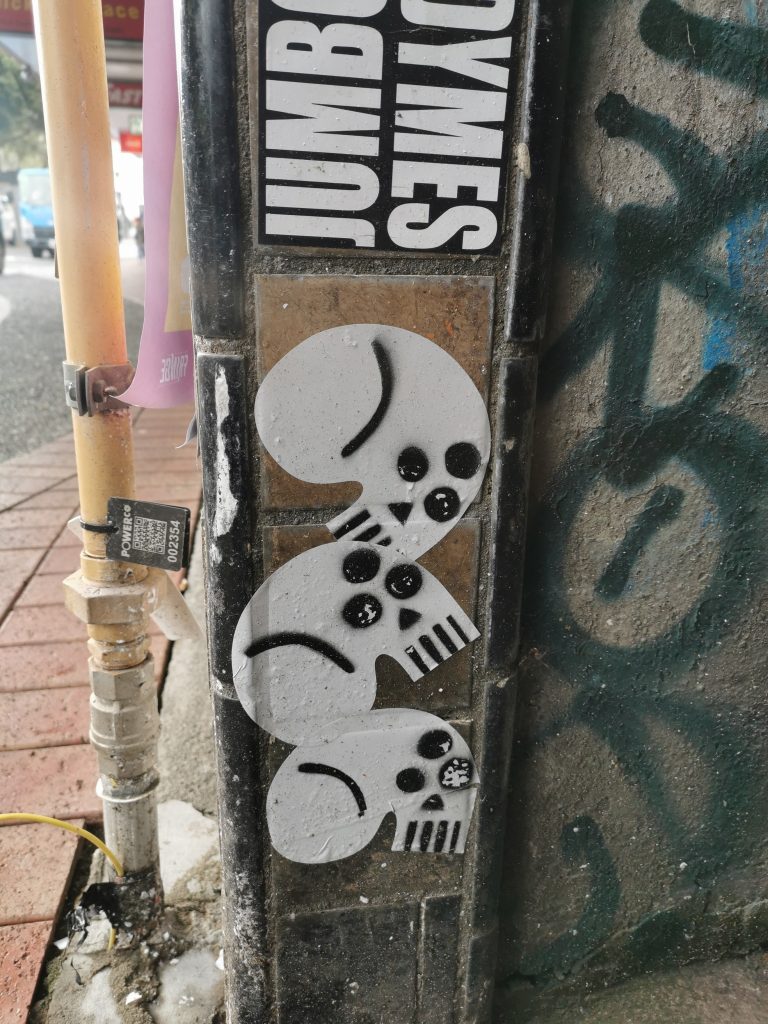
Gary Silipa’s piled skulls
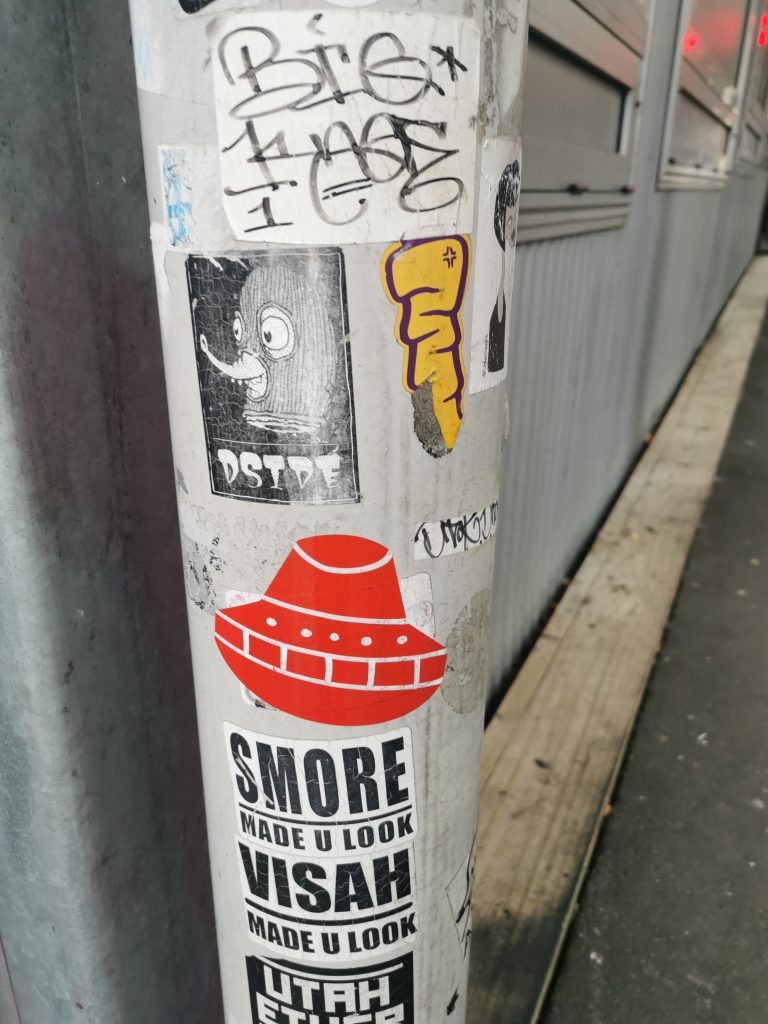
Carrot Boy, DSIDE, Garyb Silipa, SMORE, VISAH and even UTAH and ETHER slaps
“The rise of TMD as a creative collective has its origins in Auckland’s mid to late 90’s graffiti scene. The post-recessionary environment after the 1987 stock market crash was the perfect incubator for a thriving and vibrant Hip-Hop scene with a uniquely pacific slant. From the decrepit rail infrastructure to the abandoned buildings and vacant lots – the city provided an abundance of grey area where these young people could forge lifelong bonds, while cementing their sense of identity. With humble beginnings from this crew emerged its fair share of unsung and underground heroes as well as many of Aotearoa’s first global stars in the graffiti and large scale street art arena.” – ASKEW ONE (from The Dowse website)
There is no larger shadow in Aotearoa graffiti and street art history than Auckland’s TMD crew. While not the oldest graffiti crew in New Zealand, founded in 1997 by Phat1 and Adict, TMD has undeniably made an indelible mark on graffiti and street art culture both here and overseas. The collective has grown both in number (with over 35 past and present members, including international representatives from Australia and Germany, such as Vans the Omega, Sofles and WOW123) and scope, with its members ranging from recreational graffiti writers to professional artists, occupying streets, studios, galleries and beyond. Both collectively and individually the members of TMD have gained prominence here and overseas, from Phat1 and Diva’s (Charles and Janine Williams) Bird Gang mural work, telling stories of place through the symbolism of native birds, to Misery‘s instantly recognisable kitschy doe-eyed characters and Berst‘s dynamic letterforms and documentation of graffiti culture, where his online videos have an audience of tens of thousands.
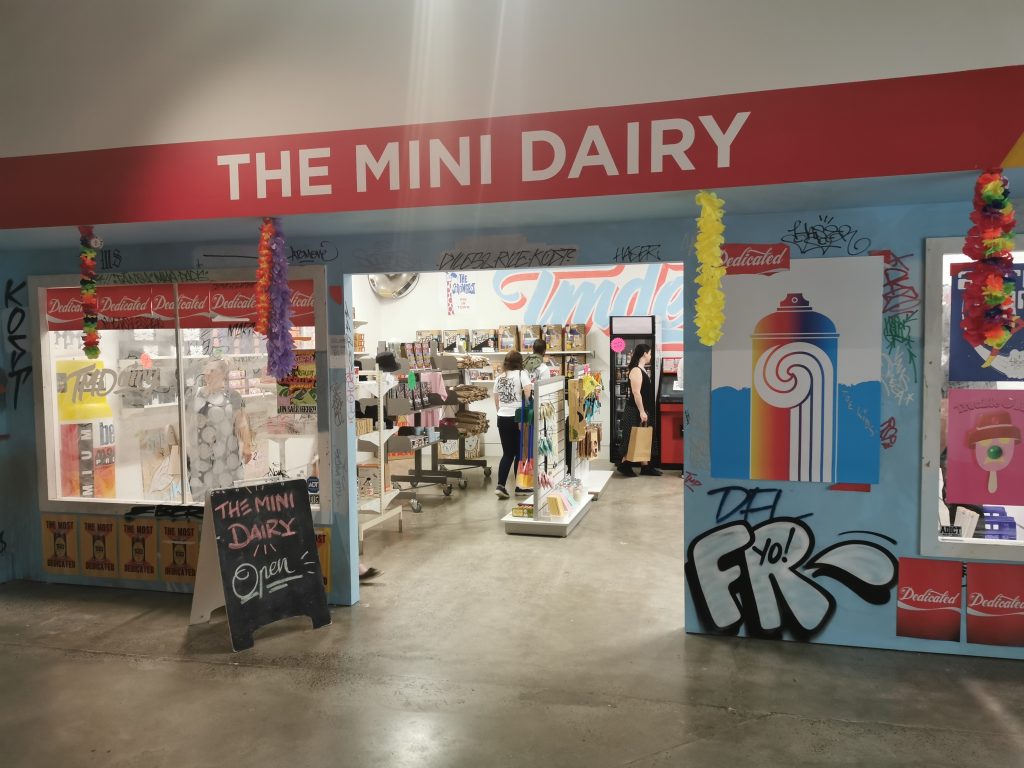
The Mini Dairy inside the TMD: An Aotearoa Graffiti Story exhibition at The Dowse in Lower Hutt.
In recent years, urban art has gained more widespread attention, publicly through the rise of contemporary muralism and its ability to infiltrate our daily experiences, but also institutionally, with the likes of Rise at the Canterbury Museum (2013) and Paradox at the Tauranga Art Gallery (2016). The staging of TMD: An Aotearoa Graffiti Story at Lower Hutt’s The Dowse Art Gallery (who themselves have a history of urban art-related exhibitions dating back to the turn of the Milliennium), running from late March until June, is a welcome development. Rather than attempting to present a more generic survey or a one person show, the exhibition considers the broader cultural movement of graffiti within the tighter focus of the TMD crew while still spanning styles and historical narratives; contextualising both the roots of the TMD crew within the setting of mid-90s and early 2000s Auckland, and their current exploits, successfully packaging the complexities and trajectories of contemporary urban art and artists who have sprung forth from these rebellious beginnings, no longer held to any defined expectations.
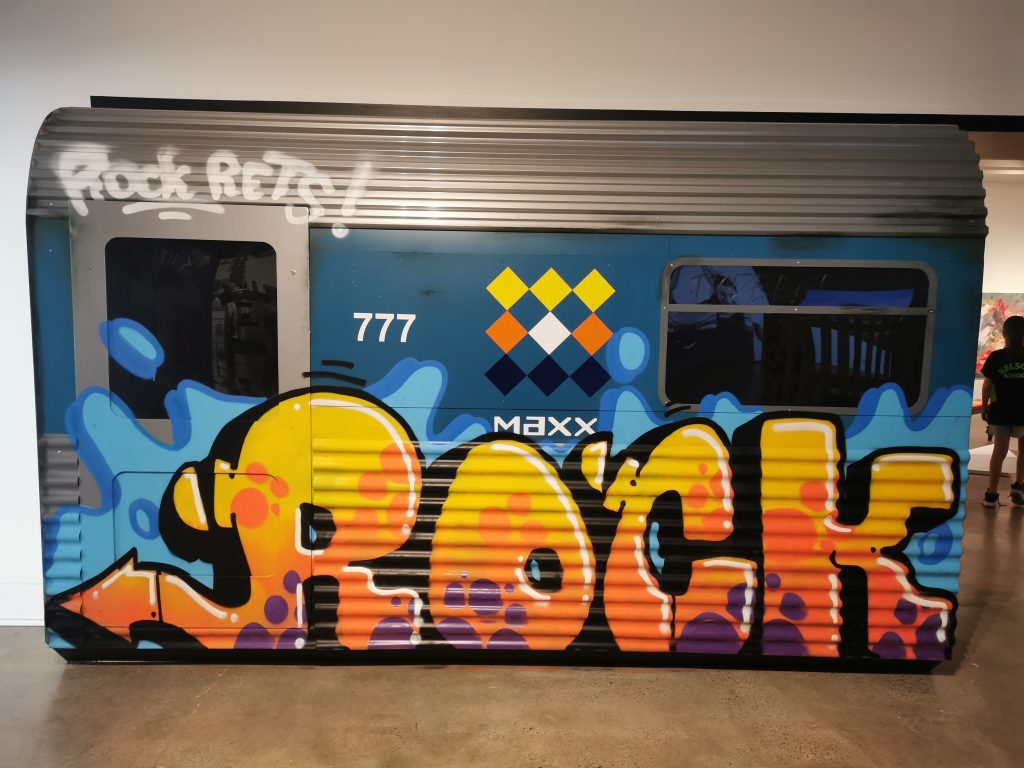
One of the painted trains installed in the exhibition, the pair of carriages painted with ROCK and RETS pieces…
The exhibition, curated by Dowse director Karl Chitham with Christchurch-raised TMD member Pest5/Johnny 4Higher, is split between two distinct zones, an immersive installation space, featuring formative and contextual commentaries, and a more traditional white-walled gallery presentation that highlights the current work of crew members, spanning painting, sculpture, photography and more. This format allows the viewer to consider the significant journey undertaken by the crew, from an idea to unite disparate graffiti writers into a collective of diverse creatives, placing them within the wider narrative of New Zealand art while acknowledging the significance of graffiti culture to generations of young New Zealand creatives.
On entering the exhibition, visitors are greeted by a writers bench and a set of painted train carriages, with an echo of recorded discussions just audible. Smaller tags on the bench play off against the larger and more bombastic train pieces. The track setting highlights the centrality of train painting in graffiti culture not just locally, but internationally, although with a specific Aotearoa profile. Behind the bench is another slice of Kiwiana, an iconic corner dairy, a bastion of New Zealand childhoods across generations. The fabricated dairy, named the ‘The Mini Dairy’ (TMD), utilises all the nostalgic riffs, from the Tip Top-inspired signage to dollar mixtures (the lollies replaced with aerosol nozzles), neon star price points and an arcade video game machine (supposedly out of order). A cynical eye might point out that the dairy is primarily the exhibition shop, providing the opportunity to peddle merchandise, but it also has several conceptual references as an installation in its own right. Dairies served as a location youngsters not only congregated around, but also as a community hub that would often provide the opportunity for legal or commissioned murals on their walls prior to larger commercial projects becoming a reality. Furthermore, the dairy exemplifies how the creation of commercial goods has been embraced by urban artists, from clothing to vinyl toys, a trajectory that might make the more elitist fine art world shudder (think of the blowback against Kaws by art commentators), but is a reality for many to make an artistic career possible and their art accessible to an audience perhaps less likely to frequent an art gallery.
Across an imaginary road is a grungy flat, based on a former residence where crew members congregated. The sparse room provides historical references in analogue form with tags and drawings on the walls (including a roll call in the classic New Zealand Straights lettering style) and scattered photo albums, event posters and blackbooks, but also digitally – with videos from TMD member Berst’s Real Time web series playing on the boxy 90s TV, and an old PC for surfing websites such as ArtCrimes, an influential forum for the graffiti world and an inspiration to many TMD members. The worn surroundings, devoid of luxury, highlight the drive to make things from nothing and the dominant influence of graffiti on the lives of these young creatives and the evolution of the relationship between graffiti and the internet.
A roll call in iconic New Zealand straights, name-checking TMD crew members, inside the re-created flat space.
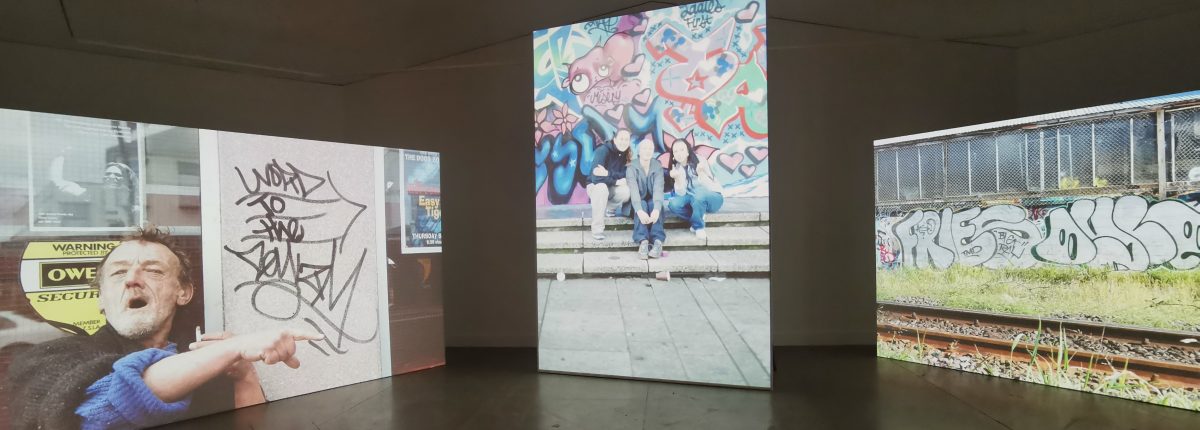
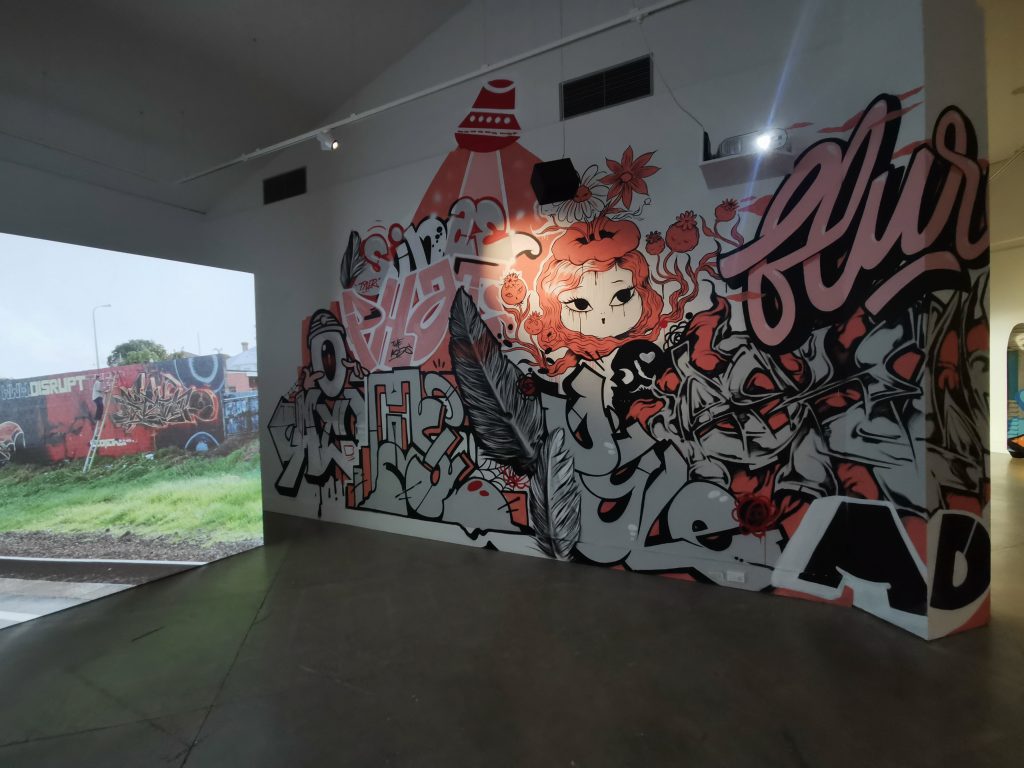
Tucked around the corner, a rotating selection of photographs (photographers and crew members Rimoni and OneDeap have been key documentarians of this history) adds a personal face, members depicted painting, posing, and playing, projected oversized on the gallery walls, imbuing candid moments with significance. Either side, collaborative wall paintings highlight the traditional graffiti approaches and styles of crew members, referencing the common form of crew productions, as well as providing a bridge towards the gallery space and the work artists have developed over ensuing years. These immersive spaces are informative (notably the stories are not given to you in wall text, they become part of the environmental detail – wafting audio, static encoded video, interactive elements and references in the most traditional urban forms – tags and wall writing, a fit for graffiti’s own historical recording which has for a long time been largely folkloric), providing important context for viewers before they cross the threshold into the white cube space.
A collaborative crew production and projected images by crew photographers inside the The Dowse exhibition.
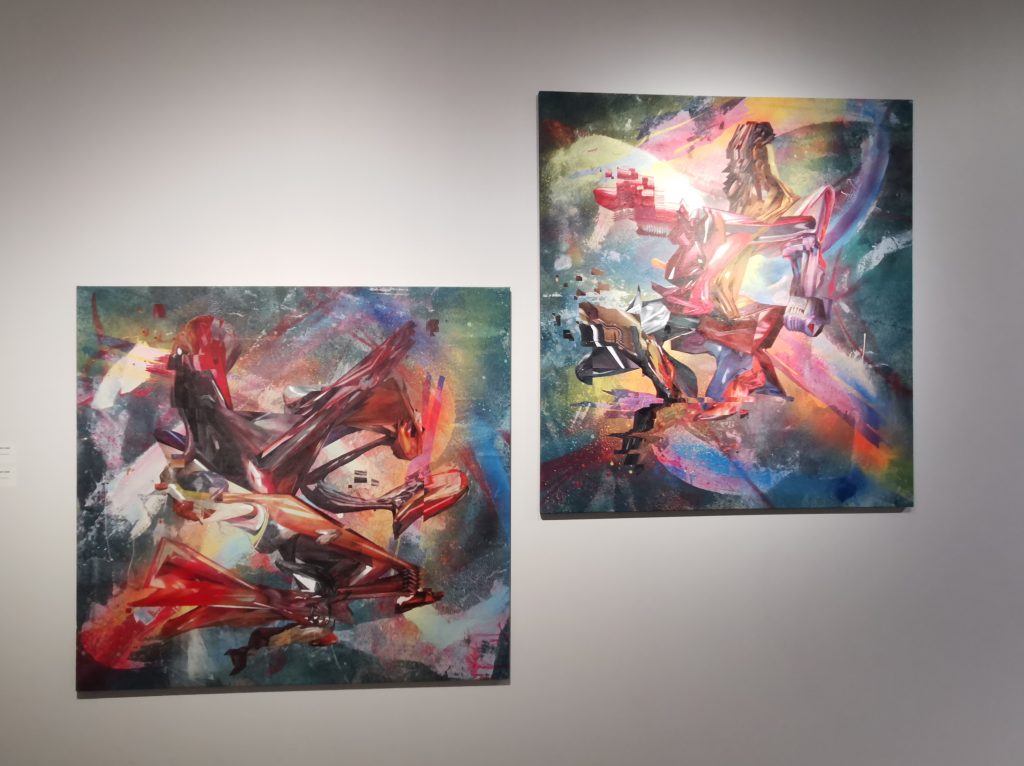
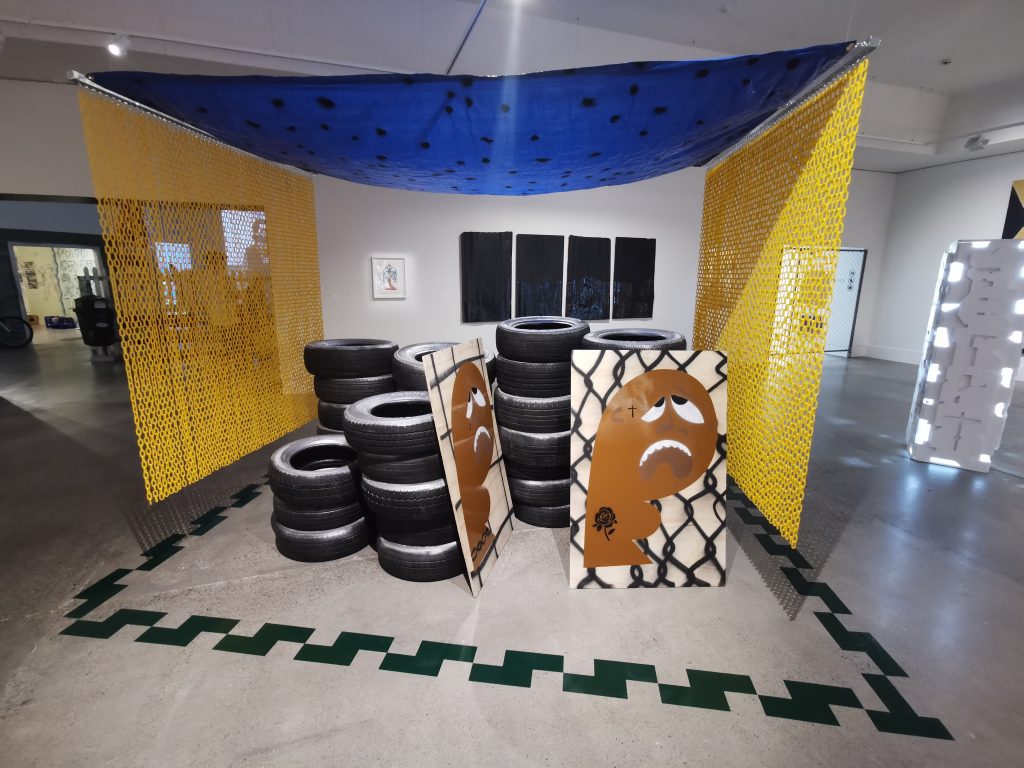
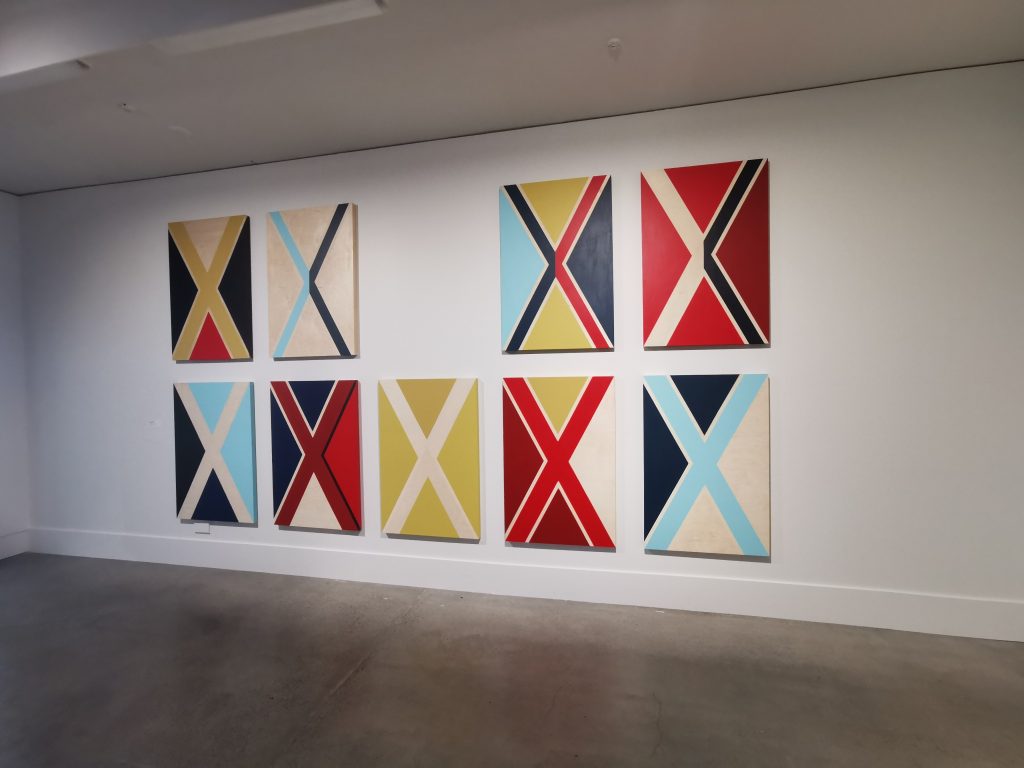
The ‘Post-Graffiti’ gallery space features works that span the spectrum of practice. Book-ended by impressive works at either end; Benjamin Work‘s tapa cloth-inspired banner unfurled from wall to floor, drawing on the iconography of his Tongan heritage and Lady Diva’s subtle flag-like geometric abstractions on wooden panels, suggesting references to carving and weaving that perhaps raise ideas of colonialism and imperialism, the spaces in between are filled with varied works. Askew‘s glimmering digital-influenced painterly abstractions that draw on the spectre of shifting human presence in our urban environments contrast with Deus’ (Elliot Francis Stewart) intricately illustrated coffee table, drawing the viewer closer to inspect the stunning graphic details on a mundane domestic object. Gary Silipa‘s unsettling and powerful installation filled with painted tyres, yellow chain links, tarpaulin and painted iconography sits near the still reverence of Berst’s pillar-like sculptural letter forms, light emanating from inside to give a celestial glow to an apparently devotional monument to graffiti. Other works highlight a raft of concerns, from social issues, cultural and national identity and self-reflection, to moments of everyday life, process-driven focus, riffs on the traditions and evolutions of graffiti writing and the urban environment and striking abstract ruminations. The diverse spectrum of themes, as well as styles, materials and approaches, suggests the personal creative journey of each contributor, and yet, there is an undefinable connection as well, the shared experiences and the original creative impetus of graffiti hang in the air, unifying the collection without requiring explicit threads.
Paintings by Askew One in the Post-Graffiti section of the exhibition.Gary Silipas installation in the Post-Graffiti section of the exhibition.Lady Divas works in the Post-Graffiti section of the exhibition.
While the format may mean some viewers relate with specific elements more than others, the narrative of TMD: An Aotearoa Graffiti Story could not be told in one presentation style alone. As it was probably to be expected, the exhibition drew some criticism for the presence of tagging, but to pick such a quarrel is to miss the bigger picture. Graffiti writing brought these young people together and is part of their creative pathway. The presence of graffiti is a central and necessary part of the story, informing the narrative both socially and formally. TMD: An Aotearoa Graffiti Story revels in the celebration of collectivism and its empowering potential for individual members. As a representation of urban art’s roots and future pathways, TMD: An Aotearoa Graffiti Story is surprisingly focussed. Rather than a pervasive survey of graffiti and street art in New Zealand, TMD: An Aotearoa Graffiti Story, nodding to those that came before and winking to the future, is grounded in the environments and relationships of the artists of TMD, a camaraderie that emanates throughout the history of this crew and the show itself.
TMD: An Aotearoa Graffiti Story at The Dowse Art Gallery runs until June 2021.
High and low, under and above, inside and outside, protected and exposed. The city presents innumerable contrasts, all of which can provide opportunities for intrepid artists. From graffiti writers marking spaces no one else sees as useful or functional, to street artists creating moments of engagement in unexpected places, a city is always full of sites to explore and alter. From rooftops to wooden hoardings, lampposts to stop signs, revealing, playful and existential interventions can be found across and beyond our lines of sight. This diversity of locations is matched by the diversity of practice, with no material form invalid or off-limits; Chero One’s rocket ships, painted scrolls, or even hot sauce-filled buttons warning you not to do what you so urgently want to do. Always mimicking the visual culture that we come to expect, such interventions play on our tendency toward assumption. Popular culture rifs depend on your recognition of trends and eras, like digital memes, requiring some savvy understanding. Anti-advertising grasps the ubiquity and absurdity of commercial communications. Graffiti is an expected response to our dictum that success means having your photo on a billboard or the back of a bus. Ultimately, the streets are full of life, both official and unofficial, you just have to look closer and further, higher and lower, under and above, and start to sort out the relationships…
Toothfish Posters make the existential environmental discourse public
While small stickers remind us of some enduring truths
All of you, most of you, some of you, none of you… The words of a Lord Huron song evoke the changing nature of relationships on a small scroll banner, best encountered at night
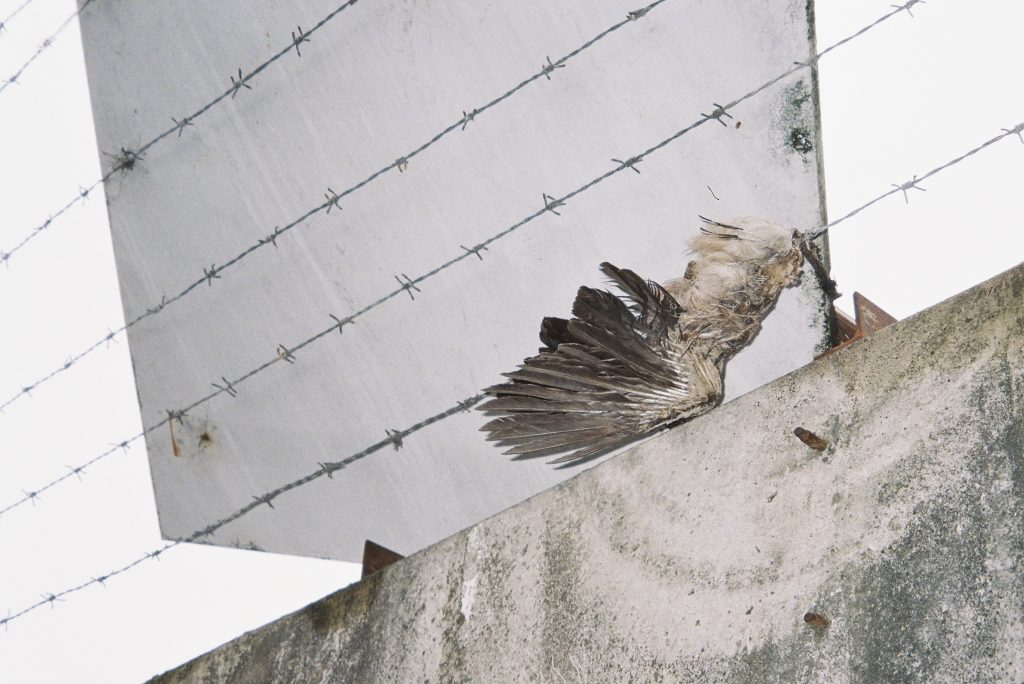
Lost among the barbed wire of the city
Mike Beer’s Do Not Press buttons appeared across the city, daring you to disobey (those that did were met with an ooze of sriracha sauce)
Cheros’ rocket ships require closer inpection on take off…
And as the fungi grows…
Funky traffic management by Akeem the African Dream, a paste-up by Bols
Step to the Exit keeping heads above the clouds
One really has to wonder about the impending end of the world some days…
The passage of time can make for the best curation (featuring Bongo, PK, Teeth Like Screwdrivers, Cape of Storms, Morepork and more)
As can carelessness.
So it helps to break things down and start over, maybe with a plan (like Teeth Like Screwdrivers)
And then just find your place in the world
Analogue memes, with Vez, Teeth Like Screwdrivers, LARFN, and Bexie Lady
Vez’s spoon radiates with light
Lyds’ flowers are a simple, stylised, beautiful presence in the urban setting
Cape of Storms invites us all to Taco Tuesday, where the conversation is always frank
While MFC Lowt perfects the art of glam rock…
Brandon Flowers gets political…
I can’t see anything.
Something so kiwi about this… Suzy Cato and burn-outs
Ghost Cats haunt the city
In New Brighton, the Couplands Laneway stays fresh, this time with work by TBE crew (PK, Oxy, Sucker, Foul, Vesil)
Location, location, location (Vesil, Look)
Juxtapostion, juxtaposition, juxtaposition (Dofey and PNS)
It’s all about angles with Vesal and Dregs
Fuk Toes…
Keep your distance, but always know where you are (IMK)