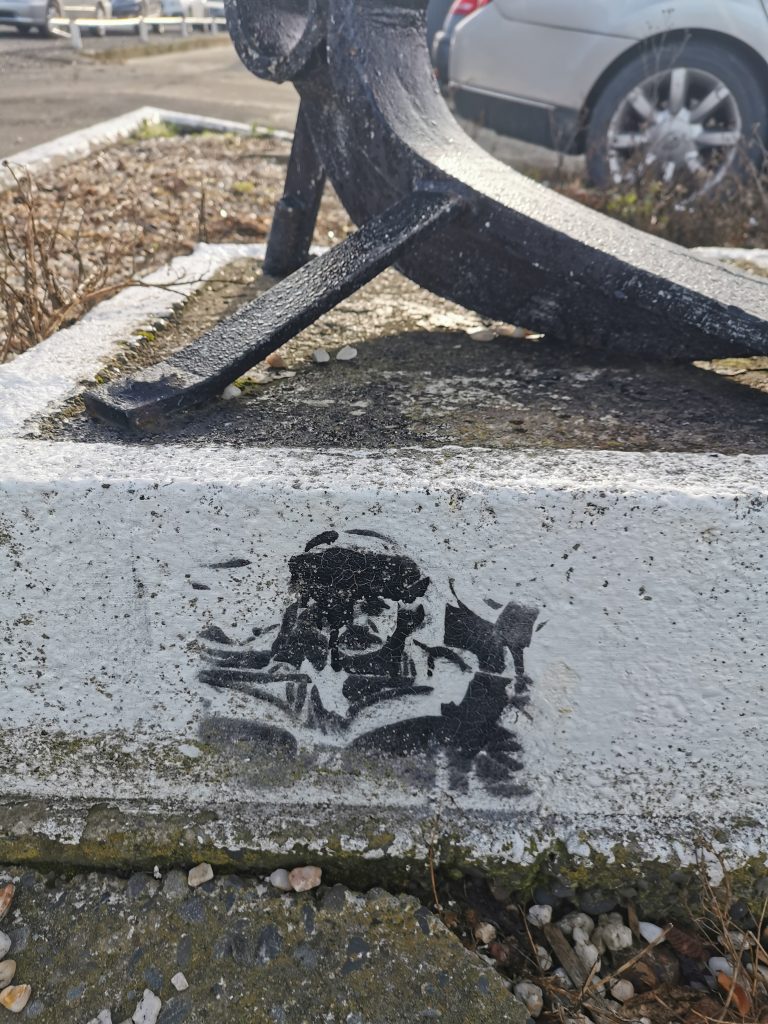
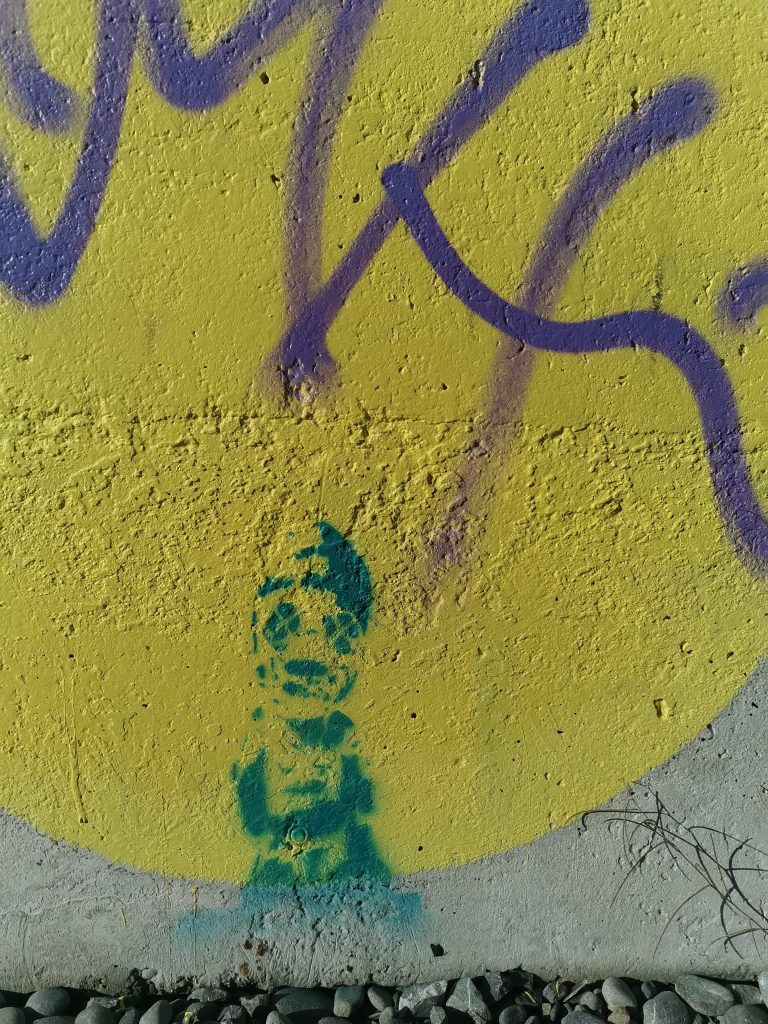
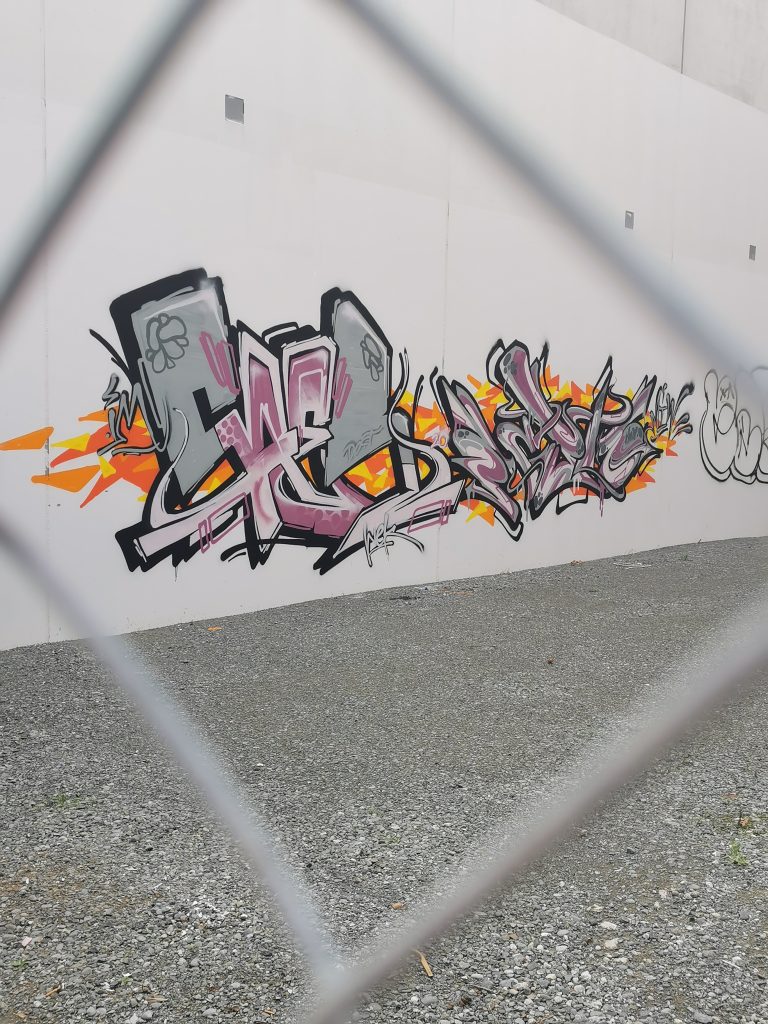
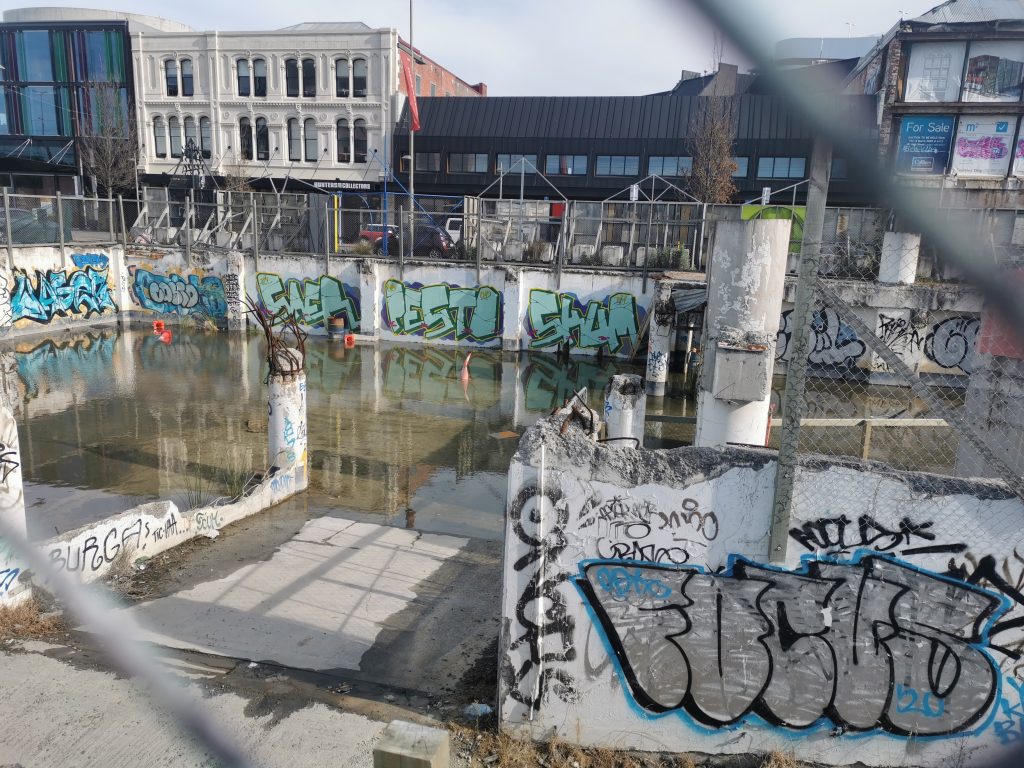
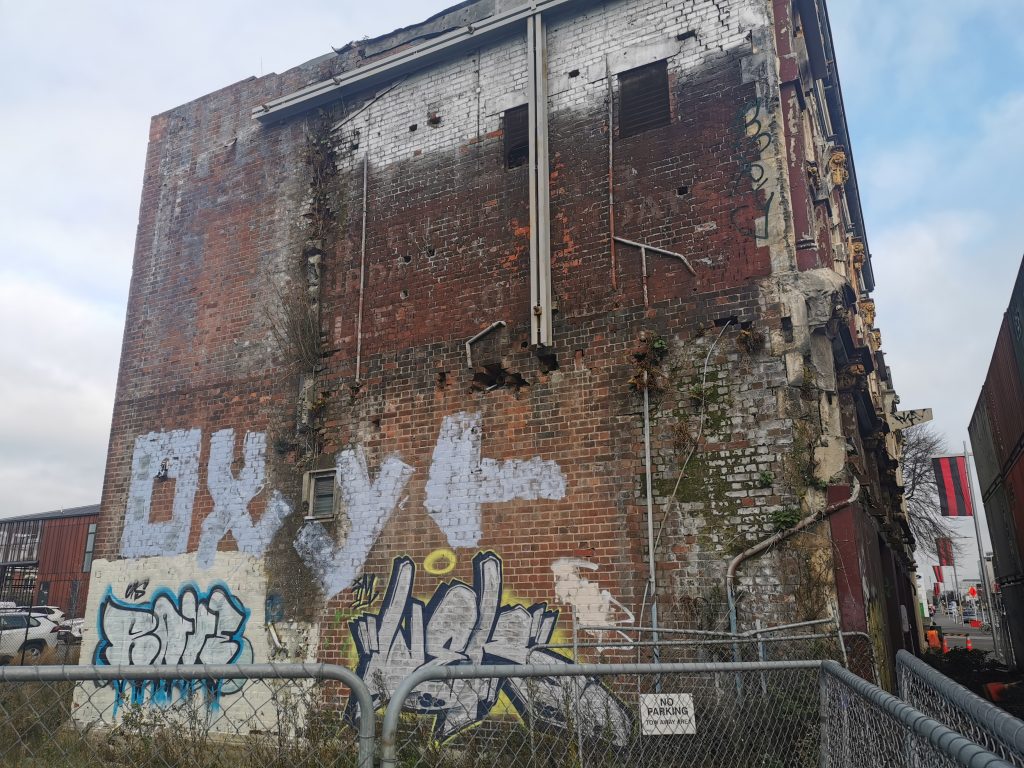
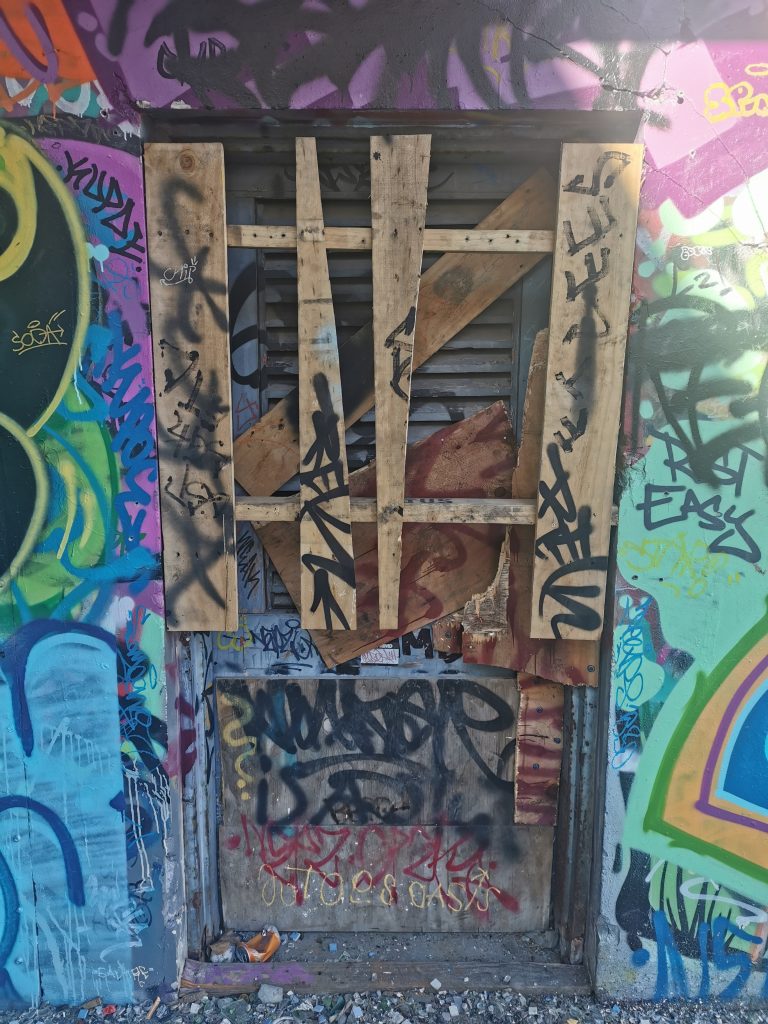
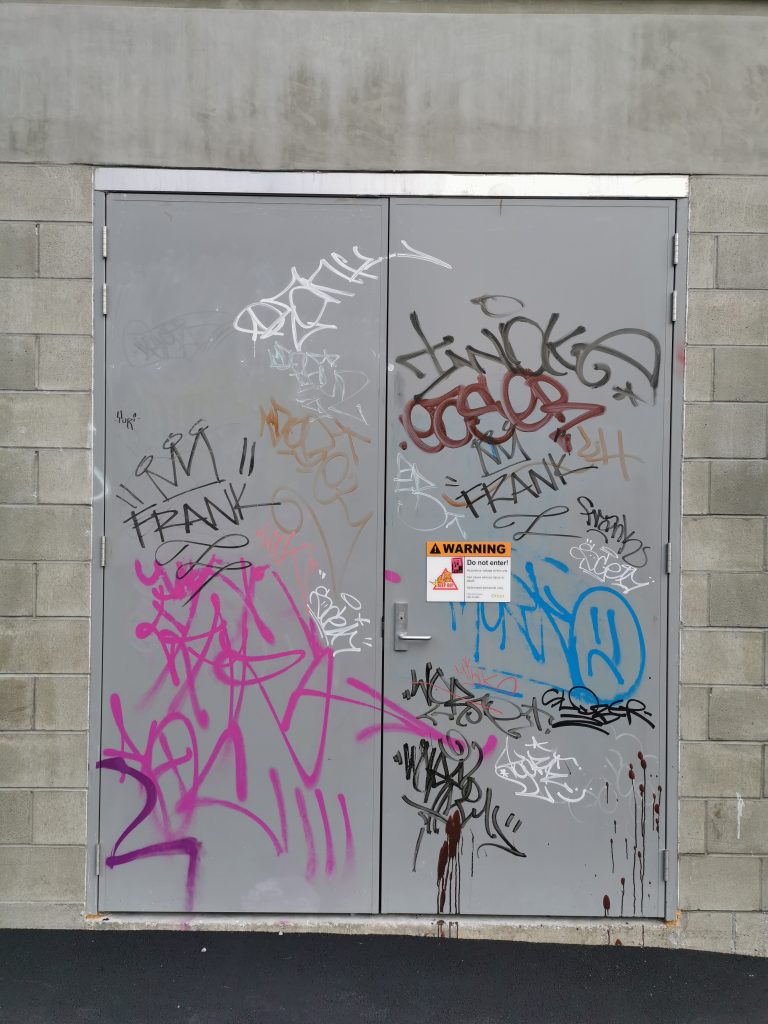
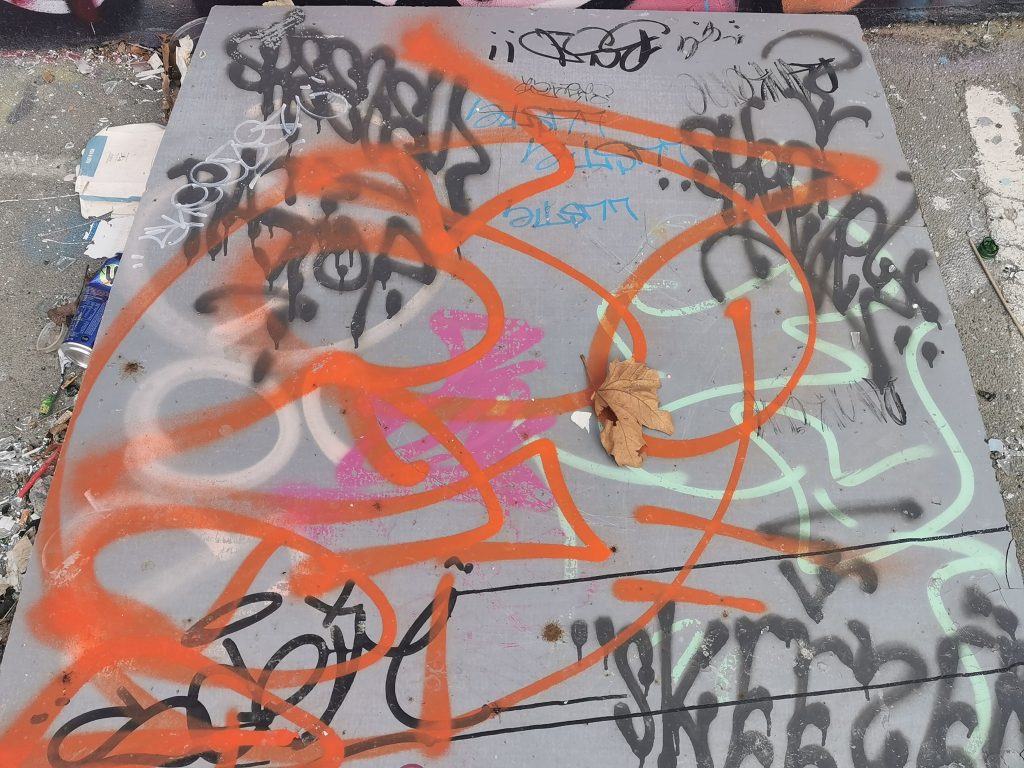
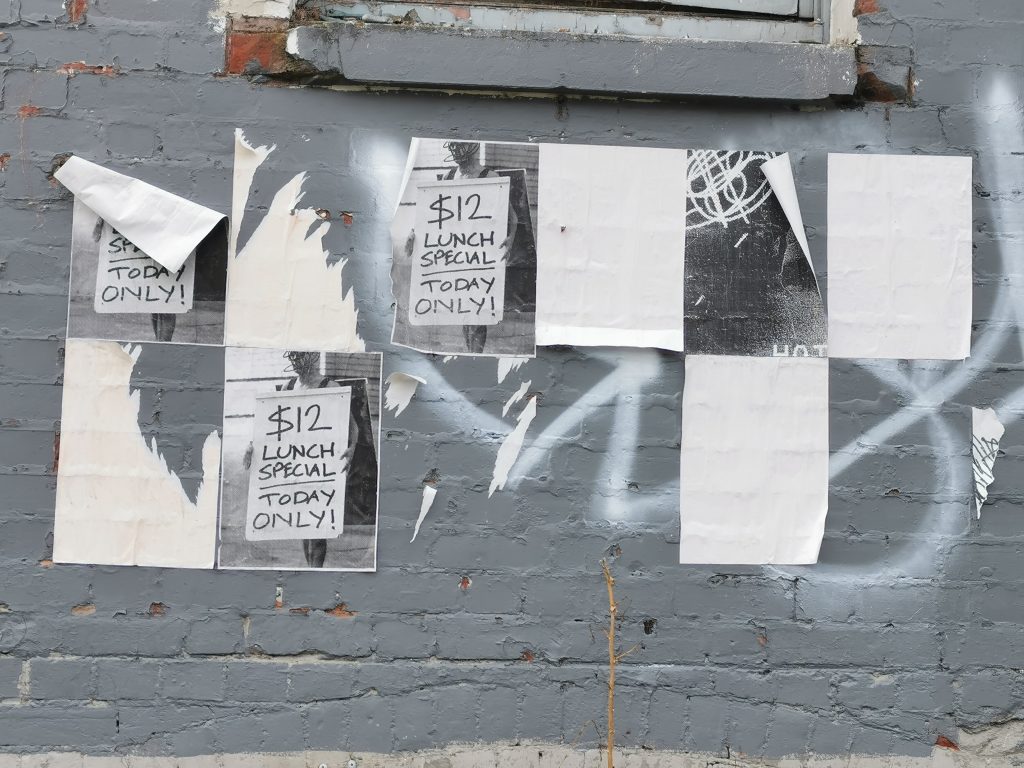
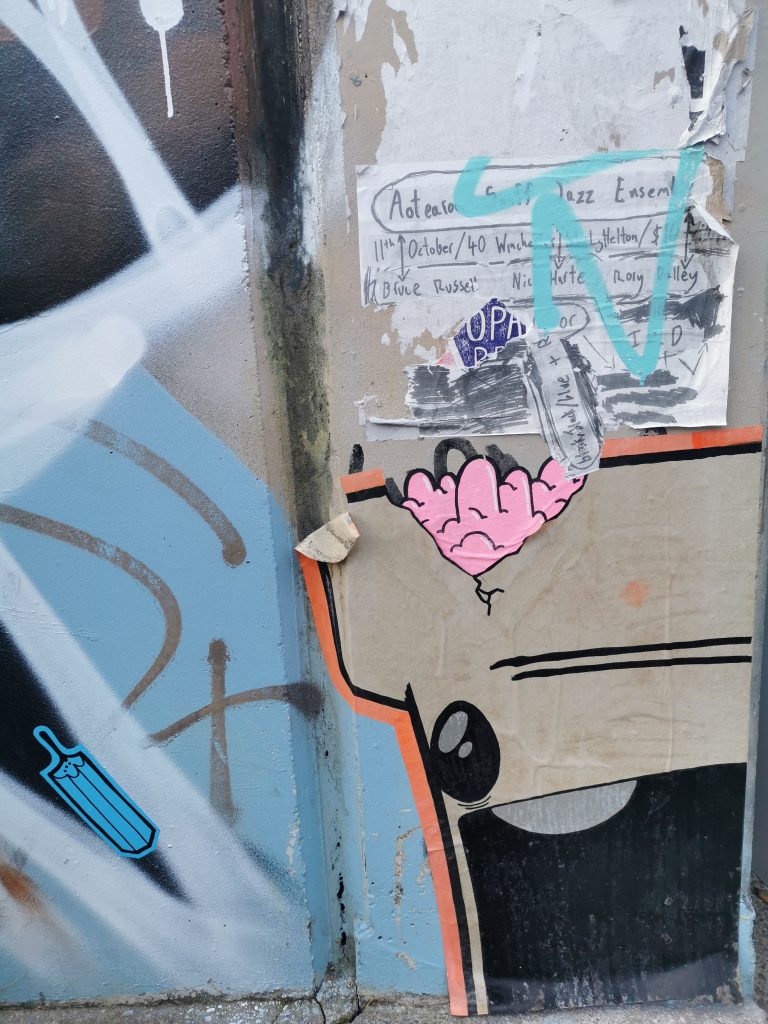
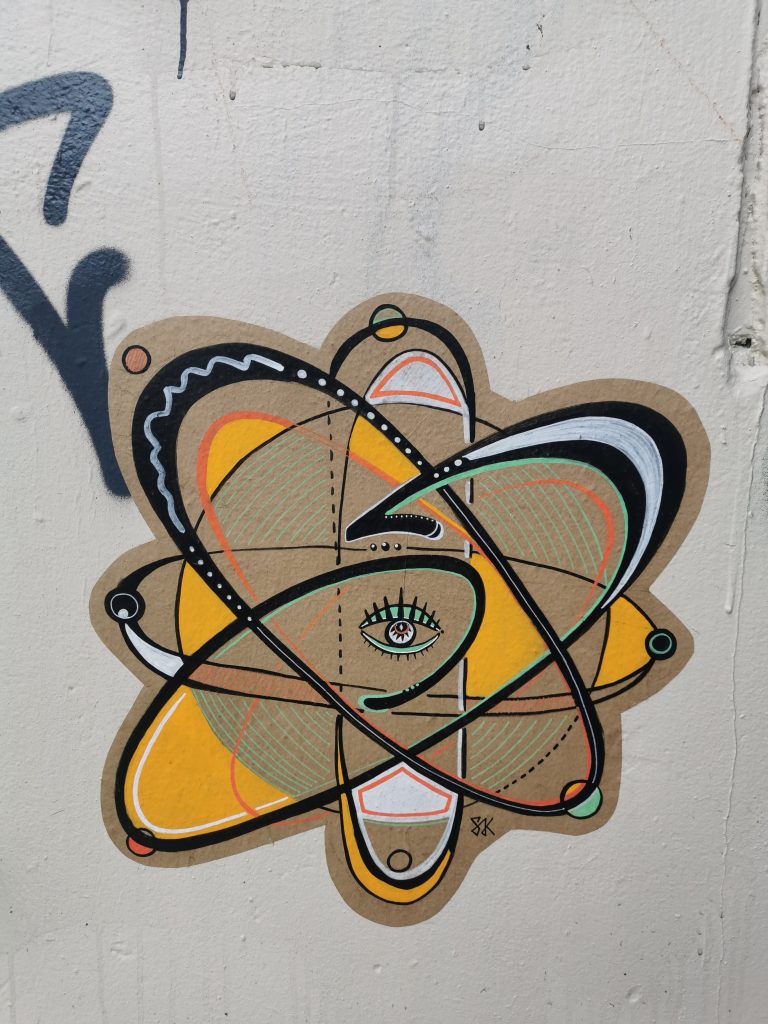
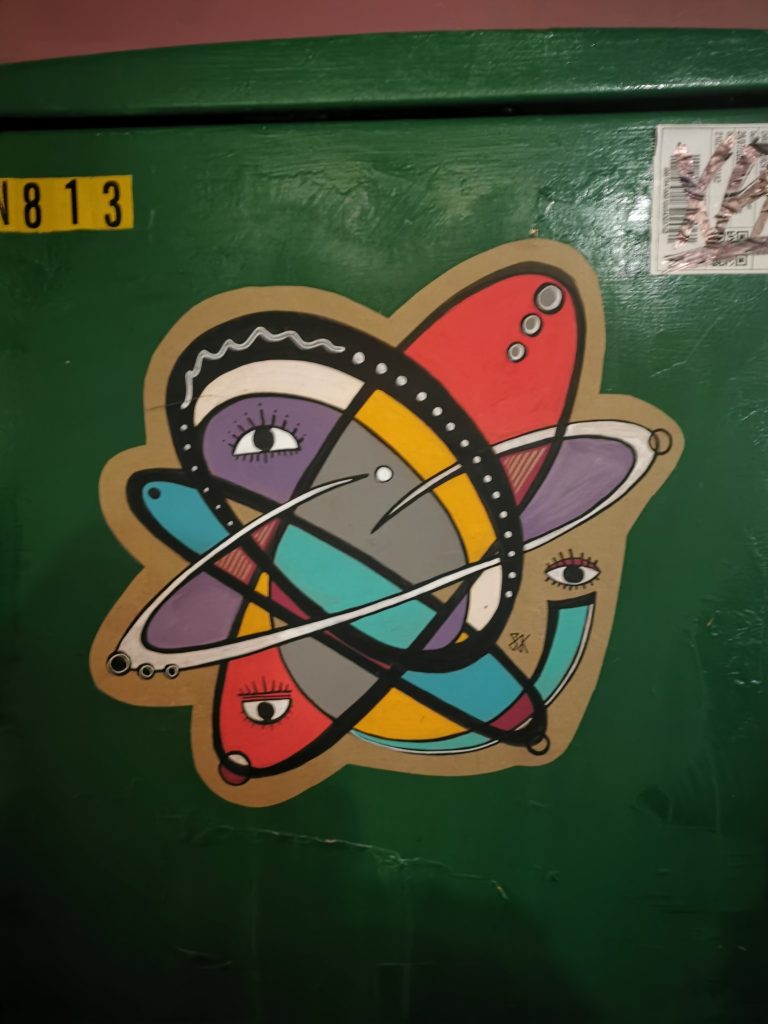
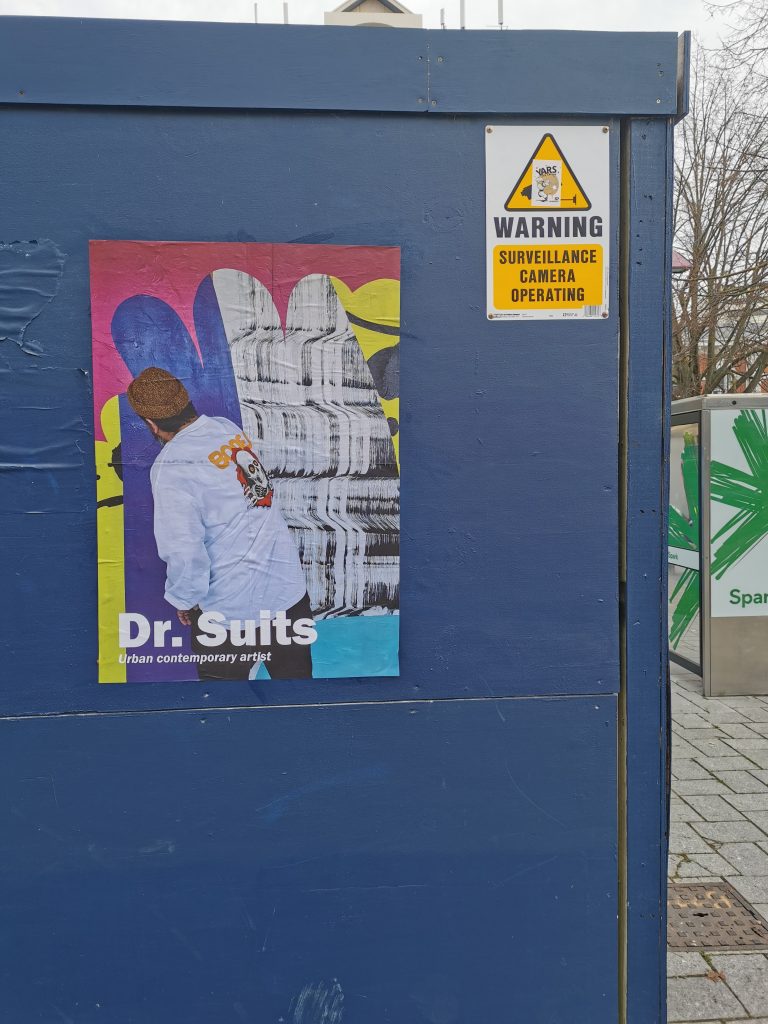
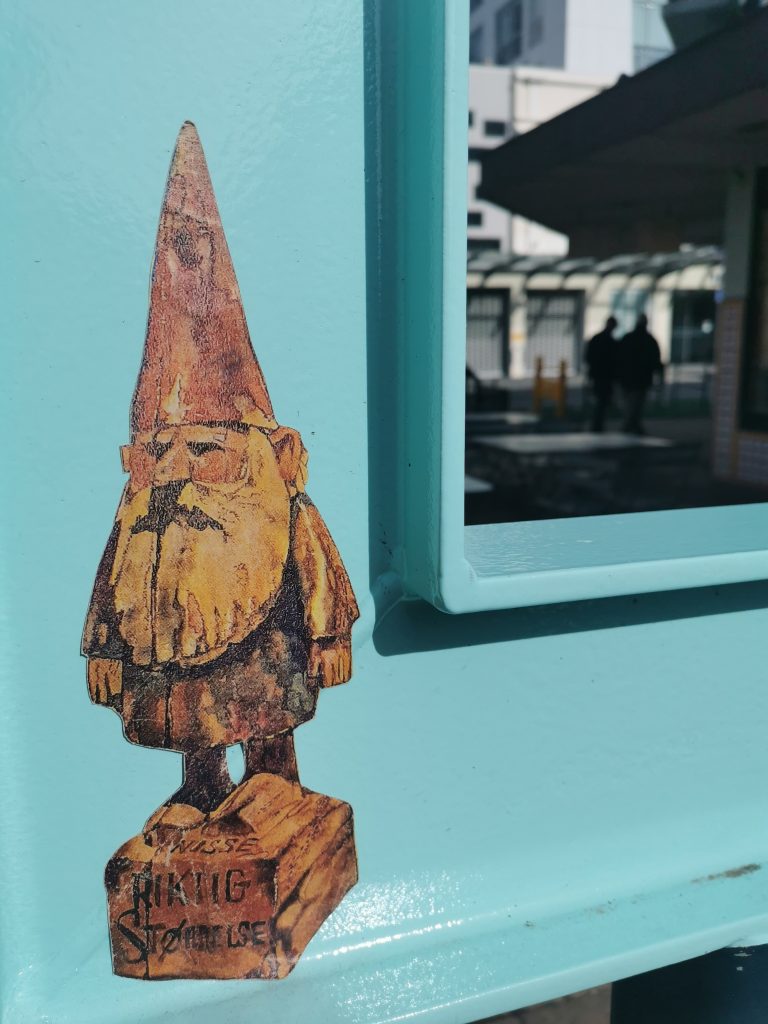
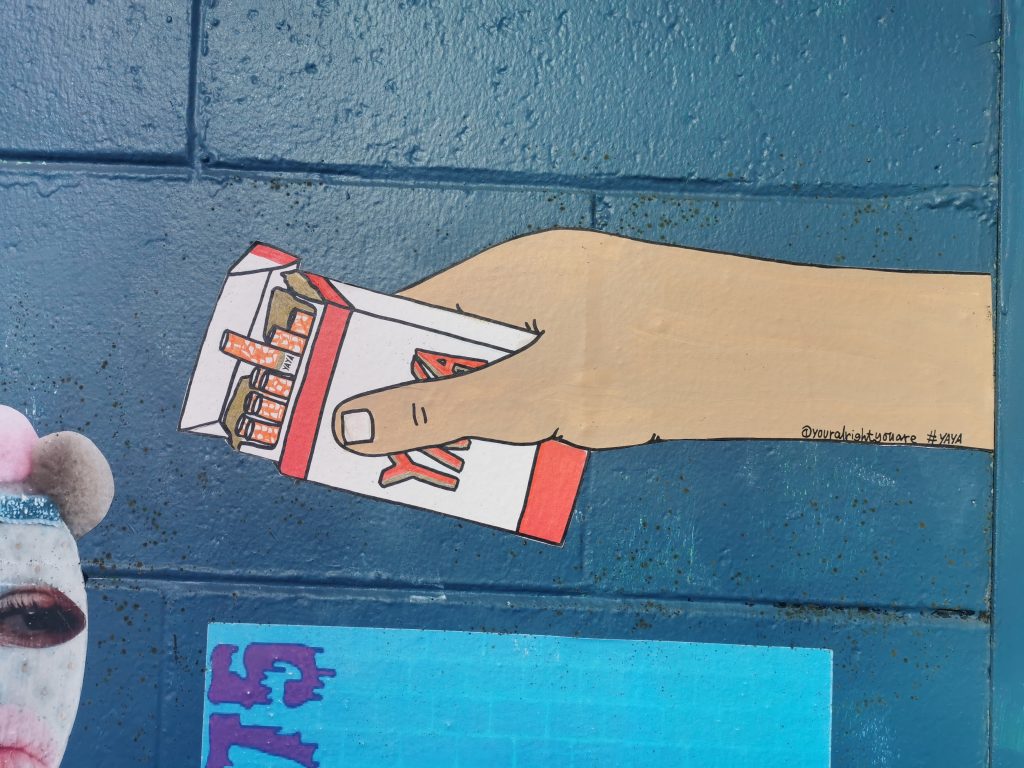
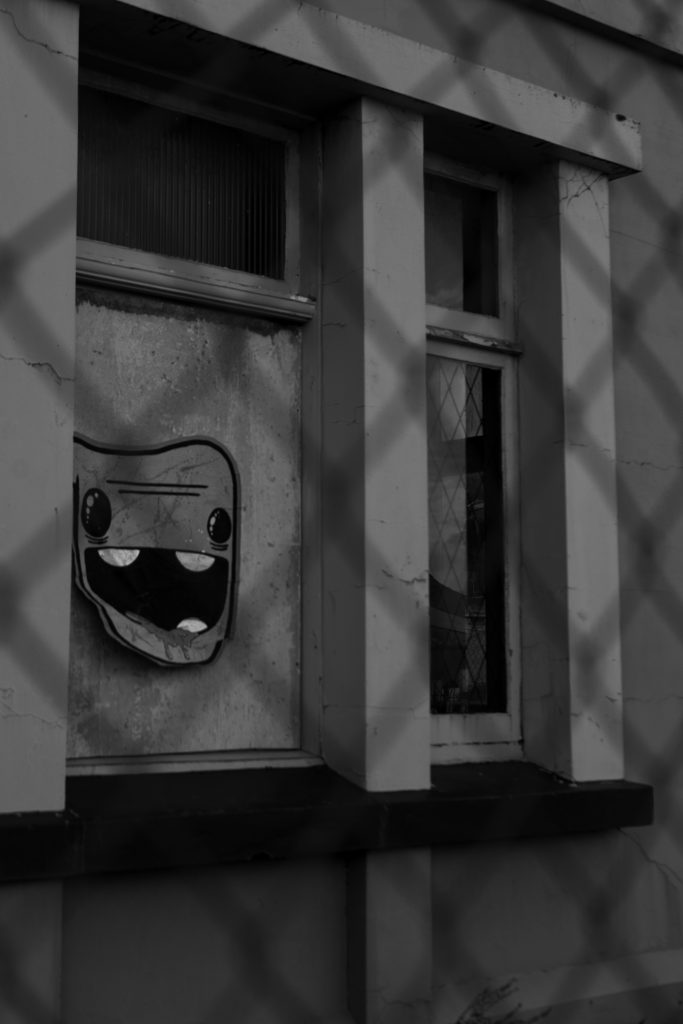
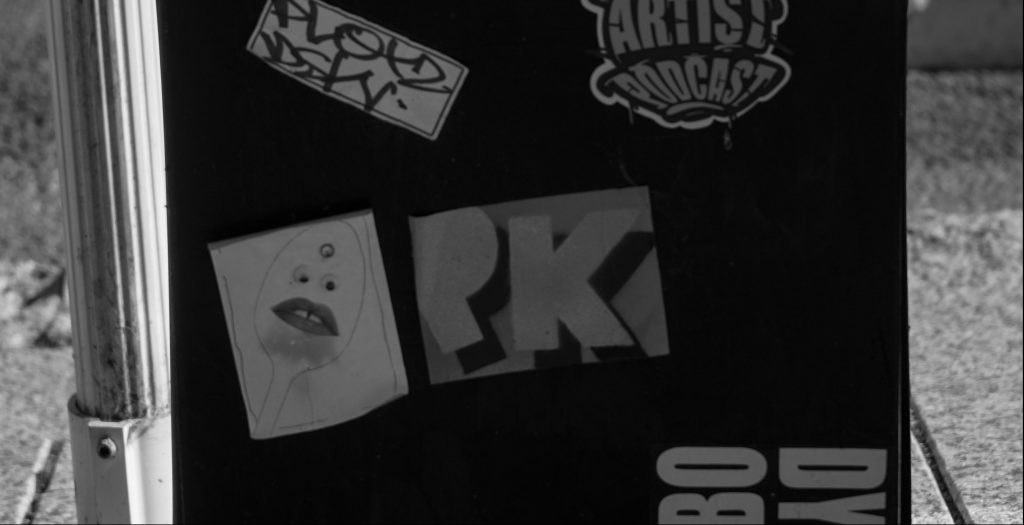
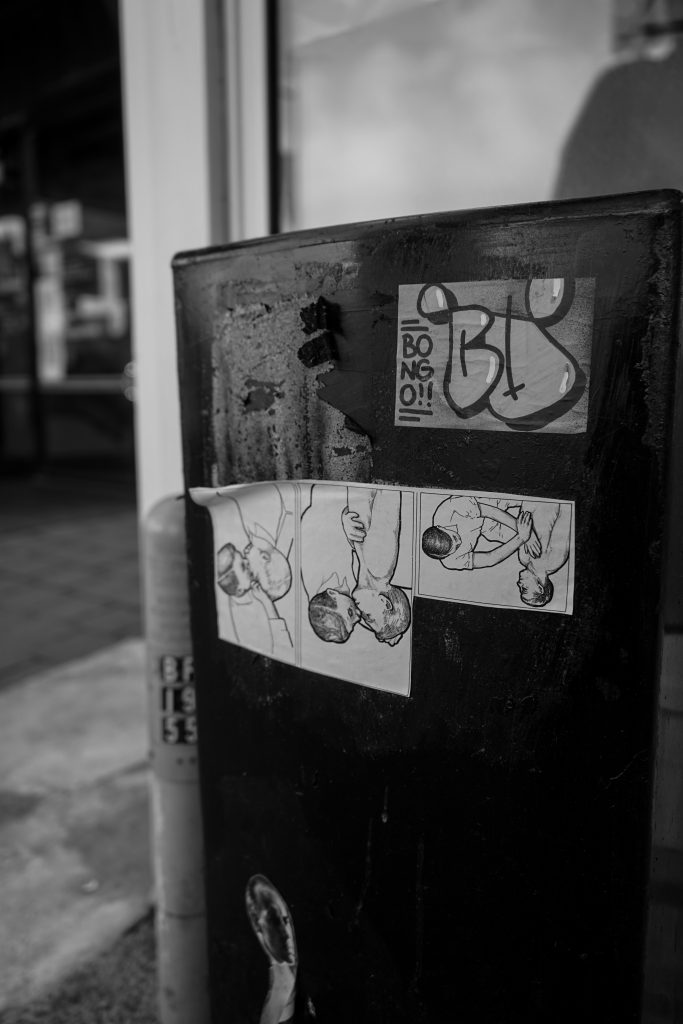
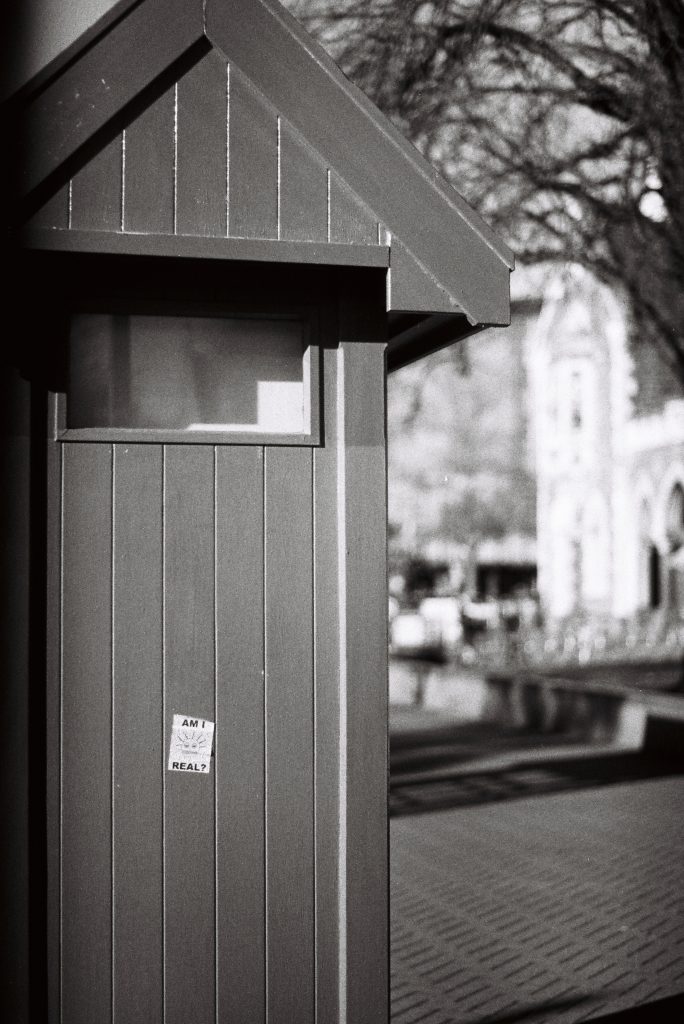
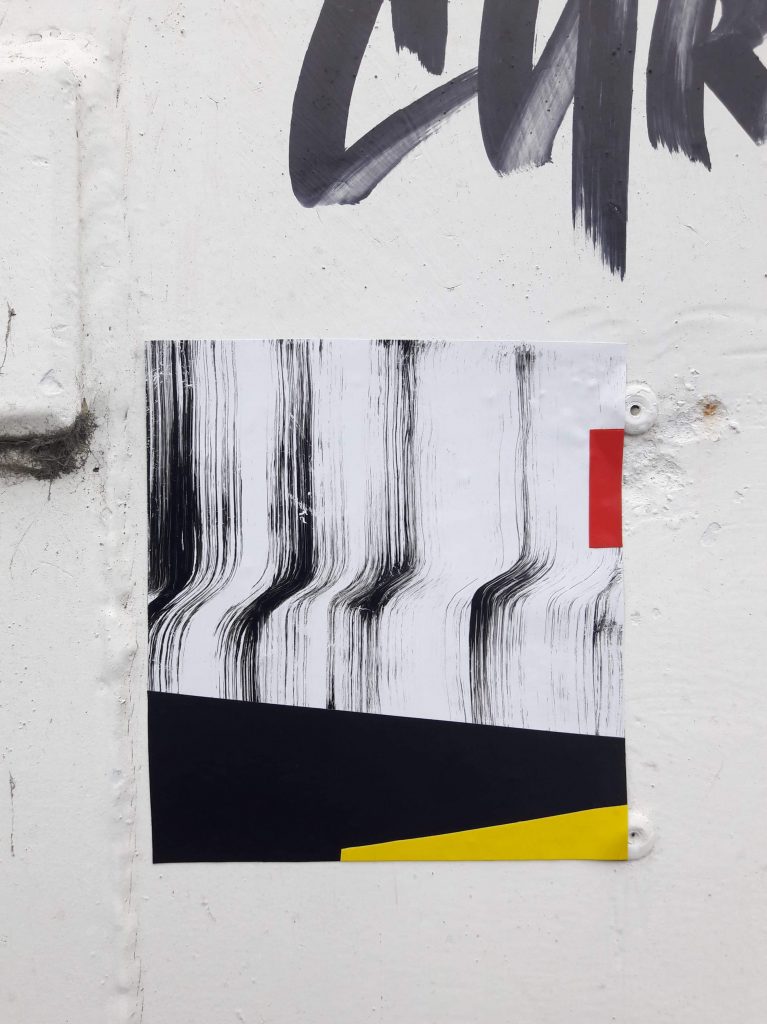
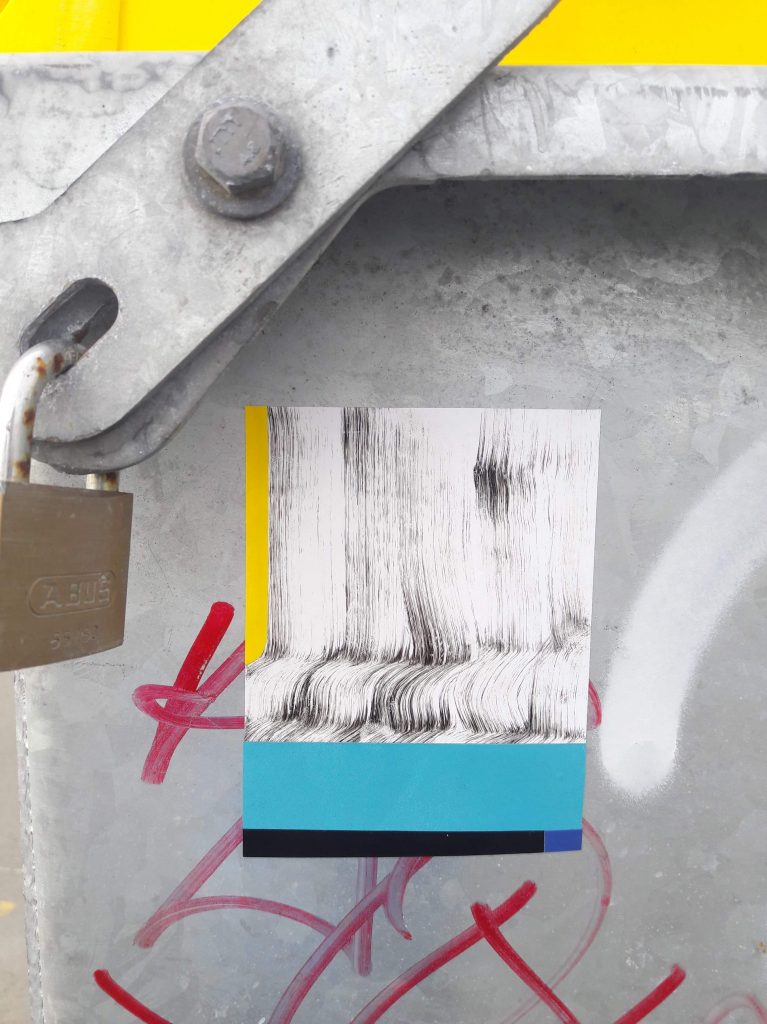
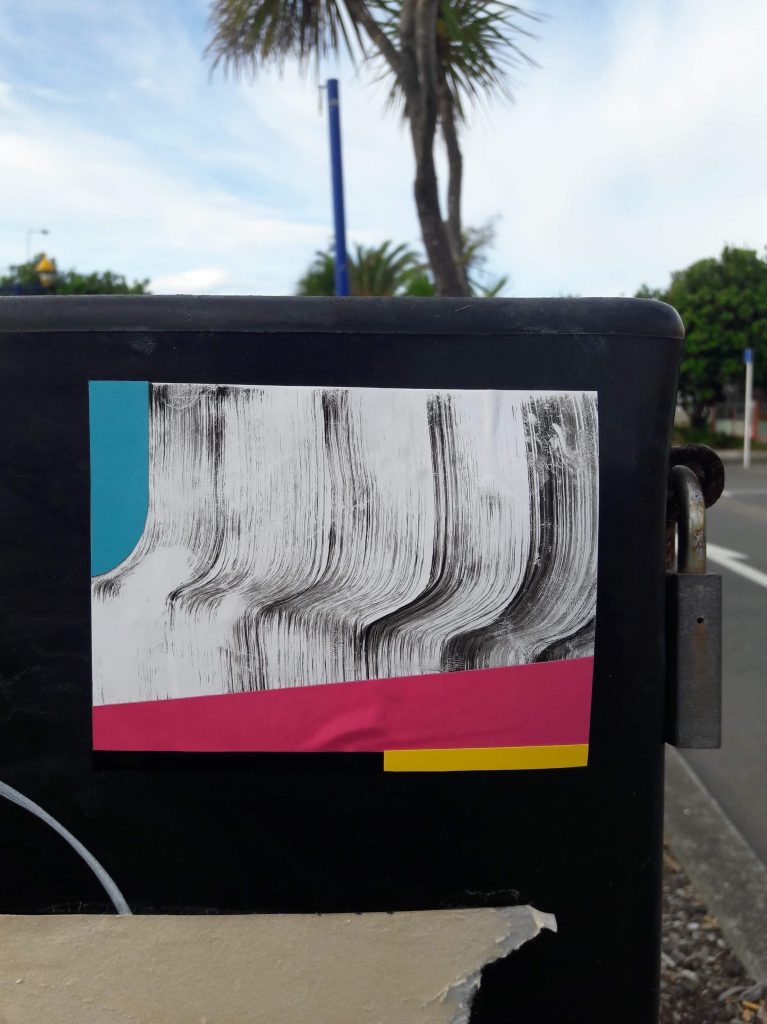
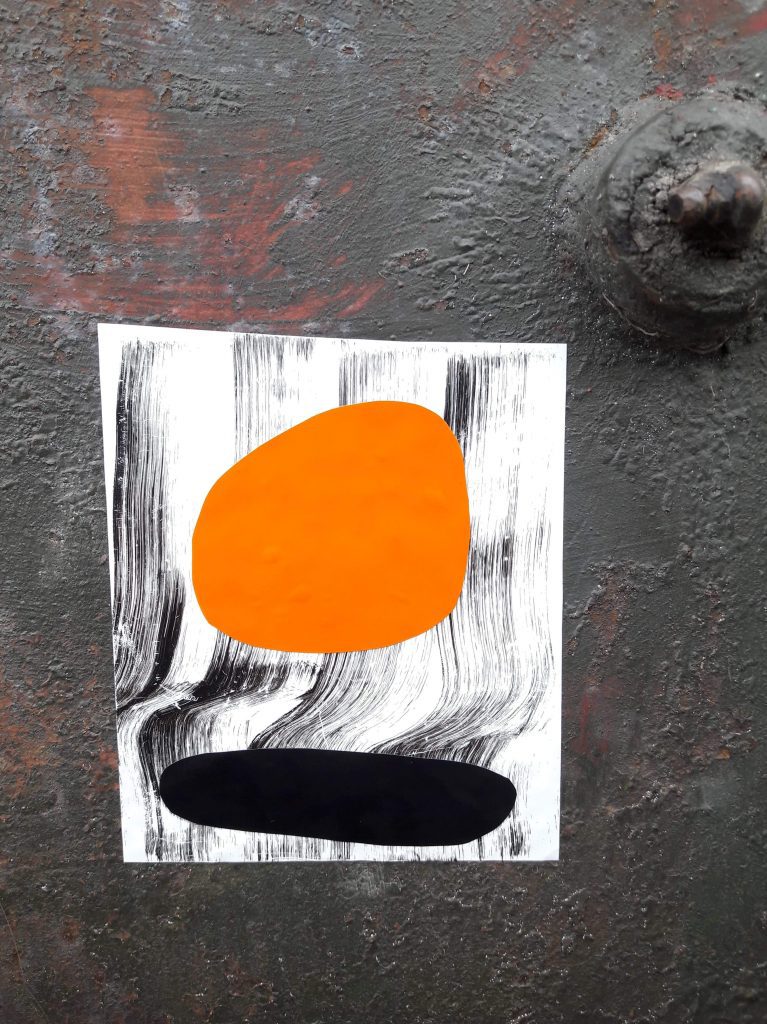
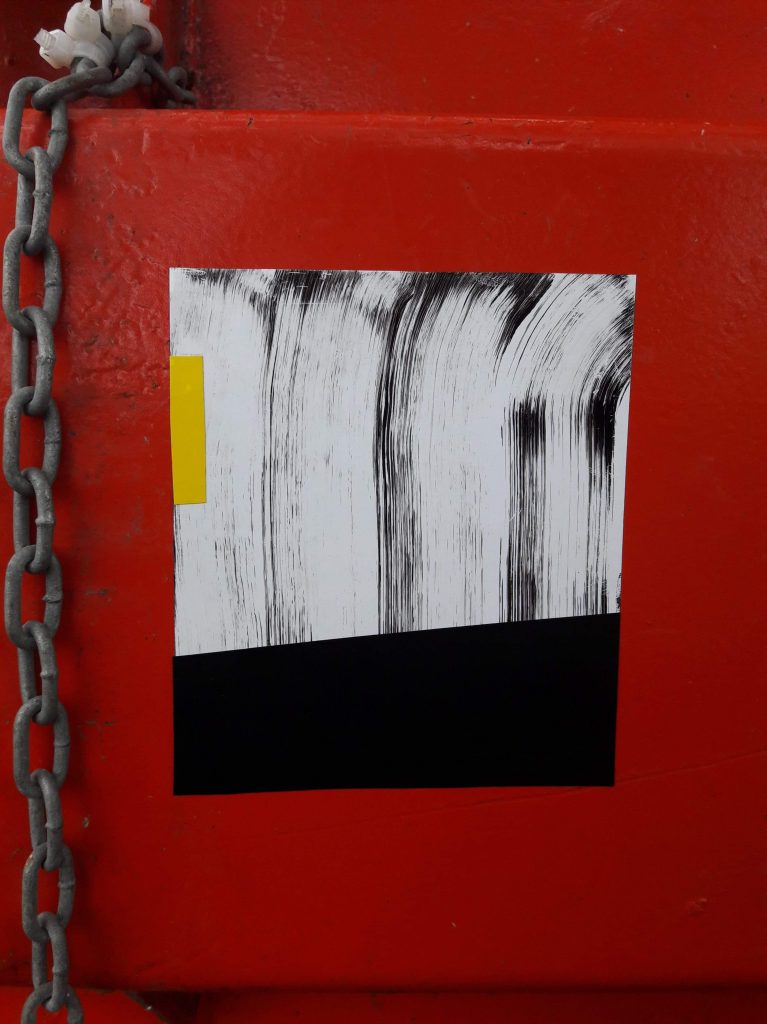
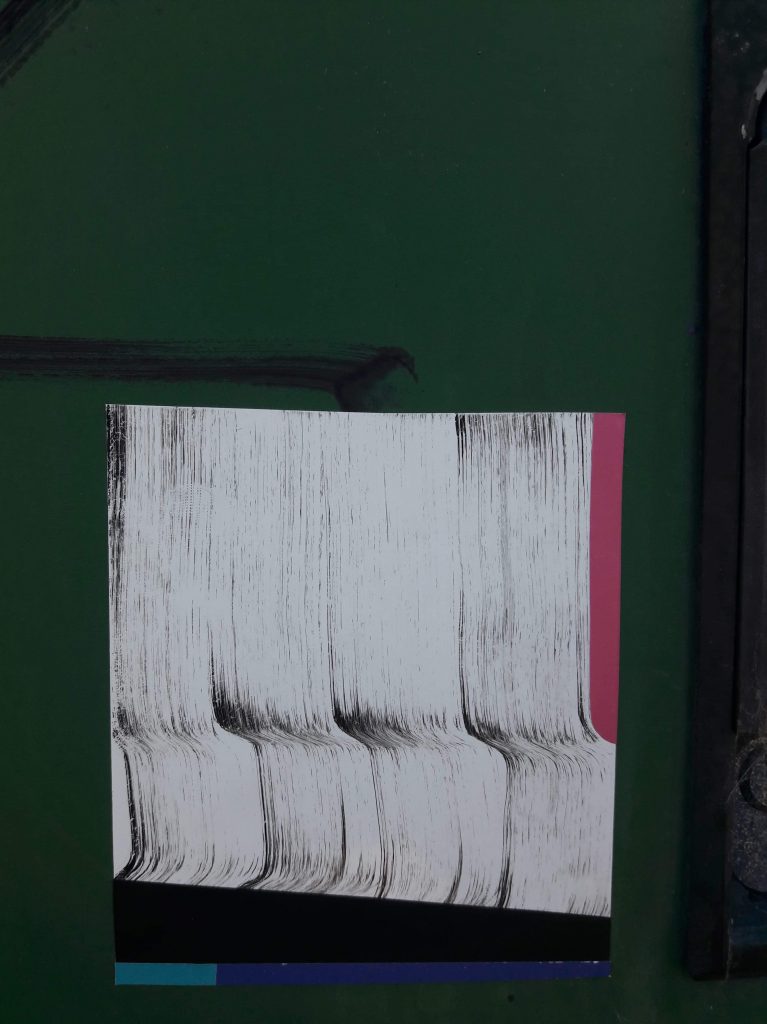
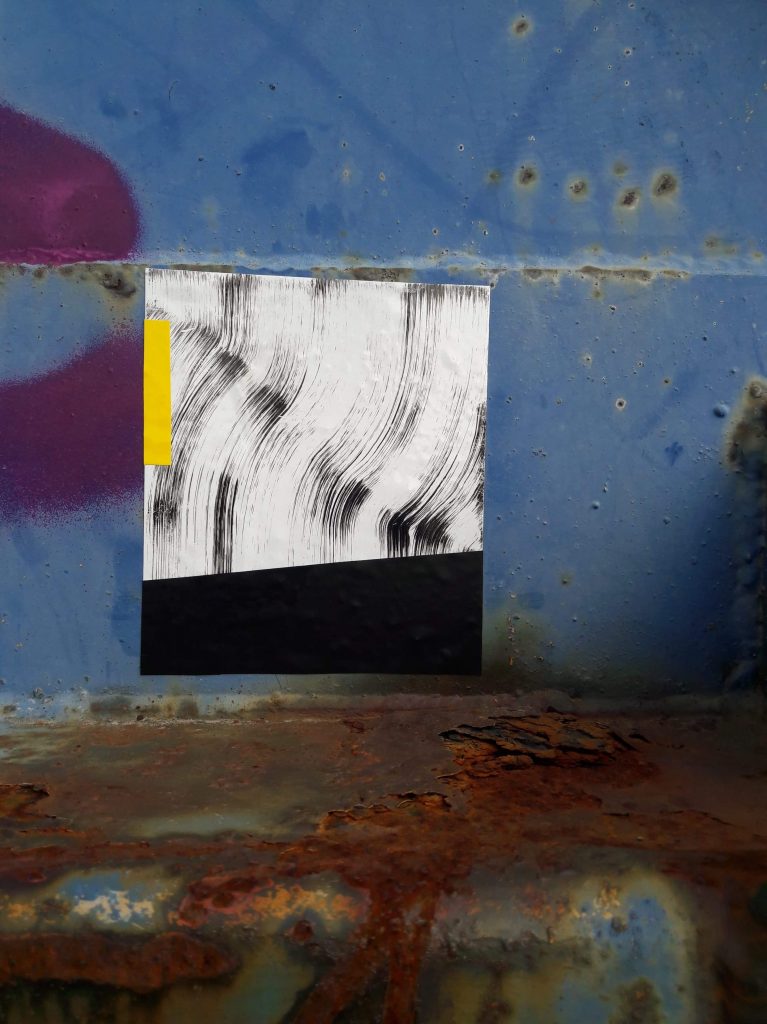
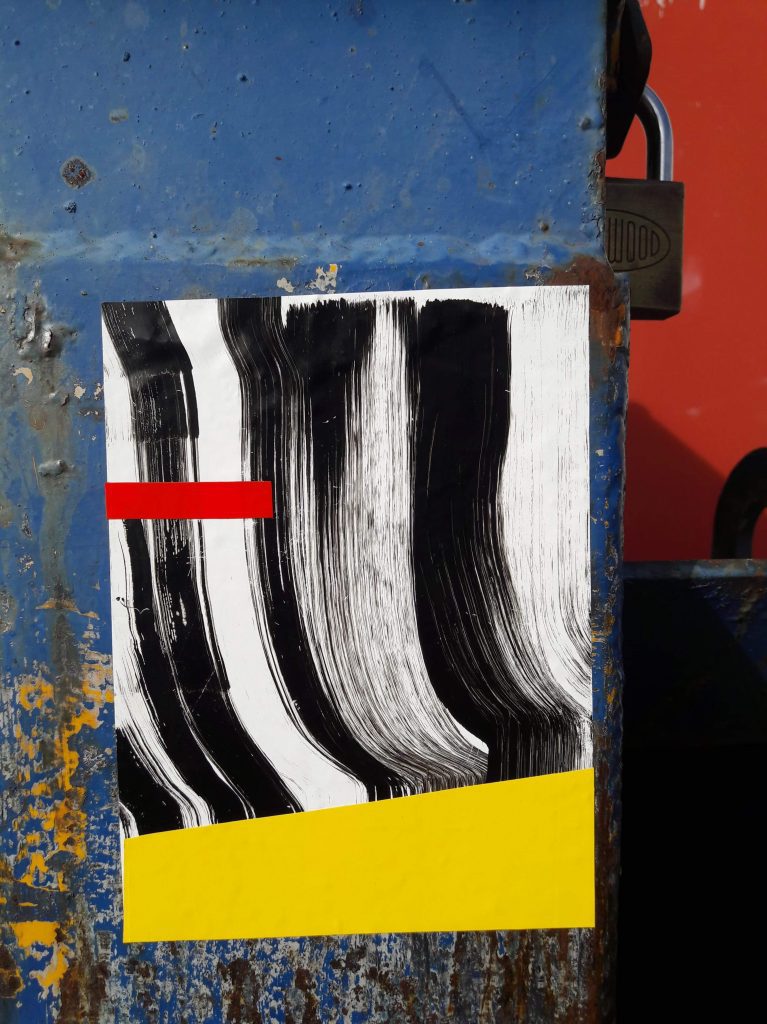
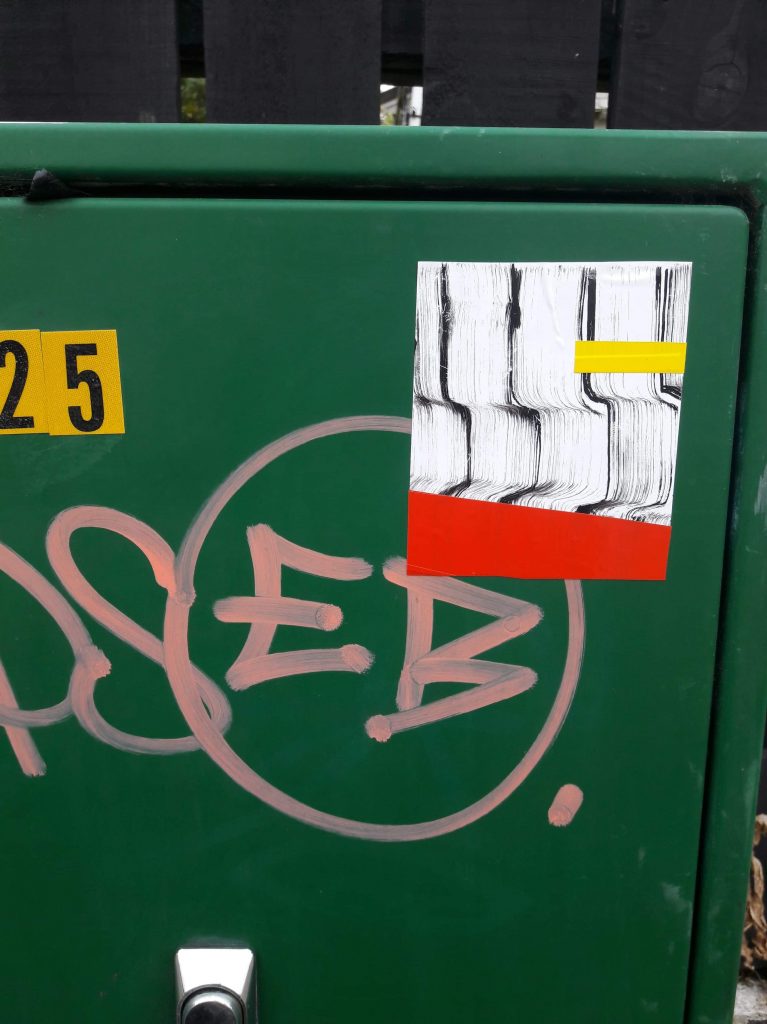
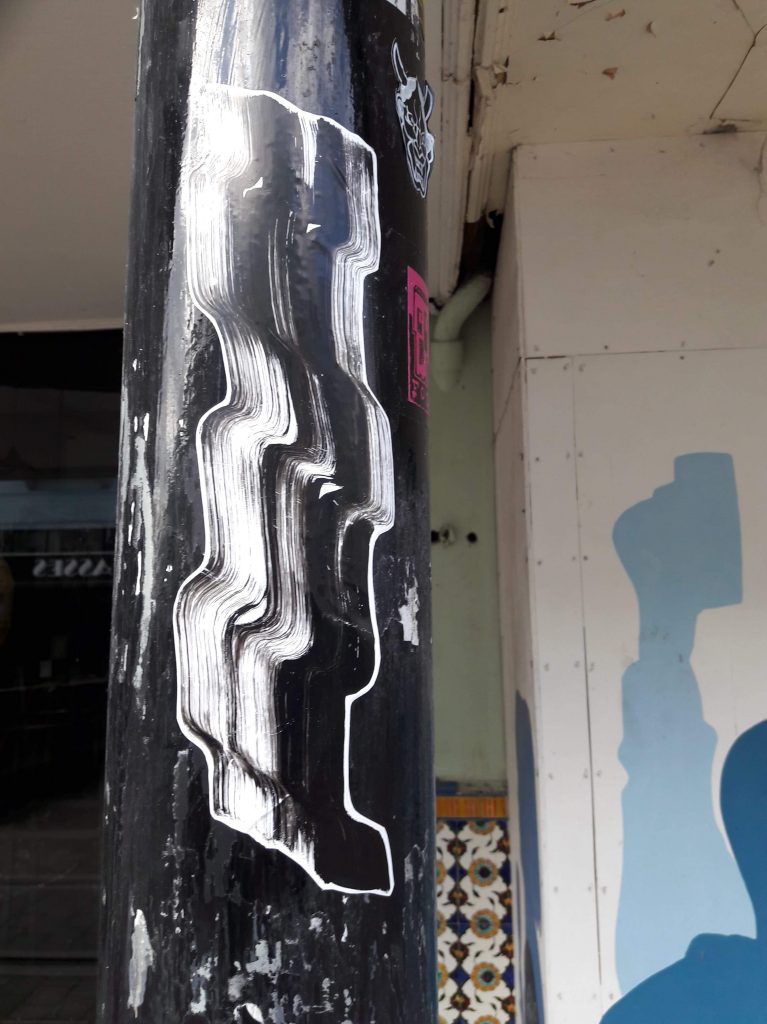
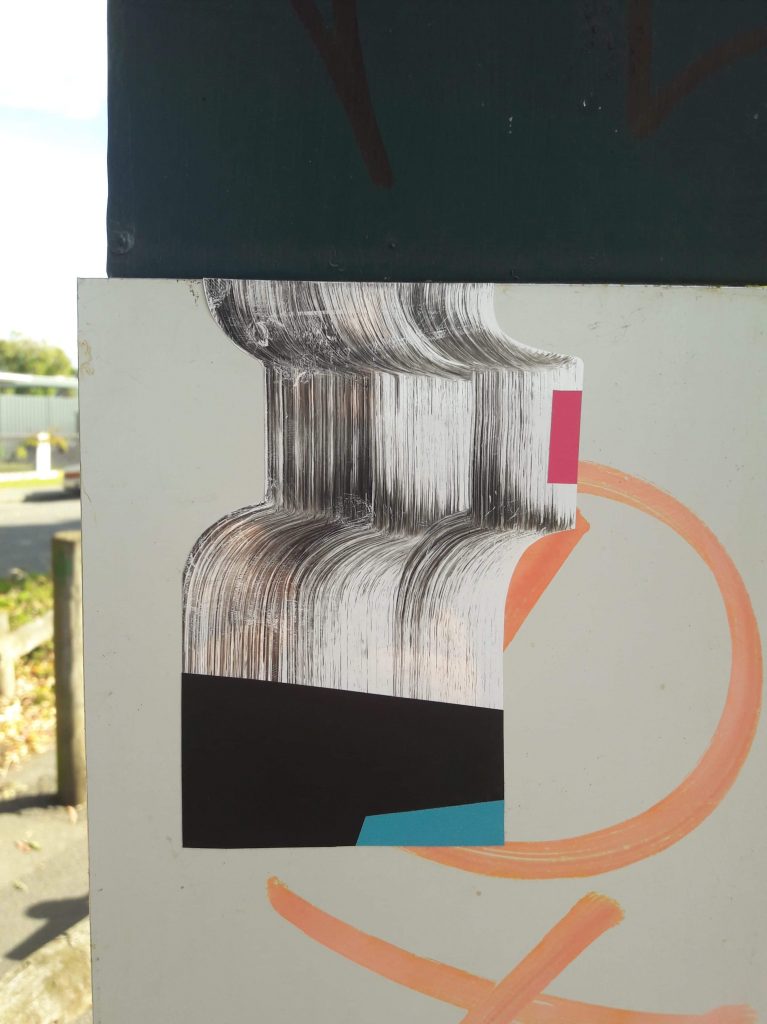
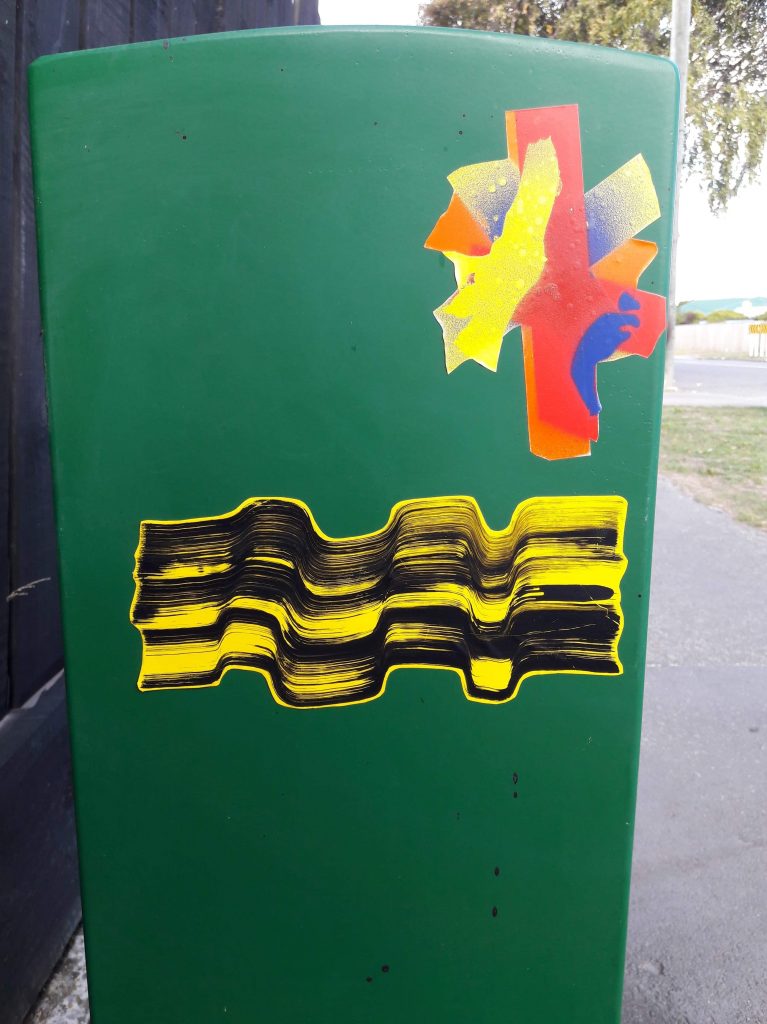
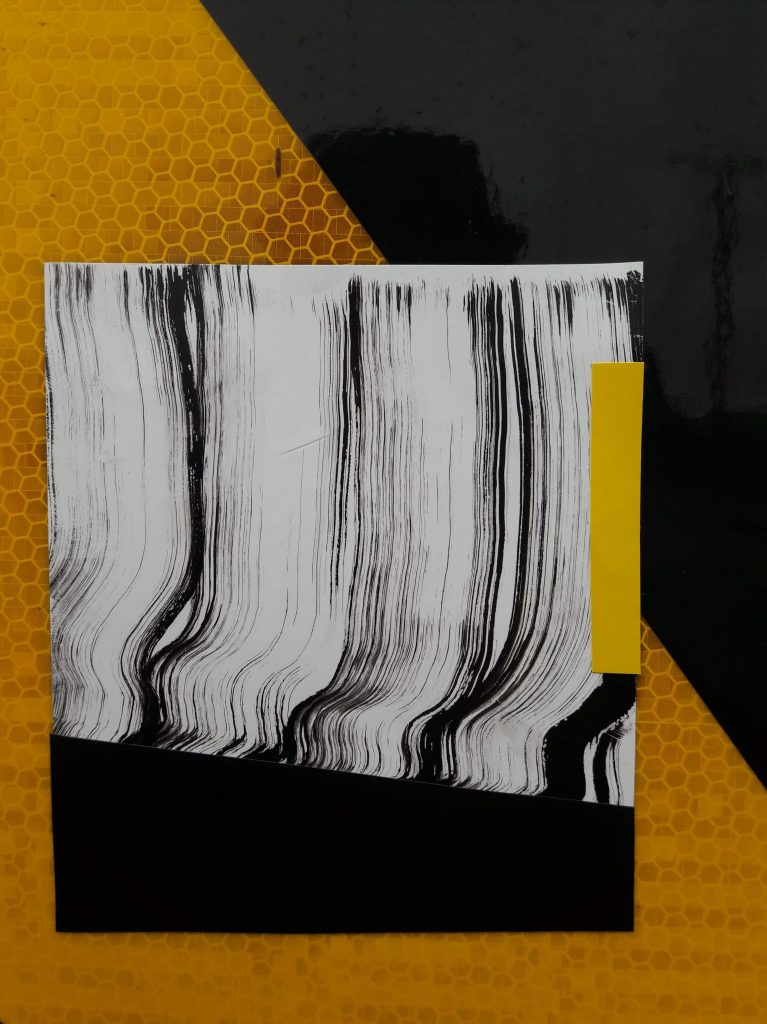
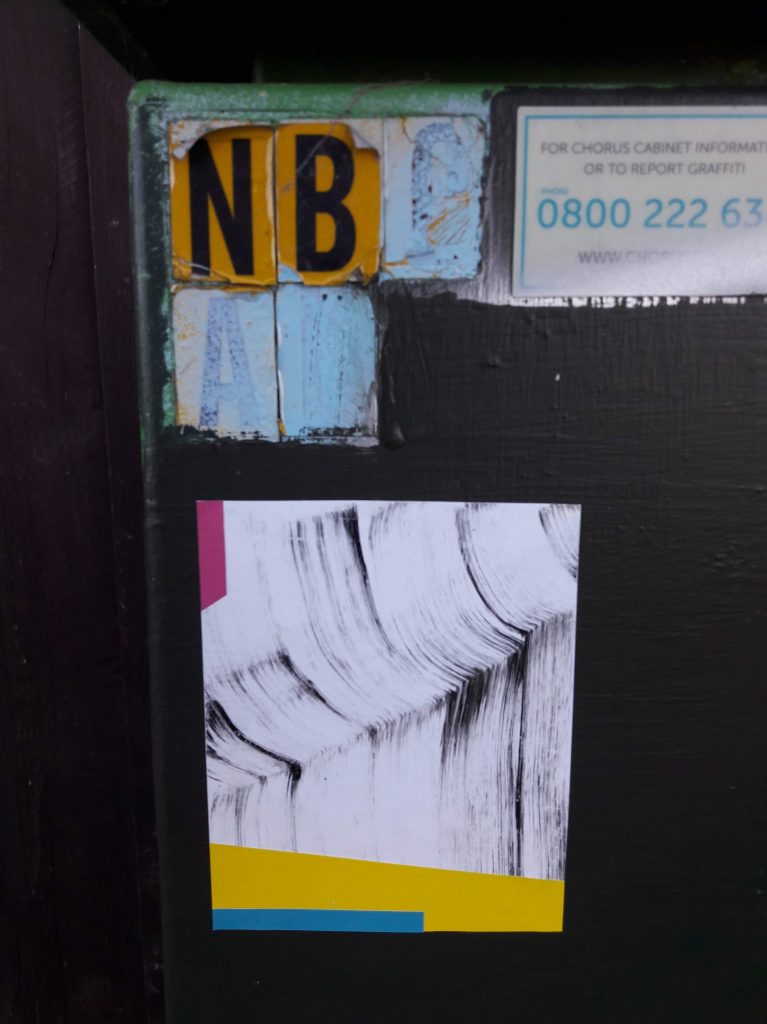
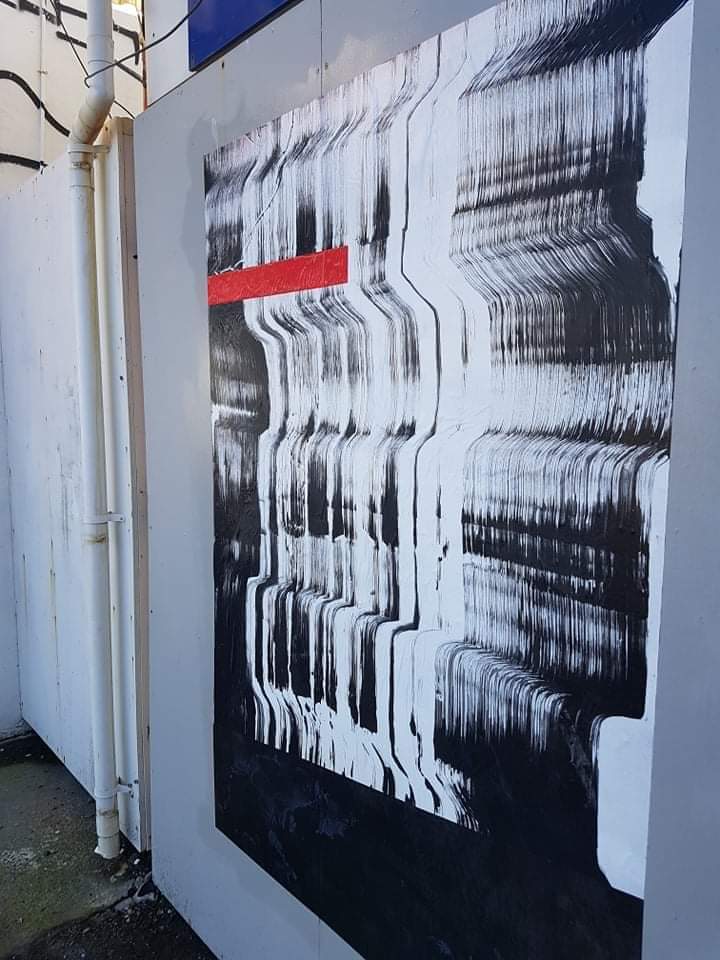
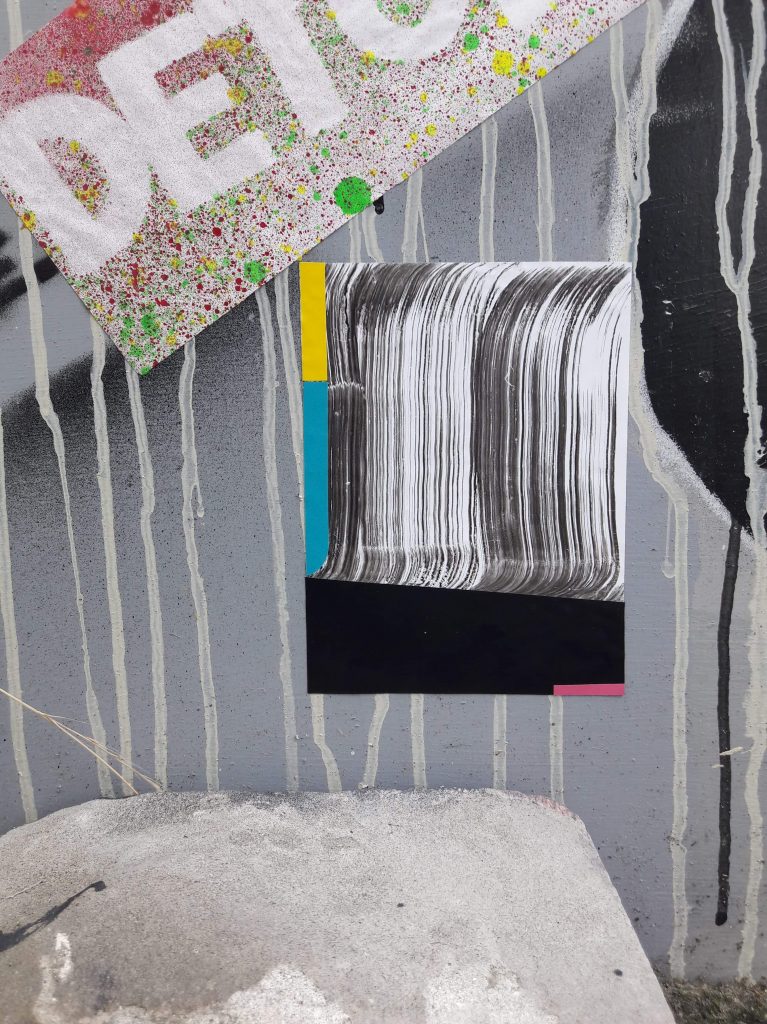
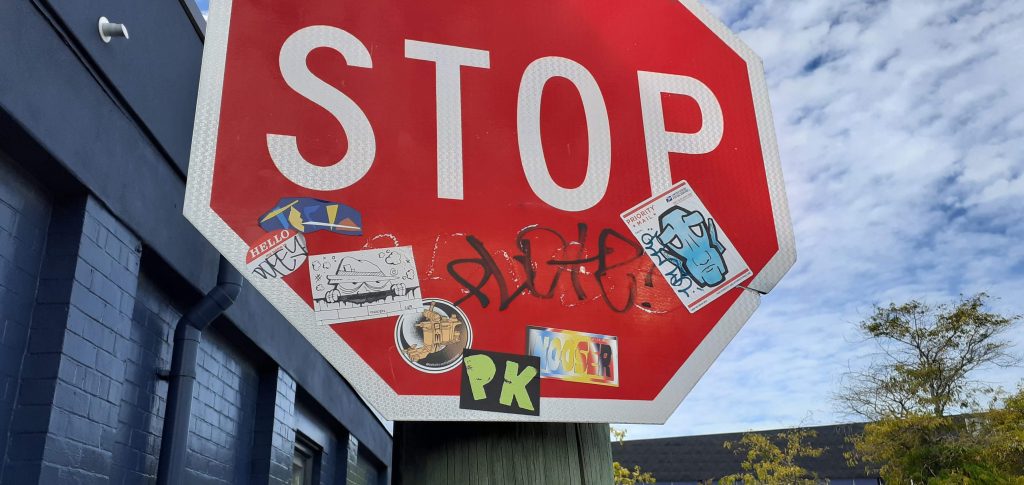
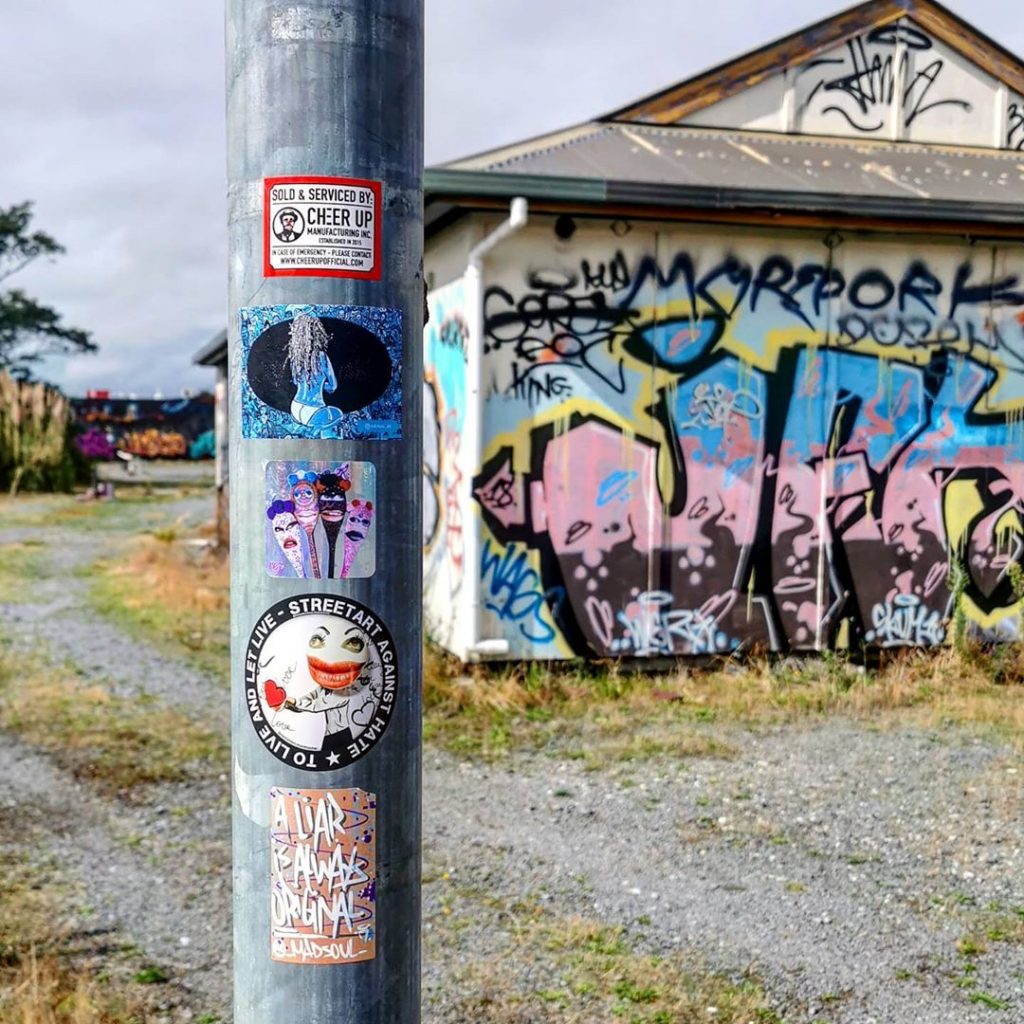
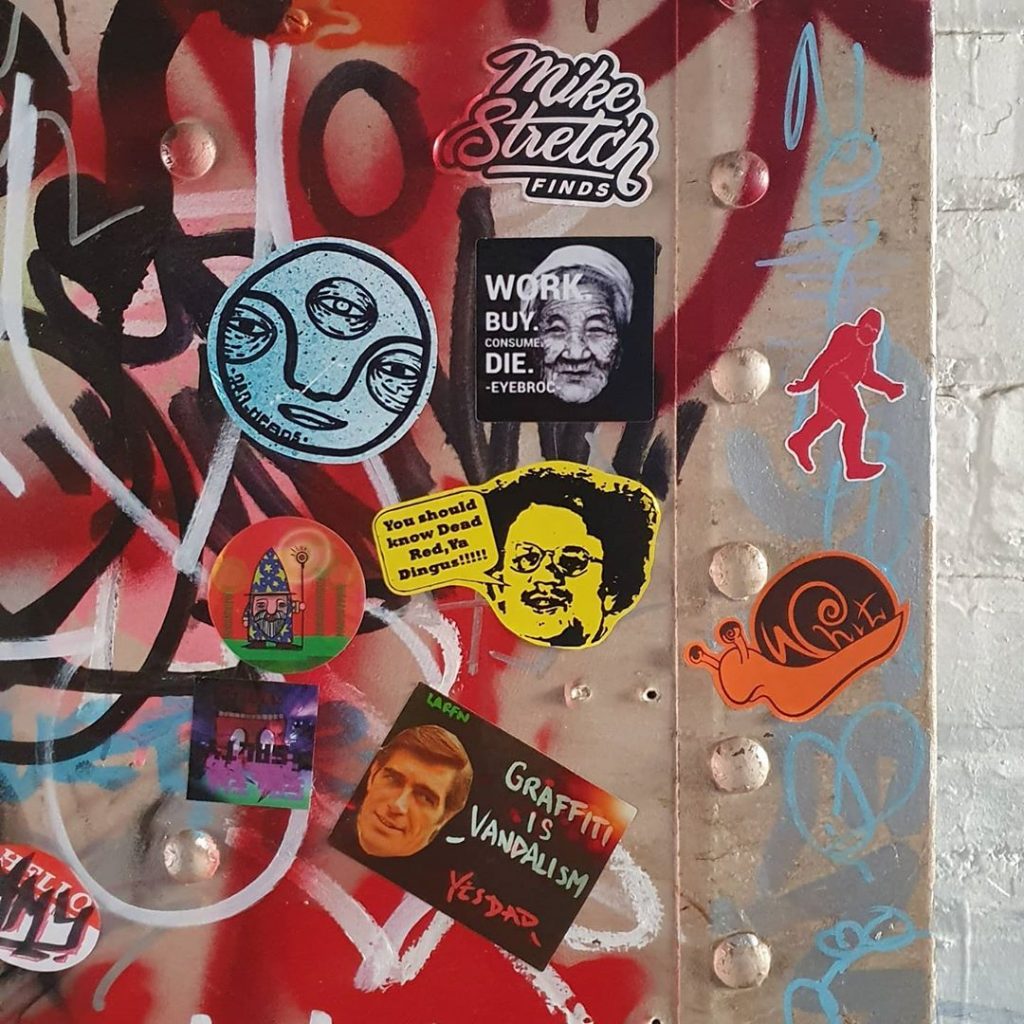
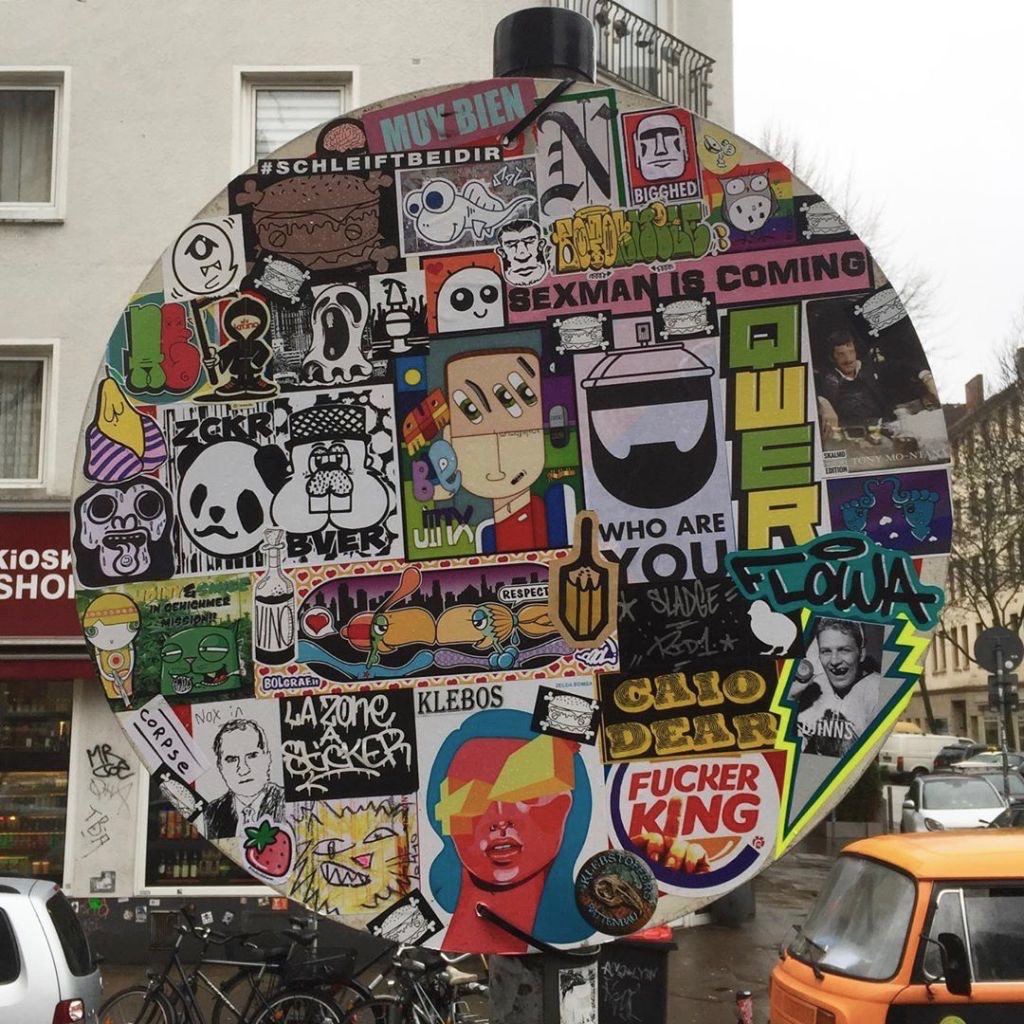
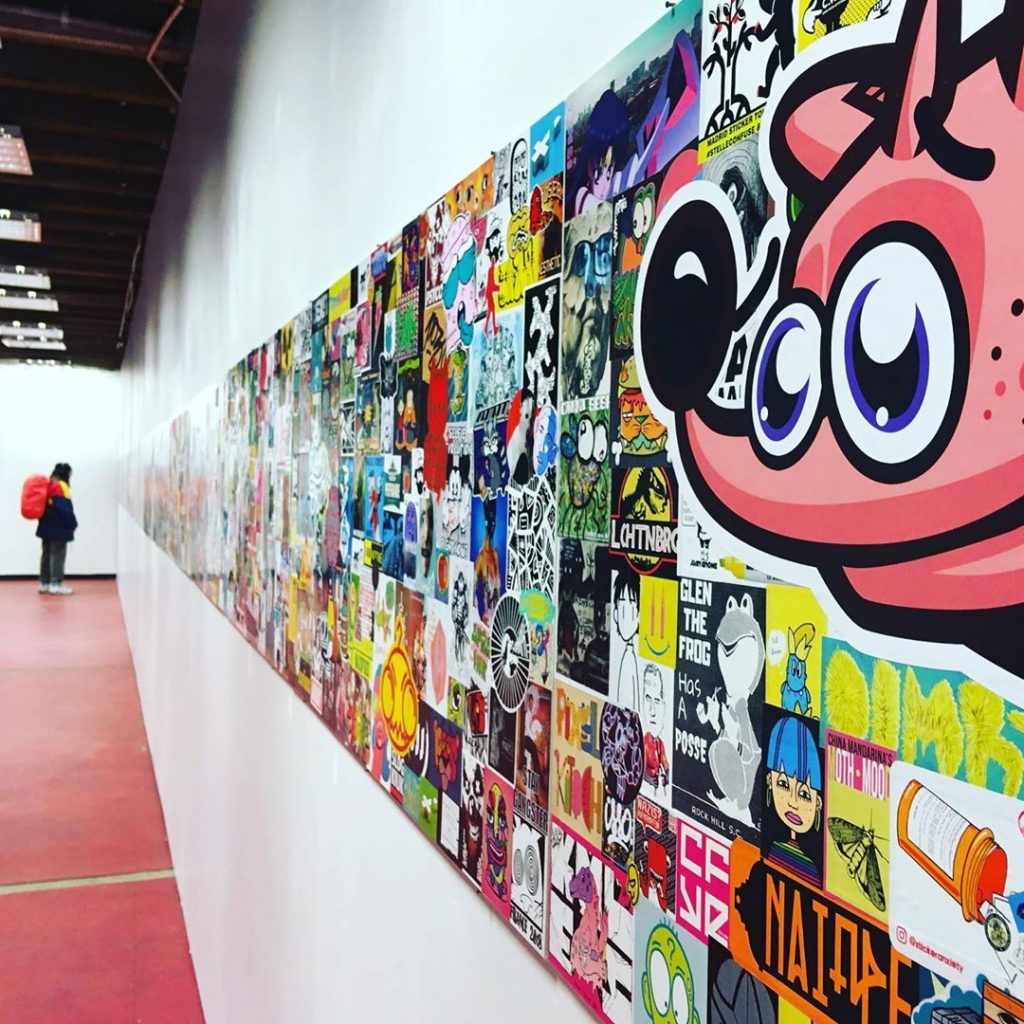
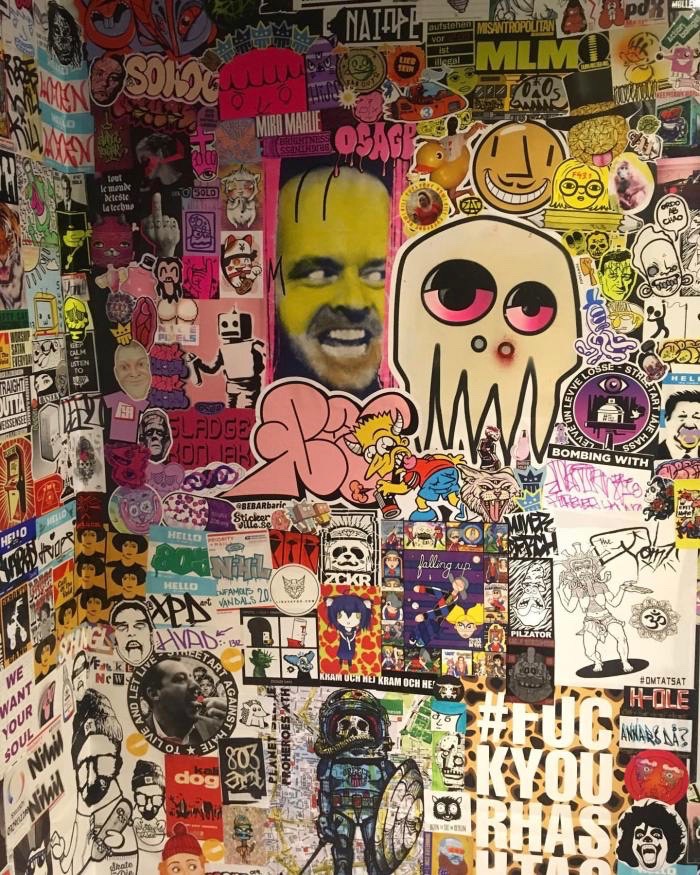
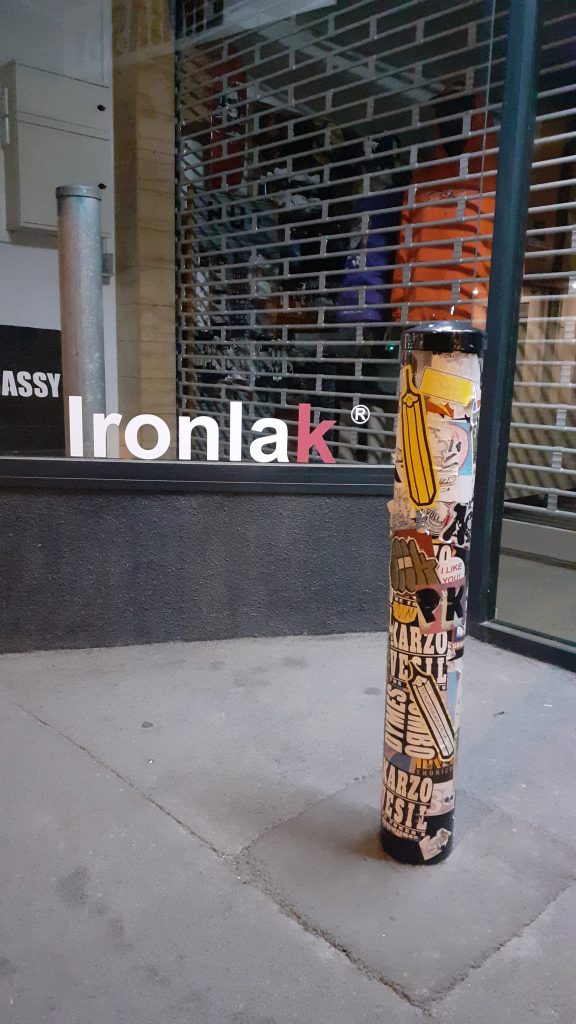
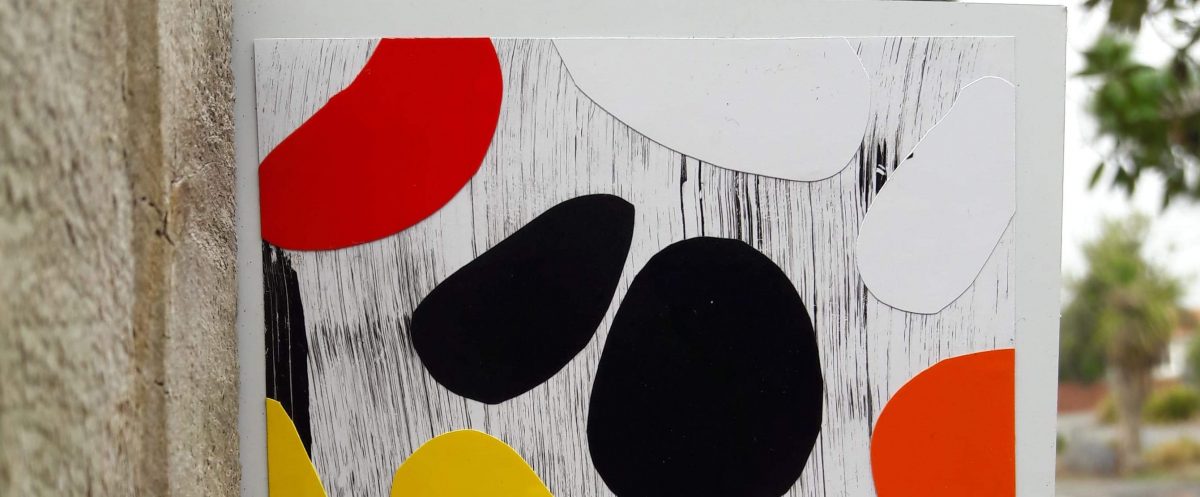
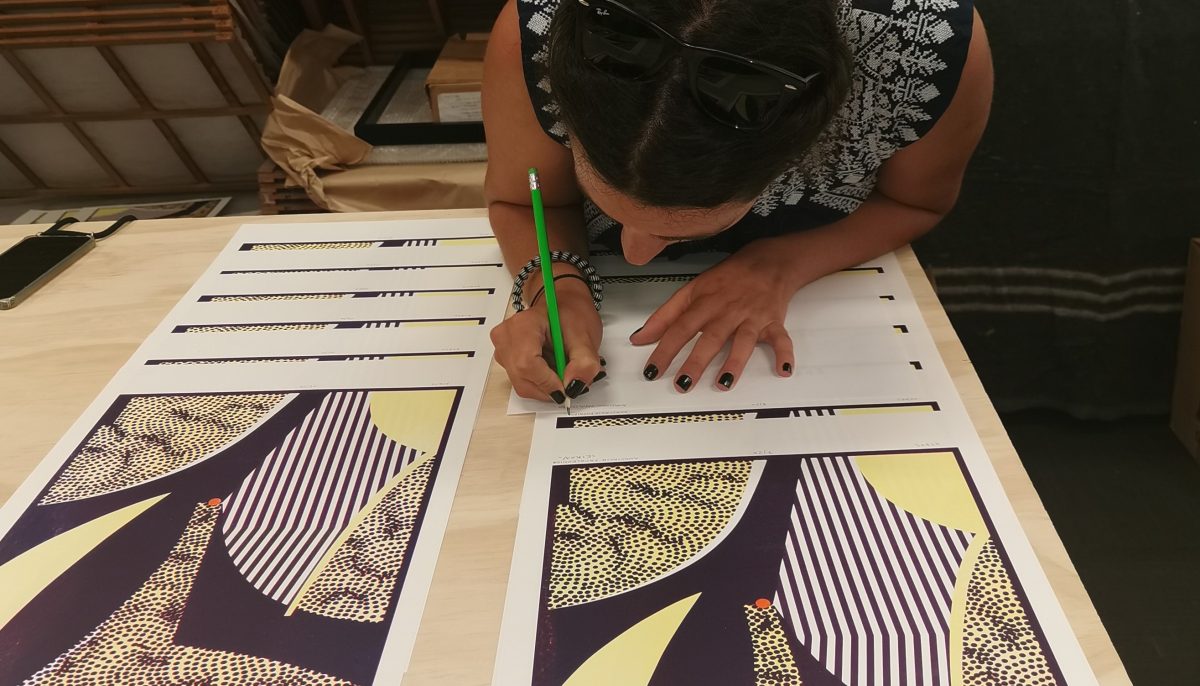
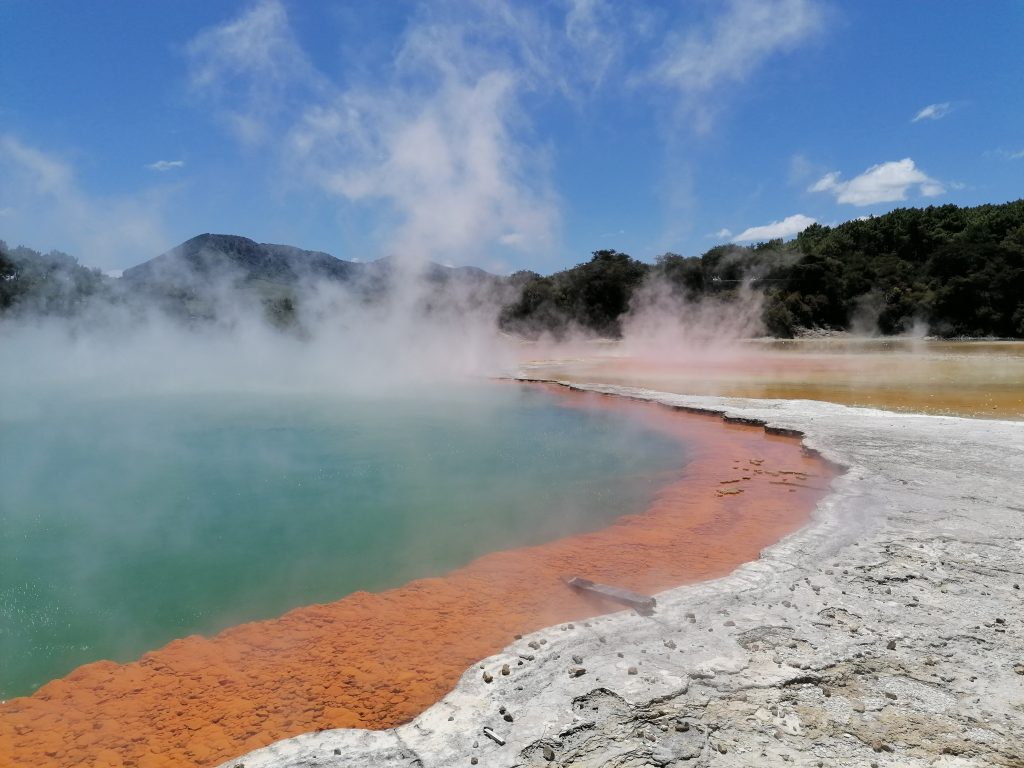
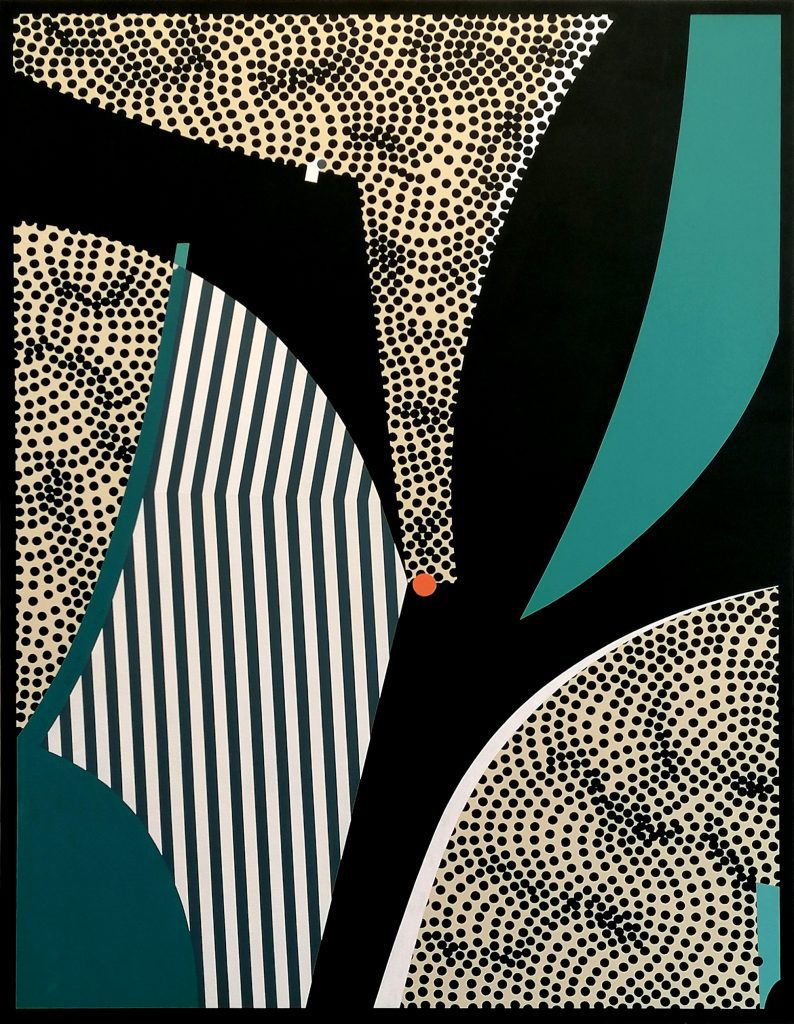
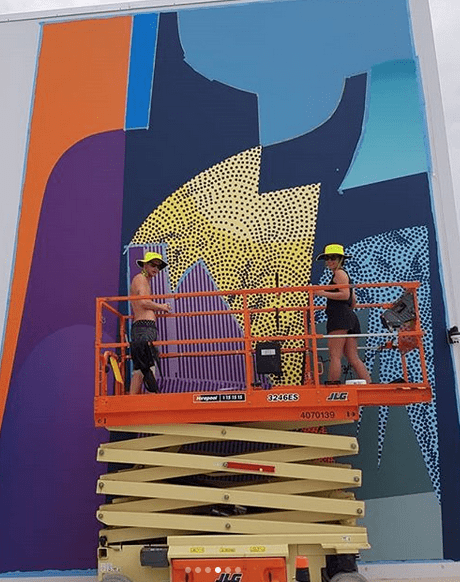
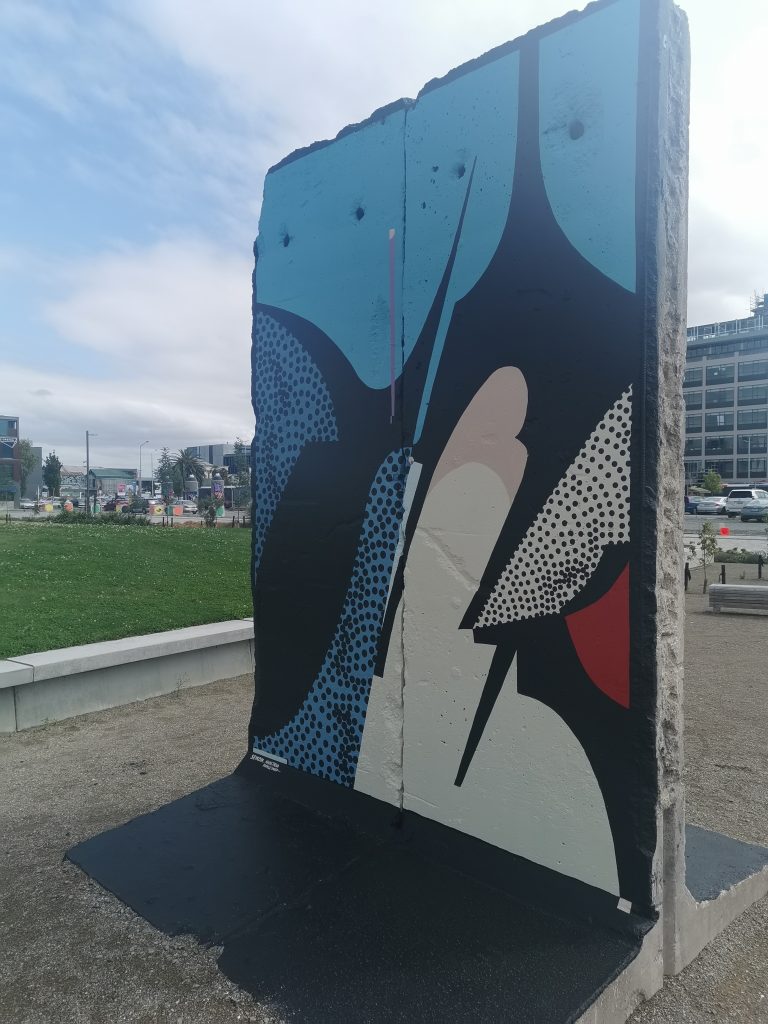
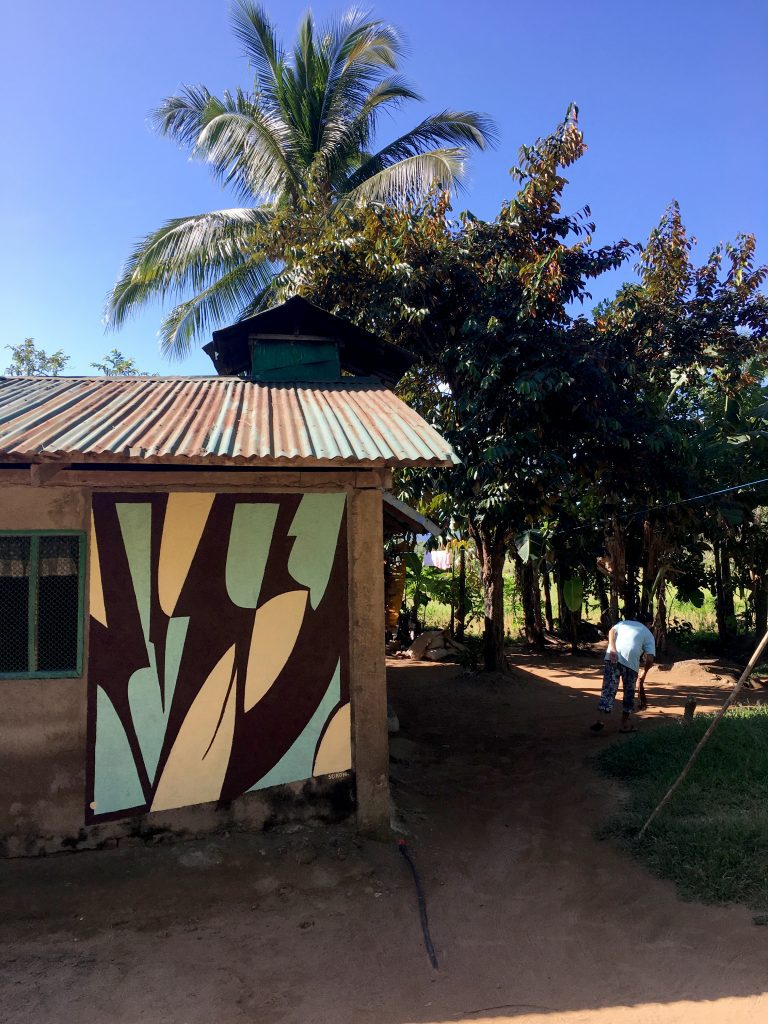
As the city continues to shift, refresh and transform, the little things matter more and more. The vacant and damaged spaces that encouraged more bold and brazen interventions are now less prominent (some of our favourite spots around the city face imminent revitalisation). The necessary contrasts of our urban surroundings are increasingly supplied by the small, unexpected things, clashing with the washed concrete structures and shiny facades that continue to stretch and grow. (Do I sound like a broken record?) Those little details that make a city lived in and alive can raise so many ideas, from the explicit to the subtle, the pointed to the more amorphous and undefined. Yet in each case, their mere presence serves to explore what it means to be part of and have a voice within a larger conglomeration. They provide a sense of the human and authentic (with just a touch of dissent, of course) and signs of contrast and contestation amidst the monolithic towers of progress (both literal and metaphoric), .
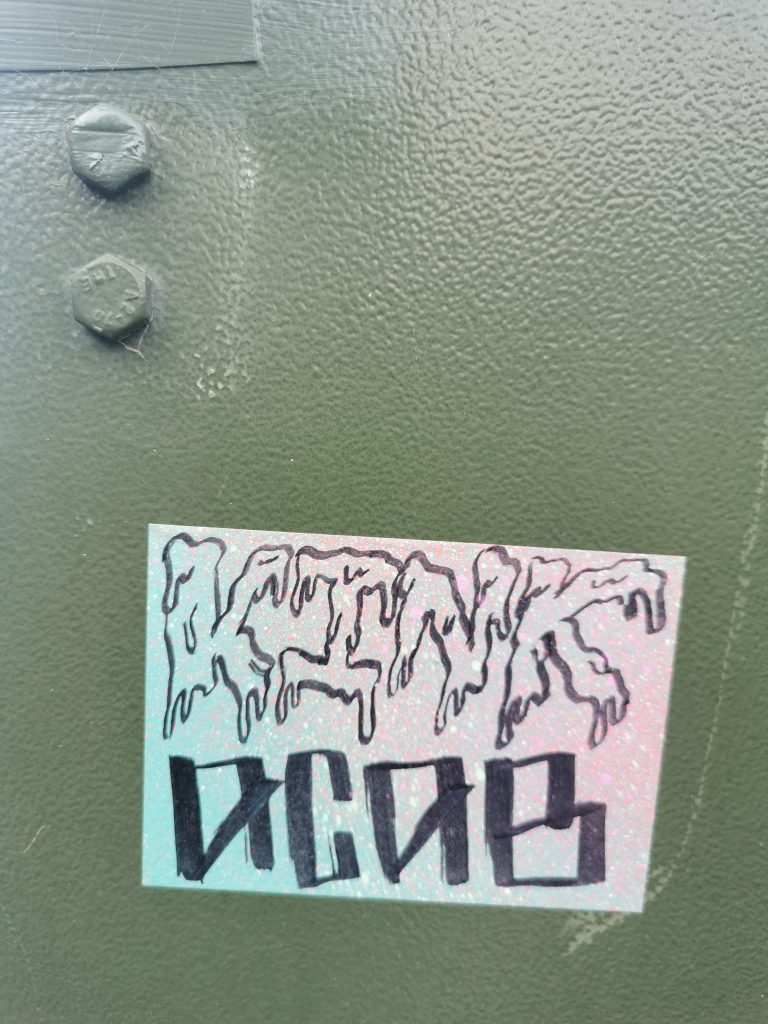
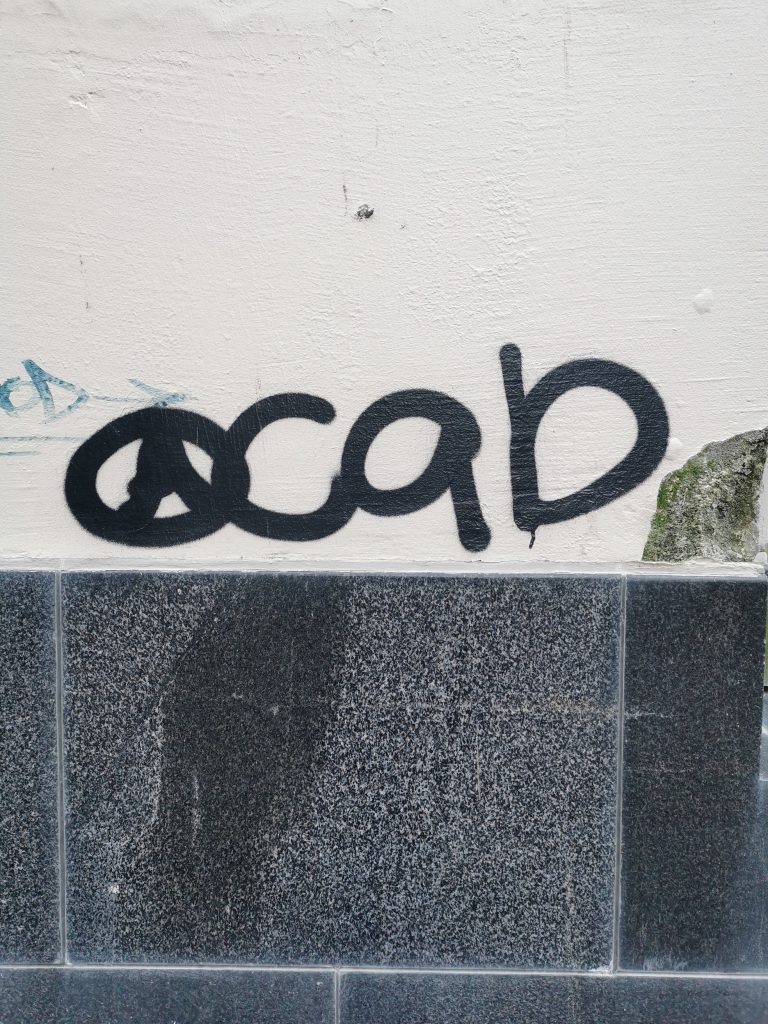
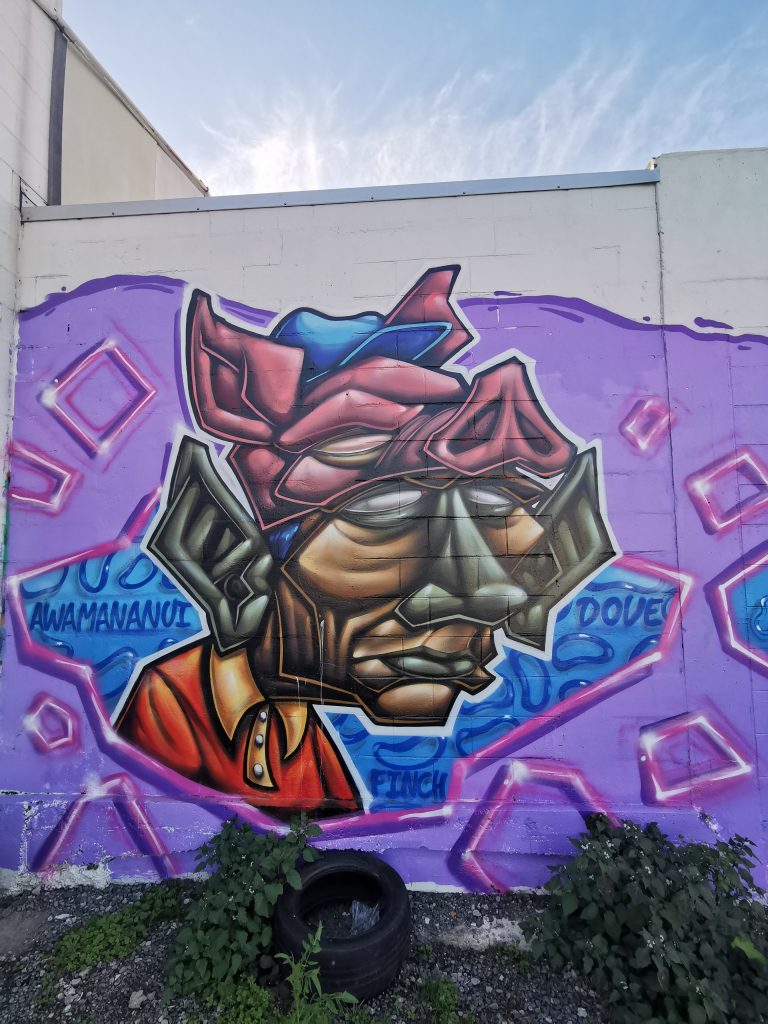
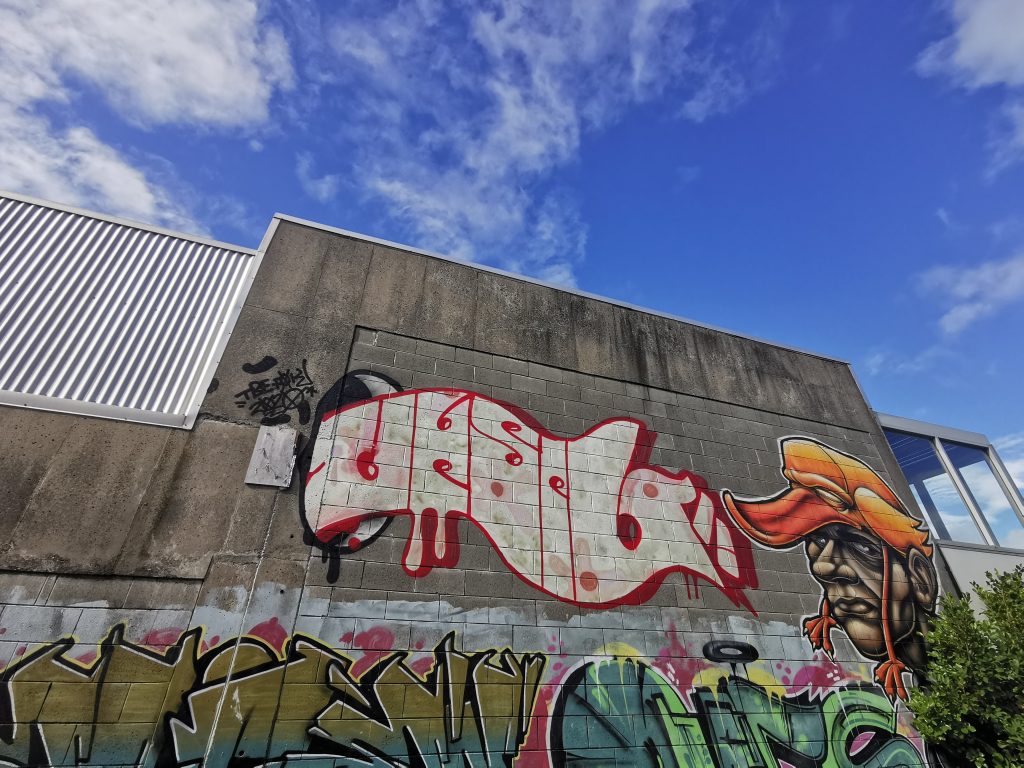
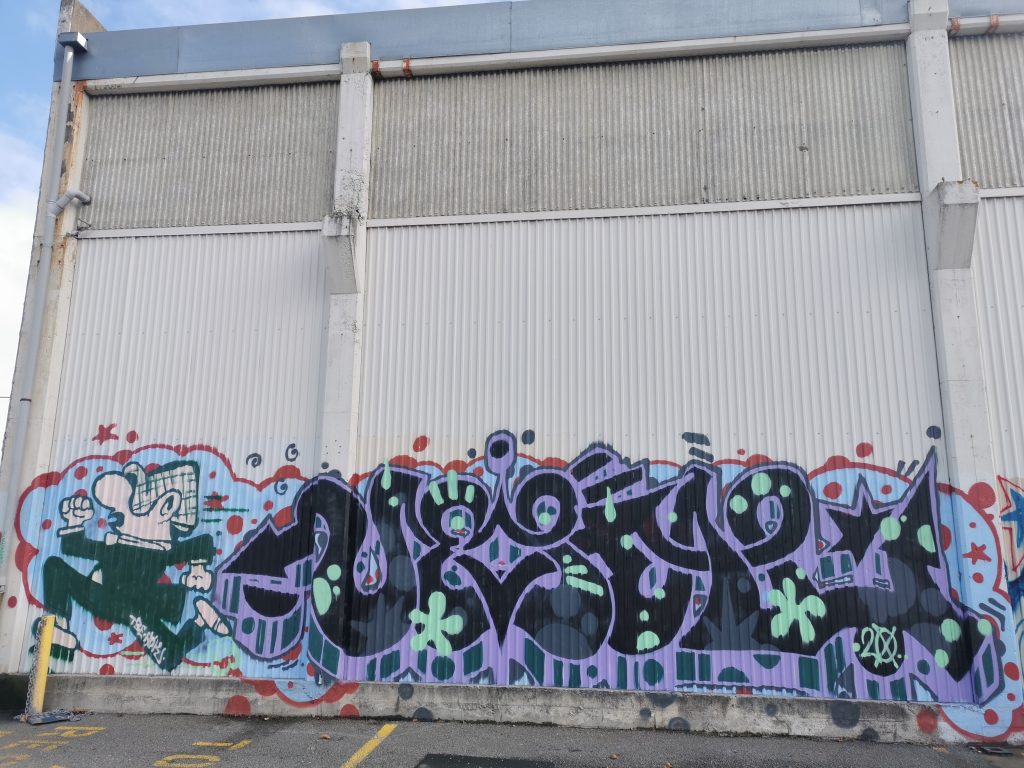
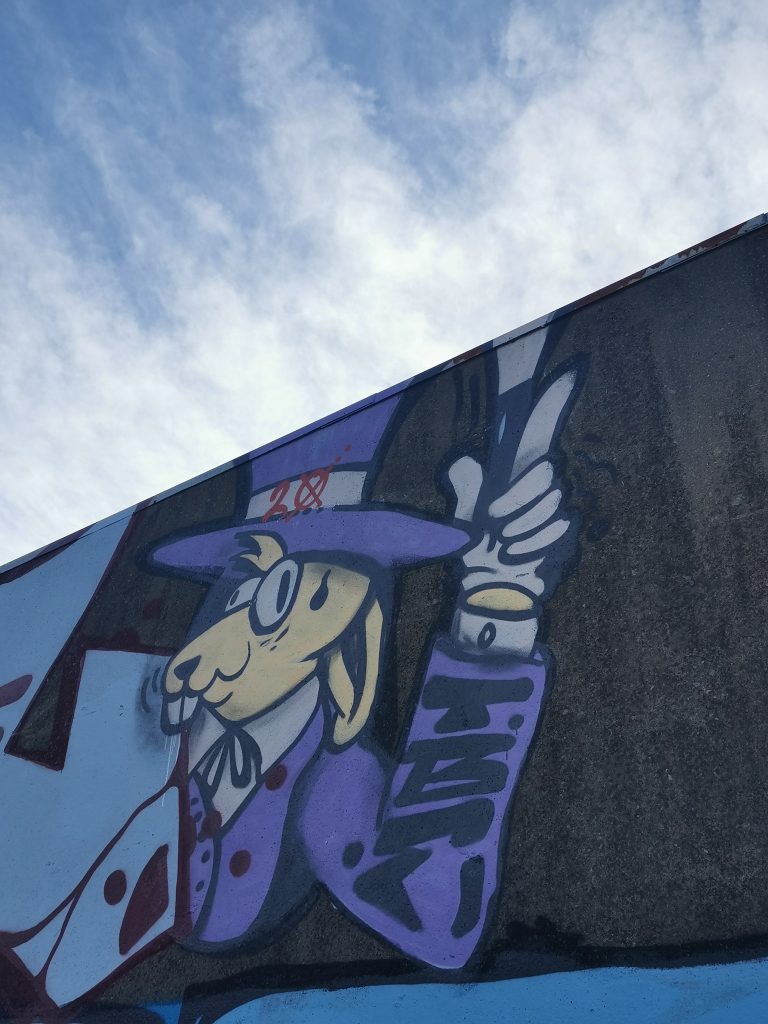
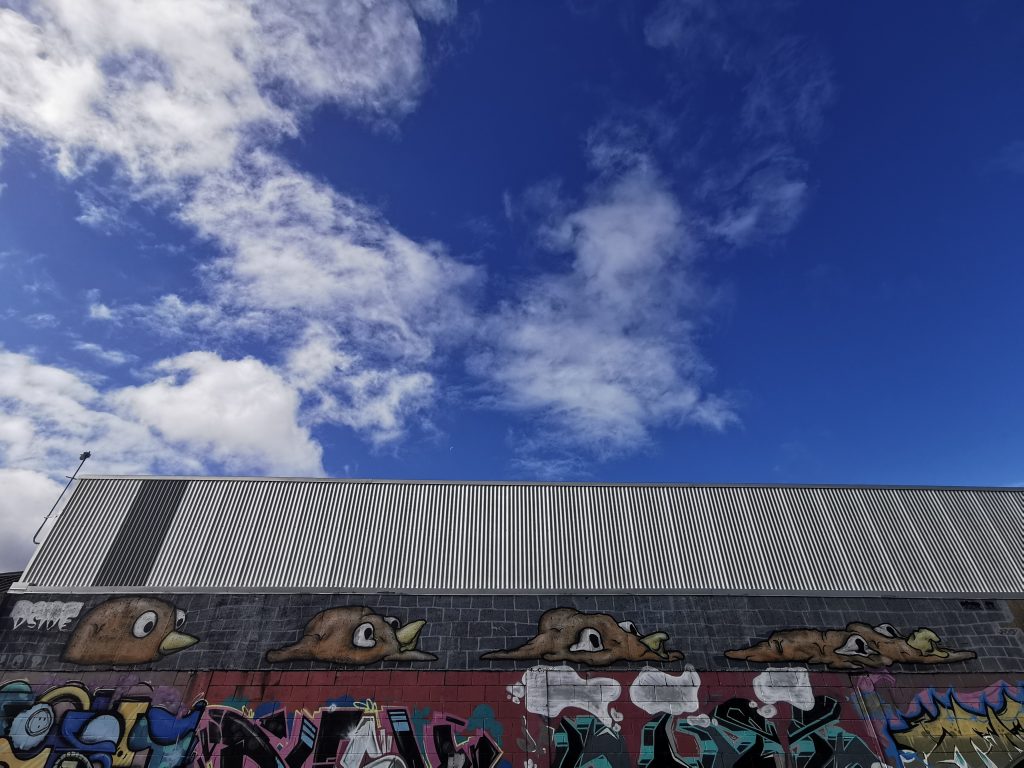
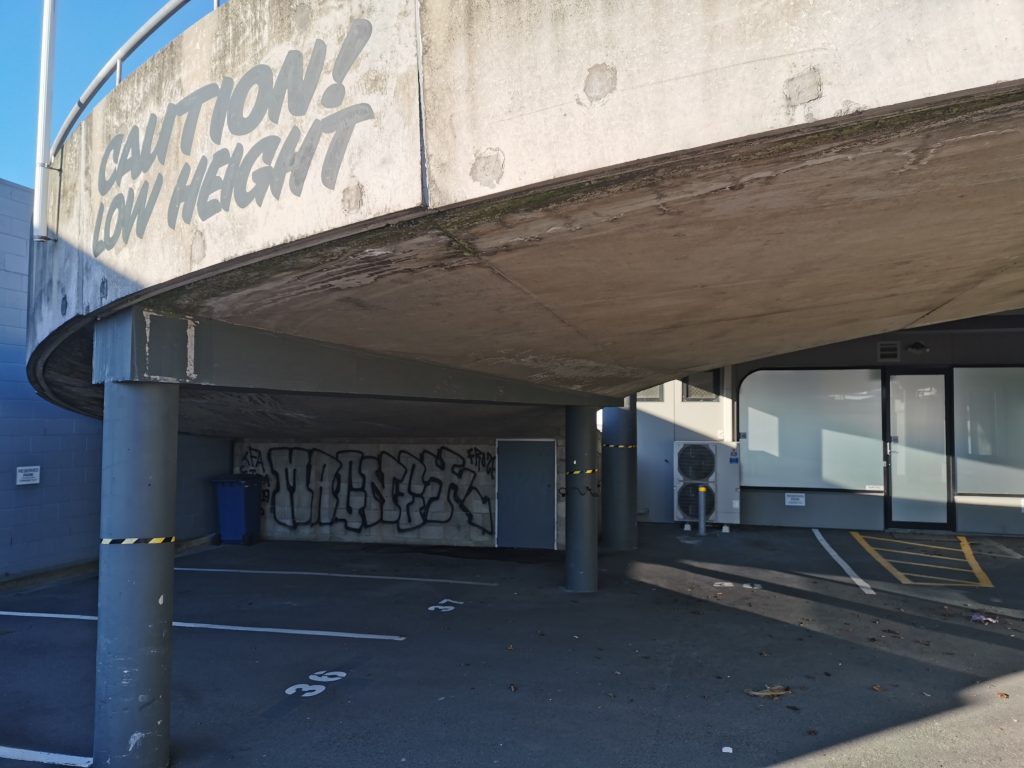
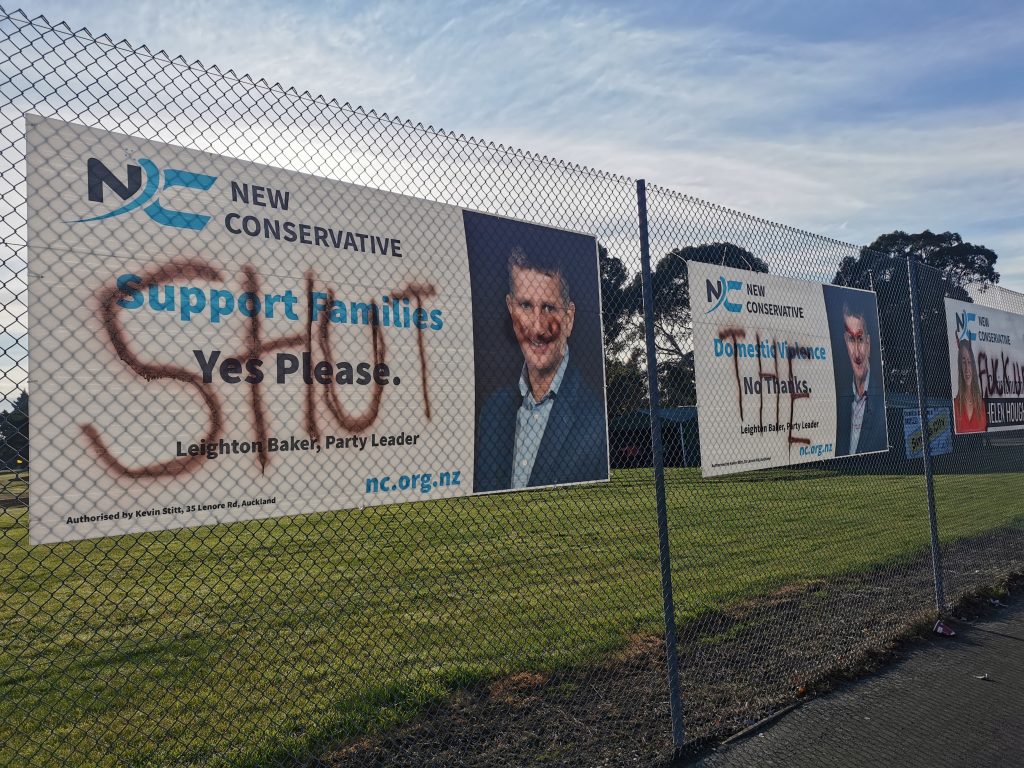
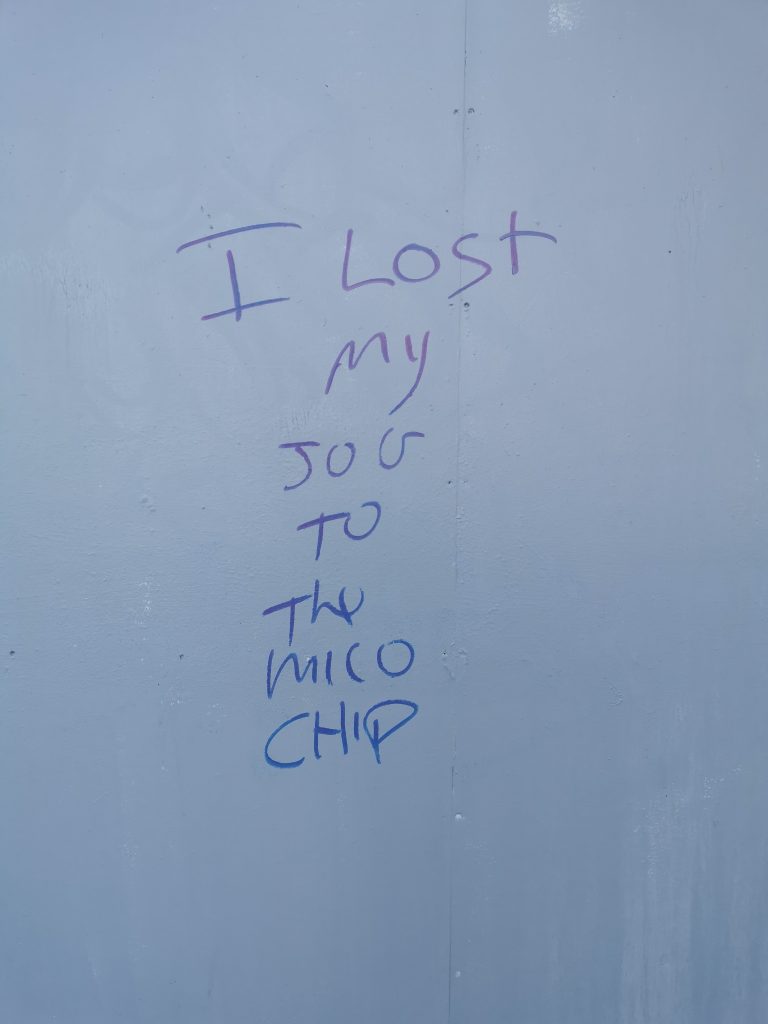
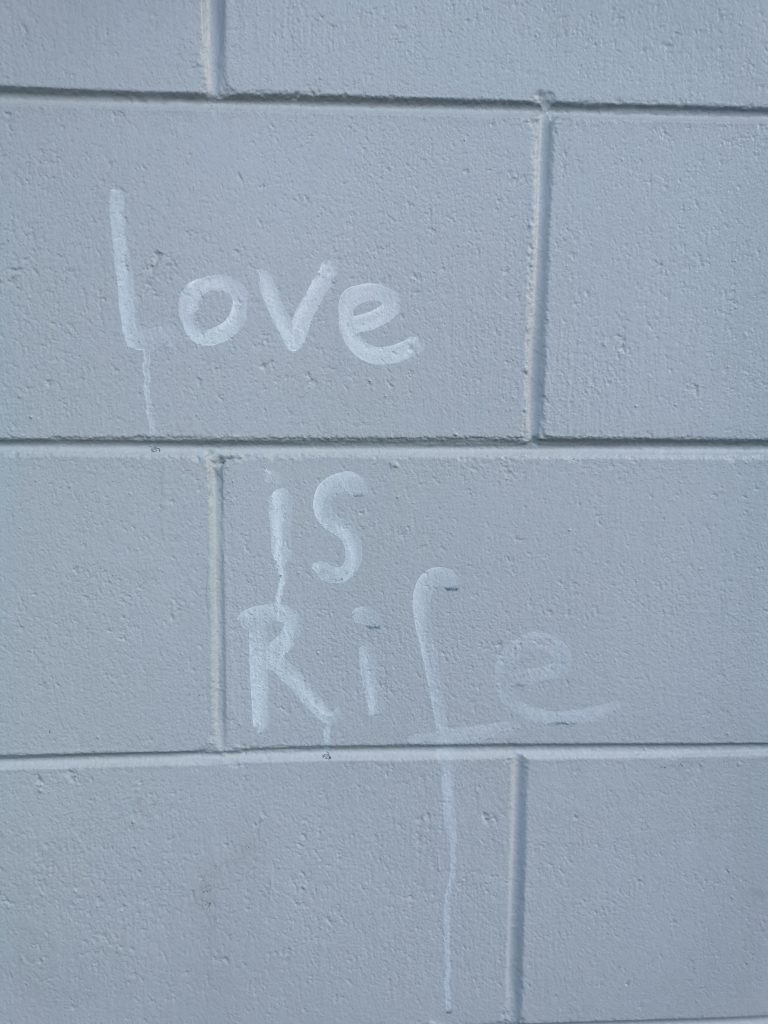
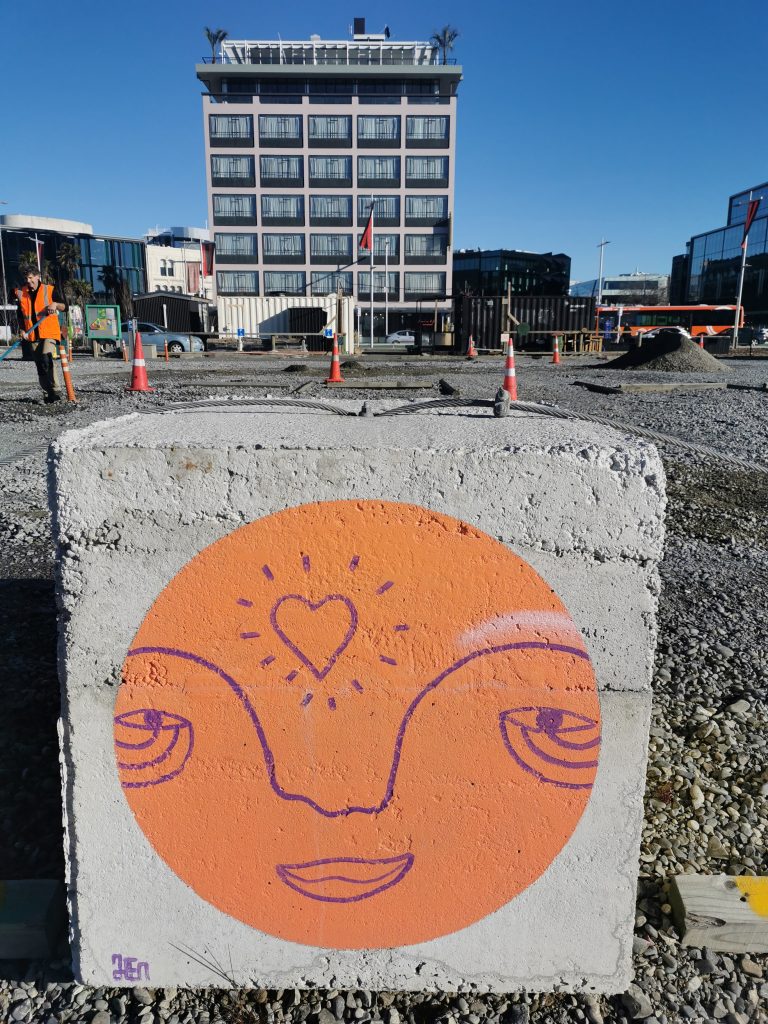
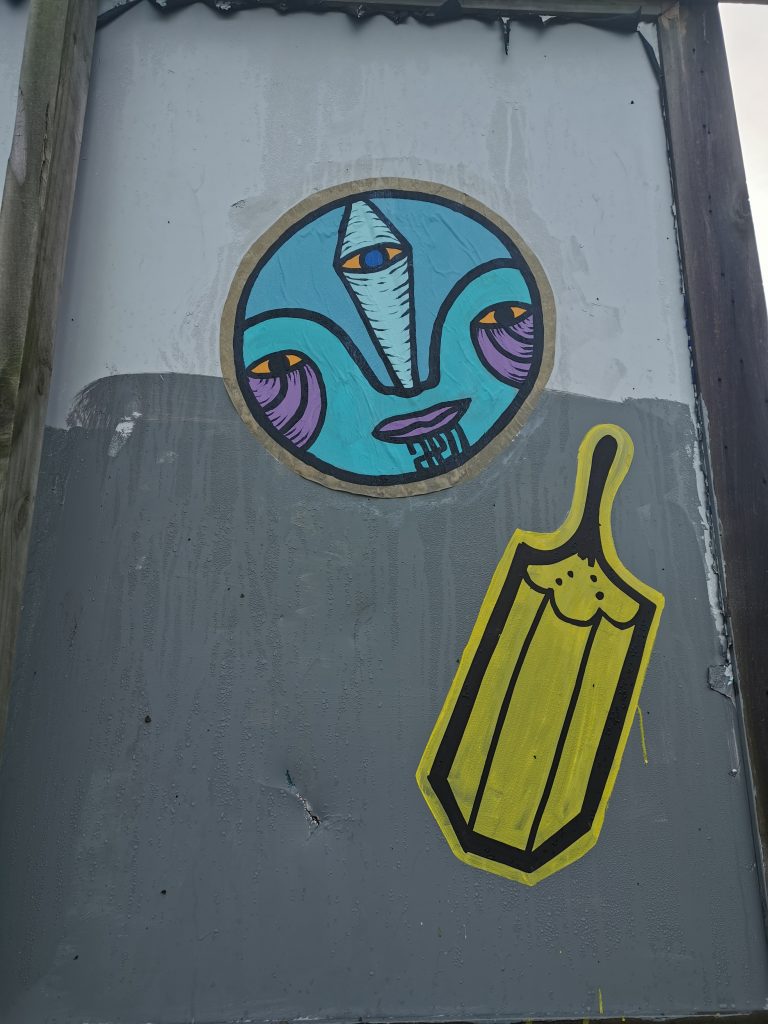
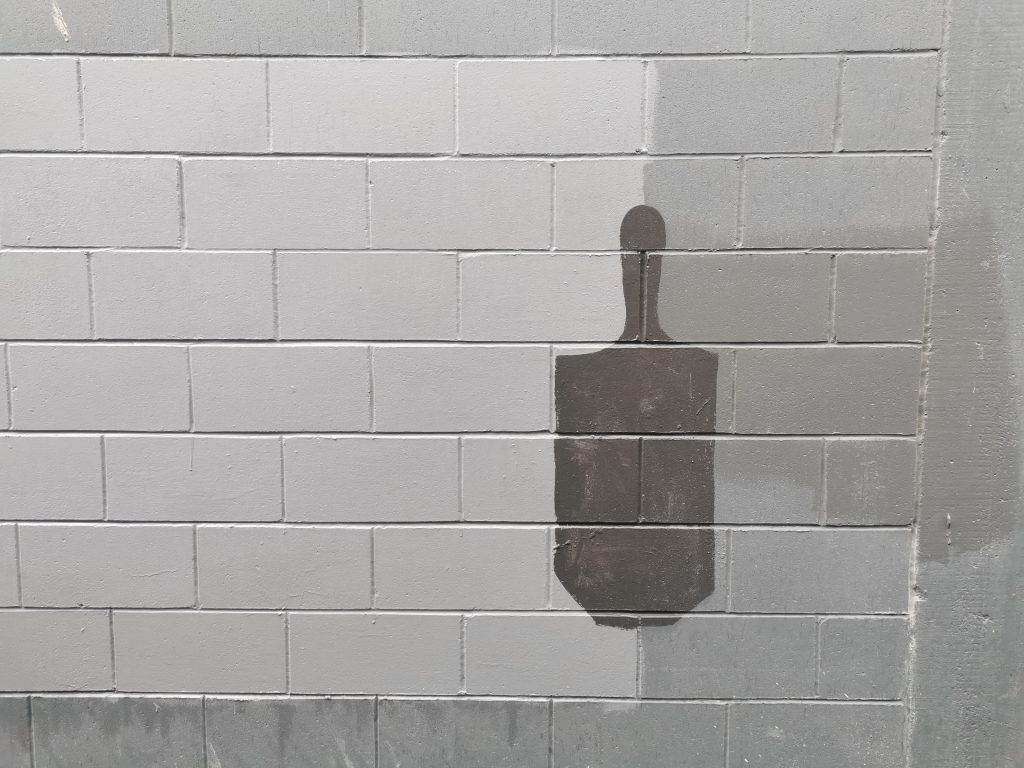
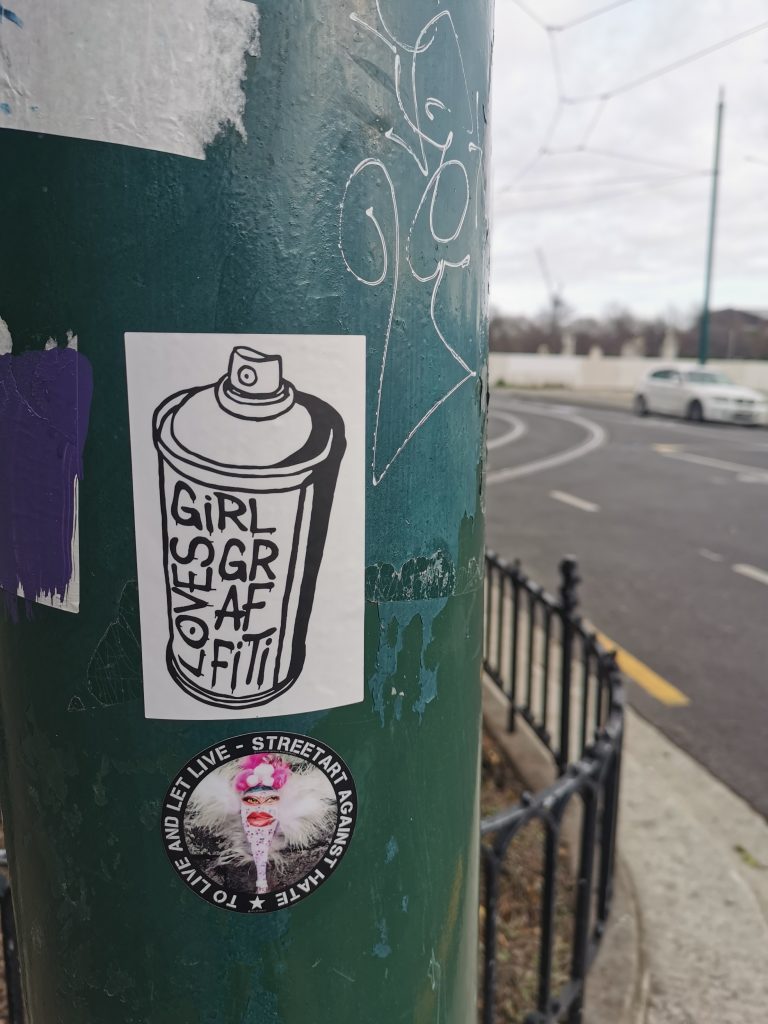
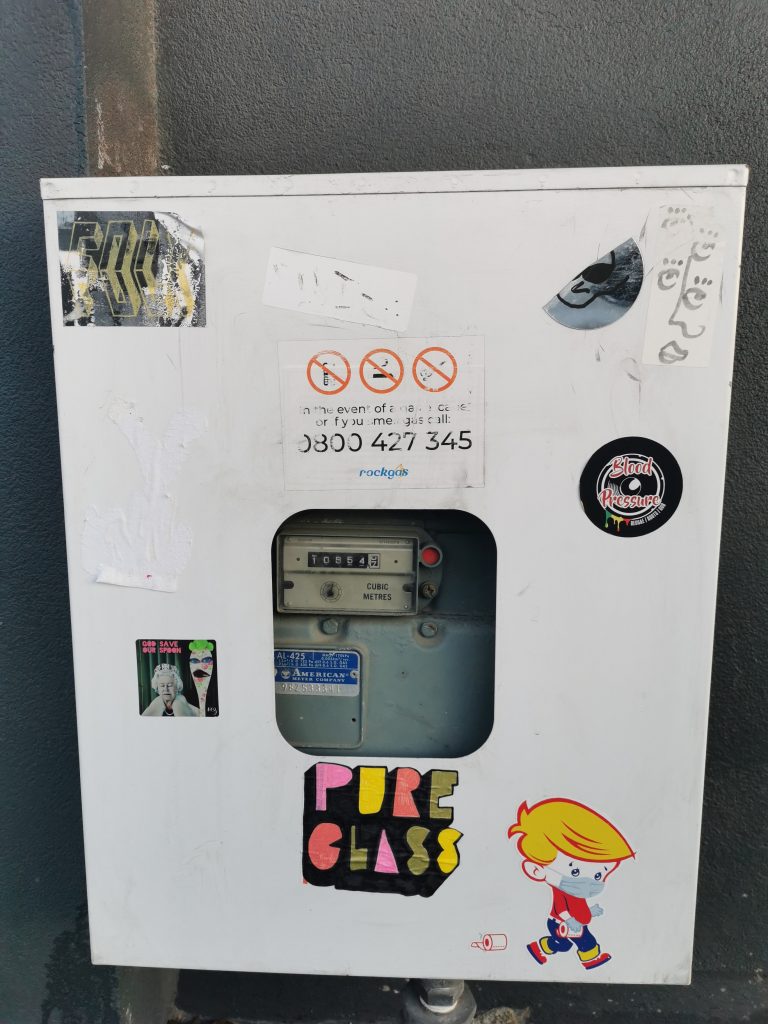
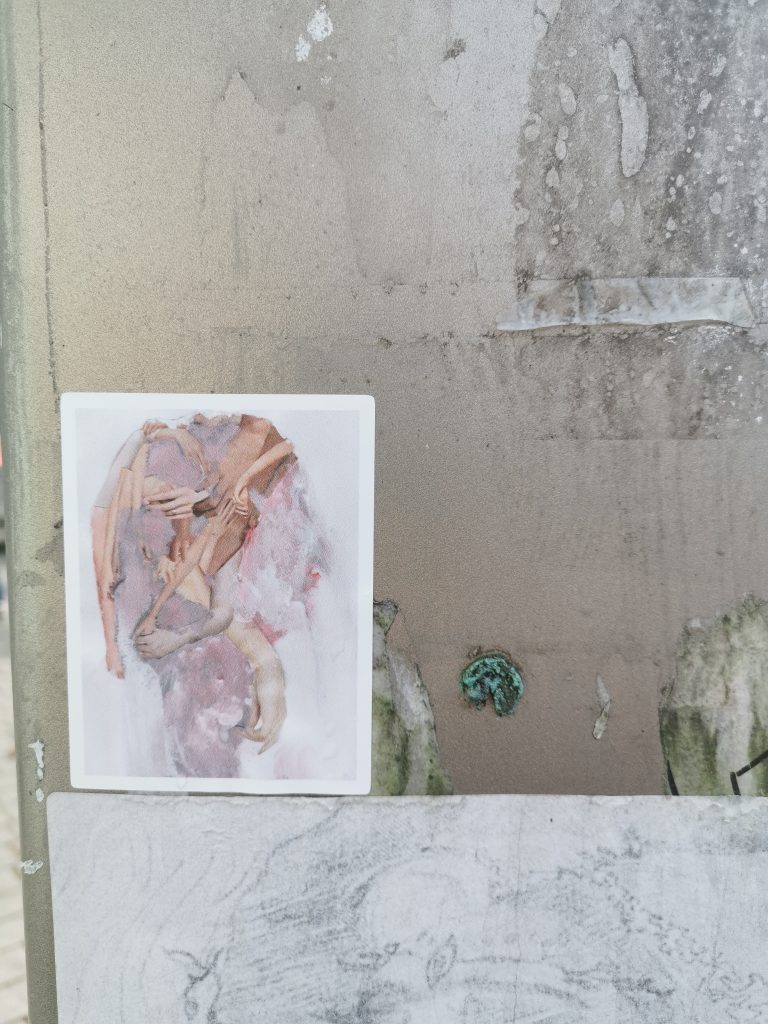
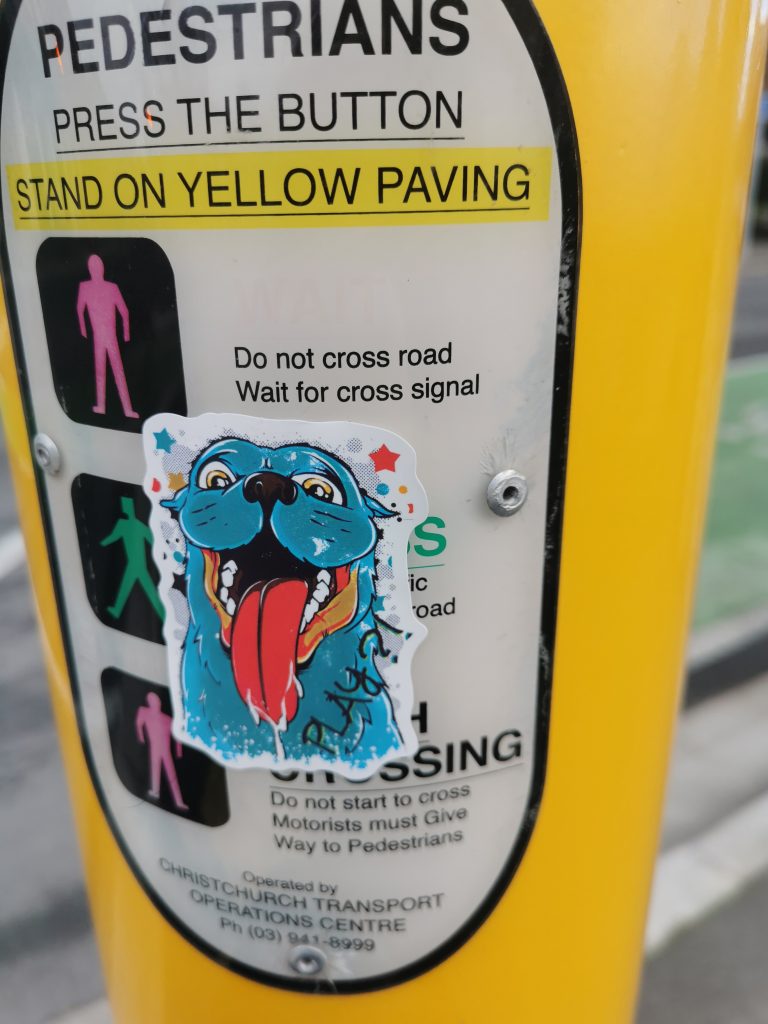
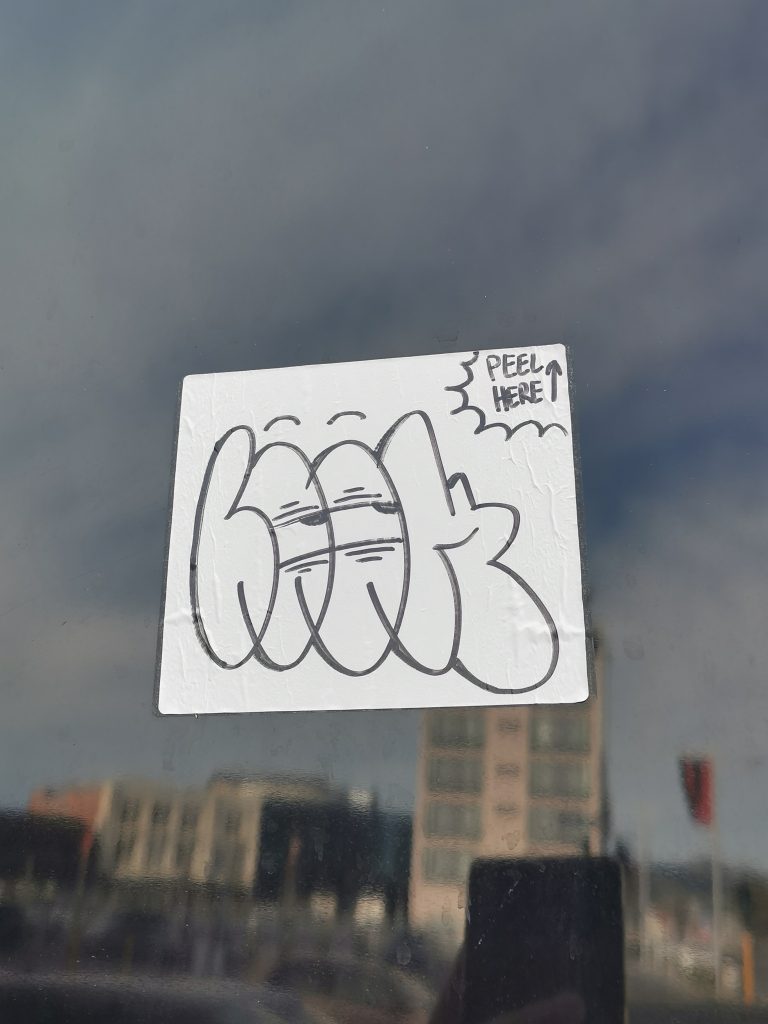
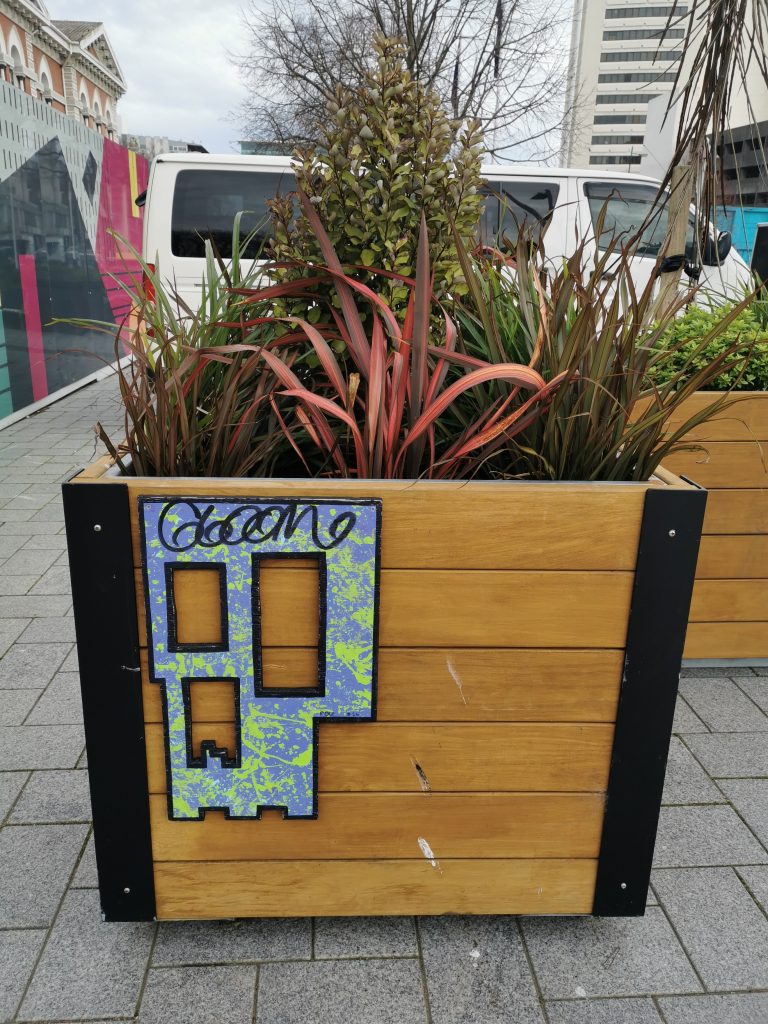
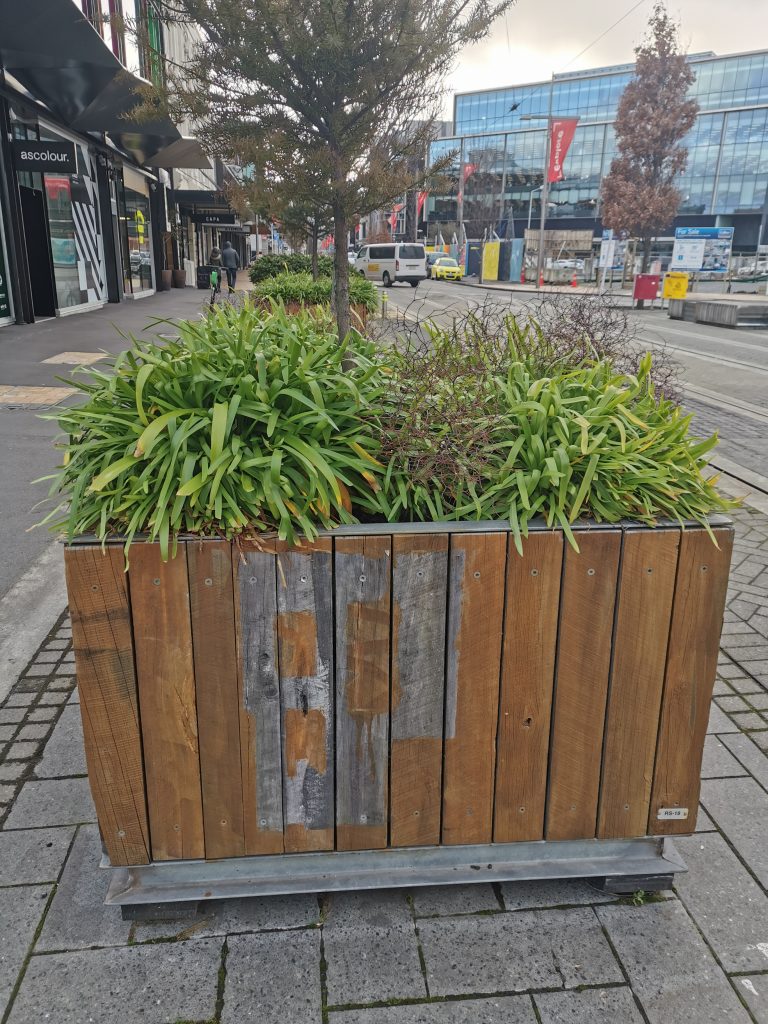
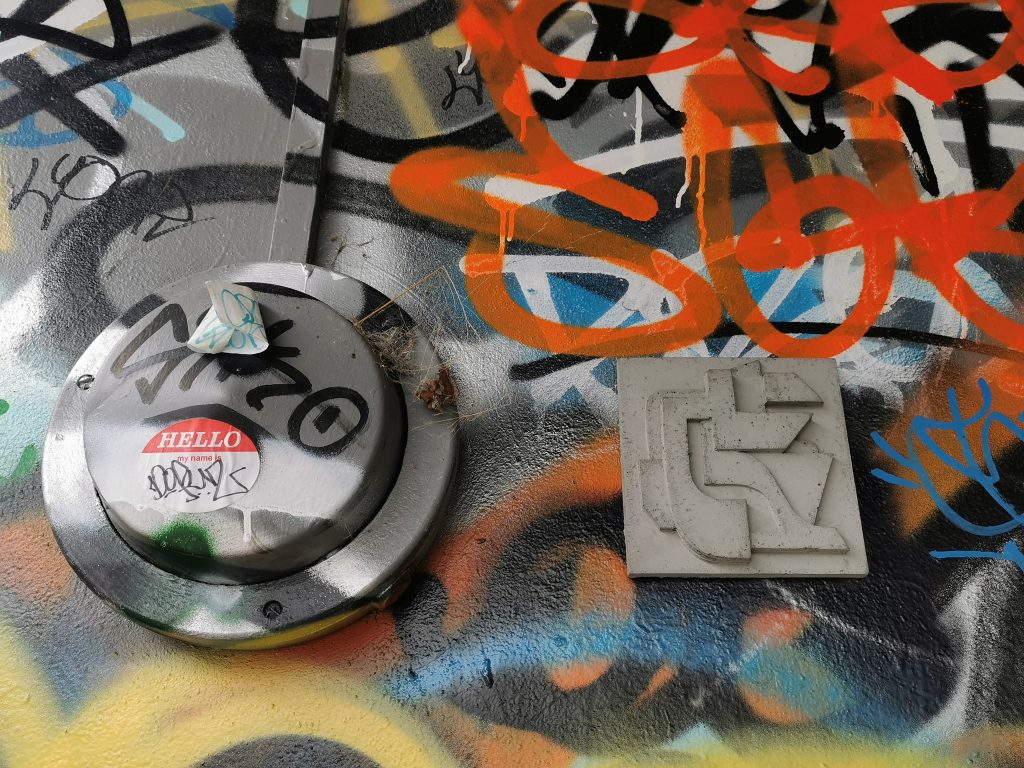
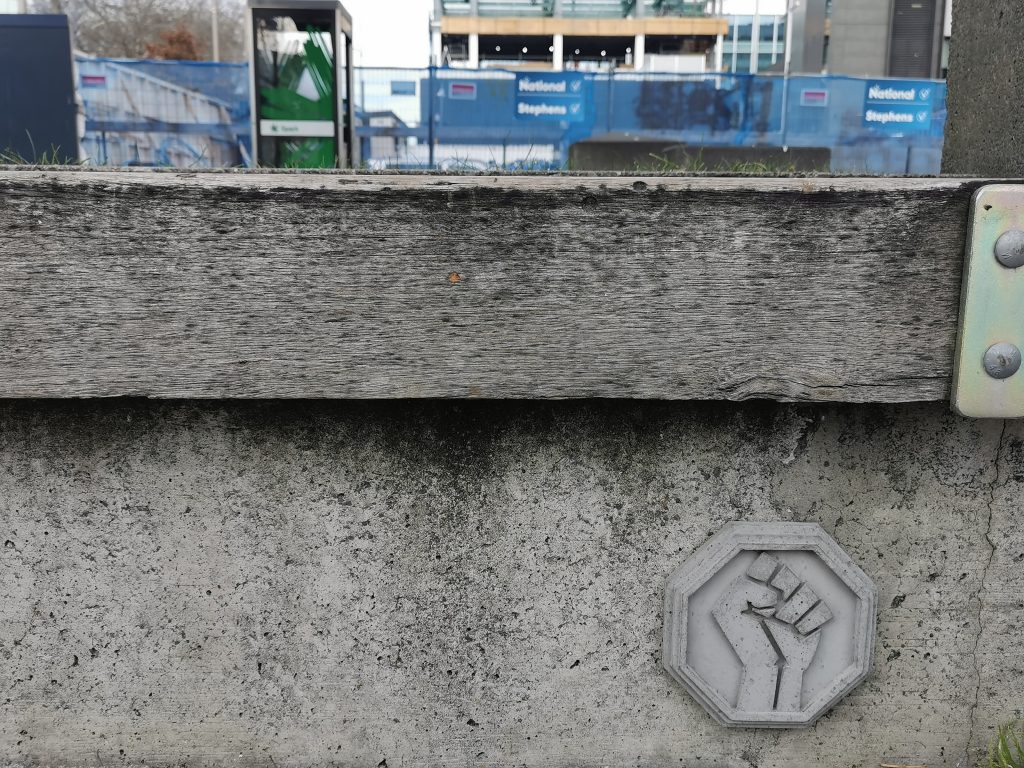
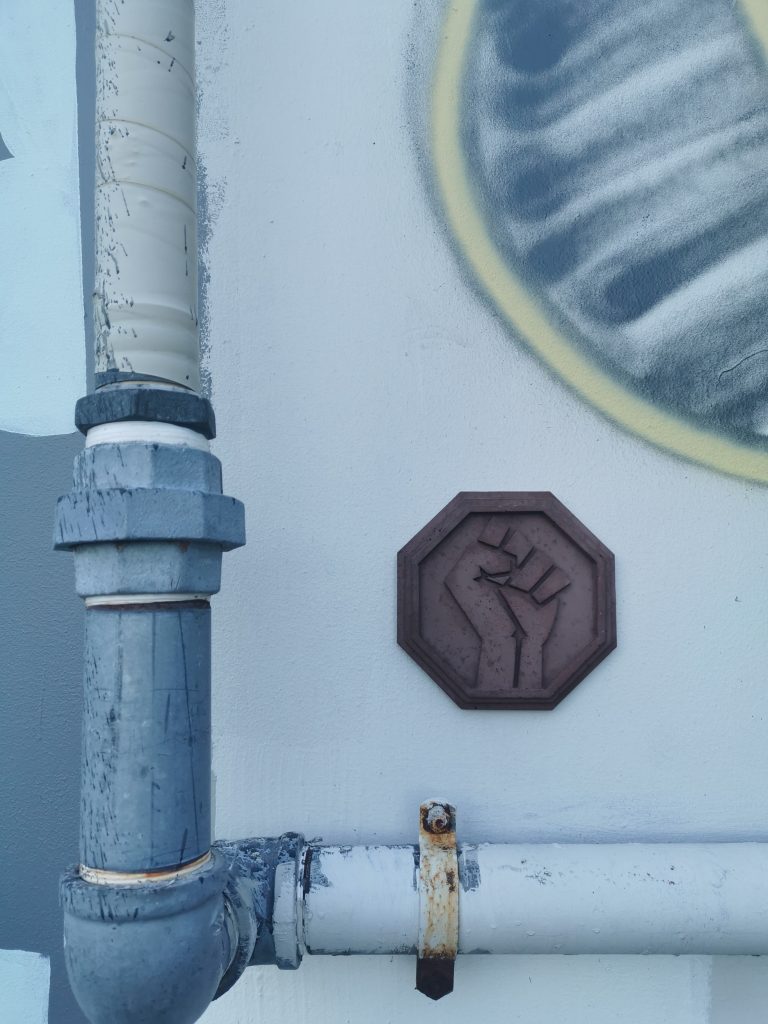
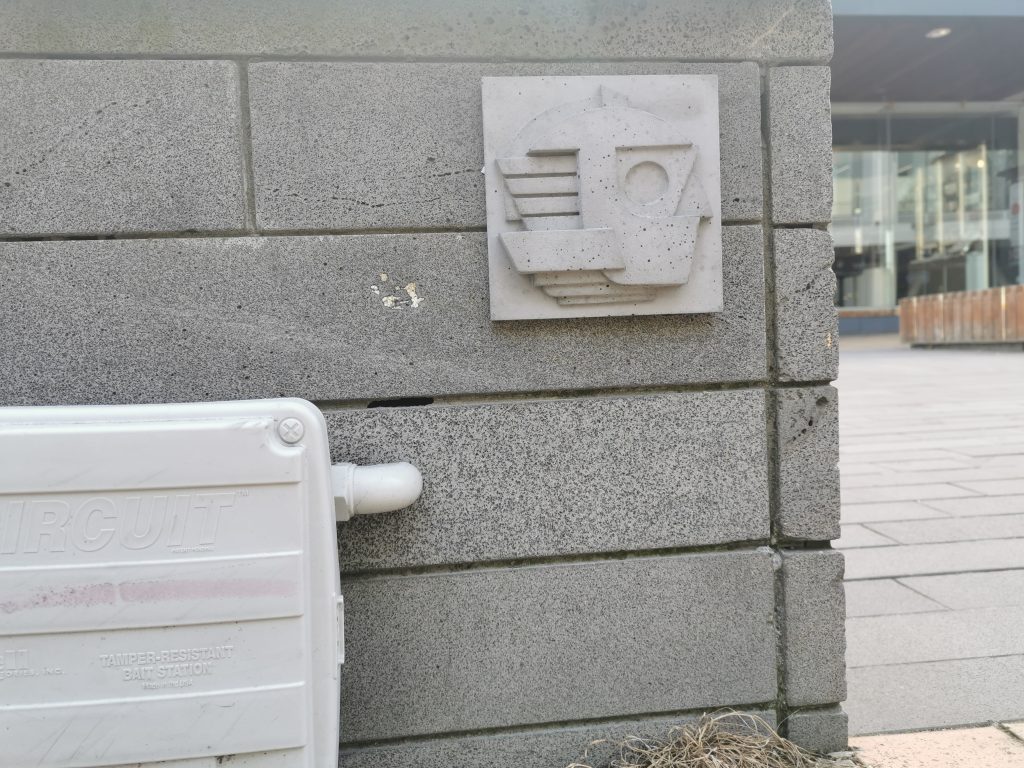
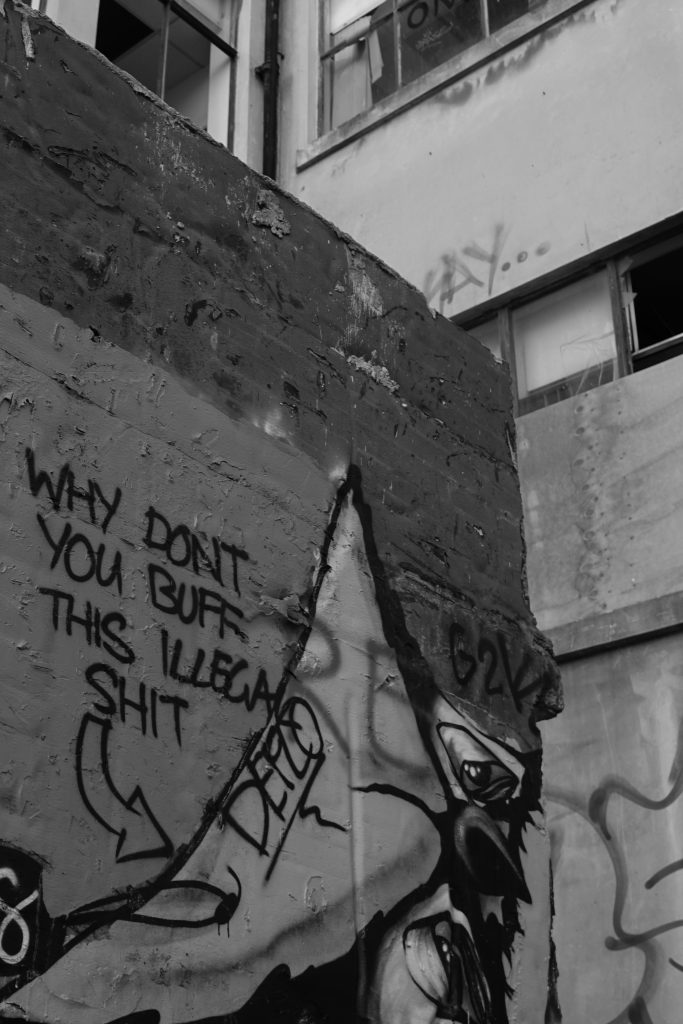
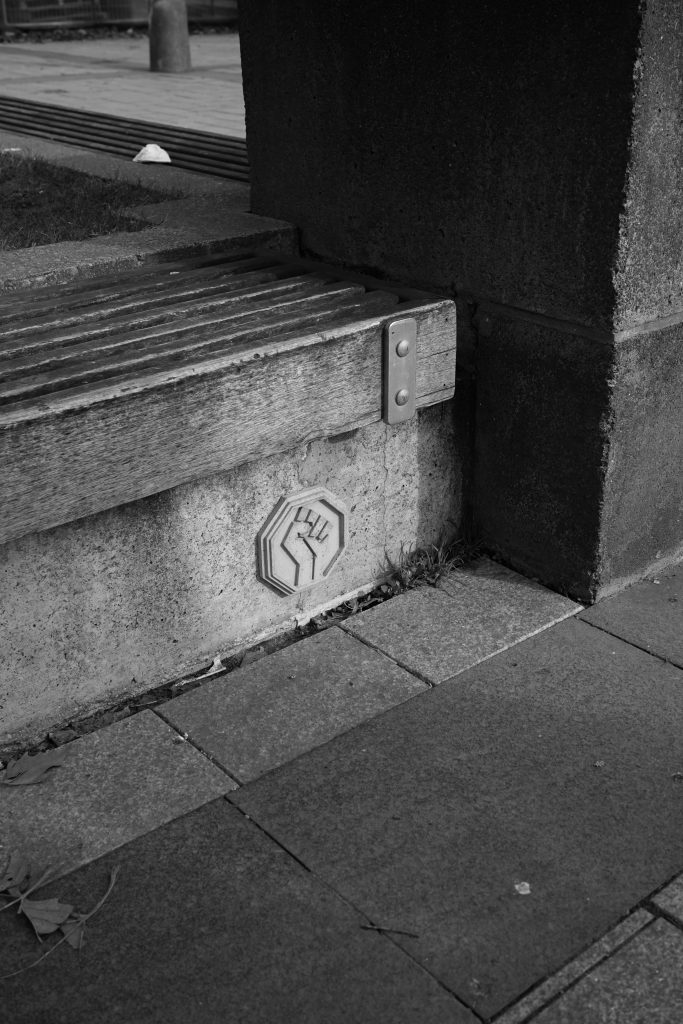
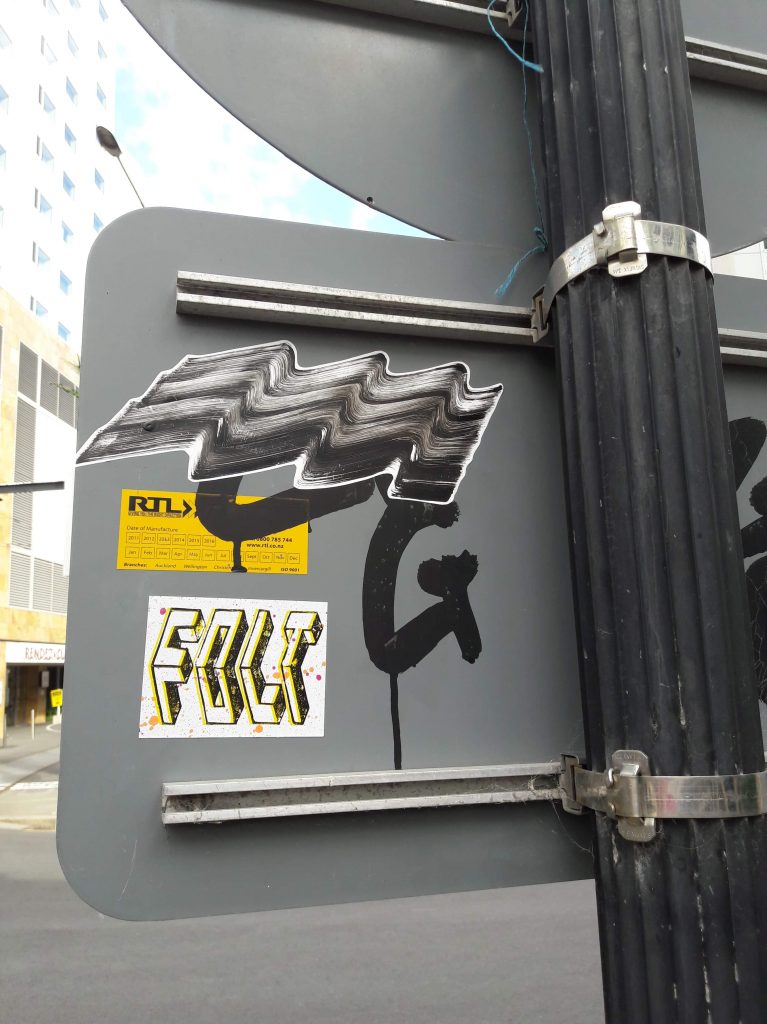
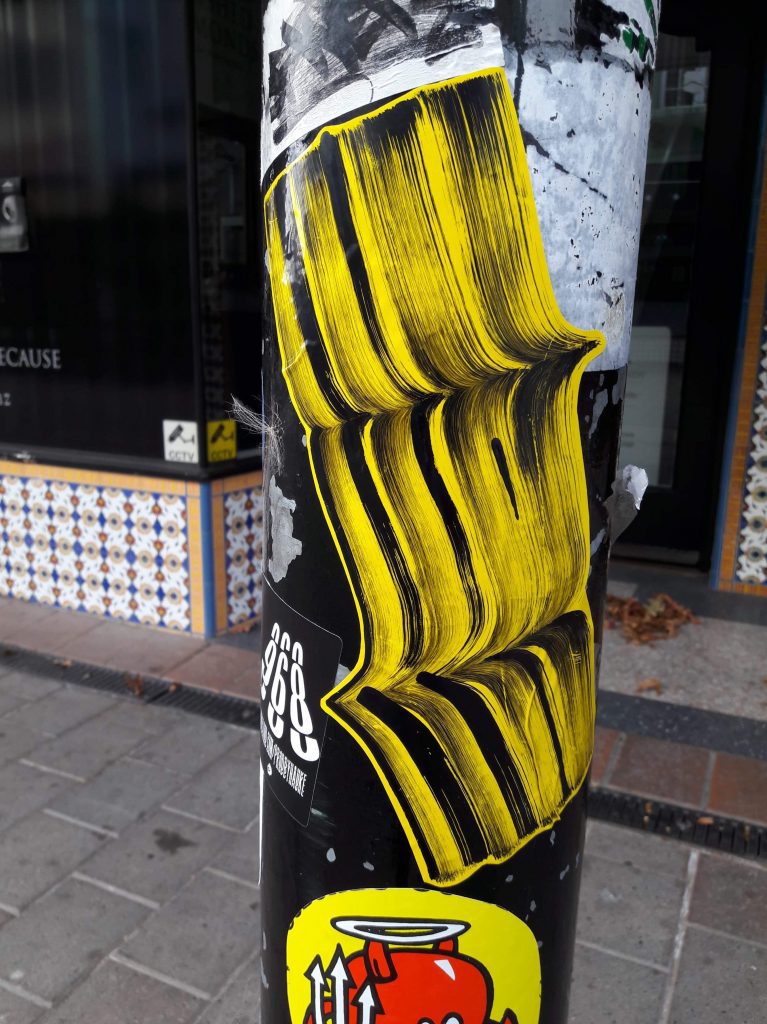
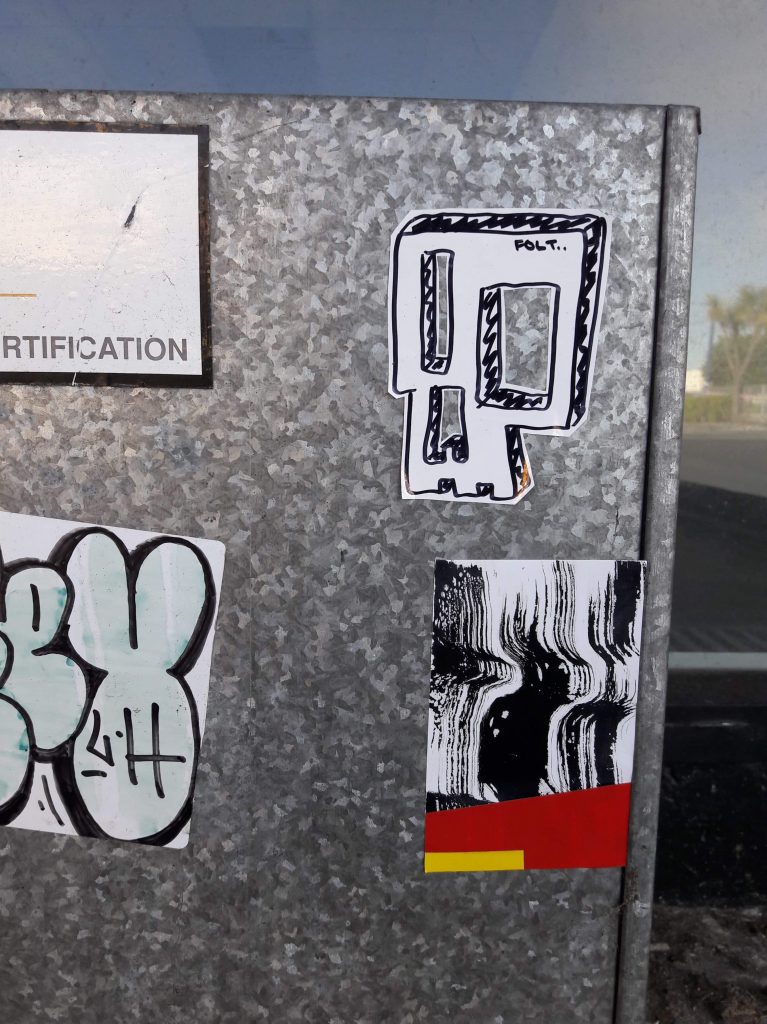
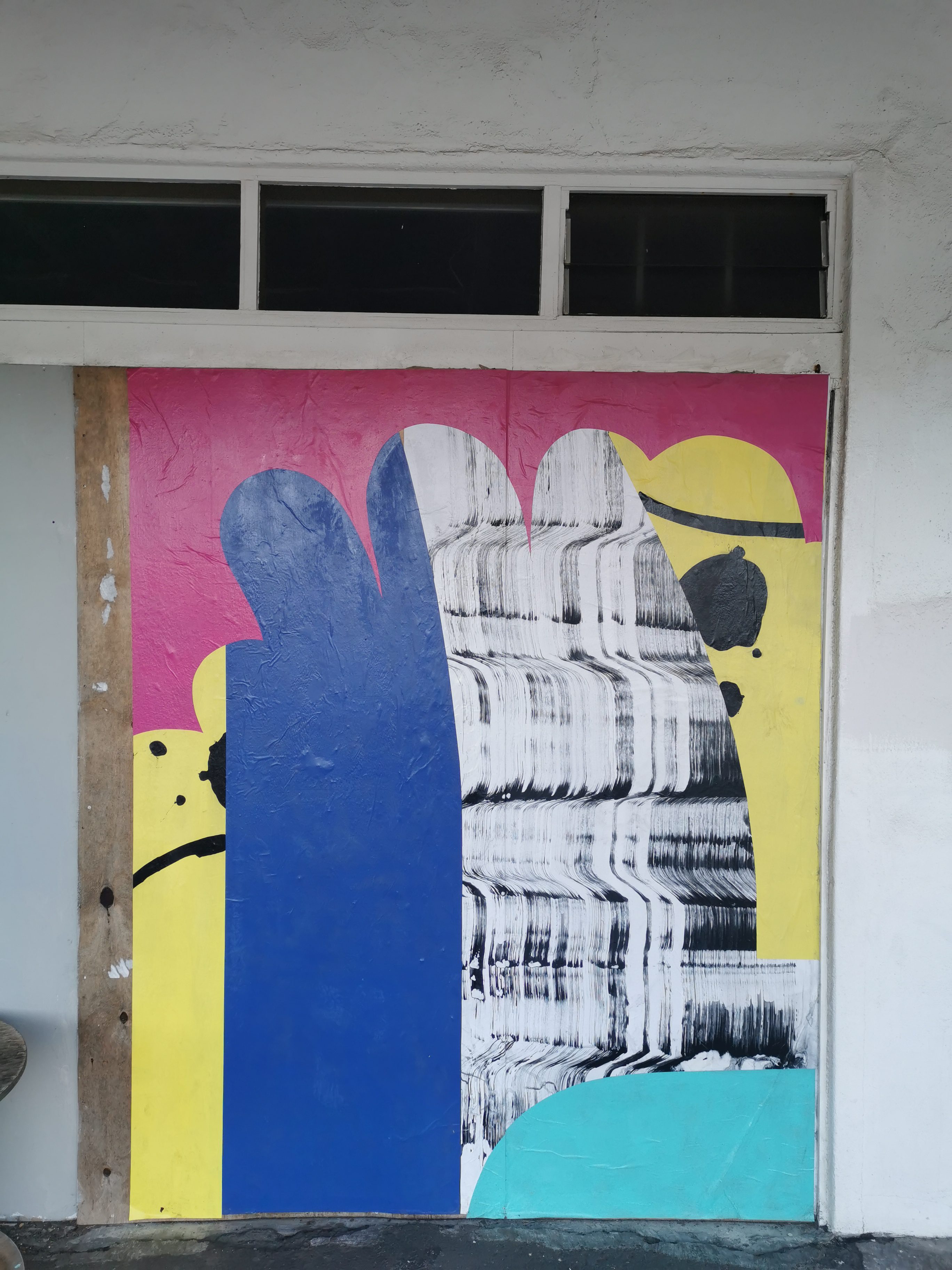
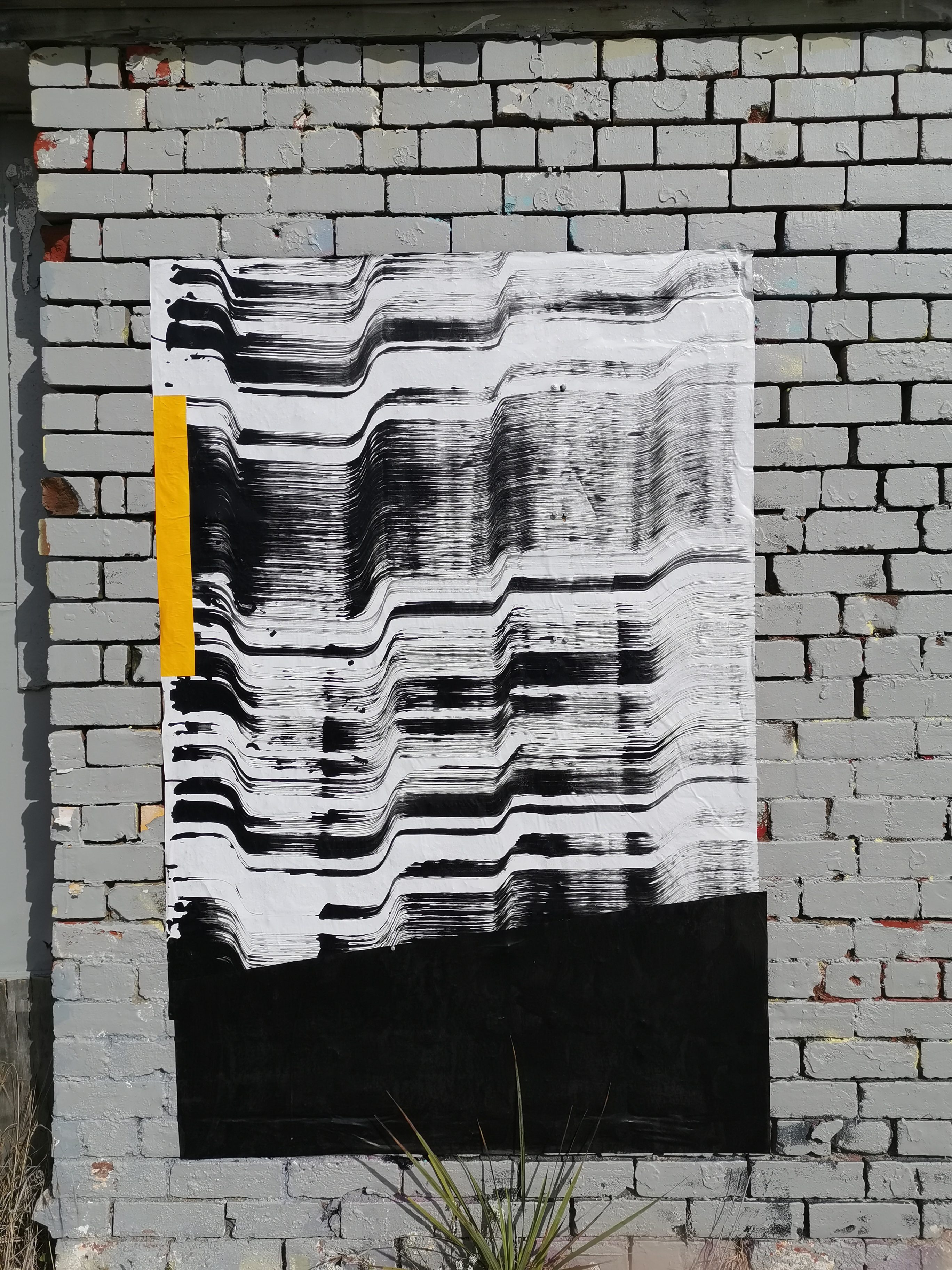
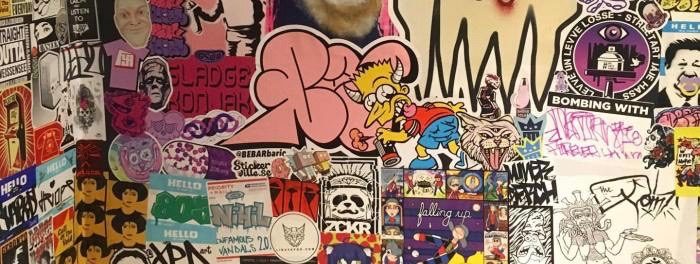
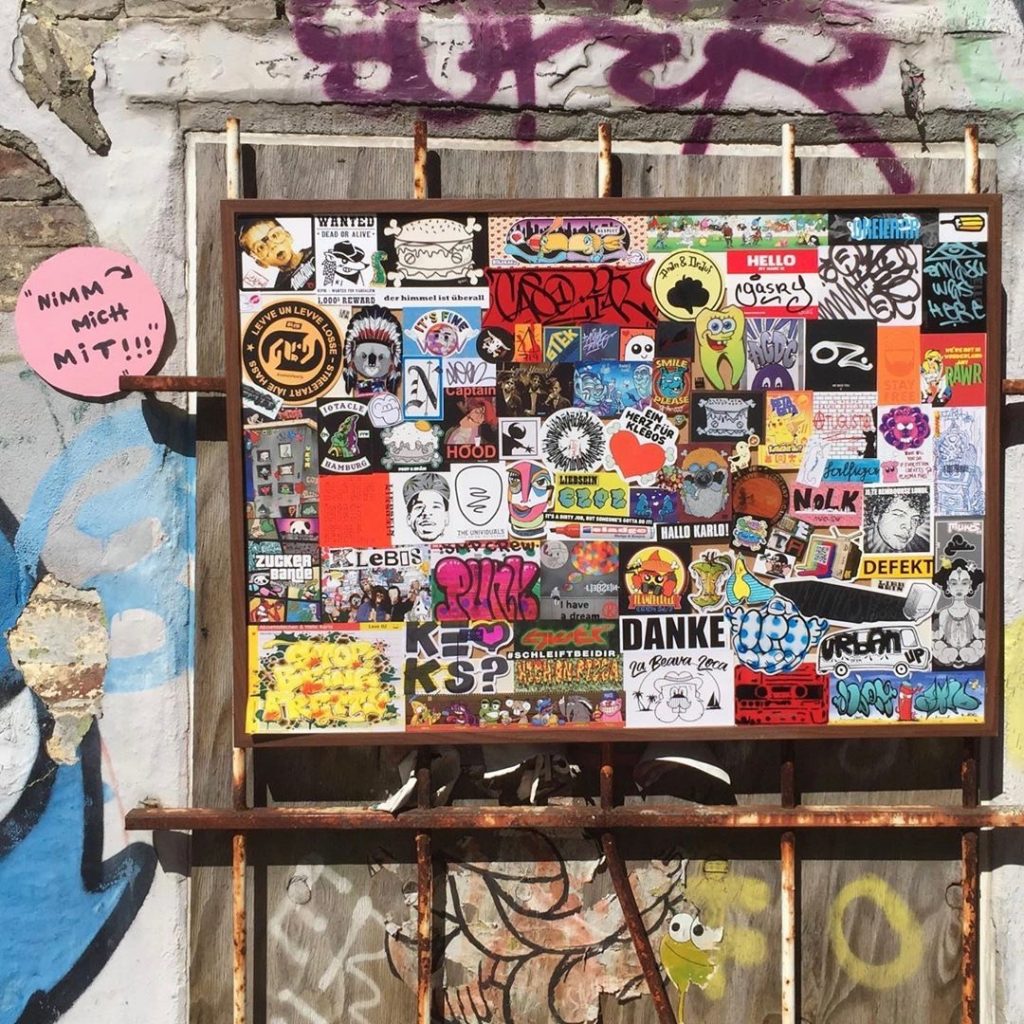
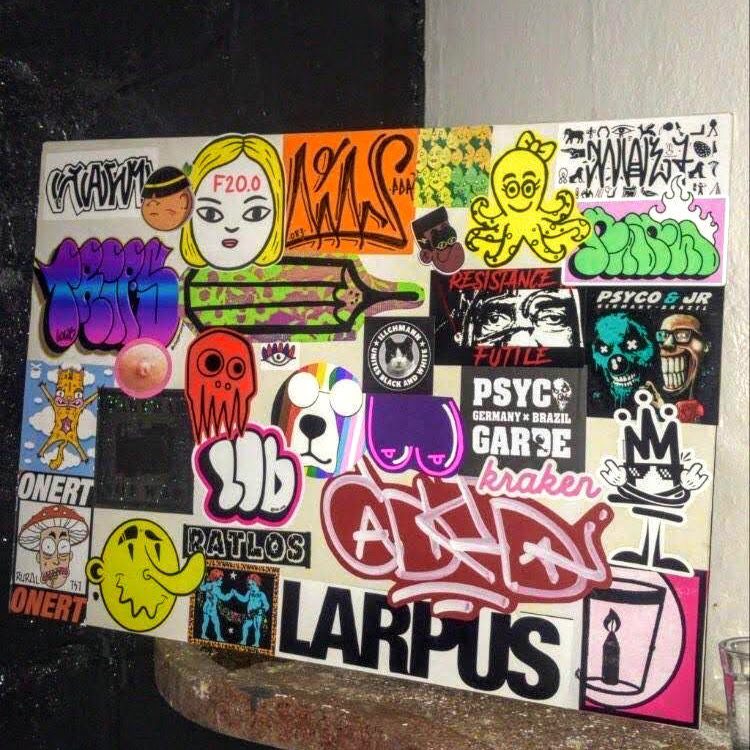
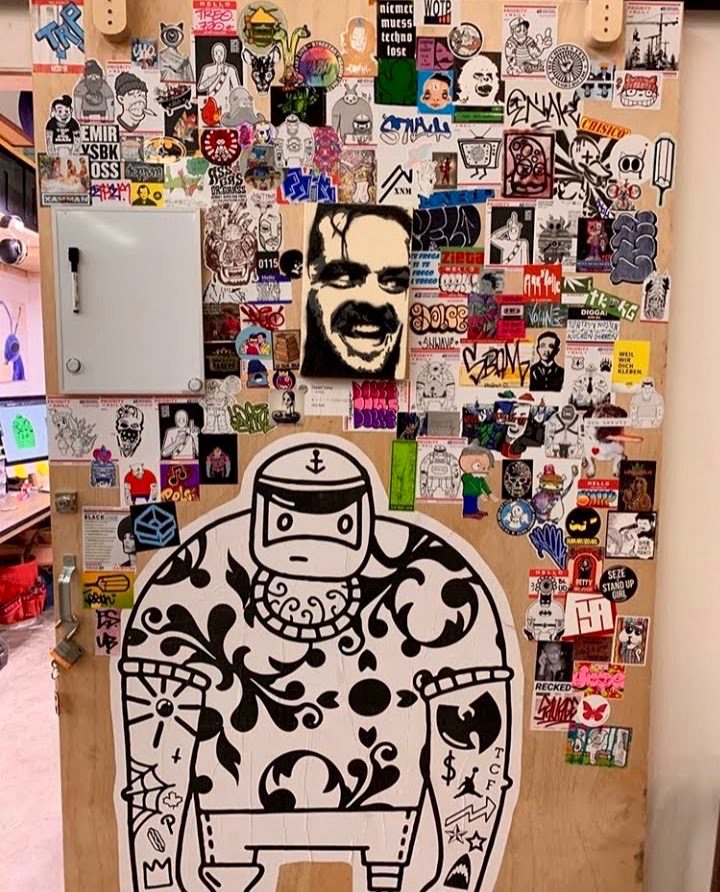
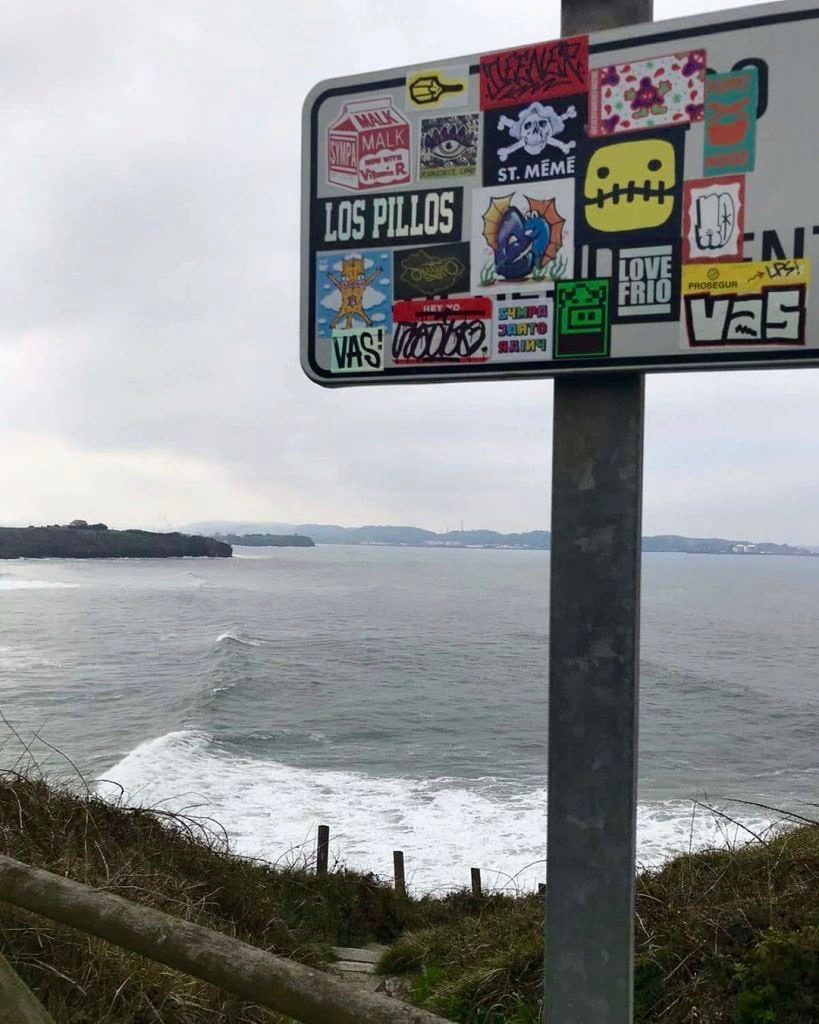
This second volume of Street Treats features a host of artists and threaded themes, from the traditional, yet entirely timely ACAB/1312 element, to graffiti’s unerring ability to speak of ugliness and beauty concurrently, or in the case of Teeth Like Screwdrivers’ ‘buff bluff’, the inherent potential in the blocks of grey paint that cover graffiti. Levi Hawken’s concrete sculptures have echoed the physical make up of the cityscape while speaking of his graffiti and skateboarding roots, and notably the Black Lives Matter movement. Vesil’s graffiti continues to be a highlight, diverse and well-placed, with an assortment of accompanying characters and accoutrements raising the spectre of playful nostalgia. Anonymous scribes contest election billboards and the future of human utility (I think…), or more hopefully, remind us that ‘love is rife’. Stickers and paste-ups continue to have a rising presence in the city, with acerbic, humorous and intriguing additions to urban walls and fixtures. In the case of FOLT’s skull cut-outs, it is as much the absence as the presence that is striking as these popular sculptural pieces are removed. Cosmik Debris’ paste-ups suggest the molecular science behind all things and the scale of being, while Dr Suits blurs the line between art and advertising, without anything to sell. This collection revels in the details of the city, details that many overlook. Yet, when you start to look closely, there are always surprises, always discussions, and always alternatives…
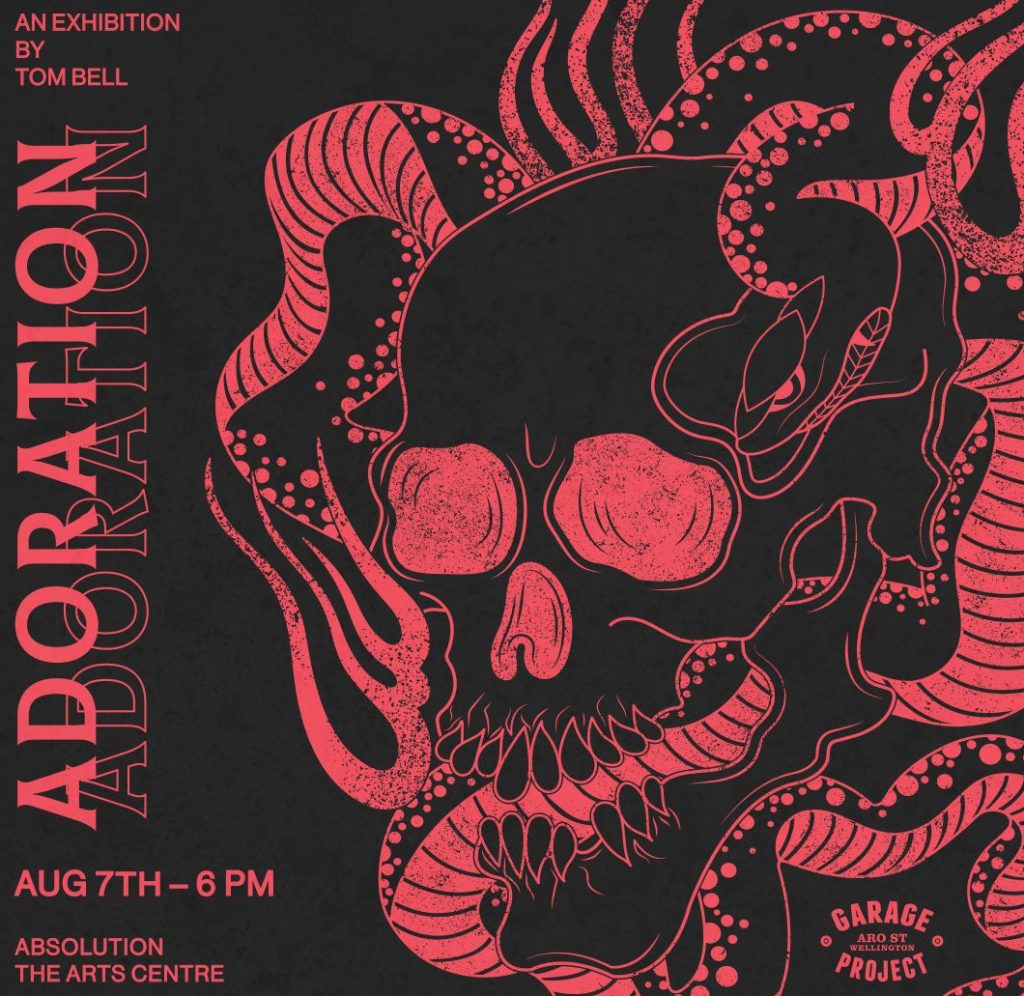
With the return of Level Two, August has been a bit of a roller-coaster, with the highs of communal gatherings matched by the returning weariness of congregations and the tiresome political bickering and conspiracy theory wackiness dominating much discourse. But that is where art is so effective, it can be both a glorious shared activity and a private independent adventure, a distraction from what is going on and a reflection of those same issues. The month started with a sense of excitement as I met with artist Tom Bell to discuss his upcoming show Adoration, which provided a great opening night. As time passed, more things turned my head. It was clear people were busy, from guerrilla interventionists, to mural artists, and it felt like the city was alive with activity. This energy has been somewhat tempered by the potential of a shut down (at the time of writing this at least), but it gives me pause to believe that even when difficult times emerge, art can always find a way to help out…
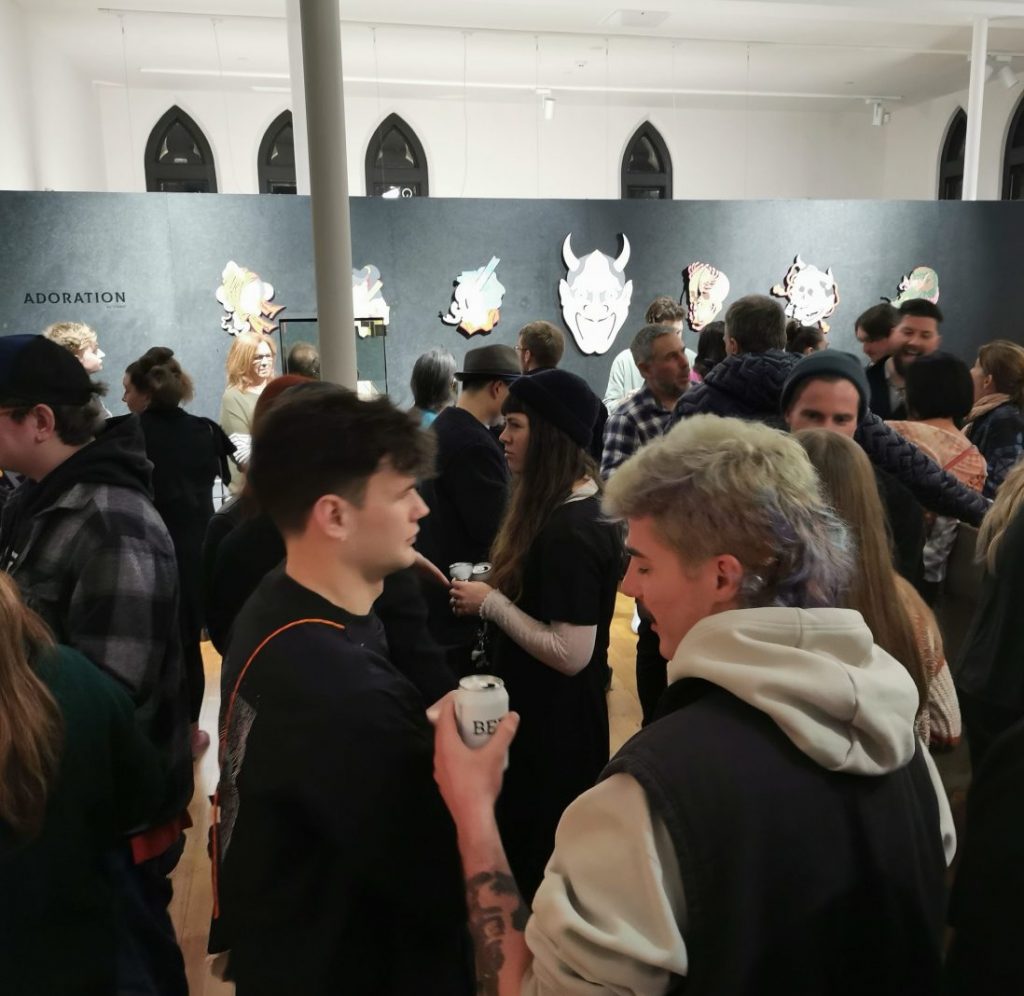
Tom Bell – Adoration @ Absolution
The month kicked off with a farewell as Tom Bell presented Adoration at Absolution in the Arts Centre. Tom has been based in Ōtautahi for several years, working as a graphic designer, while diving back into painting more recently as a creative outlet. His art has long been entrenched in Japanese imagery, and Adoration played homage to that ‘adored’ visual style. Intricately cut and painted plywood, with subtle layering and flashes of detail made for a striking collection. The turn out was also impressive, with Absolution jam-packed, a well-deserved result for the artist’s long path towards Adoration.
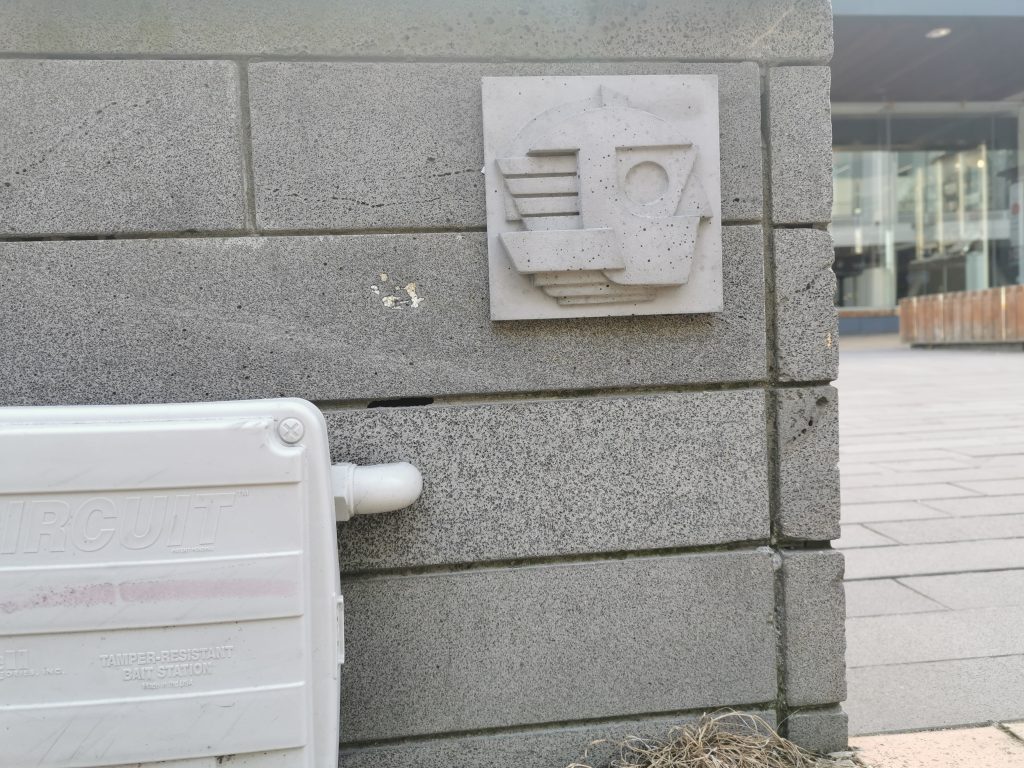
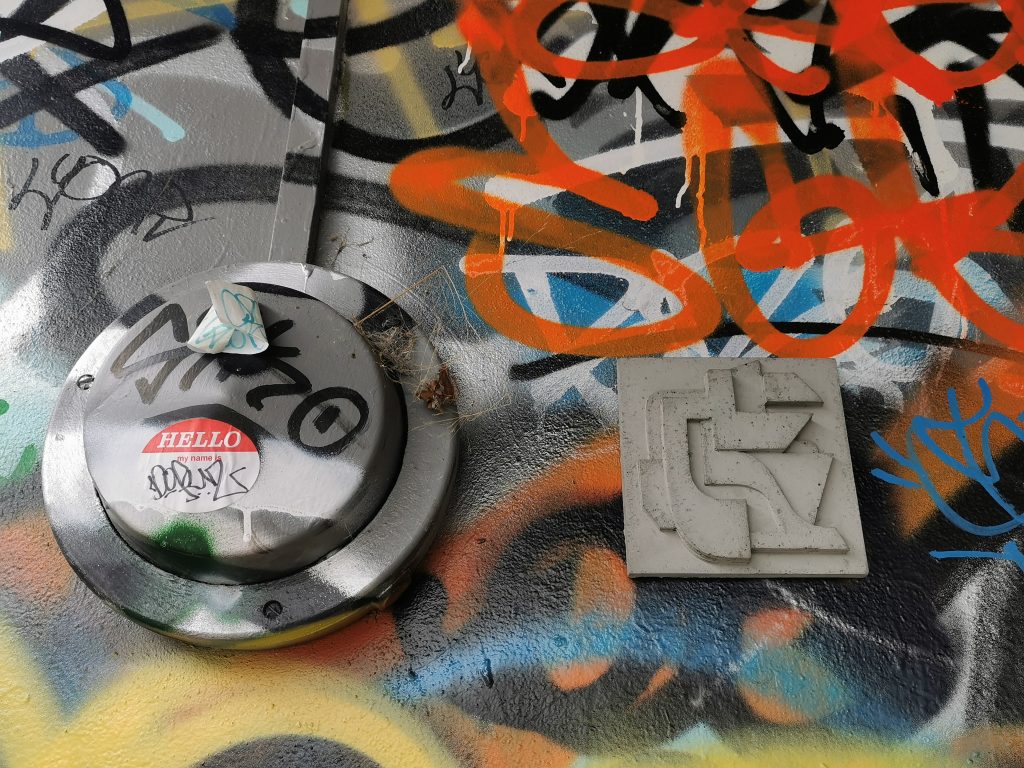
Levi Hawken’s urban installations
Auckland-based artist Levi Hawken’s concrete sculptures were introduced to the city at the Fiksate show Urban Abstract last year. Placed within the gallery setting, they were immediately recognisable as versatile aesthetic objects. But Hawken’s works are undeniably influenced by the urban environment and they gain so much from their placement within the cityscape. It was therefore an awesome surprise to see a number of his small works mysteriously applied to walls and fixtures around the city, subtly subverting expectations.
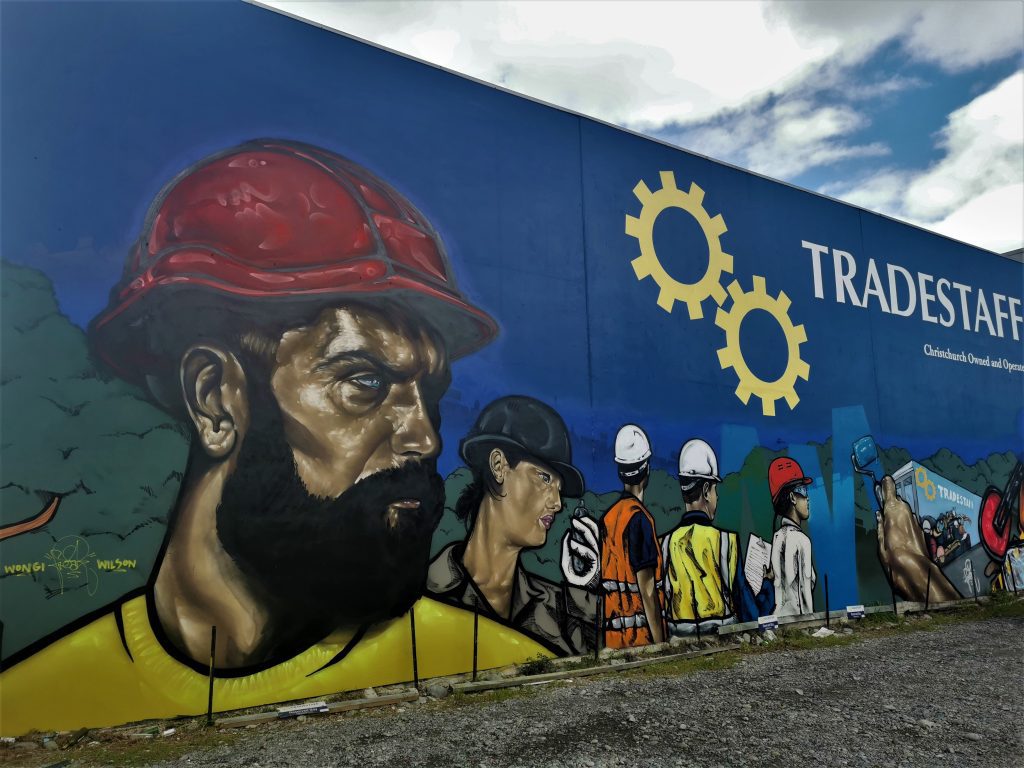
Wongi ‘Freak’ Wilson’s TradeStaff mural update
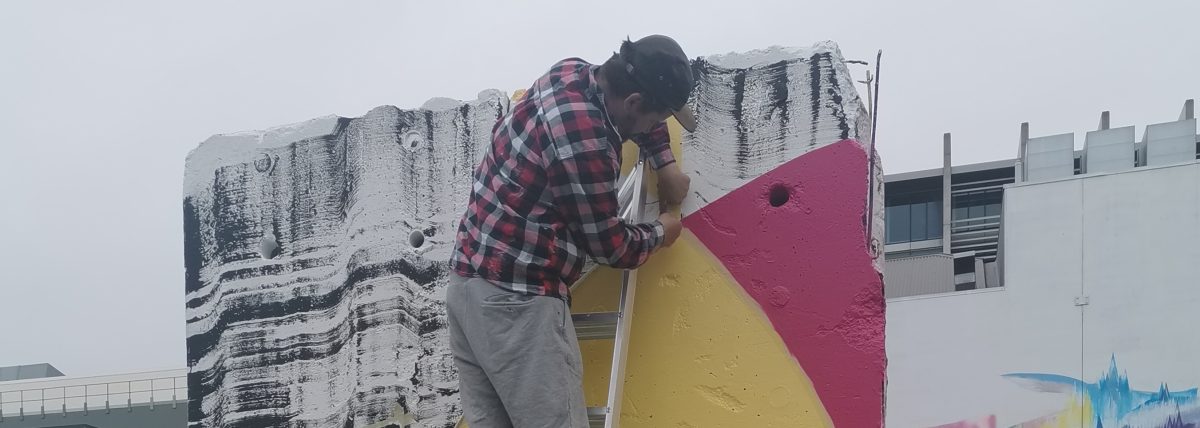
We all know Wongi Wilson’s aerosol technique is mightily impressive, and that rings even more true as time passes and he refines his approach. That reality is instantly recognisable with his recent refresh of his own TradeStaff mural on the corner of Colombo Street and St Asaph Street. The original mural, painted around 2013, had become a familiar site in the CBD, but the new work, still in progress when I first saw it, is incredibly striking, almost invoking the proletariat intensity of propaganda posters…
Catching up with old friends…
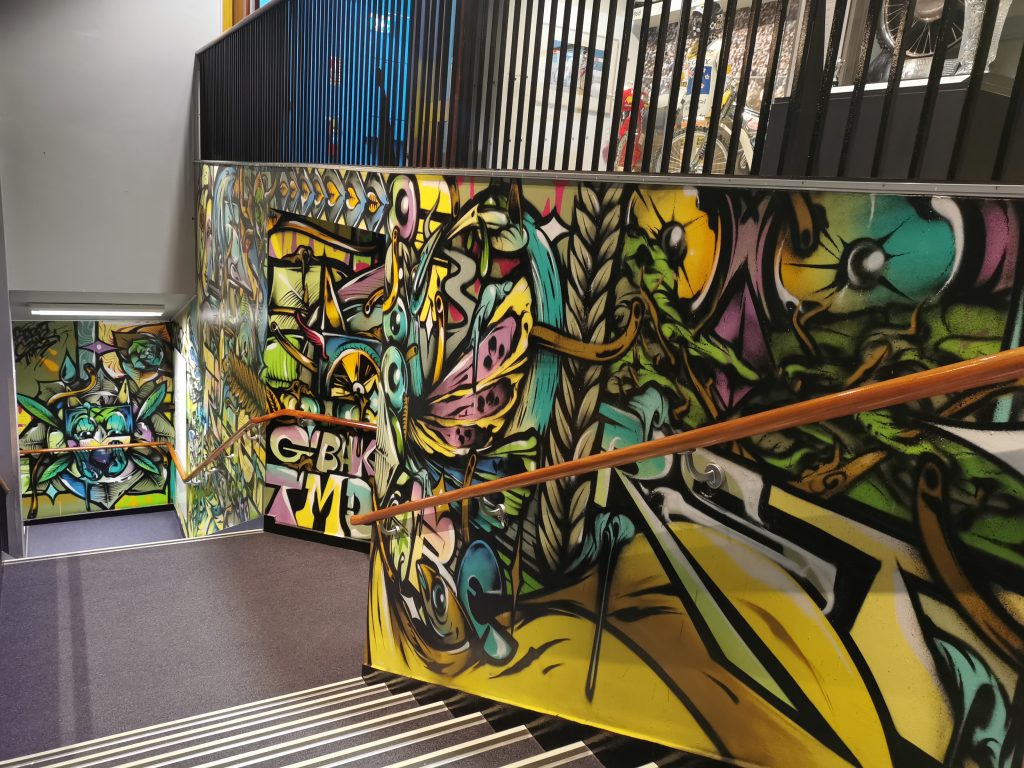
Over the month of August, we have been putting together a project that we can’t wait to share… but for now, it is enough to say it has been a heap of fun catching up with a bunch of our favourite artists and revisiting some of their most memorable works (including some more recent additions), such as Berst and his God of the Forest in Sydenham and staircase mural inside the Canterbury Museum (pictured).
Distranged Design on Manchester Street
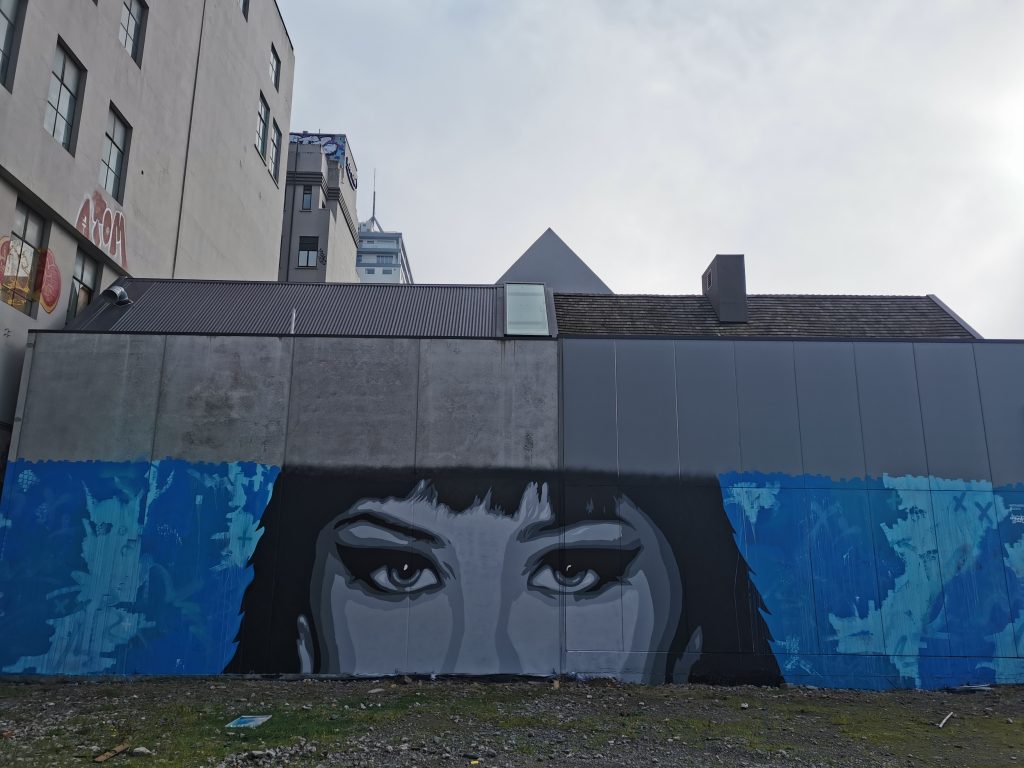
Distranged Design’s newest outdoor work on Manchester Street is an impactful surprise, anonymous eyes peering out from an expressionistic blue background splashed across a distressed wall. Staring at passing traffic from behind hurricane fencing it is an alluring sight and forms part of a larger collection of interventions in the vacant lot…
What were your highlights from August 2020? Let us know in the comments below…
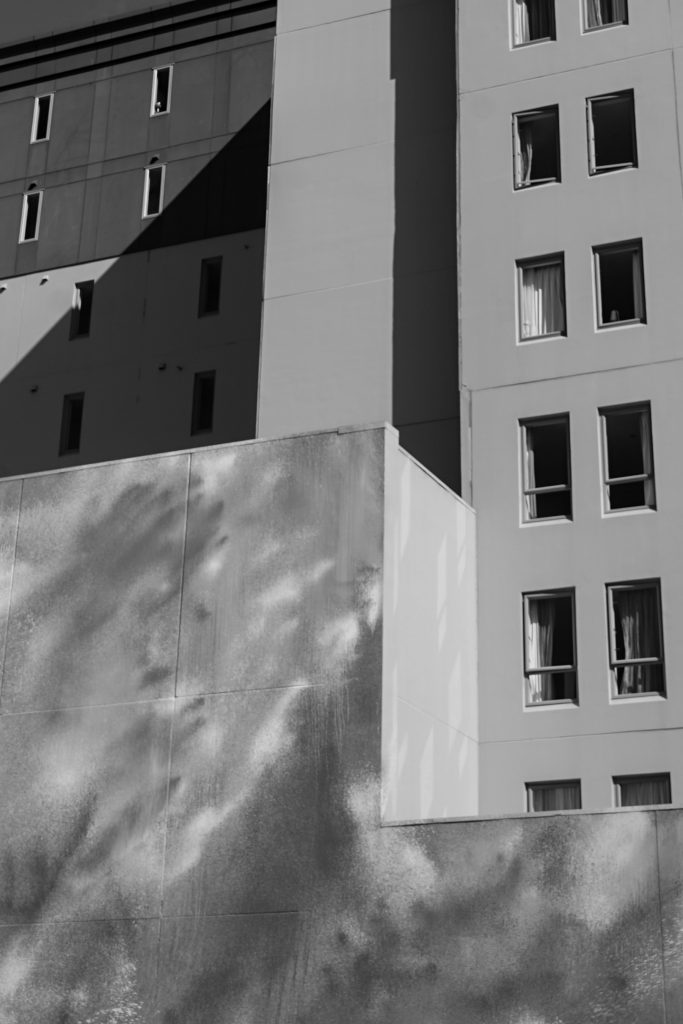
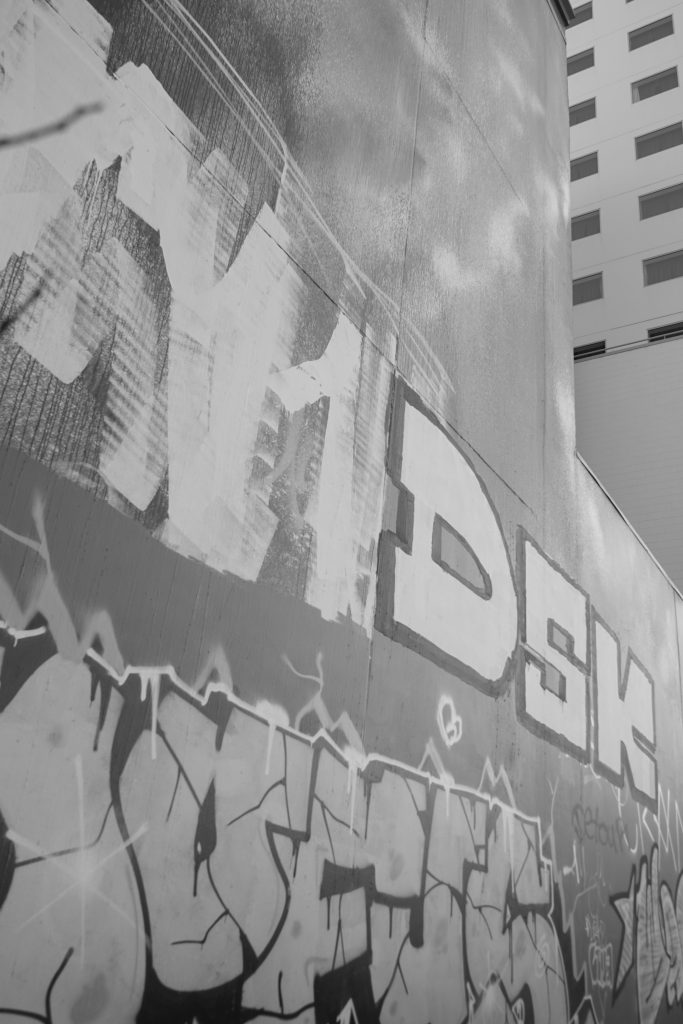
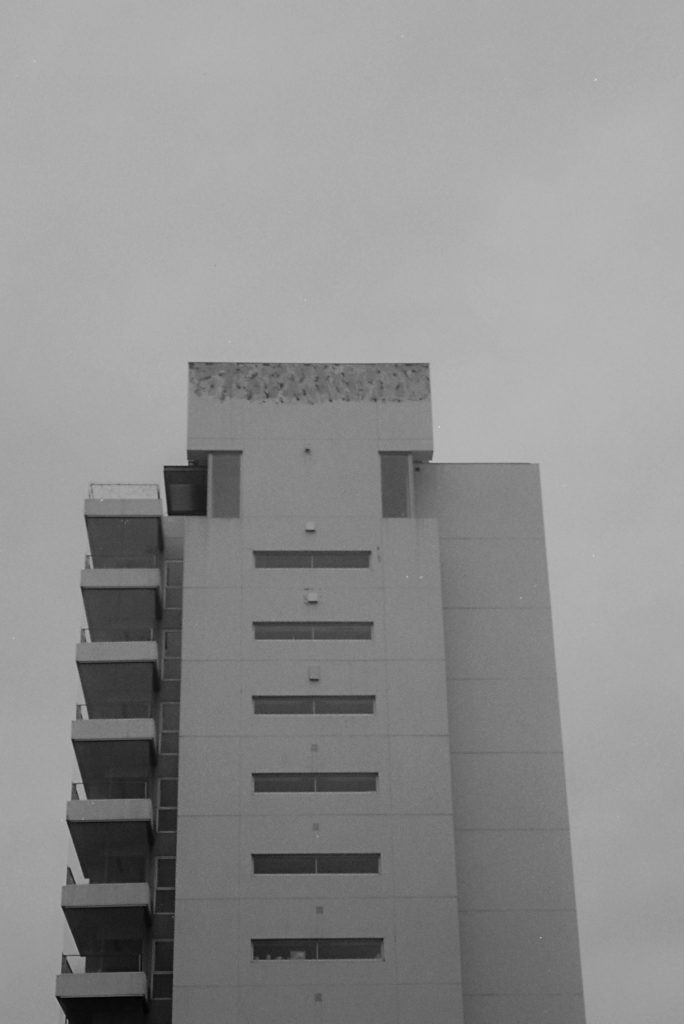
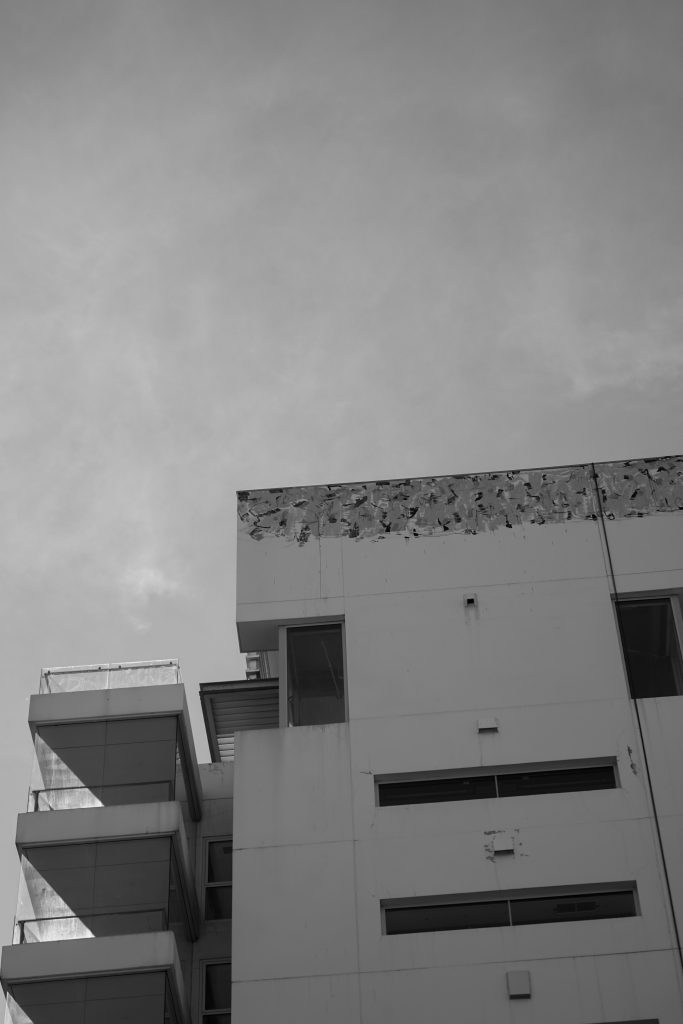
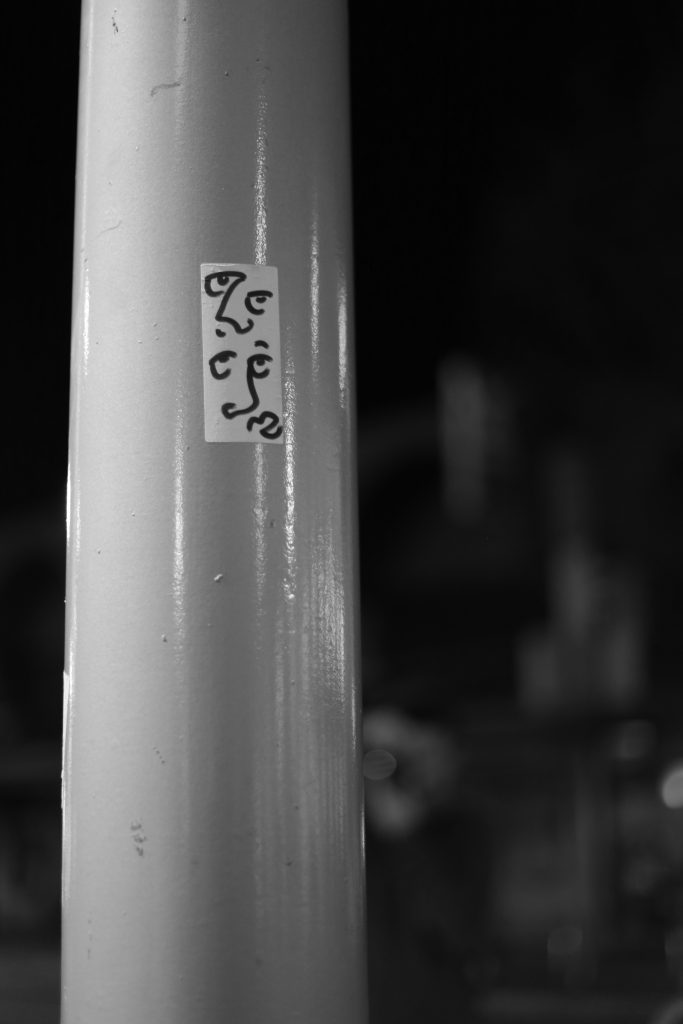
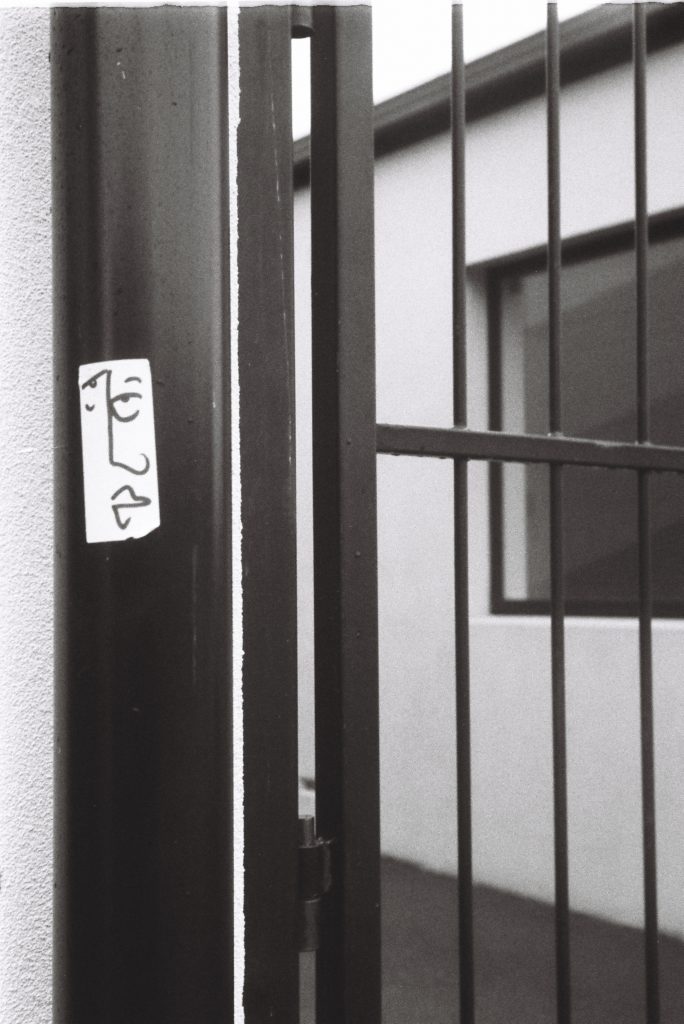
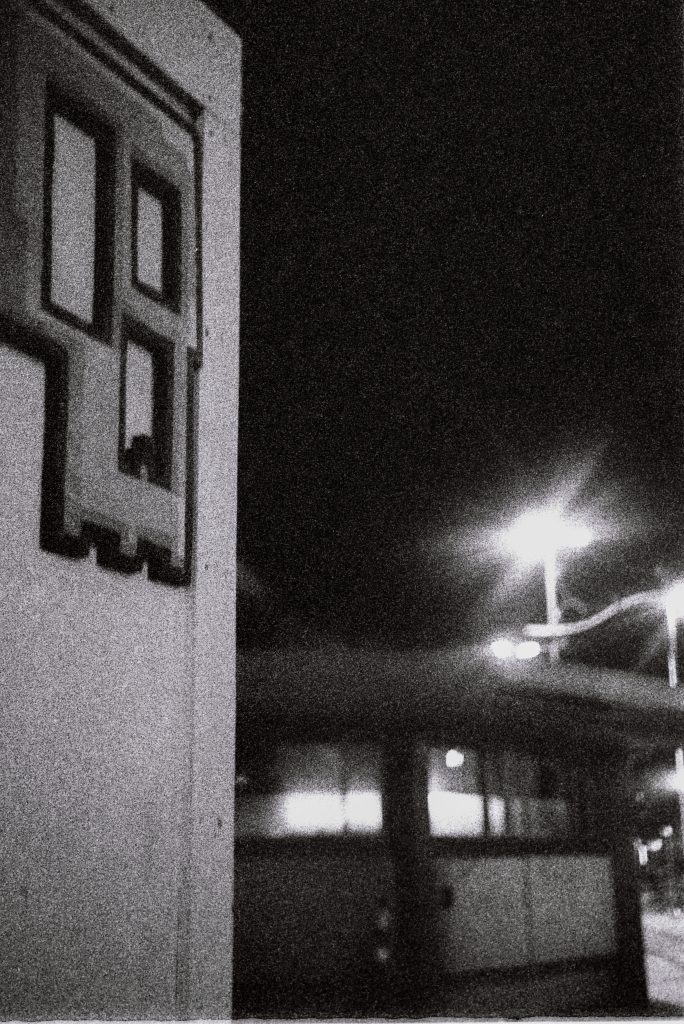
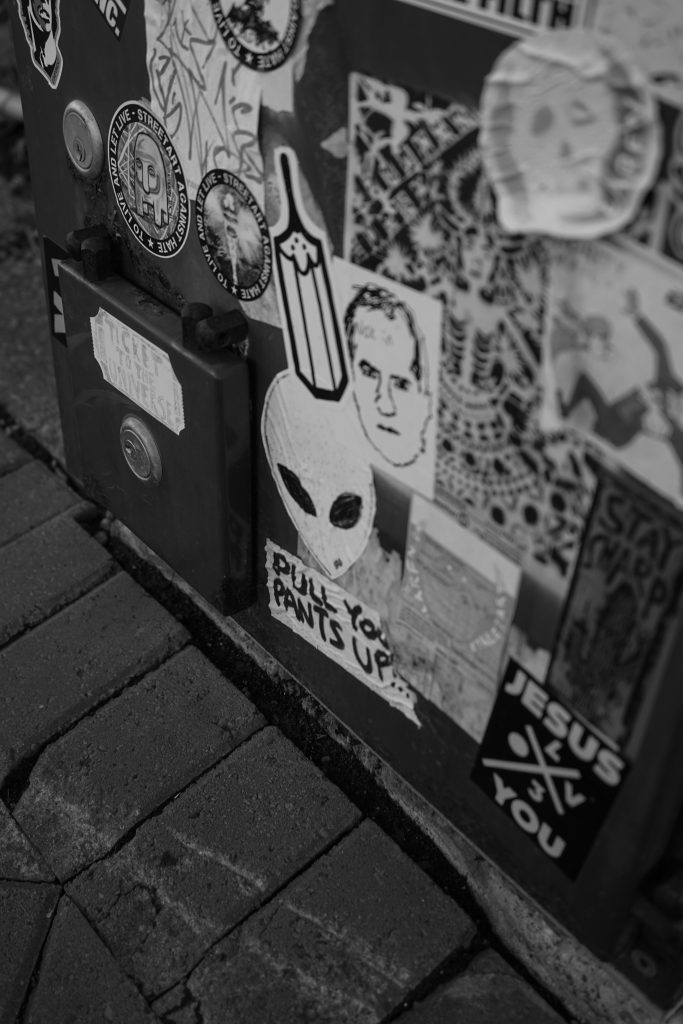
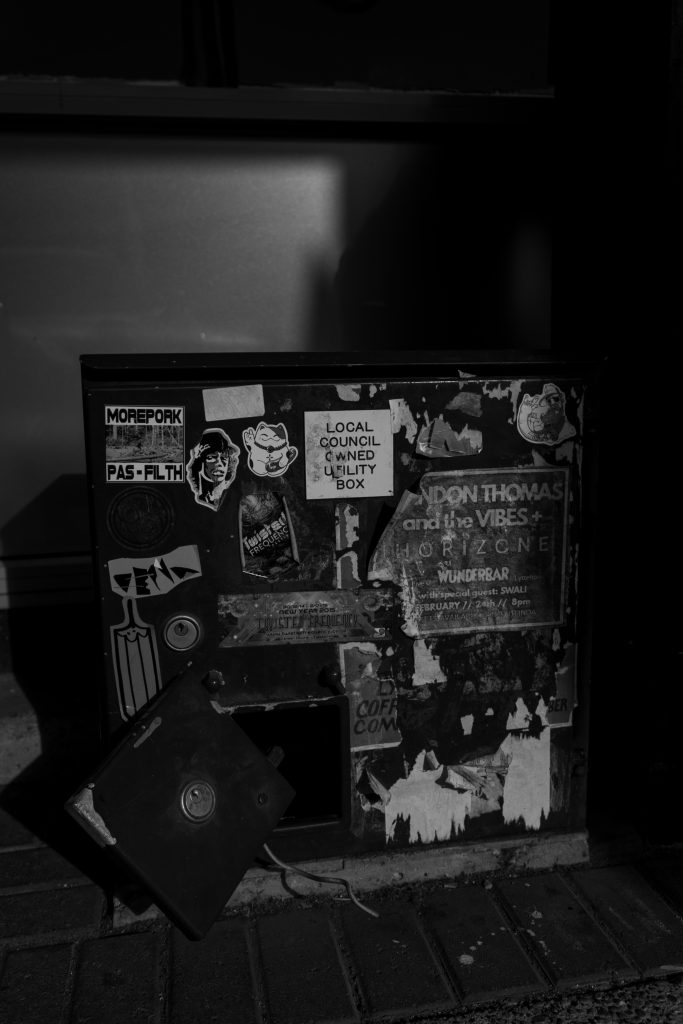
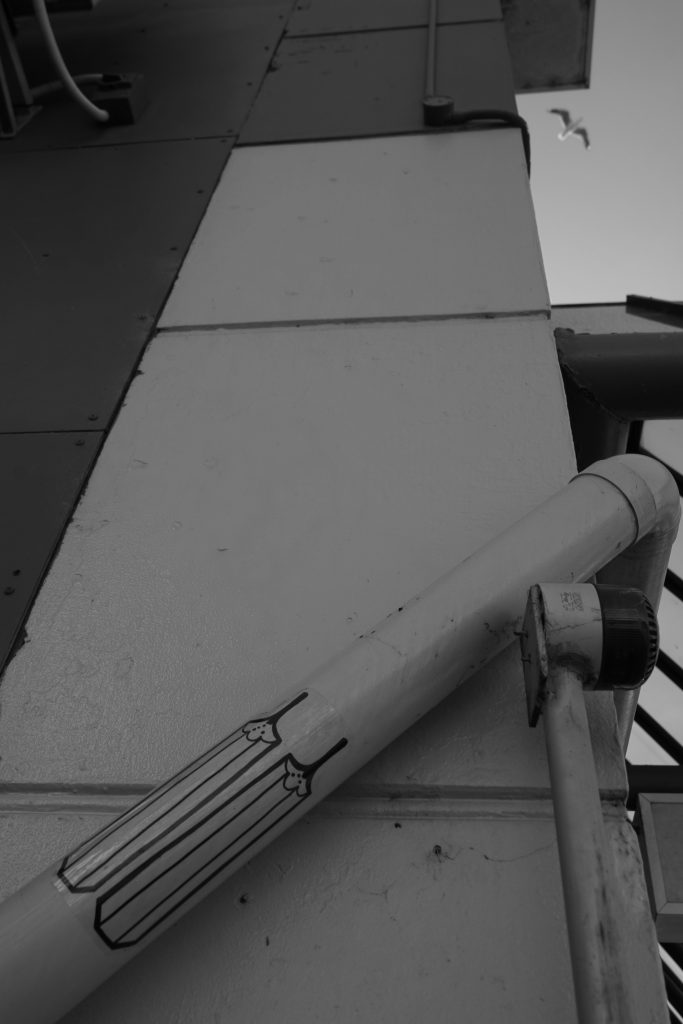
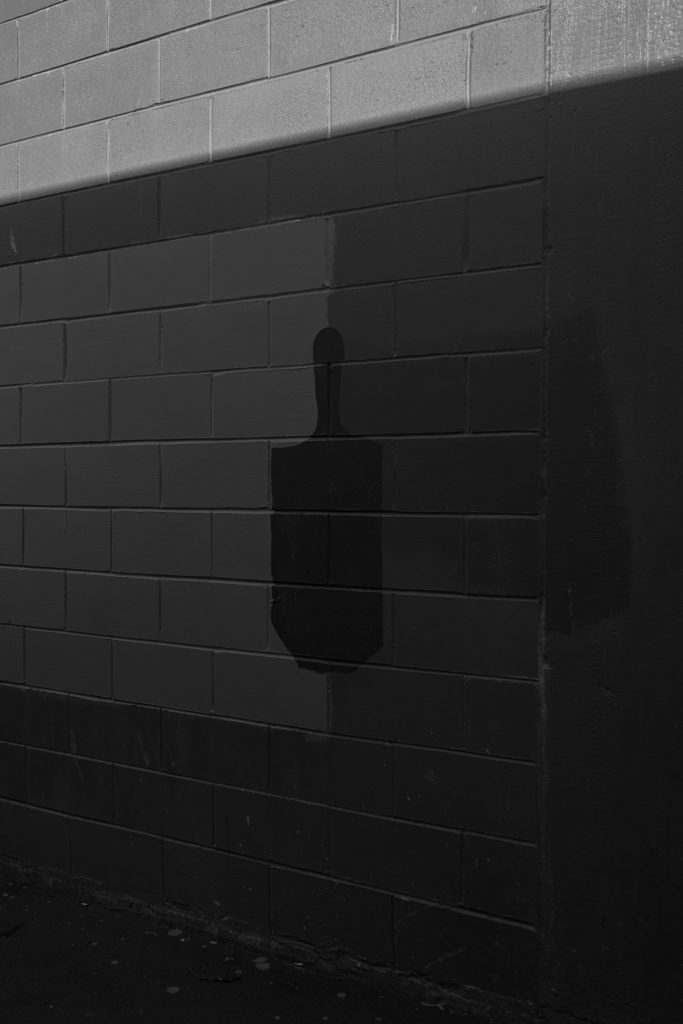
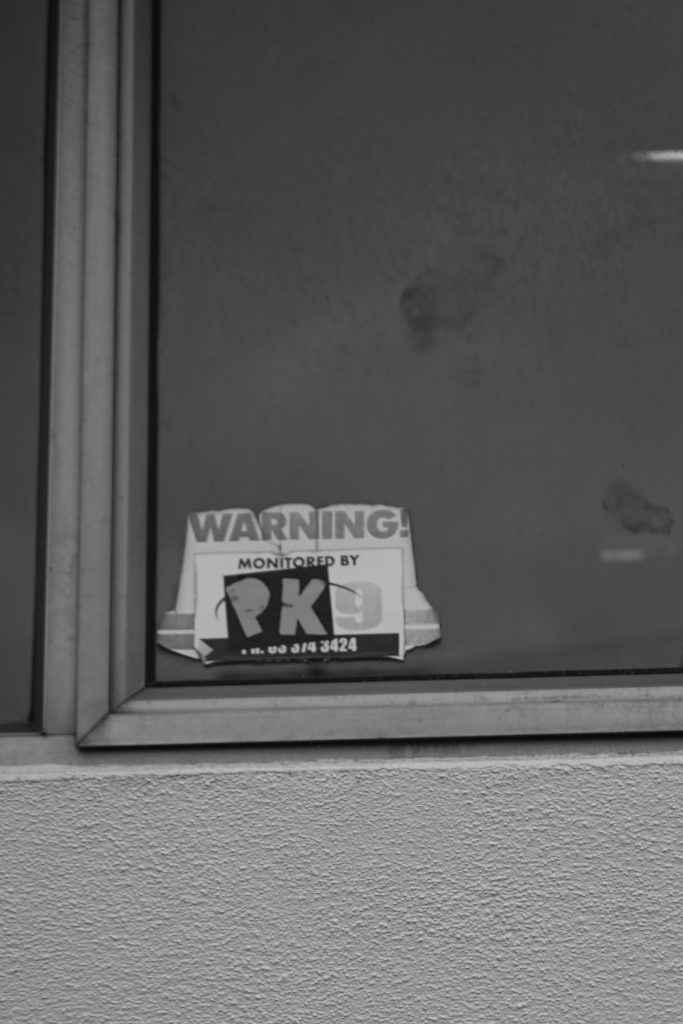
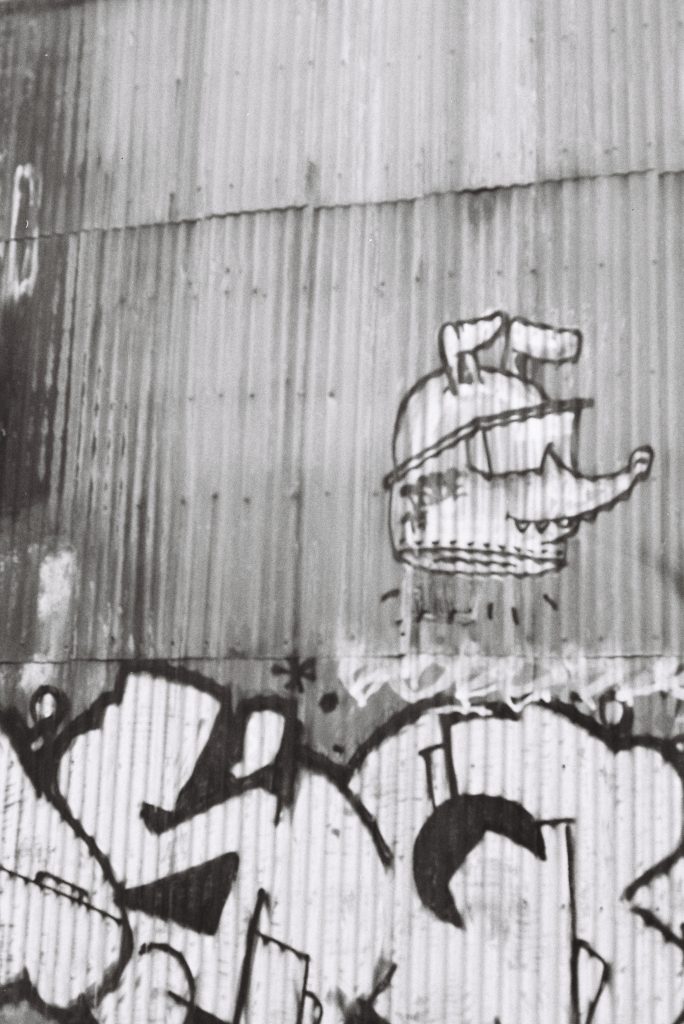
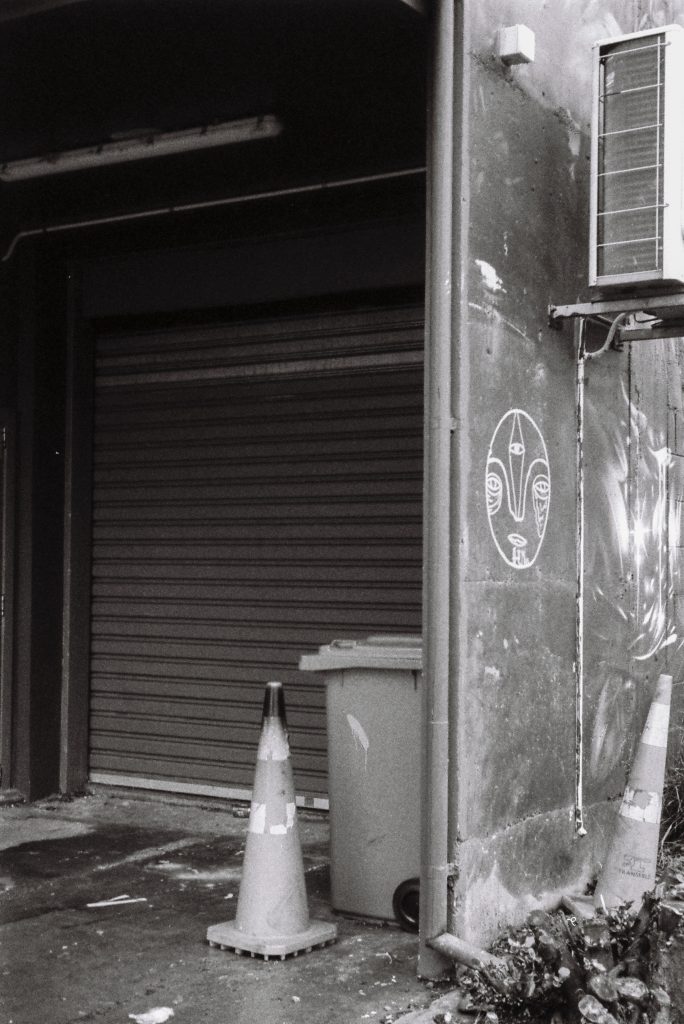
For the latest entry in our photo essay series, we reached out to Befaaany, a Christchurch photographer whose work showcases the urban and concrete landscapes of the city. After being impressed with her striking pictures on Instagram, we knew she would be a perfect fit. Befaaany’s response was a beautiful collection of black and white images that run the gamut of urban expression, small stickers, bold graffiti, abstract paintings produced in perilous environments and the ephemera of a eradicated presence. In compiling these photographs, Befaaany is able to highlight the issue of street art’s gentrification and mainstream popularity, a process that has in many ways clouded our recognition of street art’s subversive and disruptive potential…
Local street artists are constantly finding new ways to create art in a city filled with council-funded installations from international artists. These have included challenging gentrification of graffiti directly, blurring the lines of ‘legitimate’ and ‘illegitimate’ street art, disguising their art into the city, and leaning into the temporary nature of their art form. – Befaaany
Follow Befaaany on Instagram to see more of her amazing work…
Earlier this year I received an email connecting me with Bulky Savage, a New Zealand-born artist living in Berlin, who was seeking a wall to paint while home visiting family. We traded some messages and attempted to find some options, but ultimately it appeared that nothing would quite line up. Intrigued by a Kiwi artist now based in an epicentre of urban art, I dived into his Instagram to become familiar with his work. His quirky menagerie of characters, seemingly indebted to the influence of cartoons, were immediately endearing, while literal washes of colour added vibrancy but also a suggestive symbolism. Imbued with a sense of playfulness, they were equally comfortable in the digital illustrative realm as they were on the streets.
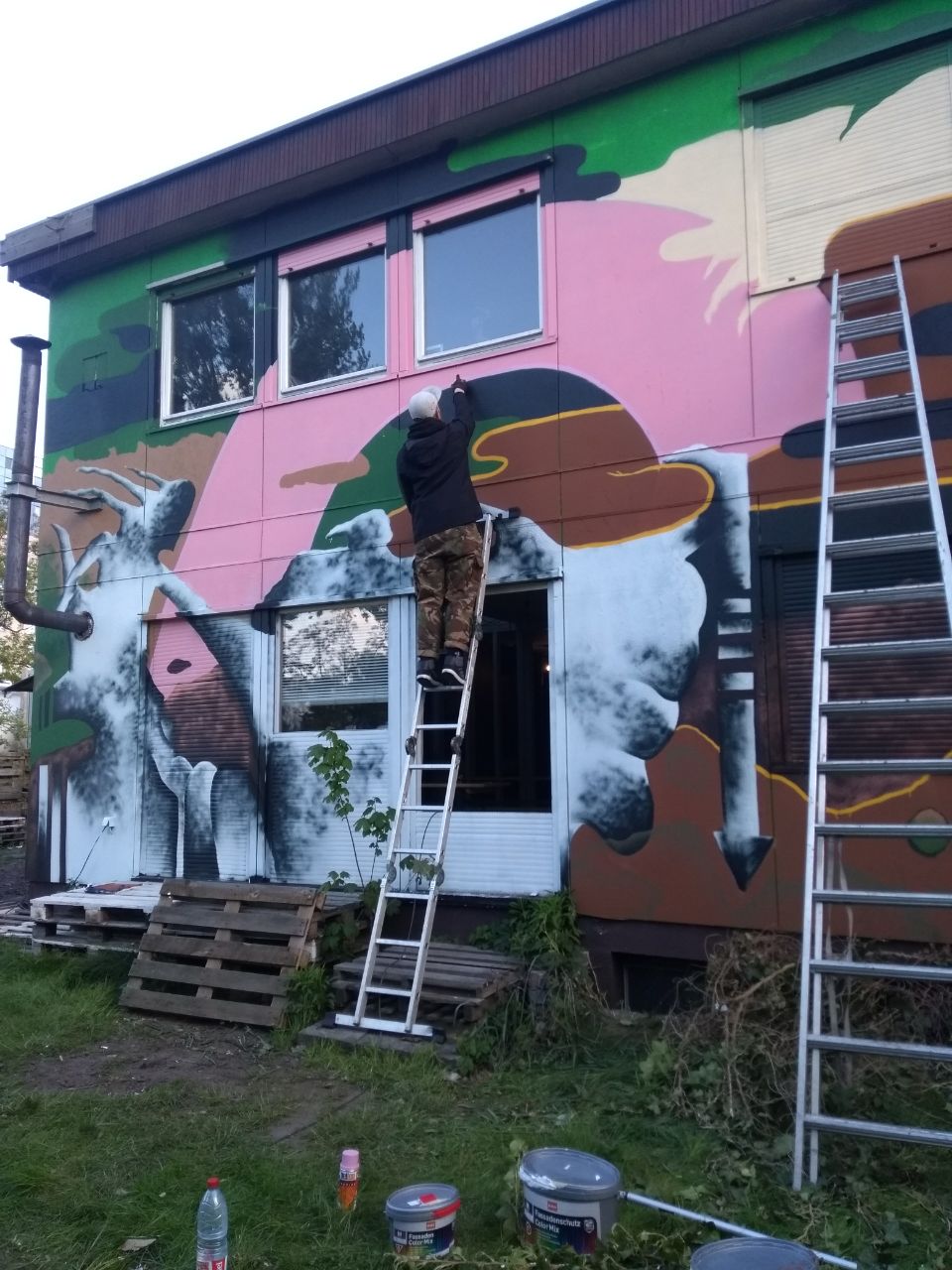
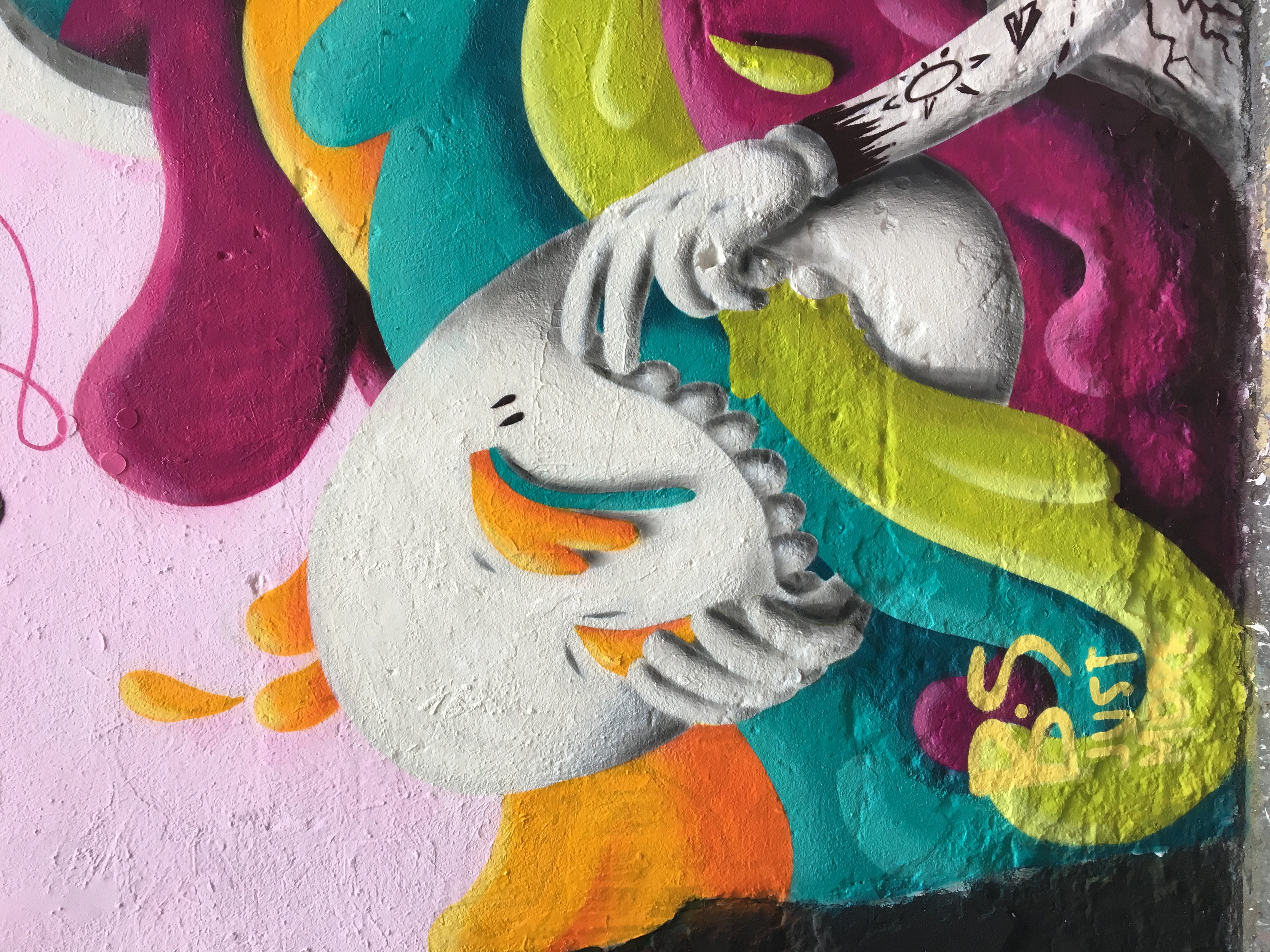
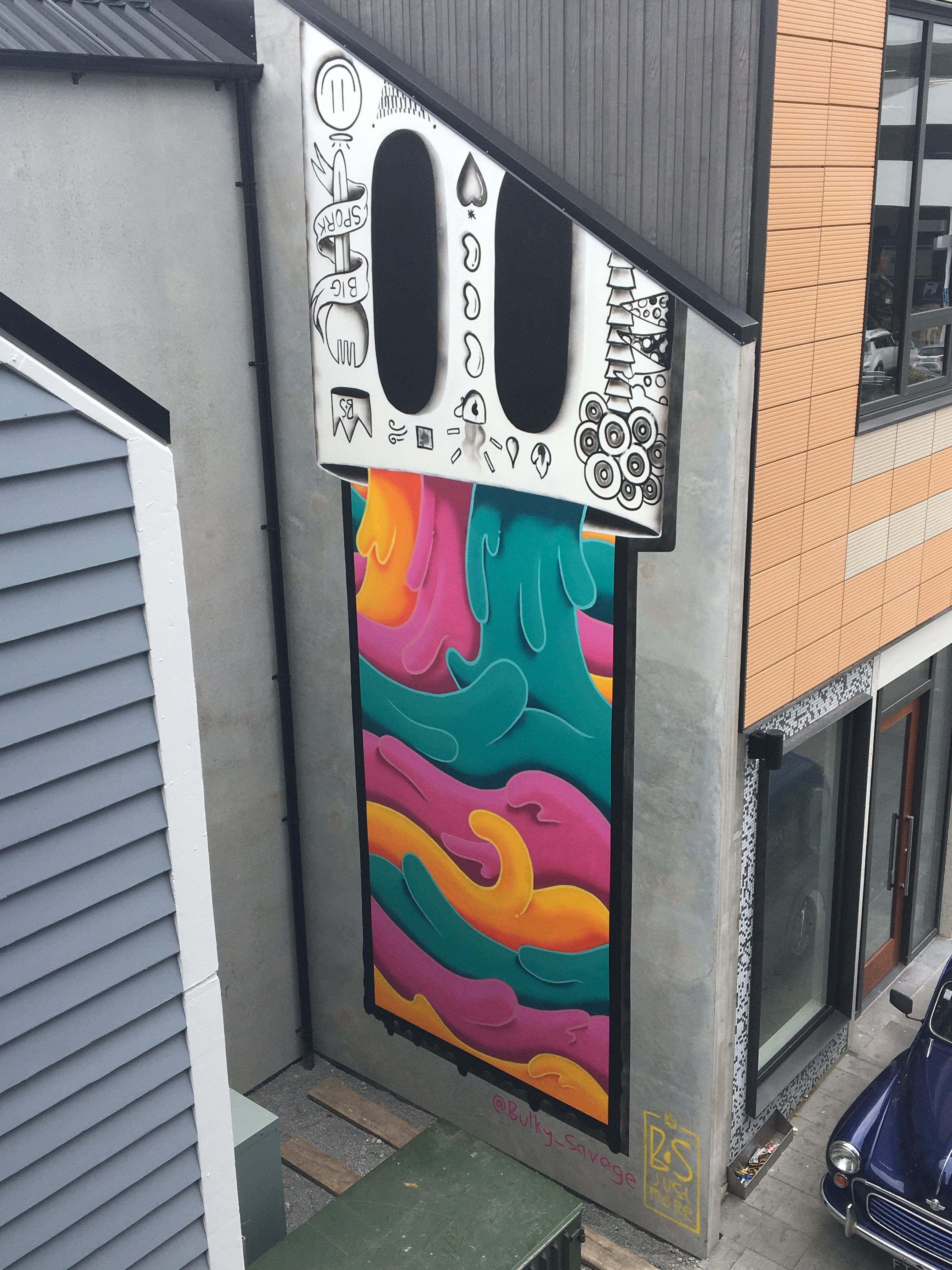
Fortunately, B.S. was finally put in touch with the owners of Riverside Market and before returning to Germany, finally got the opportunity to produce a mural to mark his temporary homecoming. The wall painting, featuring one of his recurring hollow-eyed skull characters and a flow of colour echoing sloshing paint, is on a somewhat secluded wall in the laneway beside the bustling market. However, that seclusion doesn’t stop it from being a striking sight once you are introduced, beguiling in its seemingly open narrative, with confectionery-esque colours set to flood the ground.
While we had only exchanged brief pleasantries via email, when we finally chatted face to face (or at least via a Messenger call, as is the way in these pandemic times), it was quickly apparent that B.S. was instantly affable and an hour quickly passed. We discussed Berlin, his entrance into the street art world, his experience here in Christchurch and importantly, the state of the world and the modern economy…
While I’m sitting here in Christchurch, you are in the morning sunshine of Berlin, how did you come to live in Germany?
I grew up in Auckland. my dad is English but has been in New Zealand since the late seventies, and that’s kind of how I managed to be over here, with that [British] passport, but who knows how much that’s worth anymore…
So, at what age did you leave New Zealand, and what drew you to Berlin?
I turned 23 very shortly after I left New Zealand. I just wanted to get out. Our tiny little home in the middle of nowhere is great, but it is very hidden away, so I just wanted to see what was going on in the world. Europe was obvious and I had the passport, so that made things a bit easier. I wanted to learn another language, so I wanted to go somewhere in Continental Europe. I bumped into a bunch of German people as I was leaving New Zealand and again while I was travelling, and Berlin came up. It was always a blip on the radar, but I didn’t know anything about it except that it has always had good music. But by my second day here, I was just like, yeah, this is cool, I could do this for a bit. I did spend two months living in London when I ran out of money. I couldn’t get a job in Germany, so I went to London and worked for two months and squatted and got some cash together before settling here.
My impression of Berlin was that there is a palpable energy to the city. It was busy and there was a grit that wasn’t evident in Munich, for instance.
There is a little bit of everything here in Berlin, something for almost everybody. You either love that chaotic kind of energy like you said, or you don’t, certain people just don’t get on with it, but yeah, it totally grabbed me. I never really had a trajectory until I got to Berlin and saw the street art everywhere, and I was like, this is where I need to be!
So much of Berlin’s history can be seen and felt in the streets. The streets speak in many ways, re-presenting different eras and epochs, and that lineage almost informs the graffiti and street art in Berlin with a potency that some cities lack. While muralism is often charged with complicity in gentrification, in some ways urban art itself has been gentrified, but in Berlin it felt different.
Yeah, I guess that is always one of the conundrums of being part of this kind of art scene. It does kind of run both sides of the gambit. It is part of the problem and the solution! Berlin was definitely a bubble within it all, at least for a while… Gentrification has become more of a problem recently as the city folds a bit to the mighty Euro and murals do get absorbed into that as well. But yeah, muralism is only one layer of the street art and graffiti scene and there will always be people telling stories from the streets here.
A lot of people have said that Berlin’s a place for lost people. You get a lot of people coming here because they don’t really know what they’re doing with themselves. They spend a couple of years here and then figure it out and go and make money somewhere else. I guess I never got out, I became entangled with Berlin. But it’s become part of my art style and my lifestyle. I guess it’s also spoiled me, I’m not really sure that I could go and do what I’m doing somewhere else, in the same way anyway.
You explore a lot of different creative activities, so how would you describe what you do? Do you define yourself by any particular discipline or medium?
I like to say that I’m an artist who does street art sometimes. I bore easily, but if I’ve got different things to play with, I can always move on to something else. I really like photography, but everybody does photography, so it’s a much more difficult market to break into. I do digital stuff, and I’m trying to get back into painting with paint brushes again and things like that. But spray cans particularly are my jam. I’ve gotten good with those and its really nice to feel capable with something like that. That’s the problem with being multidisciplinary, it’s really frustrating working with things where I’m almost there, but I’m not really there. It’s nice to work with something where I can be like, bang, bang, bang, it’s done the way I wanted it. That is very satisfying.
Bulky Savage at work on a collaboration with @abwasserschwimmer for the record store Latitude in Berlin. (Photo supplied by Bulky Savage)
There is something about the material qualities of aerosol that seem a particularly good fit for an urban environment like Berlin. One of my enduring memories in Berlin was stumbling across a Blek Le Rat stencil, it had almost all been painted out apart from the feet of the character and his name, but I always remember being struck by the way that the paint sat on this brittle concrete surface. But there is a lot of discussion going on now with artists about how to balance environmental concerns with the reality of aerosol, is that something that you think about?
Sometimes. There are always concerns with all sorts of different things for me, not just environmentally, but also keeping myself sane, so I have to balance out the impacts that I have with keeping myself happy. That might seem selfish sometimes, but I live in Germany and Germany’s pretty good at taking care of that stuff. There are proper waste bins for spray cans at a lot of the walls you paint these days, which is good. I hope they get taken care of properly, you don’t really know, there’s only so far that you can go when it comes to things like recycling. I can put all my stuff in all the right boxes, but I don’t know what happens after that. I’ve heard that they don’t even recycle themselves, certain things get sent to China, stuff like that. That is completely out of my control, so I try to not worry about that as much. Its great now that they don’t have things like CFCs, I’ve had people come up and say what about the ozone layer, and actually, you know, technology, baby!
Aerosol really informs the entire process, the final image, the process of making that image, even the conception of that image, it’s a defining tool for a lot of artists, and one that is so hard to replicate…
You can’t get that effect with anything else; air brush is close, but it’s also not. I have been working on an exhibition; it was planned for the first week of lock down. I wanted to make smaller scale works, so I’m using stencils, but I had to use spray cans because I want that beautiful gradient and that granular effect that you get from aerosol. There was nothing else I could use that would work like that…
It was initially adopted by graffiti writers primarily for mobility and efficiency, but increasingly, it’s actually the aesthetic that has become the attraction. The mastery that has been achieved over generations has become what drives and defines its continued use. When did you start using spray cans?
In New Zealand there were a couple of people on the periphery of my friends that were getting into street art. Cinzah was best mates with a girlfriend of mine at the time, and I went along to a couple of his shows and he was doing some paste ups and things. I was like, this is kind of interesting. I really love his style, it’s fantastic. But I was already on my way overseas, so by the time I got to Europe, that was really my first proper introduction to spray cans. I think it was maybe two or three years after I got to Berlin that I really started playing around with spray cans, so I guess around nine years ago. They are a difficult tool to master…
You mention the influence of street art, were you attracted to the act of painting in the streets? Often that is the biggest leap, because it is a decision imbued with more significance as you get older, when you’re more aware of a lot of the mechanisms in public space…
I hadn’t considered it before, but when I got to Berlin it was so pervasive, I felt comfortable getting out and being part of it. I just went out on my own. I made some paste ups because I couldn’t use spray cans at the time, but I could draw. I was all about drawing to begin with, I still am to some degree. I’d gone into a little gallery which is not really around anymore, it was run by this guy EMESS, a stencil artist, and I talked to him about the kind of stuff I was doing, and after that I went out and made my own paste ups. I went out with a sponge, totally the wrong gear! One of those pieces was still around recently actually, it stayed up for like eight years, which is pretty impressive for a paste up. Then, finally, I started doing street art workshops and teaching people how to do stencils, and that was when I really started playing around with spray cans a lot more, just taking it from there and putting it onto the walls as well. I did the illegal stuff here and there, but I’m not sure that I would have done it anywhere else besides Berlin. It is a lot more relaxed here than it is in most places. But the illegal side of it wasn’t really a draw card for me. A lot of people, particularly in graffiti, love that side of it, going out, getting into spaces that you shouldn’t, running from cops, that kind of thing. I guess my parents raised me to be a ‘good boy’, or at least put the fear in me! I was much more into the actual creation and painting part of it. I’ve got a bunch of friends who paint trains and things, and it’s great, but I just don’t have that in me. I like taking my time. That’s why I’ve gotten into murals, spending a couple of days painting is really rewarding to me.
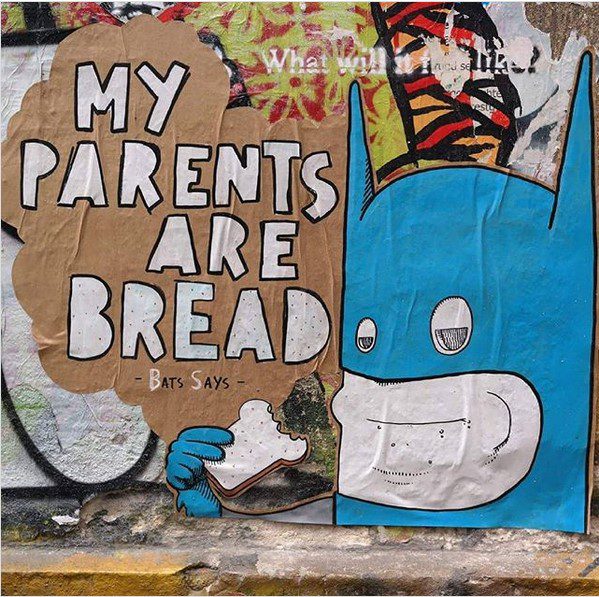
My Parents are Bread, paste up in Berlin. (Photo supplied by Bulky Savage)
Even if the illegal aspect wasn’t as attractive, were you still interested in how to situate a work in space and the encounter that you can create with an unsuspecting public audience?
When I was still doing paste ups and things, I’d like to have bits on corners of buildings so you could see it on one side and then pop around and there’s another part of it as well, leading people in certain ways. Interacting with outside spaces is a big part of the street art scene, and now, when it comes to murals, I still like that idea. I don’t want to put big messages into my art. I like to just have something that will pop and grab people’s attention, something a bit out of left field that will make them wonder what’s going on there?
Design and illustration are increasingly tied to urban art, as an interconnected pathway and through the iconographic approach of post-graffiti, the creation of an instantly recognizable and relatable icon. Has your design background influenced your work?
I studied design at Massey University in Wellington for a couple of years because I was young and foolish. I basically thought that was how you made money in art. But really, I’m more into the ‘art’ side of things. You can see that my work is very graphic, although I would say maybe more Pop Art these days. But the graphic design thing, I didn’t only do it because of the money side, I love graphic design as well, and it has definitely influenced my style.
There is an unmistakable, recurring quality to your work, notably with the hollow-eyed character, did that develop as an intentionally recurring presence, or was it something that just kind of emerged and endured?
I think I drew the first iteration of that character just before I left New Zealand. I used to work at Cosmic Corner and I did a drawing of that little character one day at work. Characters and cartoons have been a massive influence throughout my life. The Simpsons were my favourite thing growing up, and you can see the shape of Homer’s head in that character. I just kind of absorb things from everywhere. While I was traveling, I started to really develop the characters and then I came to Berlin and that’s when I was like, this is where I can take them. Over the years, I just played around with them and they took on their own personalities. There is the big fat businessman who keeps losing his head, there is the little sad guy, the introspective guy and then the crazy worm guy. They are all sort of similar, and I guess through a slow process I have imbued them with bits of my own personality.
Do they occupy their own universe or are they part of our world? The Simpsons live in Springfield, which is famously never revealed on a map, it is sort of a contained universe, but they are also part of the broader world through storylines and their pop culture status. I guess as soon as your characters are added to public space, they start to occupy our world as well, right?
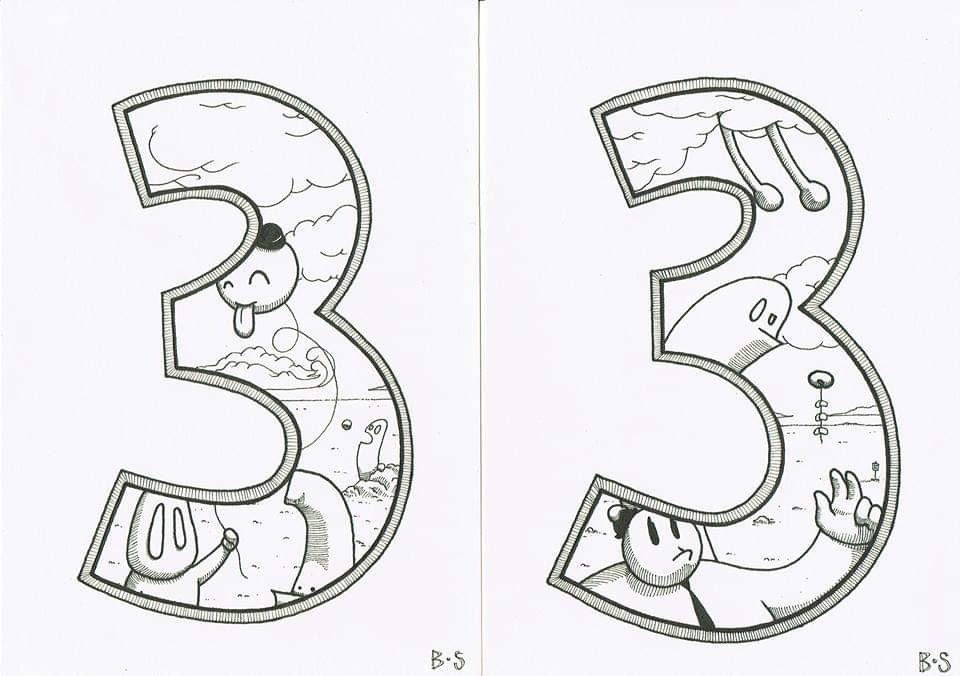
I have given them this world they inhabit, which is kind of like Springfield, I guess. It’s called Crushington and it is this relatively colourless place. There’s a Crushington in New Zealand as well, which is funny. If you look at some of my line drawings, there’s this kind of desert-like landscape, these big open spaces influenced by New Zealand, where you’ve always got that big horizon line, whether it’s the sea or the mountains. There is also a little bit of Colin McCahon in there. I love Moebius’ style as well, the desert line he uses, I stole that bit. But I like how you were saying The Simpsons are part of our world, but they’re not, because I feel the same with my characters. For the most part they are two-dimensional beings in our world, and I really want to get into sculpture over the next couple of years and bring them into a more three-dimensional form. I want to play with that idea and bring them from their world into ours, because there is this second space they inhabit where they are more like what I know. I haven’t really shared it so much, but I’m going to have an exhibition about Crushington at some point soon…
Bulky Savage, Crushington Characters for the Love of Three, illustration. (Photo supplied by Bulky Savage)
Kaws has shown with his Companions that there is so much potential to explore those three-dimensional incarnations, different materials, various scales, and even playing with the perception of high and low…
That’s one of the things that always drew me to the street art and graffiti world, if you want to do it, you do it. You can take that style, or you can take from there, take from there, take from there, and that’s why I think it’s been such an interesting movement, you have all these people coming from different backgrounds and different influences coming together and making something completely different. It’s exciting…
The waves or oozing colours are another recurring element in your work. Do you want to dive into that imagery a little bit? Metaphorically, of course…
I really started with those in 2017. I did an exhibition called Bit Sick, playing around with the B and the S of my name, and it was about how crappy 2016 was, and how sick I was of everything. I’ve always been someone who just goes with the flow and the waves were an aesthetically pleasing sort of rolling vibe, but also fit with the theme, because in that exhibition I had things about being sick of art, sick of commercialism, sick of America. Of course, 2017 came through and really shat on 2016, and things haven’t really got any better since!
By 2020 you must be more than a bit sick…
Well, you know, it all flows and rolls downhill! The exhibition that I’m working on at the moment, which was going to be out already actually, was very timely as well, it was all about not seeing the bigger picture and being focused on these little pieces, as interesting and attention grabbing as they are. Again, it is making us all feel a bit sick and now quite literally making the world sick. It’s really just about being over things as well; the state of myself, of the world, just expressing my feelings at the time. But there’s not going to be any characters in the exhibition, it’s just going to be the waves. They have become really fun to paint with spray cans as well, the shapes, the really nice blends as well, giving it a sense of solidity, so that’s become more of a focus…
Detail of a Bulky Savage collaboration with @tenhun in Berlin. (Photo supplied by Bulky Savage)
I’m thinking of the idea of a purge, or a cleansing, and once you take away that figure, the idea of size and scale changes. If the wave becomes the sole focus, it becomes something else, right? When you see it come out of a figure, you automatically scale it relative to that figure, when you just see that wave filling an entire frame, that can be either overwhelming or it could just be a close-up of a small trickle. There’s something about that idea of the bigger picture and smaller details, and that social element becomes strangely more pertinent when you take them away from the figure. So, tell me about your experience painting here in Christchurch earlier in the year?
I’d never painted in Christchurch before, but my parents live just outside of Cheviot [a small town north of Christchurch], so when I go back, I fly into Christchurch. I would just get to see little bits of it as we drove through, or if we visited somebody there. I remember going there when the city center was still completely locked down after the earthquakes, but this was the first time I got to spend a little bit of time in Christchurch for some years, and it was cool. I saw a lot of opportunity there, personally, as much as the earthquakes were terrible, I love seeing old destroyed buildings, maybe that’s why I’m in Berlin. It’s not something that you really get to see in New Zealand, so I really liked that. I liked the show of power, but then also how the city has risen up from the ashes of it as well. The city is really interesting at the moment.
I found it incredibly interesting that Christchurch became this microcosm of a big city; you had shiny new buildings, you had broken buildings standing there empty and covered in graffiti, becoming spaces for people to explore. Different people could do different things. If your mindset was to explore those broken spaces, you could do that, if your mindset was to sit in a bar and drink a cocktail, you could do that. There was this interesting juxtaposition of old and new and broken and shiny. One thing that does is reveal a lot of the power structures that go into making a city. Christchurch has become interesting in that regard, and graffiti and street art have a role here as both dissenting voices and part of the rebuild as well. It shows why these forms of art have become such a dominant visual voice the world over, because they can adapt to different environments. How did the mural in Christchurch come about?
In a very winding way. Knowing I was coming back to New Zealand mid-last year, I started reaching out to people in September or October, mostly through Instagram. I got bounced around. I got in touch with Preston [Hegel] down at The Exchange, he was doing some cool stuff and was like, oh maybe you could talk to this person… I got bounced around between a bunch of different people before I got put in touch with the guys from Riverside Market at the last minute. I just said I’m going to be coming down in like two days and they said: Sure, we’ve got a space, you can do what you want. It just fell perfectly into place. I was slightly freaking out that I wasn’t going to be able to get a space to paint, and coming from Berlin, I was just like, what is this?! Where are my walls?! In Berlin, if you want to paint, you just go and find a wall. I have a wall that I can just go and paint anytime I want just down the road. I wasn’t necessarily looking to leave a massive mural, I just wanted to find somewhere to paint, if it could stay that would be a bonus, if not then c’est la vie. It worked out great, those guys were really nice, they were just like: What do you need? Here’s money for the paint. They paid me for it as well, which is fantastic. It was this very last-minute design, because I was like, let’s see what the wall’s going to be like and go from there…
Bulky Savage’s mural at Riverside Market, central Christchurch, 2020. (Photo supplied by Bulky Savage)
The wall is quite high and relatively narrow so that obviously played into the design and I guess allowed you to use those recurring motifs in what seems like a natural fit…
Well, I had ideas floating around in my head of what I wanted to paint. I’d actually thought of having it the opposite way around, with the character at the bottom and all this stuff coming up out of it. But there was this big generator at the bottom of the wall, so I just flipped it around. Most of the time I tend to let the wall tell me what the piece is going to be, so I guess that’s good practice for when it comes to spaces like this one.
There are little references to food in the tattoos on the character, but there was no input in terms of what you had to include, that was just something that you added in?
Yeah, the guys were just like, do what you want. Which was amazing, because when you’re being paid to do something, a lot of the time they are like, it needs to be like this and fit inside this box. But I was really given freedom with it and I guess maybe that was why I thought if they’re still letting me do this then I’m going to throw in these little references to the space. I always like to let the tattoos kind of tell a story. I love tattoos, and part of the reason people get tattoos is to express little things about themselves or their experiences. I quite like incorporating them into my art in the same way, so if there’s meaning to be read from what I’m doing, which generally I try not to do, then it can be read in the tattoos…
Any artist would love that freedom to create something that is your own, but how do you think your work communicates to the crowds that go past, is there an intentional aspect that they should read, or do you encourage them to come up with their own narrative?
Yeah, story and narrative are really interesting for me. I love cartoons, I love stories. Life is stories. But I don’t want to preach, I like the idea of leaving something really open. We are human beings, we make meaning out of everything that happens, whether that’s actually what it is or not. So, instead of trying to push people towards my view or what I want to say, I prefer to leave that open and more abstract, so that people have something to play with. I often talk about Stik, the London street artist, who got famous for doing stick figures, but because they are so basic you can project your friends or your relationships or anything onto them because it’s such an open canvas. These very hyper-realistic pieces are beautifully done and technically fantastic, but there’s a bit of a distance because it’s just a picture of somebody that you don’t know. So, I like a more open experience…
Did the freedom of the mural energize you to strike out and do anything else while you were here? Is there anything hidden around Christchurch that I might not have stumbled upon yet?
No, to be honest I was a little bit out of shape and the mural was exhausting. I think I did about 19 hours in two days, and on the first night I was just completely burnt out. I was thinking about going and painting on the cans while I was there, but I just burnt myself out, I just went to bed! But I would love to come back and do some pieces in other spots, when and if that ever becomes a possibility…
Are you a Kiwi living in Berlin or a Berliner from New Zealand?
Good question! I’ll always be a Kiwi, but Berlin’s definitely become home for me. I would like to be able to split my year between the two places, because my heart is somewhat split, half of its here, half of its there, particularly with my parents being there. I love New Zealand, it’s refreshing. New Zealand people are almost the opposite of Germans in a lot of ways, very easy going, very open and welcoming, whereas you know, Germans are a lot more strict. That’s harsh, its an over generalization, obviously! But yeah, I love coming back to New Zealand, and just talking to the bus driver. It warms the heart. Christchurch in particular is looking interesting because there’s so much space, so many opportunities there at the moment, which was really good to see.
A small part of the reason for being away for as long as I have was because we had the John Key government which was in no way supportive of arts and artists, and as far as I’m aware, it’s still not super easy to be an artist in New Zealand when it comes to support from the government and things like that, but maybe that will start to change…
With lockdown precautions in so many places, it’s clear that people have been relying on art; on music, on film, on a range of forms of art, to get through isolation. And yet at the same time, no one ever positions the arts as vital, they talk about tourism or other industries, which is infuriating because if anything this situation reinforces how important the arts are to humanity. But we seem to have to go through this every time something significant happens, it was the same after the earthquakes as well. There’s still a real need to acknowledge artists’ ability to make their living doing what they do because what artists do makes life better…
Yeah definitely. I wouldn’t want to claim that my art enriches people’s lives, maybe it does and that’s fantastic. I always tend to feel a little bit selfish about my art, it’s something that I need to do, it’s very much my own expression and when someone can connect with it, that’s fantastic. Knowing that people have bought my stuff and have it hanging on their walls is nice, but again, the money side of it is not why I make art. I’d like to be able to just make art and not have to worry about the commercial aspects of it, you know? Universal Basic Income baby! People always think we need to make money and that becomes a driver and that’s when art loses a little bit of itself. I need to eat, so I have to make art that’s going to sell, but it would be nice if we learn something from this whole thing about what’s important for people, for people’s health and mental health. I run a little gallery and art shop space here as well and it’s interesting and frustrating thinking about what sells and what doesn’t and what you need to do to make money from it. I always feel still slightly grimy making my art into easily package-able things, being channeled into commercialism. Down with capitalism!
When Aotearoa entered the level 4 lock down as we faced the threat of Covid-19, many of us took to a daily walk within our bubbles, nominally for exercise, but if we are honest, as an escape from the confines of our homes, to remind ourselves that the world around us was still there.
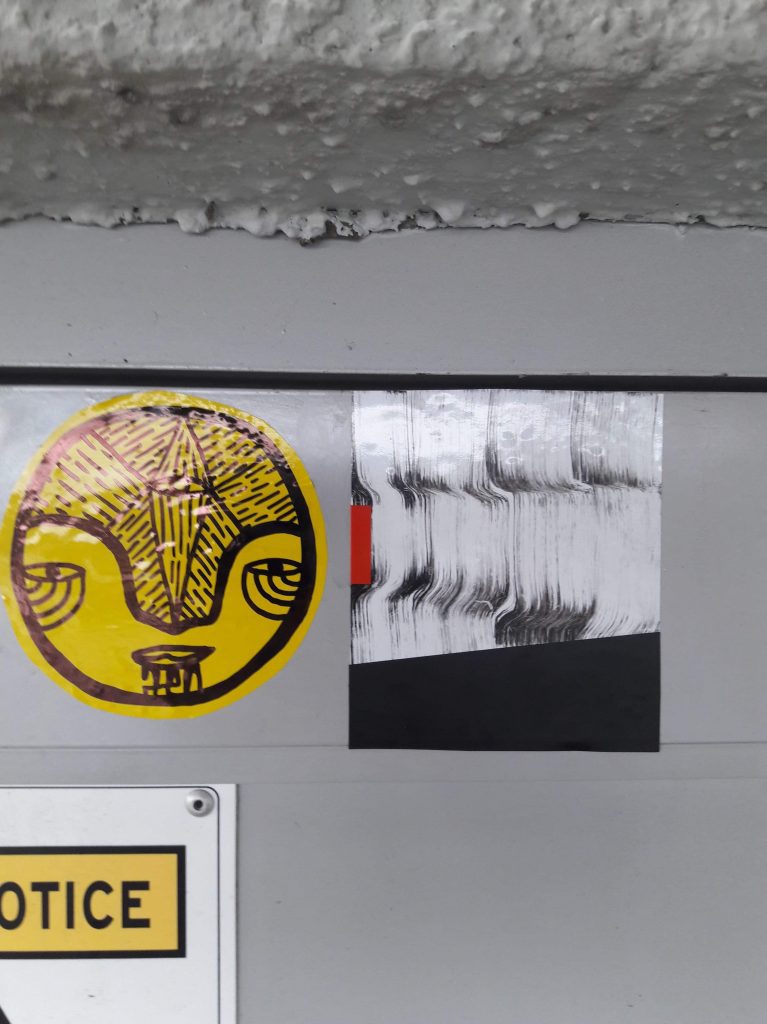
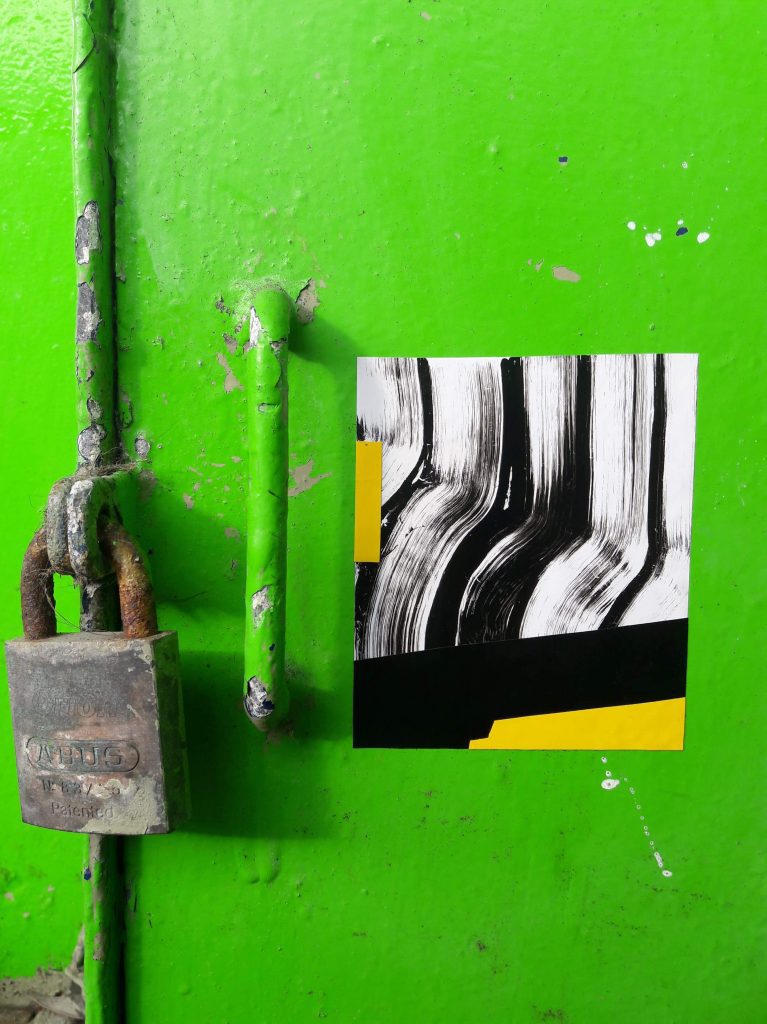
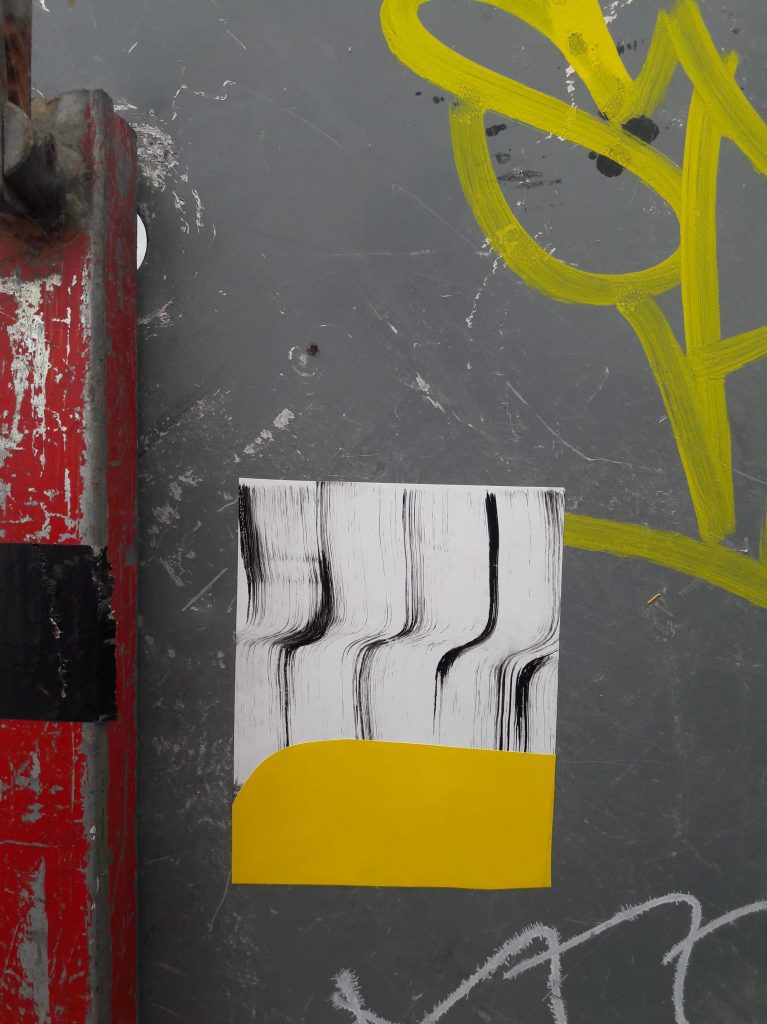
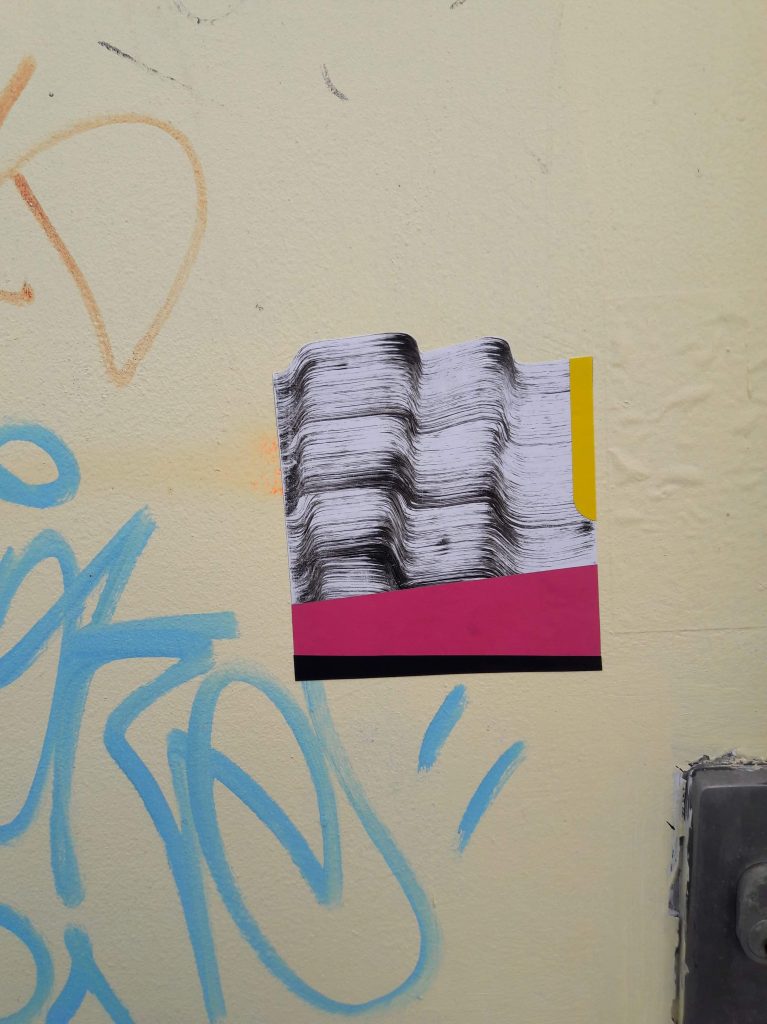
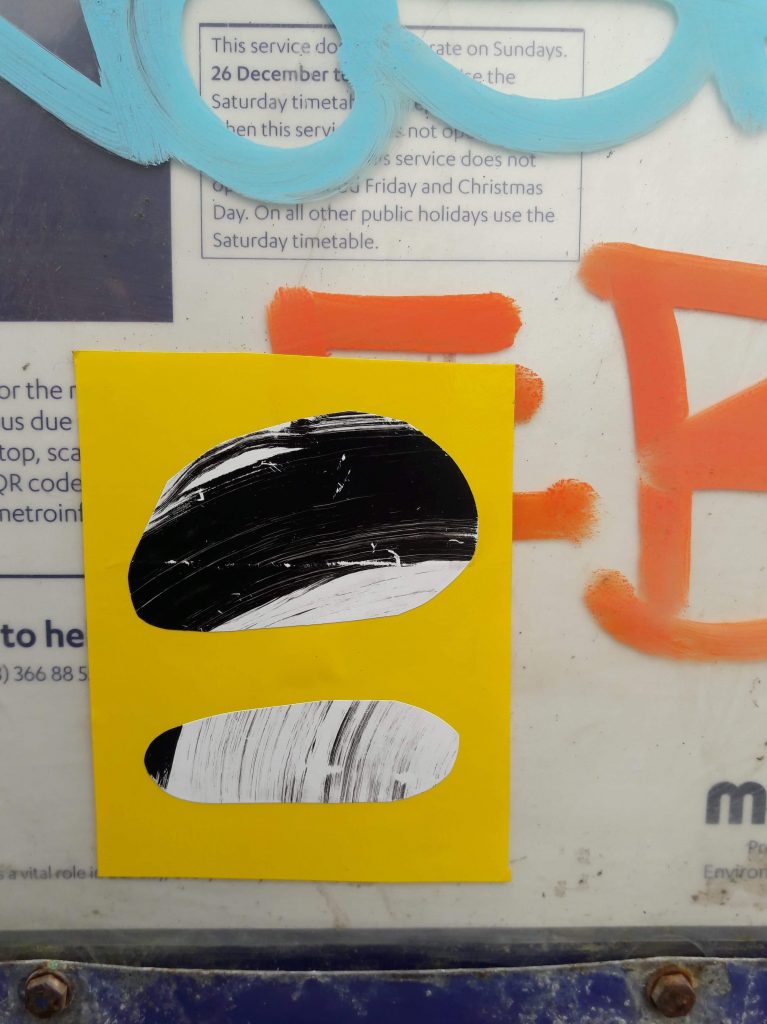
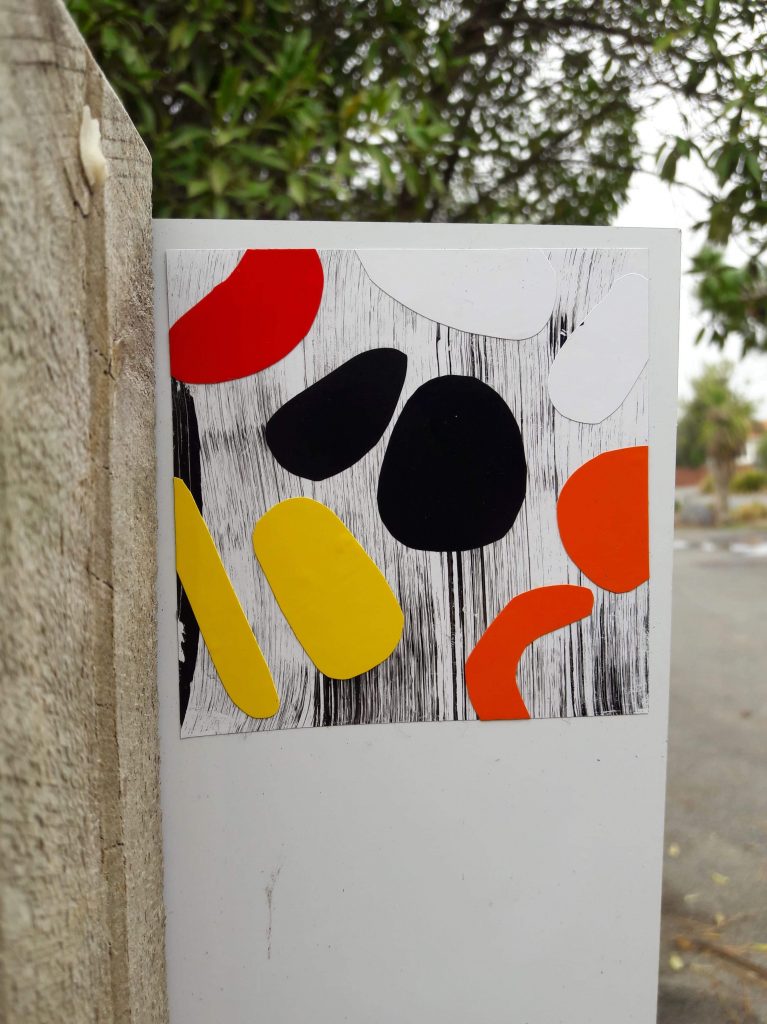
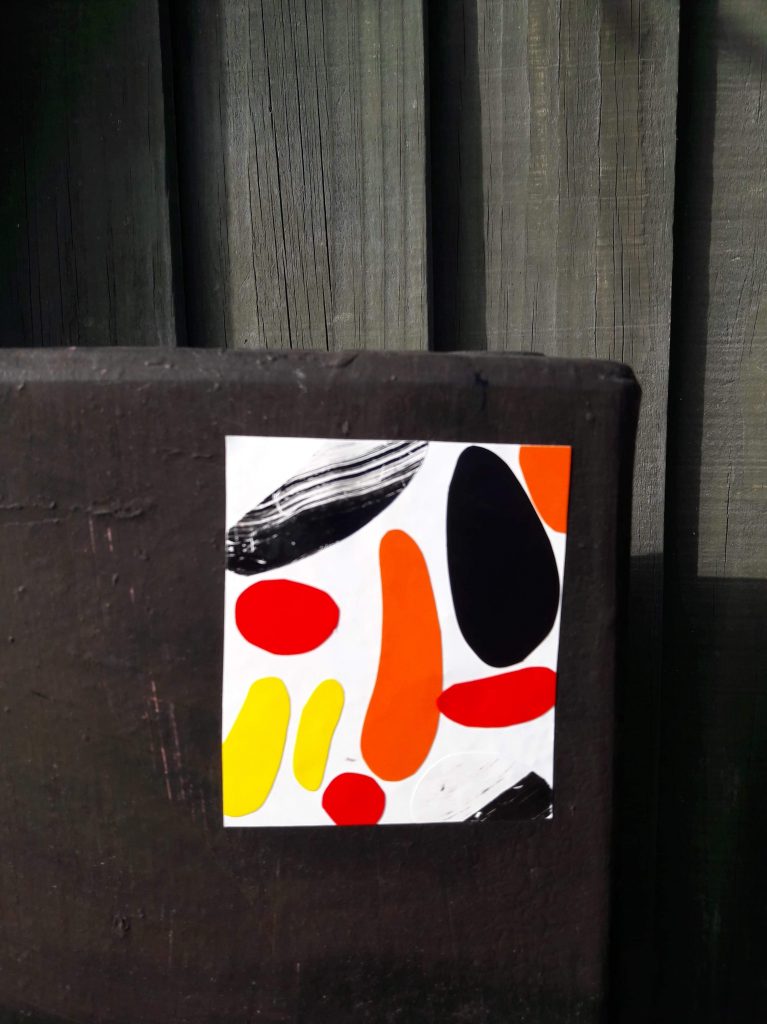
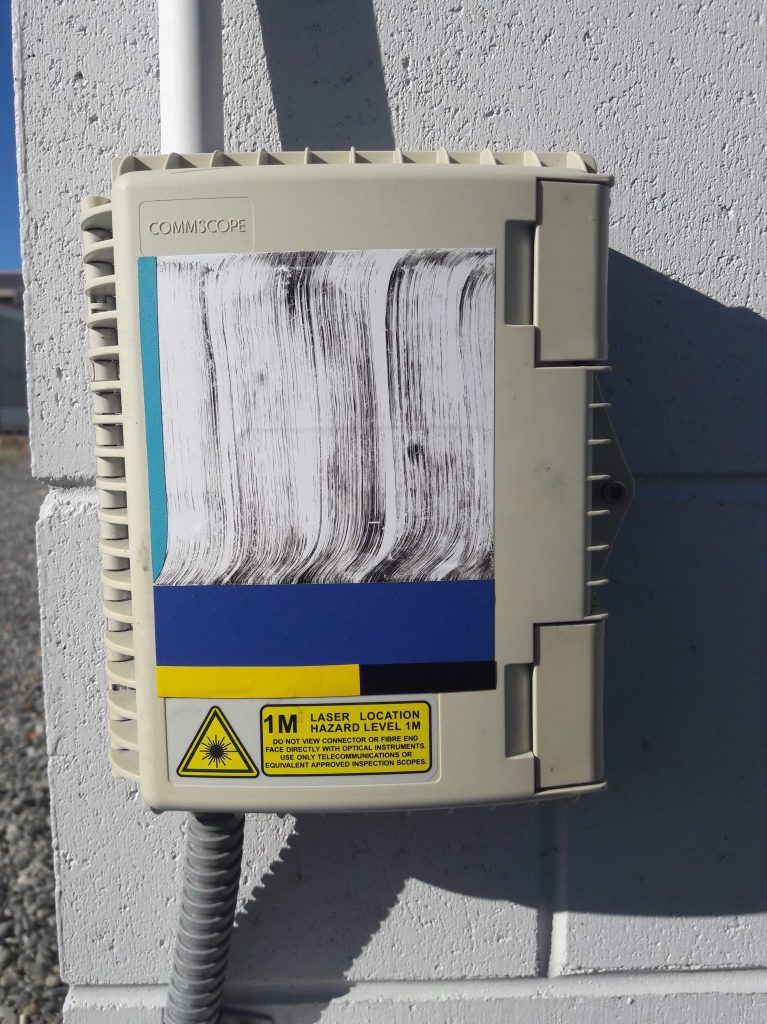
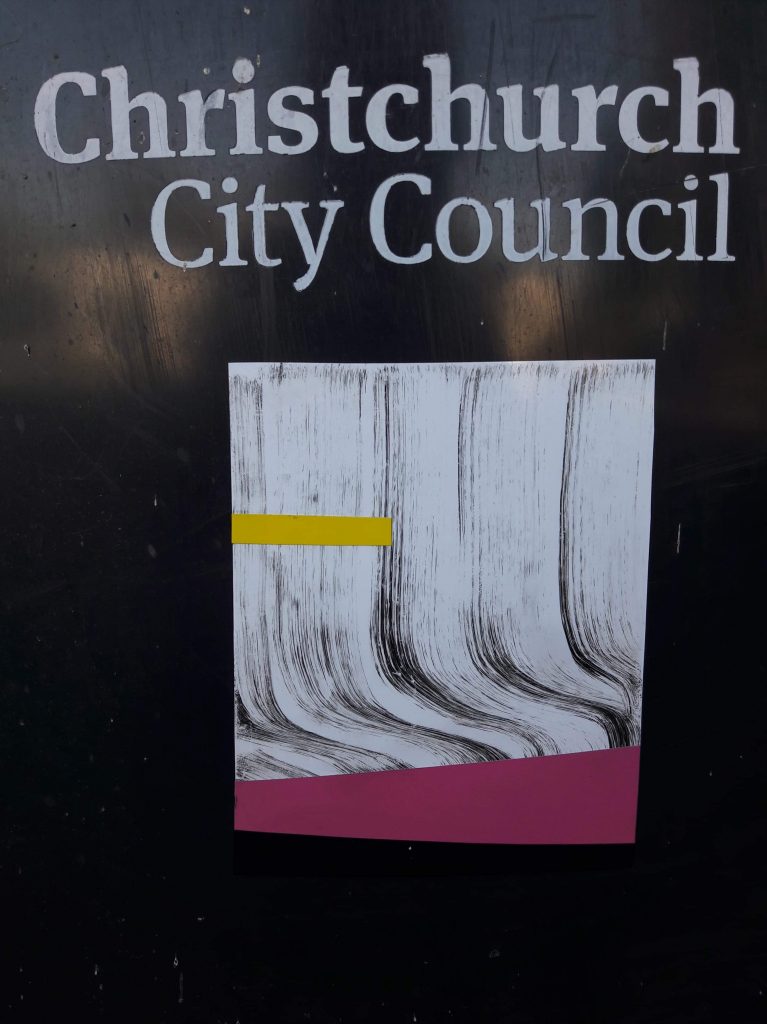
Luckily for me, my suburban surroundings provided plenty of points of interest, and chief among them were the constantly expanding series of stickers and paste ups produced by the prolific Dr Suits.
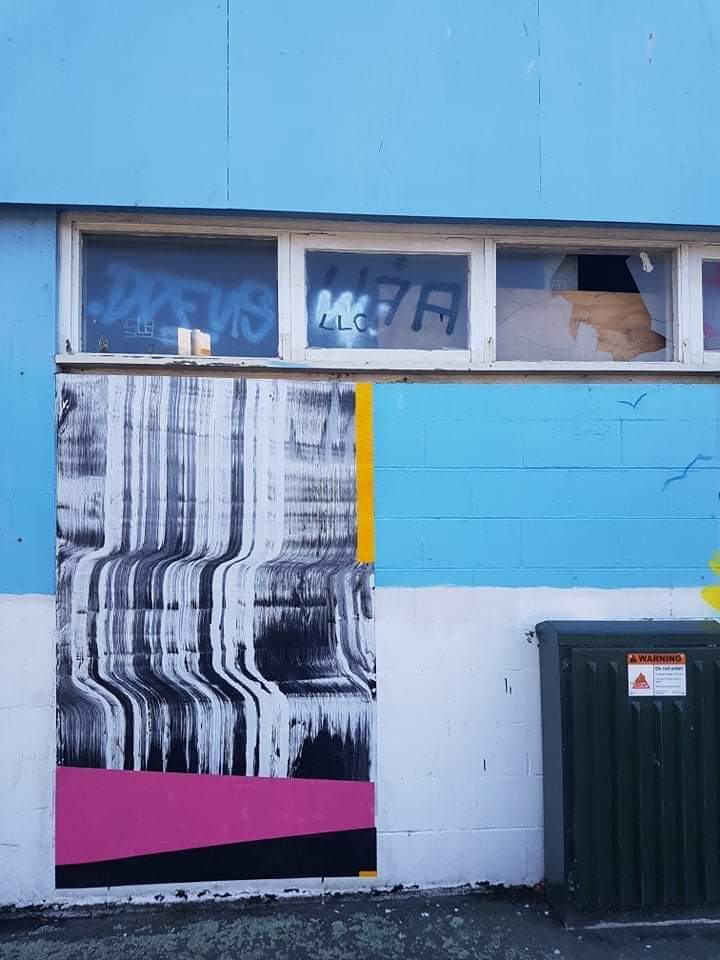
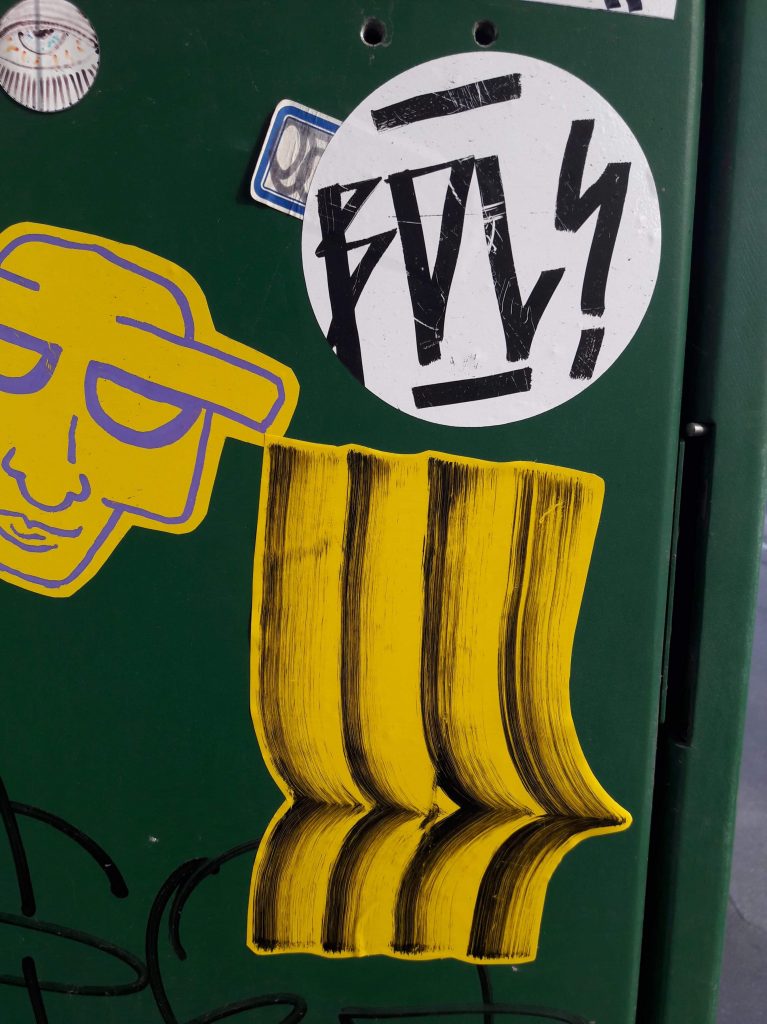
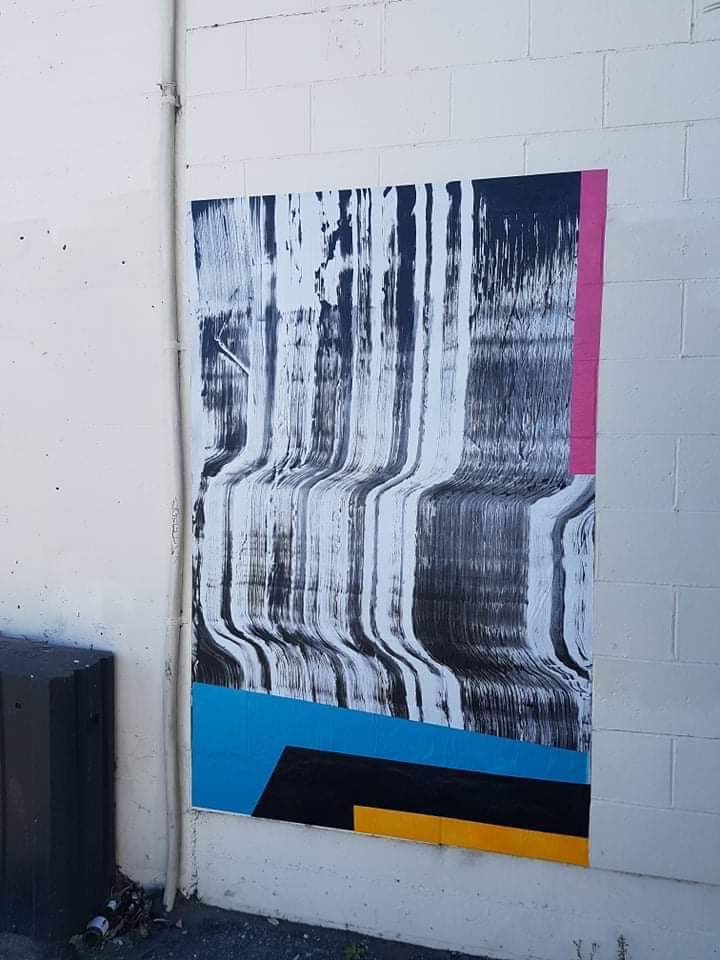
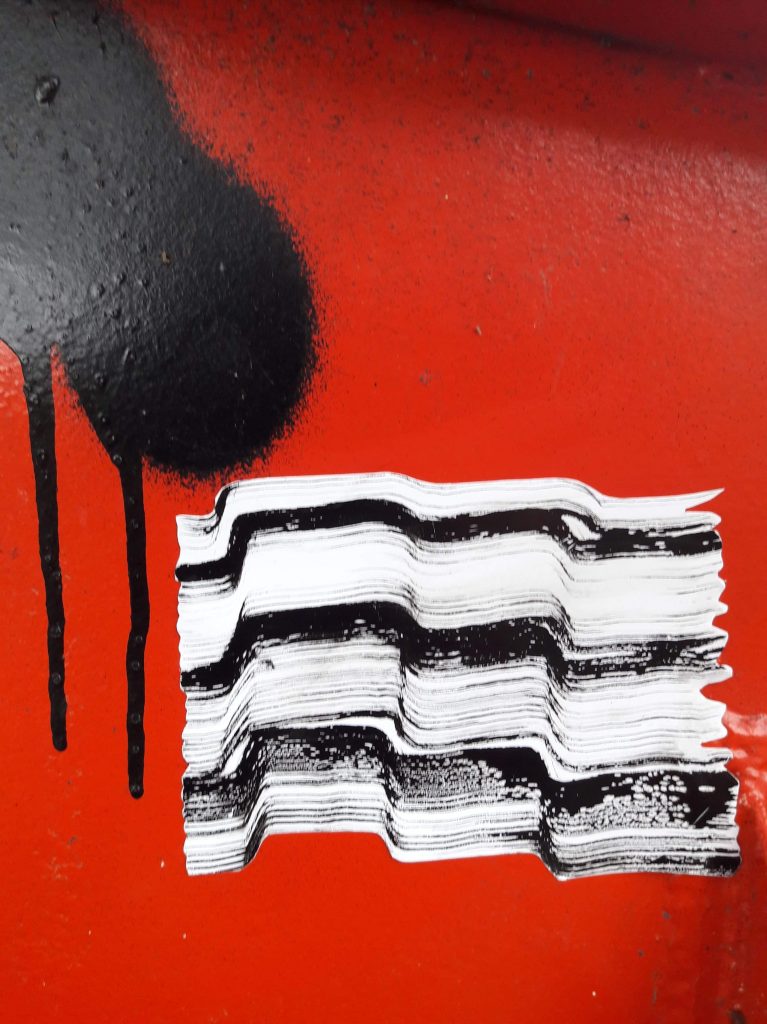
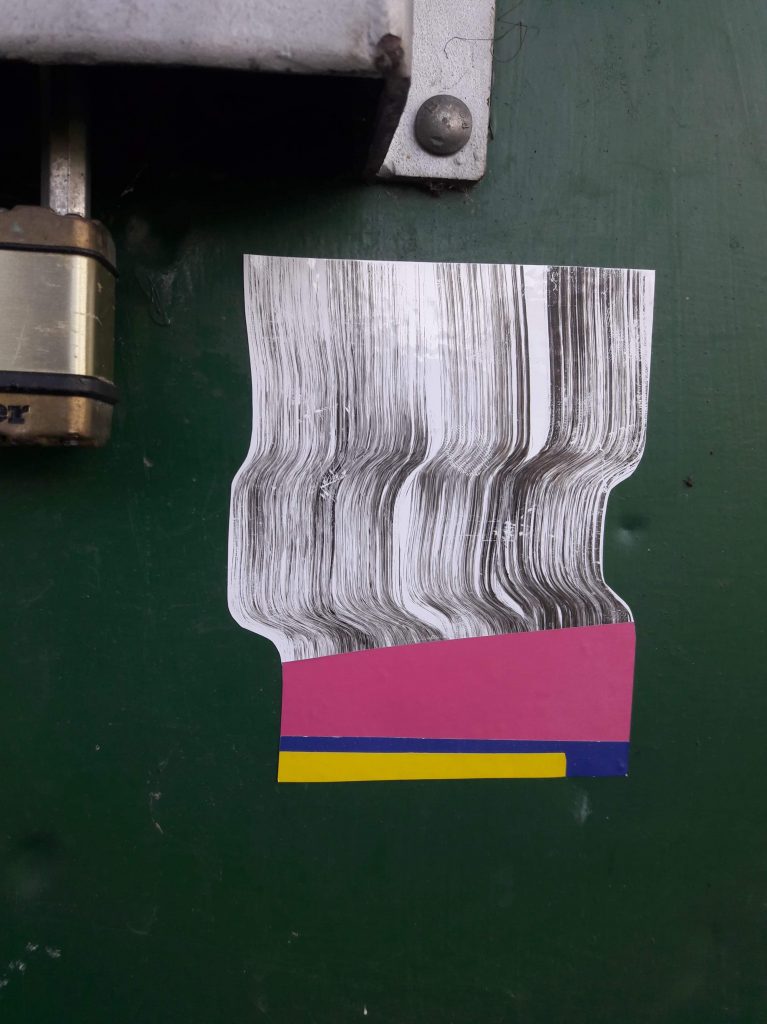
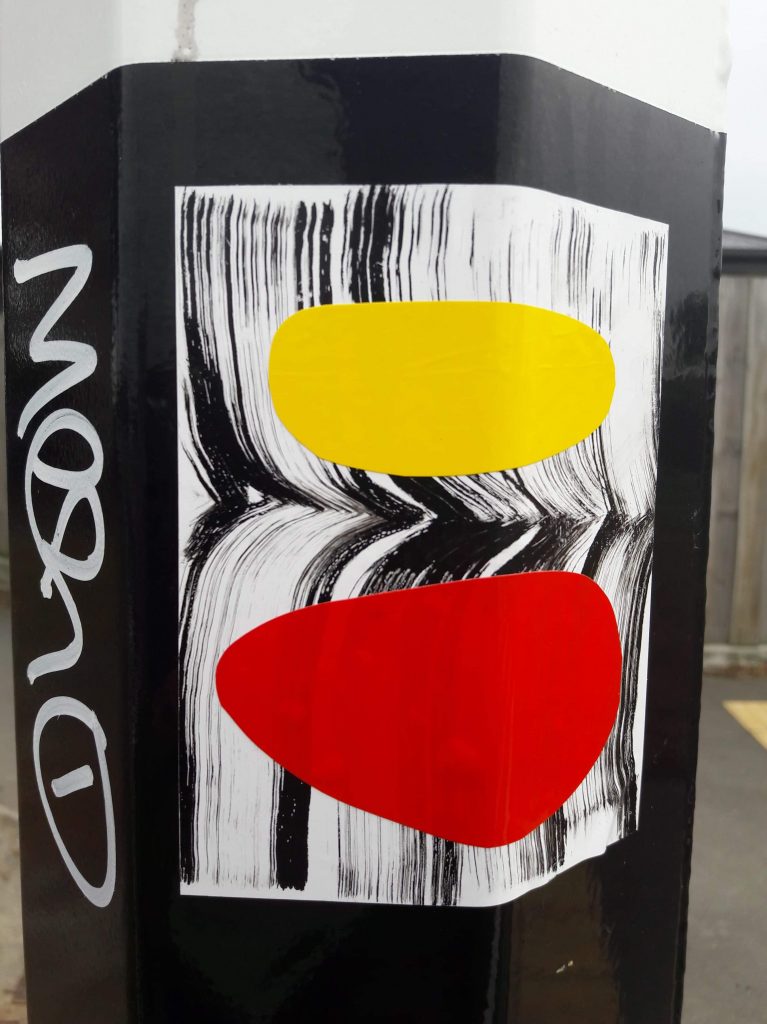
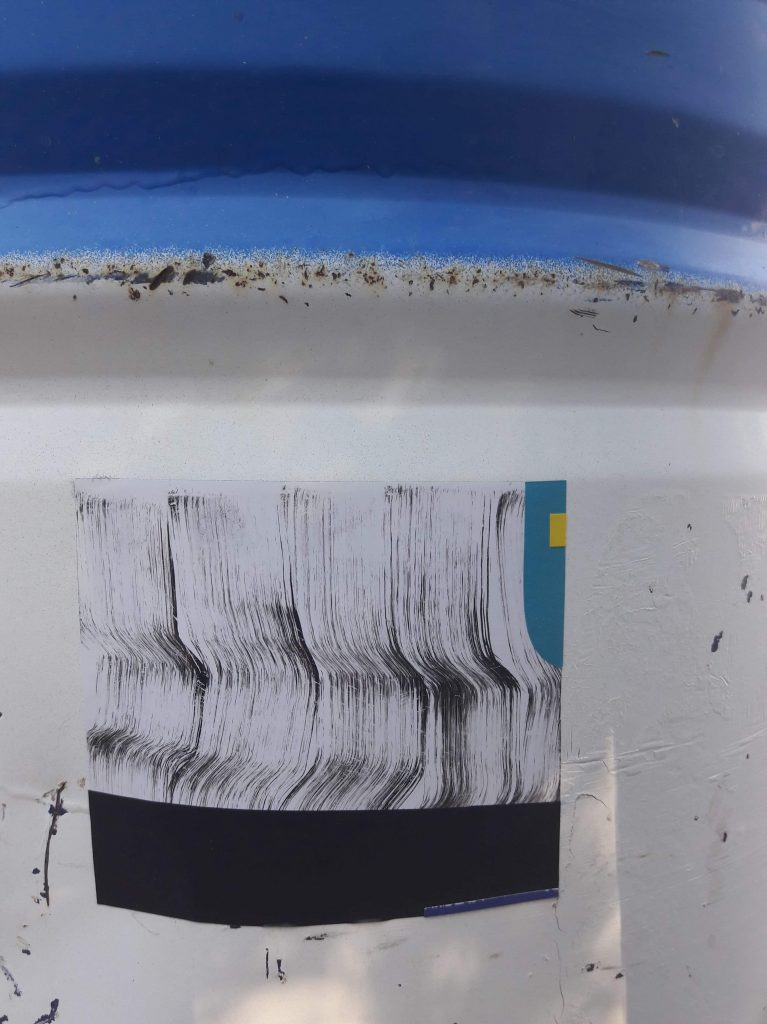
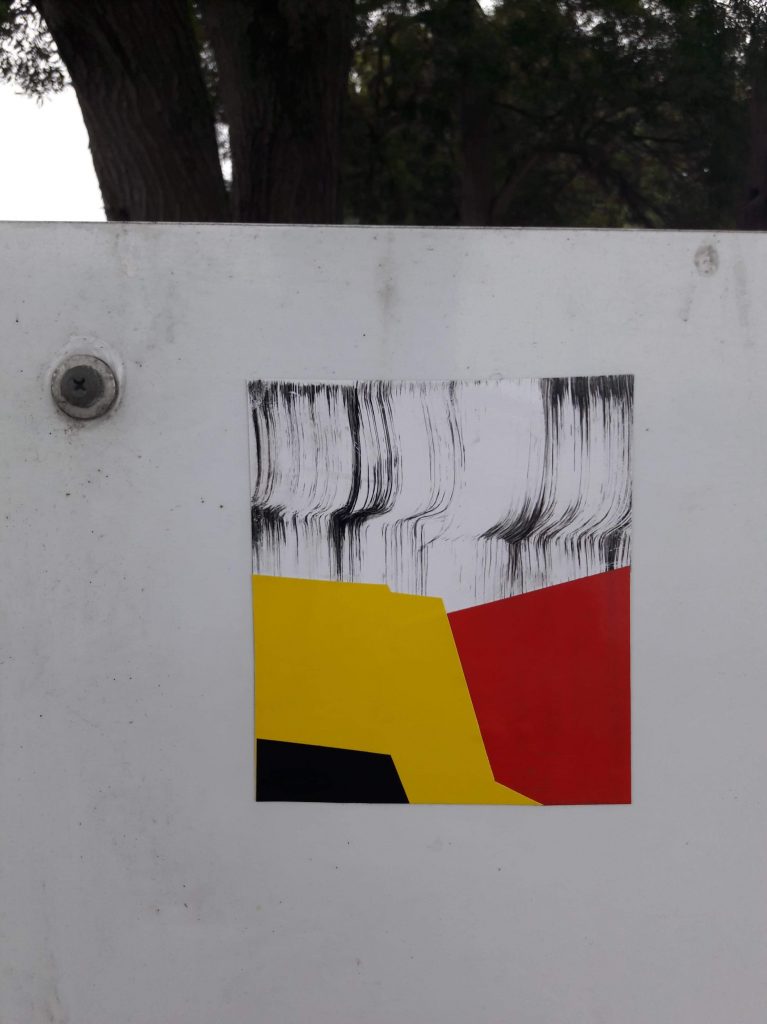
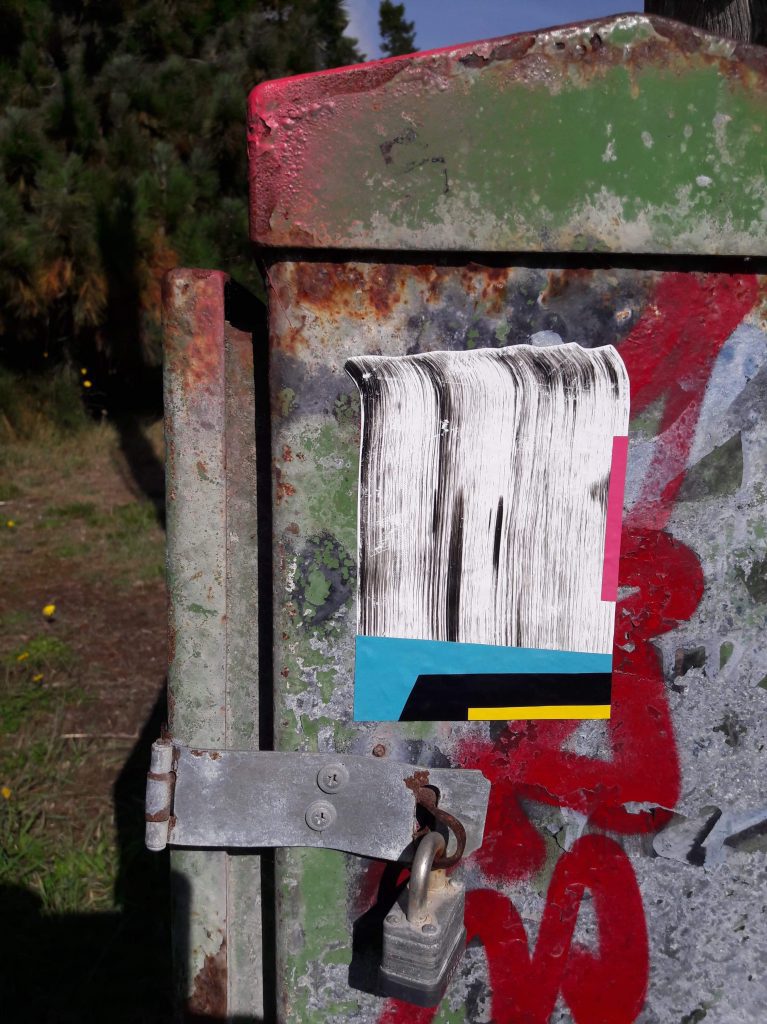
Dr Suits’ output over the last few years has shifted to a process-centric fixation with abstraction. As he has investigated materials and techniques, he has also grappled with the transference between street and studio. While he has produced a range of outdoor works (including commissioned murals and even a basketball court), the lock down period saw perhaps the most cohesive body of street work he has created. From small vinyl stickers to large-scale paste ups, sweeping textural waves and various geometric forms of flat colour were juxtaposed to create items of intrigue. To learn more about this flurry of creativity, we caught up with Dr Suits to talk about the inspiration and motivation for these (sub)urban additions and how extraordinary times have inspired his work…
The notable thing about this body of work was just how quickly it seemed to come to fruition and appear on the streets, was it something you had already considered, or were you specifically inspired by the lock down?
It was spontaneous really. I think a lot of my work happens like that, when I find a delicious tasting fruit, I feast on it, until there’s no fruit left.
When we entered lock down, we just raided the studio for a bunch of materials and resources with no clear plan of what we were going to do with them. We just wanted to make sure we had stuff to work with at home. The stickers were great because they were small, and I could just mess around in the lounge.
The stickers led to the much larger paste ups, a form that you have a bit of experience with…
They were something that just came out of the stickers. It was a similar process, I just wanted to do the stickers bigger. I had the materials, the paint, the paper, the glue. The beauty of paste ups is that you can work on them at home, and then it only takes ten minutes to install them, which was great for lock down. It reminded me of the post-quake period, when I first started doing paste ups, but I adapted them to my present artistic approach.
A lot of your previous paste ups were illustrative. These works are a clear reflection of your more process-driven abstract direction of the last few years…
I thought of a few ideas to do some illustrative paste ups with more on-topic commentaries, but I couldn’t find the motivation because I was too distracted with the process of making these stickers and just doing what seemed natural…
Do you connect these works in any outward sense to the Covid-19 pandemic?
I could probably think of something more specific if I wanted to, but they are a direct response to that situation because if I didn’t have that situation they wouldn’t have been created, so in some ways they are a direct response.
The paste ups and the stickers both use a collage technique, but they can be experienced very differently because of their materials and size. Were you interested in how people would respond to the different works?
It’s more driven by the process of creation. I know people are going to respond to them in their own way and that’s what I like about abstract art. People always see something that you don’t see or think something that you don’t think. Even though they use the same process, I wasn’t really thinking about it. Obviously, the paste ups don’t demand as much inspection because they’re so big that you can see them from afar, you may or may not notice that it’s collaged. I was just really enjoying the process of cutting the shapes and overlapping them and exploring different compositions. That is really similar to the way I previously would do it, but I would use Adobe Illustrator or something like that to play around with shapes and I would just pick the ones that I liked. But with the stickers, each one was a development, and I would just keep each one, it wasn’t just picking the ones that I liked and then using those as a composition to make into an artwork…
When you’re putting the paste ups on the wall, are they constructed with the final image in mind? I’m assuming they are applied on the wall in sequence…
Yeah that’s right. With the stickers, I’d start with the background, with the brushy effect using the wide-tip Molotow marker, and then I would just cut shapes out of colorful vinyl, some which I’d spray painted first, and I’d play with compositions. Then I used those stickers to inform the larger paste ups.
Were you thinking about spots for paste ups in a different way to the stickers? I assume there was less planning around the stickers, whereas the paste ups would require some forethought…
There’s an abundance of spots out in New Brighton, so it’s not hard to find a spot. And during lock down it was so quiet, no one was around, I mean I could have painted them if I wanted to. At the time, I was more interested in the collage approach and finding those small imperfections where they are slightly offset and seeing the depth between the layers, the paper sticking on top of another layer which is on top of another layer and building up. The paper ripples and it creates little shadows and as it gets wet it shrinks and it might warp a bit, the stripe might move off to the side a little…
In terms of placement, what makes a perfect wall? It feels as if your works like to have room to breathe, but also it seems that geometry is an important consideration…
Definitely, I really like a wall to have similar or reflective elements that are going to make it relatable to the work. I like to have contrast, but I also like it to have some sort of unity. That balance is what I like in my work more generally anyway. You want it to stand out, but you want it to fit in, so I try to find texture or line or some shape or something in the composition of the space that’s going to contribute to the overall composition on the wall, like a box or a down-pipe, a color or a paint change or a set of windows.
Do you feel this has taken your studio work in a new direction?
Definitely. The stickers started developing with more curves and softer lines and the collage approach to the process is something I’ll take forward.
Your work seems to evolve in quite a fluid progression, with certain elements recurring and coming into focus, does it feel that way to you as you are working?
think with abstraction, it can be very sparse in terms of the elements you’re working with, so the changes are noticeable really quickly when you do change an approach or technique or some process behind how you make an image. I can really latch on to something just by changing that one thing and that change becomes a solid basis and everything else around that can change but you are still kind of keeping a consistency within the work.
There’s an anchor…
I like to have an anchor, especially with colour or shape or composition or texture. The anchor’s a link, you could look at it two ways; it’s a safety thing, I don’t want to jump too far away from what I’ve been doing, possibly because of fear, but also it keeps it recognizable from previous work so you can see a progression, that connection between where you are going and where you’ve been.
Has this series made you think about the street/studio balance?
I’d like to do more of the paste ups. I’ve got lots of ideas for those, but I can see them influencing my paintings as well. I want to take that same process, just do a little collage sticker and then maybe do a paste up or a painting directly from that, maybe try to do both, and just push that image out in more than one way…
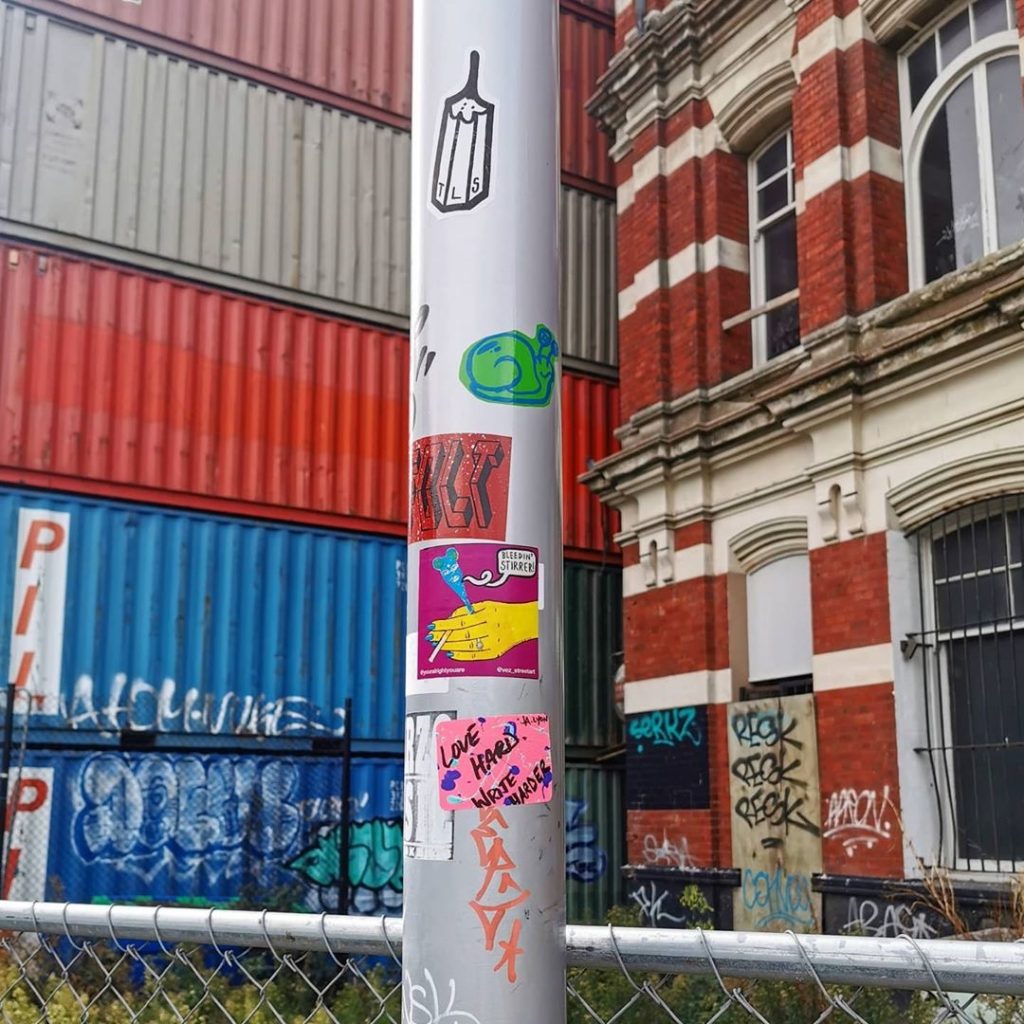
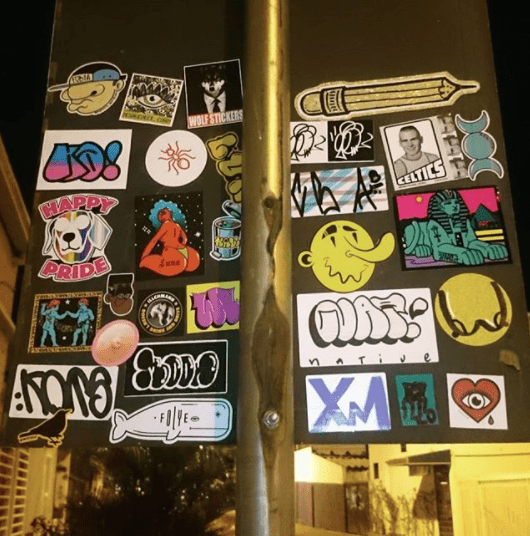
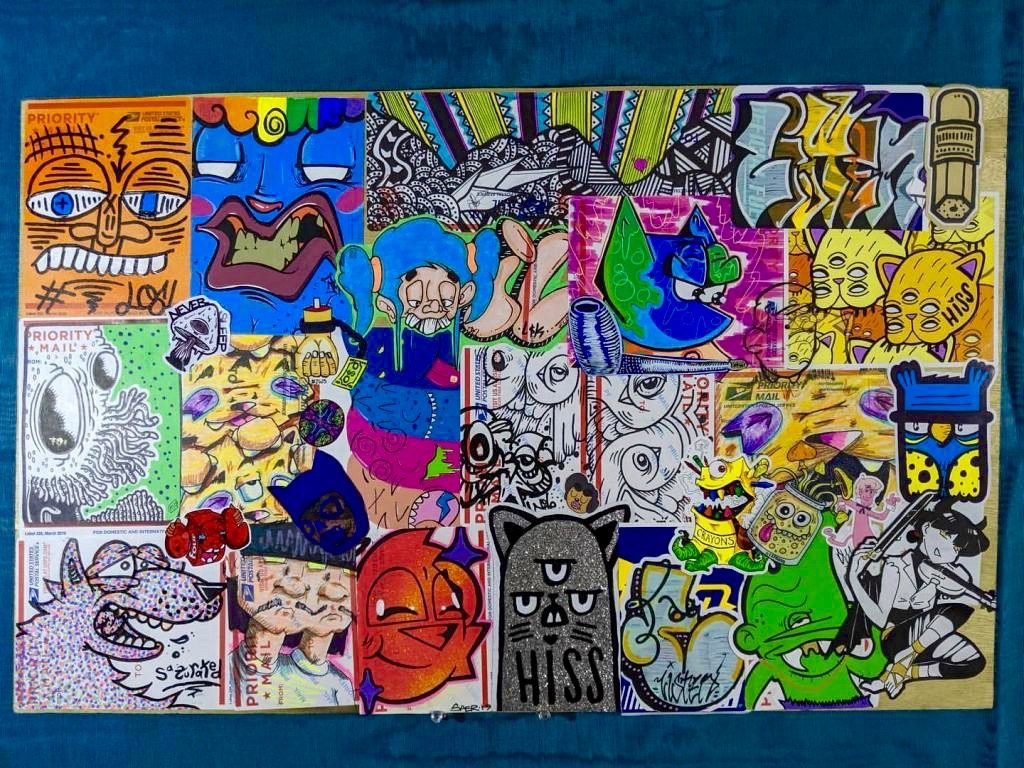
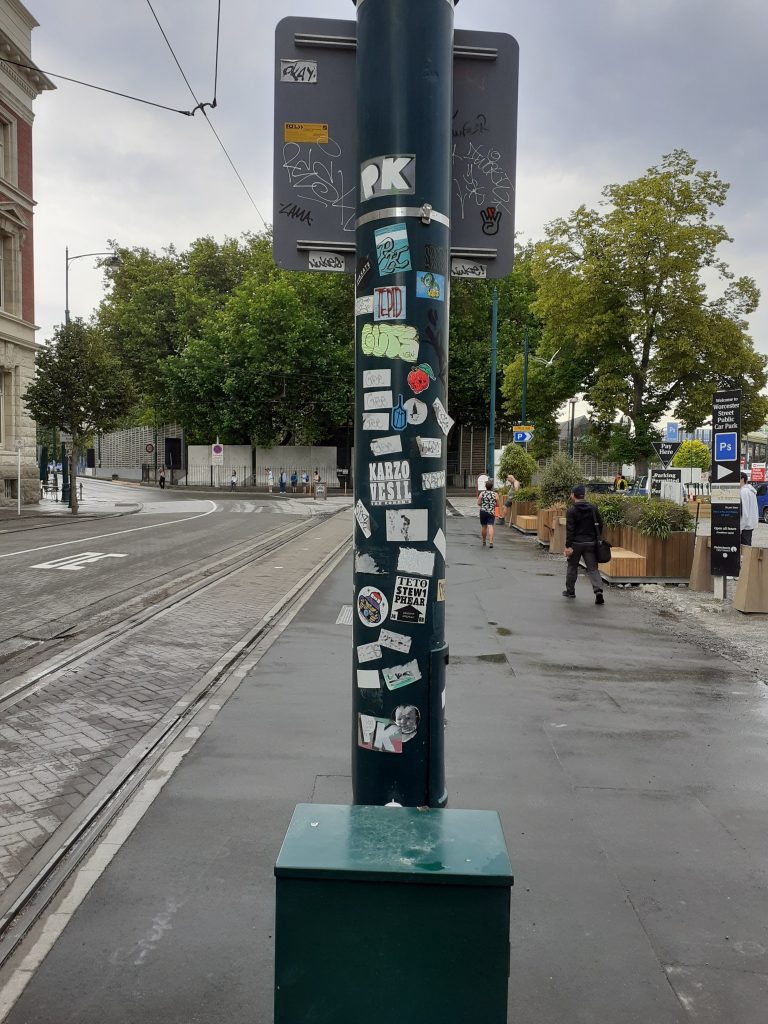
Stickers perhaps have the broadest reach of any form of urban art, ranging from handmade to commercially produced, and extending from branding to political to purely aesthetic. Anyone can make a slap and anyone can apply a sticker, increasing their ubiquity in our urban environments. When we need to know anything about stickers, our go-to is Teeth Like Screwdrivers, sticker maven and founder of SlapCity. When we invited him to compile a photo essay, it was always going to be a collection of stickers, but what we didn’t realise was how wide-reaching his iconic pencil slaps have become…
We all love stickers.
From our childhood visits to the dentist, the skate shop, our international luggage or even a daily piece of fruit, stickers are part of our everyday life. For me it started when gazing into the cabinet of my local skate shop and spending what seemed like hours, and all my change, deciding which sticker I wanted. Then after buying ‘The One’, the agonising decision of how and where to stick it would follow. It probably only lasted one session before being destroyed, but that wasn’t the point.
Stickers are simple in every way. They may be the quiet, annoying, street art step-brother to graffiti, stencils and paste-ups, but their simplicity is undeniably appealing.
Stickers are cheap (or better still, free!). They are clean, discreet and you can make them by the hundreds. They fit into your pocket, they are visually compact and can be slapped up with the sleight of hand, quickly and in large numbers. This is their appeal.
Repetition works, and stickers are a perfect medium to demonstrate this principle. As long as stickers are being put up faster than they weather or are cleaned, they are accumulating. – Shepard Fairey
Stickers are the perfect medium for characters, typography, graffiti, illustrations, tags, politics or personal messages. Sometimes a sticker is just made to disrupt your eyeline, hidden in plain sight, fighting against the blandness of the modern cityscape, making passers-by search for a hidden meaning. Stickers are also temporary; the elements and scrapers making short work of their papery fragility.
The sticker family is a close-knit, friendly one. Sticker art started local; getting out and slapping up your own, spotting and recognising other’s work. Packs started being posted internationally; traded, swapped and collected. Now it is easy to get your stuff up in places you would never visit alongside artists you will never meet. You are able to collaborate on pieces and put up combos from artists from all over the world in your hometown. Stickers have made it into galleries and sticker-specific art shows continue to multiply.
Last month I ruminated that March was a strange month, of course, April was no less so, almost its entirety experienced in lockdown here in Aotearoa (only moving to ‘Level 3’ with two days to spare). The rest of the world was in a similar position, and with limited space within which to spread our arms, it felt like we started to notice things differently. Our immediate environment became unavoidable (those dirty windows, peeling paint or leaking tap), and the digital realm an escape where physical flee was impossible. As a result, this month’s list is compiled of those things I encountered in the suburban streets directly within my ‘bubble’, and those I enjoyed online. Surprisingly, in a month where the world essentially stopped and hunkered down, who would have thought a list of cool things would be so easy to compile!
Dr Suits gets slap happy…
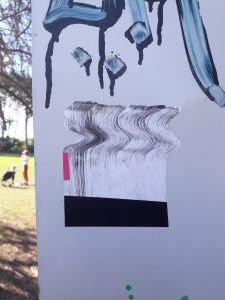
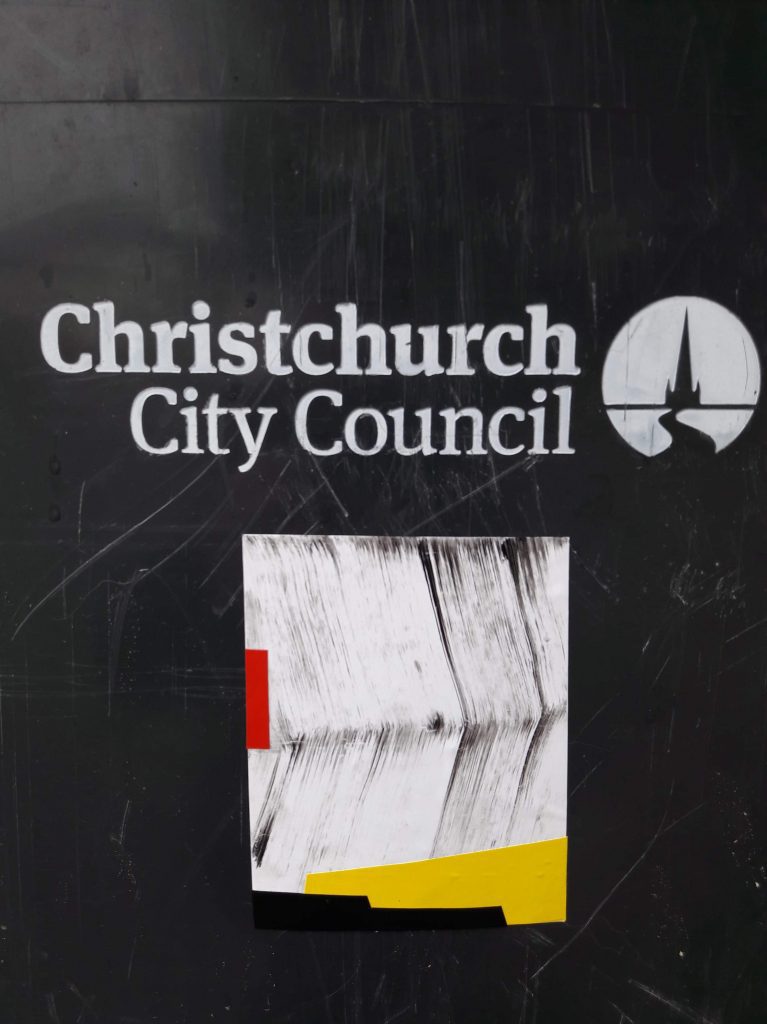
One of Dr Suits’ many collage slaps produced during the lockdown. (Photo credit Dr Suits)
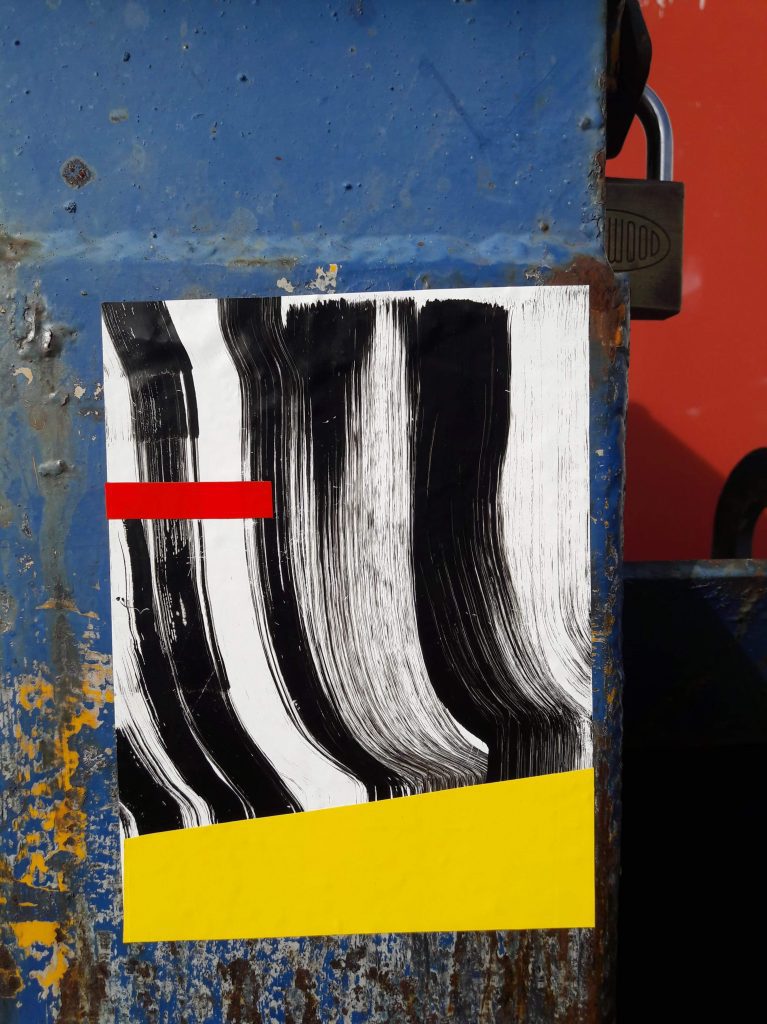
The most ubiquitous presence of my suburban bubble has been the subtly diverse array of stickers and paste ups created during the lockdown by Dr Suits. Both tiny and oversized material variations on his abstract studio works on board and glass and his mural works, they are unmistakable, yet distinctive enough to make you stop and look closer. While they have a slick look from distance, their handmade qualities, pulled ink and vinyl cut-outs compiled together to form geometric and gestural collages, make them incredibly interesting to investigate.
Jen_Heads asks what time it is…
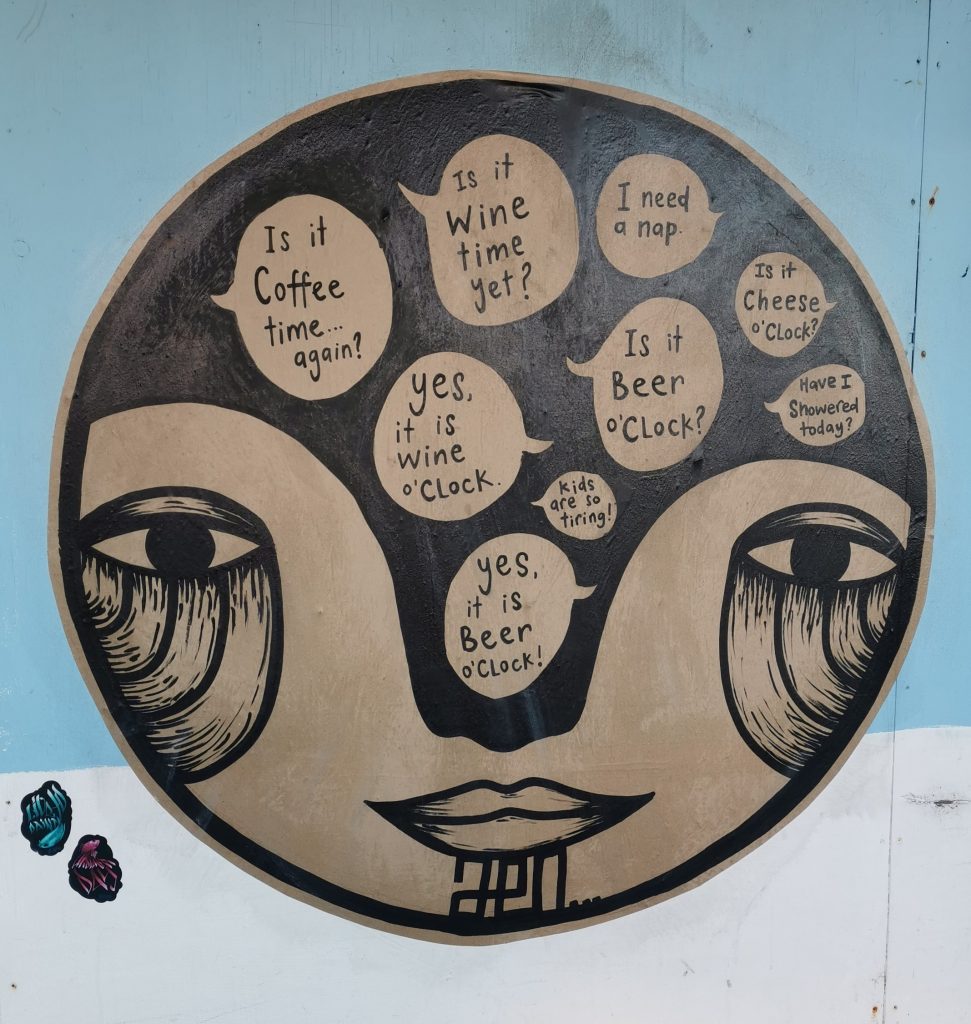
Jen_Heads’ large Lockdown Jen Head paste up.
It wasn’t just Dr Suits representing Fiksate during the lockdown, Jen_Heads was also busy producing her iconic faces, including a large stay-at-home version featuring the questions we have all had swimming through our heads for the last five weeks… Surely it is beer o’clock, because I’m sure coffee time was like an hour ago, right?
Home – A stay at home mural festival…
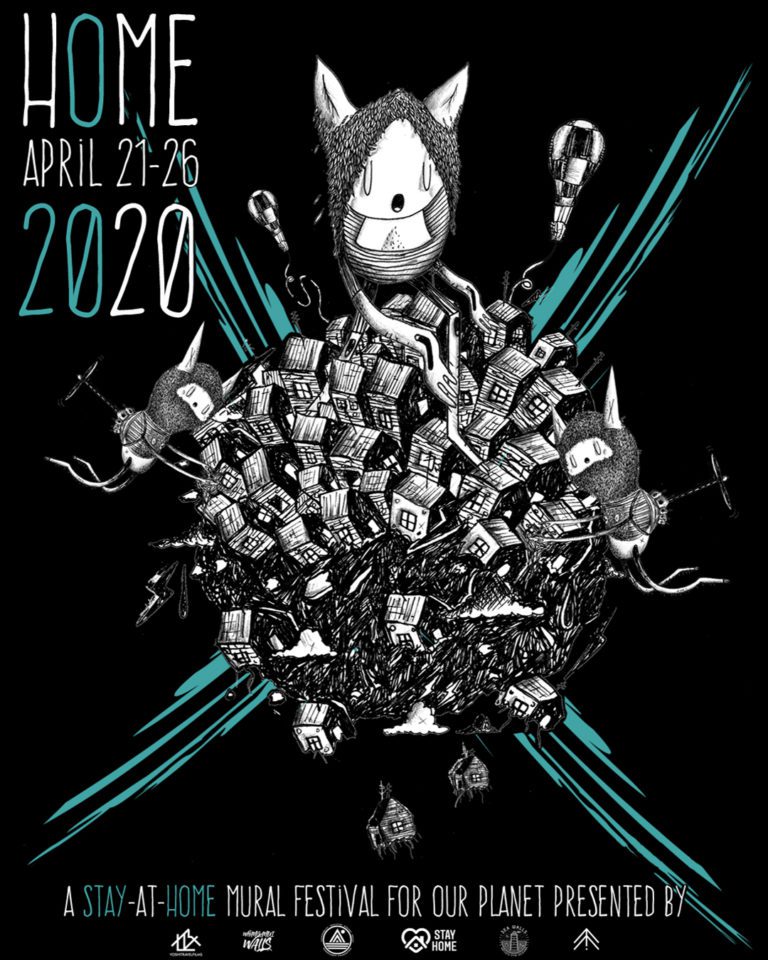
Cracked Ink’s poster for HOME: A Stay at Home Mural Festival, organised by Pangeaseed, Sea Walls, Alternative Arts Initiative, Whanganui Walls and Stay Home.
Speaking of staying at home (and how can we not at this time?), the good folks at PangeaSeed and the Sea Walls events, along with Alternative Arts Initiative and Whanganui Walls, created a unique response to the pervasive conditions, staging a mural festival where participants painted their own homes and shared across digital platforms. Alongside the ecological concerns at the heart of Pangea Seed’s spirit, this was also a consideration of how to unify artists and utilise art in this strange time. It proved popular, with hundreds of artists spread across the globe painting murals in their backyards and studio spaces. The programme also included conversations with artists and panel discussions, one of which I was happy to be part of, connecting with artists from far afield…
Artists share the love…
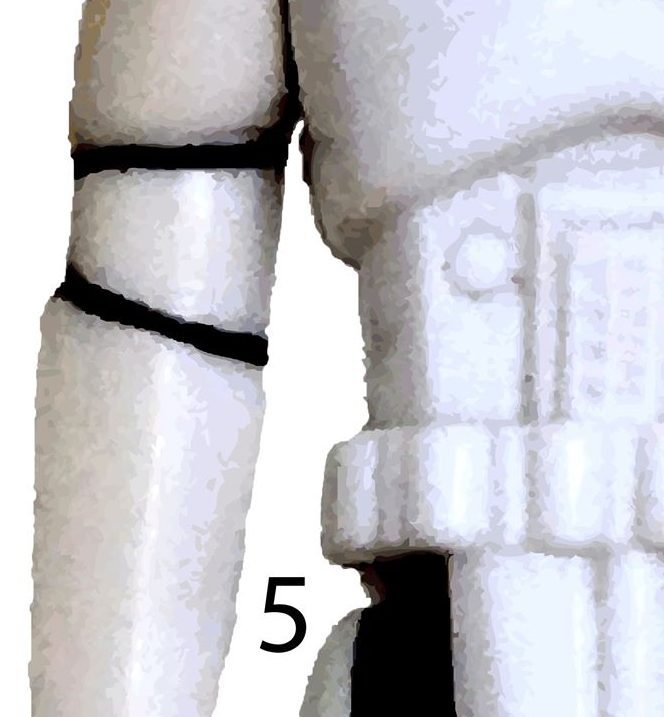
A section of Mark Catleys Stormtrooper paste-up print out he made available during the lockdown period
Lots of artists have been using their digital platforms to share their work, and some have even made their work, or specifically made things to be, available for people to use, a gesture of community. From Tom Kerr‘s lino cut sticker tutorial (see our post here), to Daken’s colouring in templates, and Mark Catley’s download-able Stormtrooper paste-up, artists have been sharing their talents and encouraging people to get cre-active (yes, I just coined a new term).
Kids take to the streets…
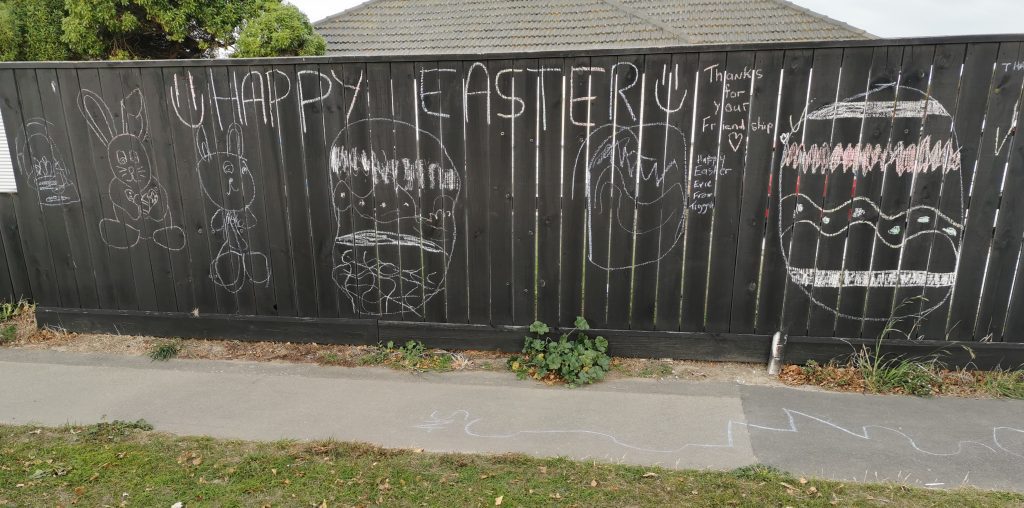
A suburban fence is adorned with an Easter message in chalk.
I have always believed in the human inclination towards public expressions and the lockdown, much like other periods of distress or great change, has seen people taking to the streets to leave their mark, express themselves of communicate with others. And I’m not just talking about the graffiti and urban art that I am normally fixated on. Footpaths have been commandeered by chalk wielding children, writing and drawing and subverting their function. Likewise, fences have been adorned with messages and symbols, symptomatic of the recognition of the potential of public space as a shared environment.
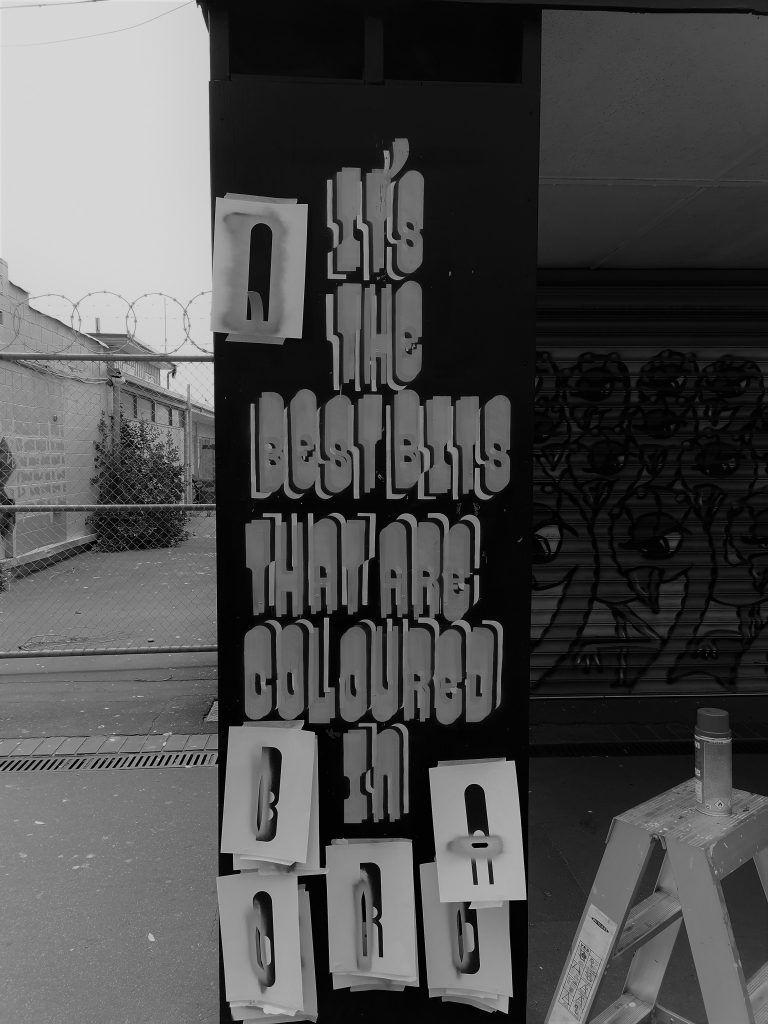
At the risk of losing the graffiti purists in the room, while the rebellious and dynamic aesthetics of graffiti were an awakening of how art could be more than what I had experienced as a child, it was stencil art that was a better fit for my personal mode of expression. There are numerous reasons; from the punk aesthetic of early styles, to the specific yet expansive potential of the process. It still embraced the physical nature of aerosol (hard and soft lines, over sprays), but there were also the intricacies of cutting, breaking down an image, and the plates that became stratified objects of interest themselves (from plastic sheets, to light card, or even cereal boxes, the chosen material reflects an important aesthetic decision). Importantly, there was also a conceptual aspect, beyond the stylistic and procedural; something harder to express but imbued within the apparent urgency of street stencils.
While I have spent many hours in small studio spaces cutting and spraying stencils, frustrated at the things that go wrong, exhilarated at the discoveries that unlock new directions, there is something about the presence of stencils in the streets, sprayed directly on rough concrete or worn surfaces. Street stencils are a contemporary incarnation of a primal mode of expression, utilising new cultural references and tools to navigate the current landscape, while exuding a sense of a longer, often political, always existential, lineage.
While it may be the accessible, iconographic visual language stencil artists have harnessed (such as the pop culture imagery almost universally favoured by stencil artists still finding their style) that attracts many, for me, it is this connection to history, the sense that a stencil still represents rebellion, revolution and anarchy. Furthermore, the mechanical nature of the process renders stencils democratic; anyone can cut a stencil and produce an image. Of course there are stencil ‘superstars’, but there are also countless anonymous stencils, reveling in that anonymity and the act of painting in the streets.
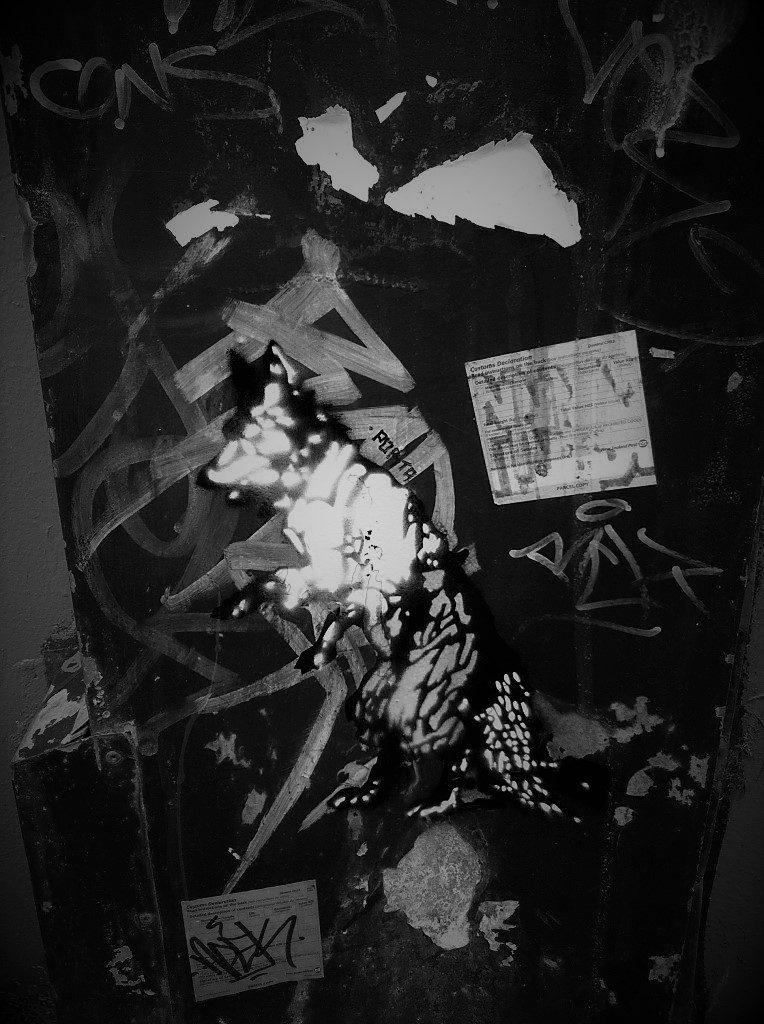
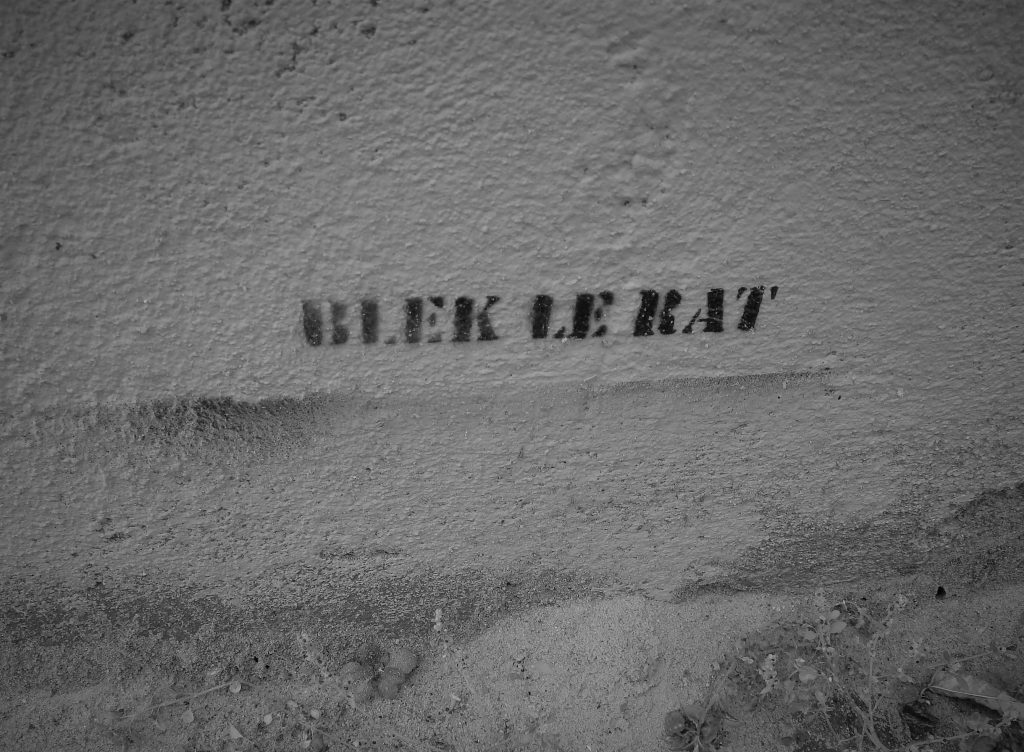
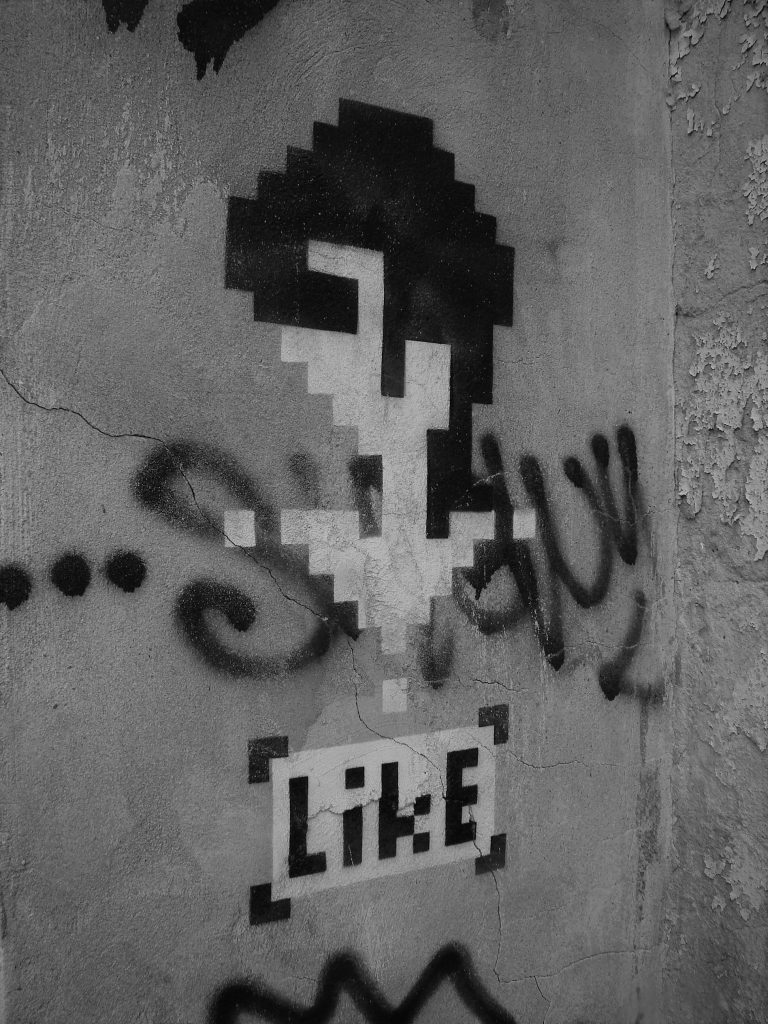
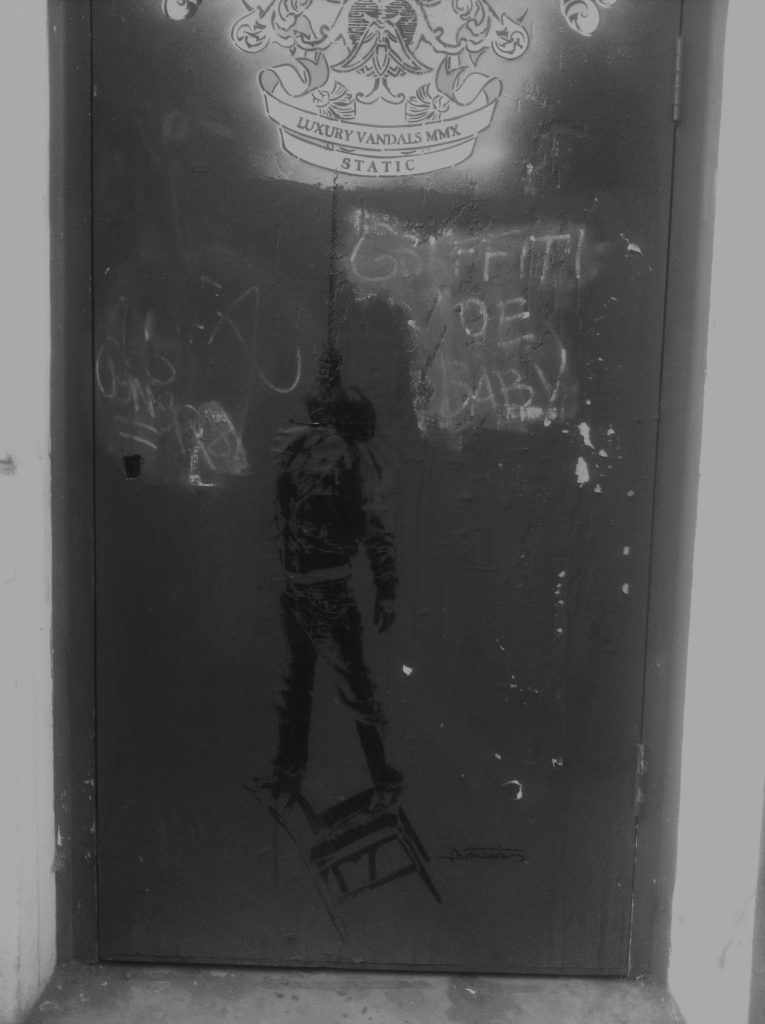
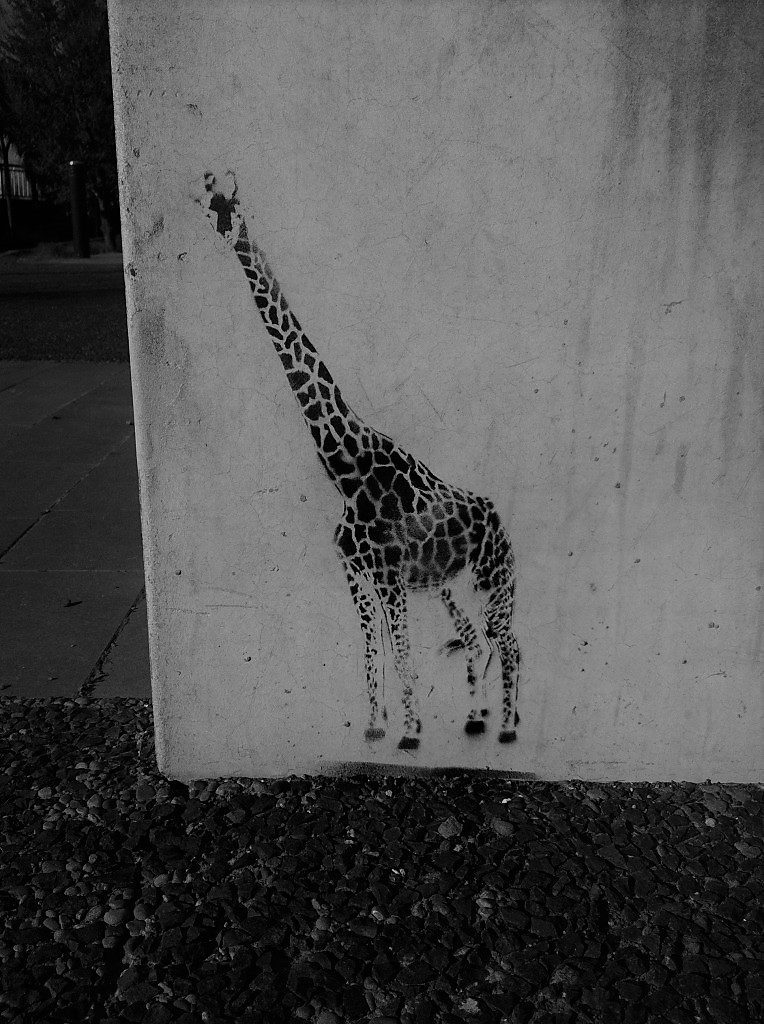
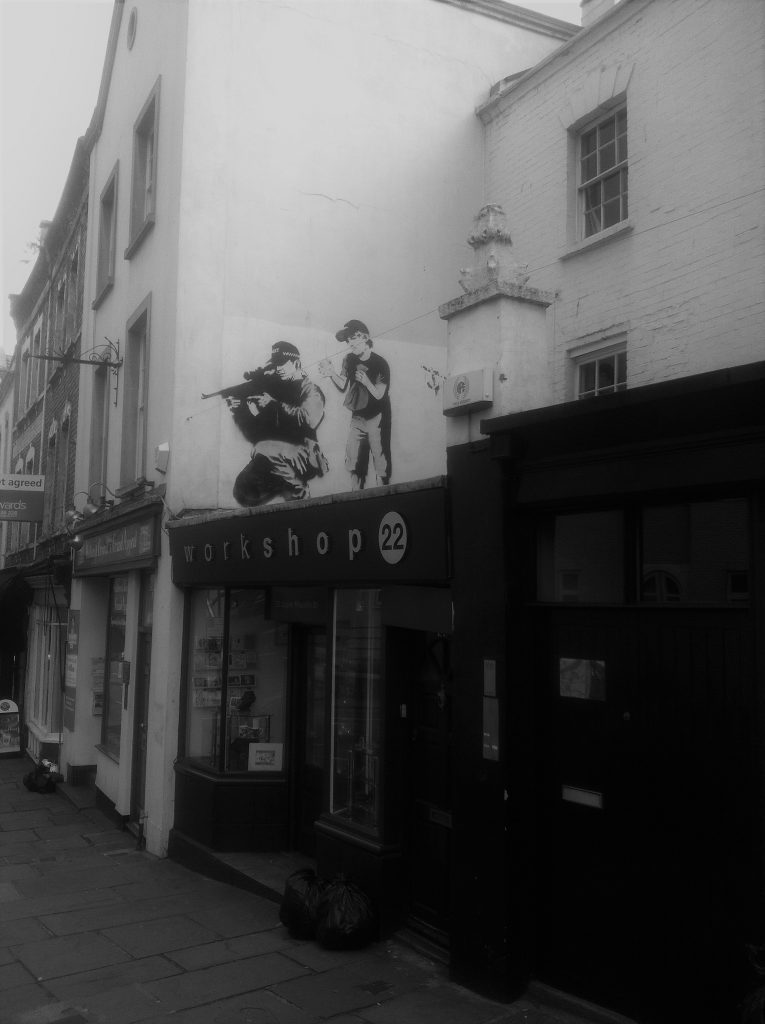
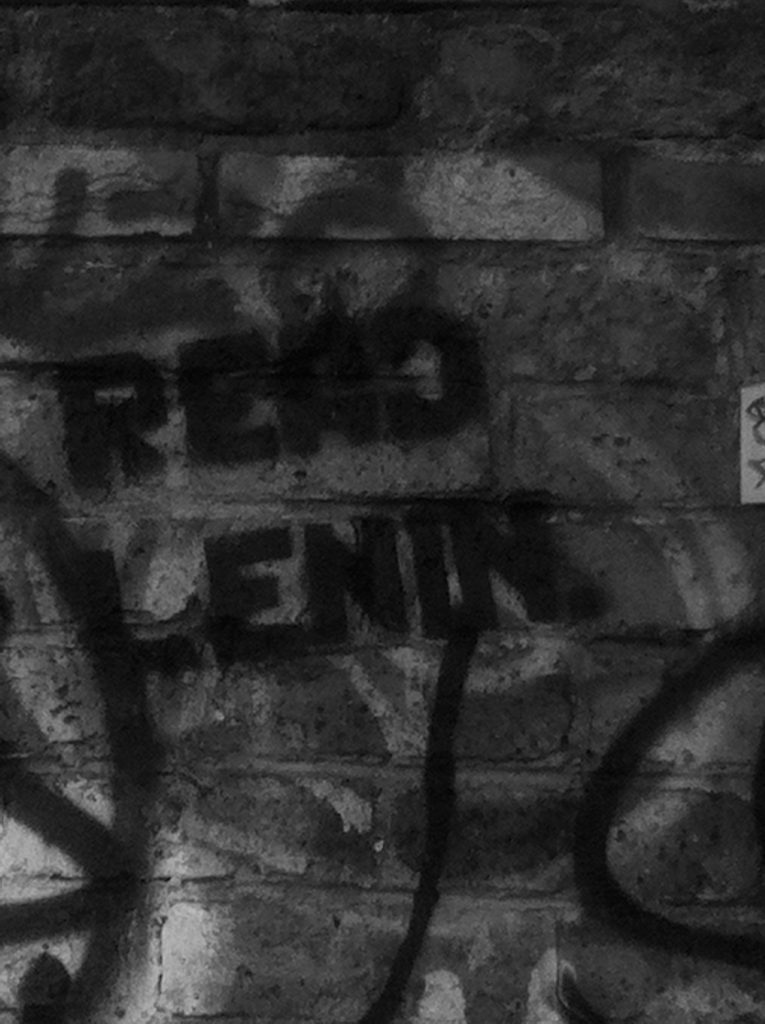
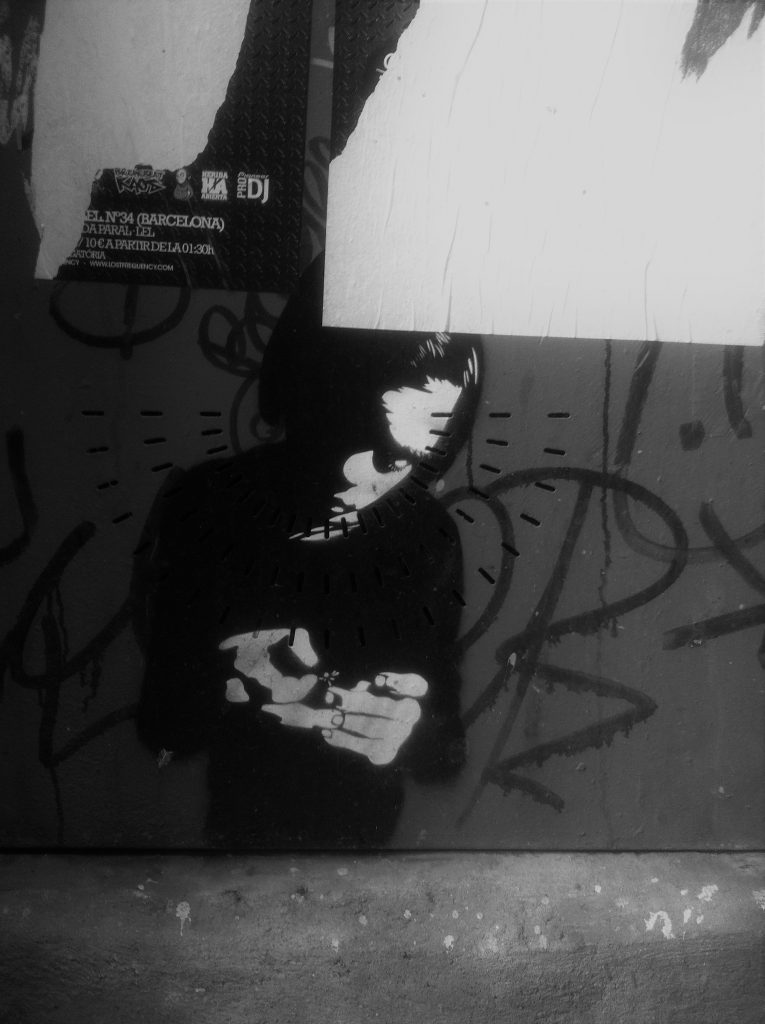
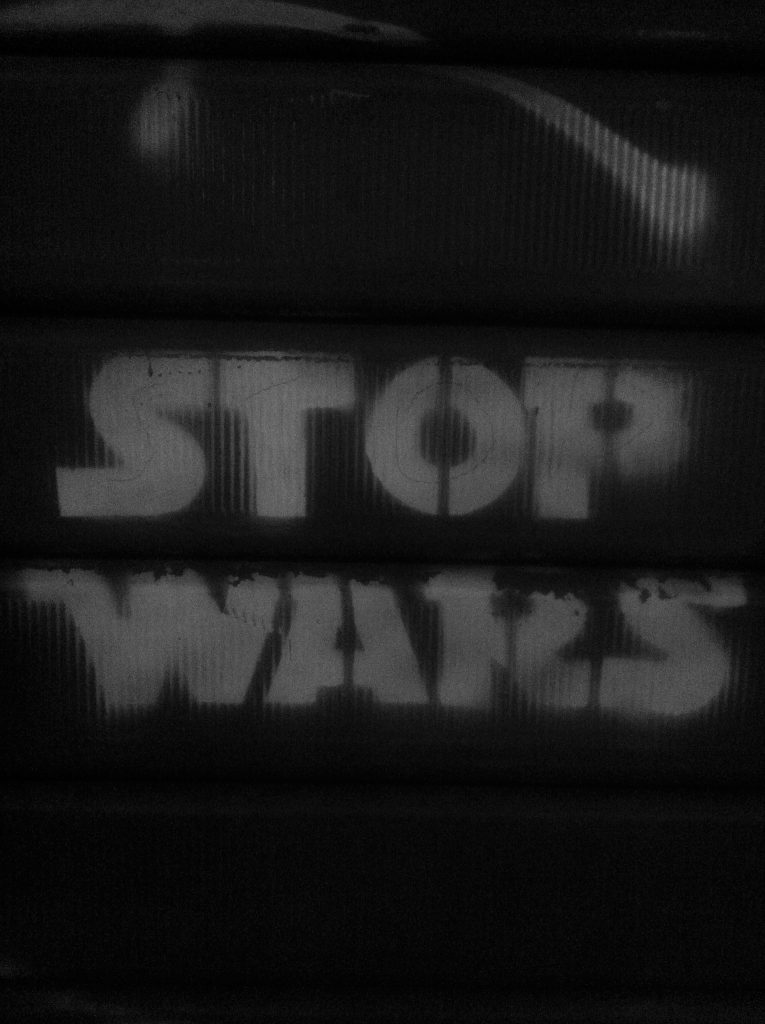
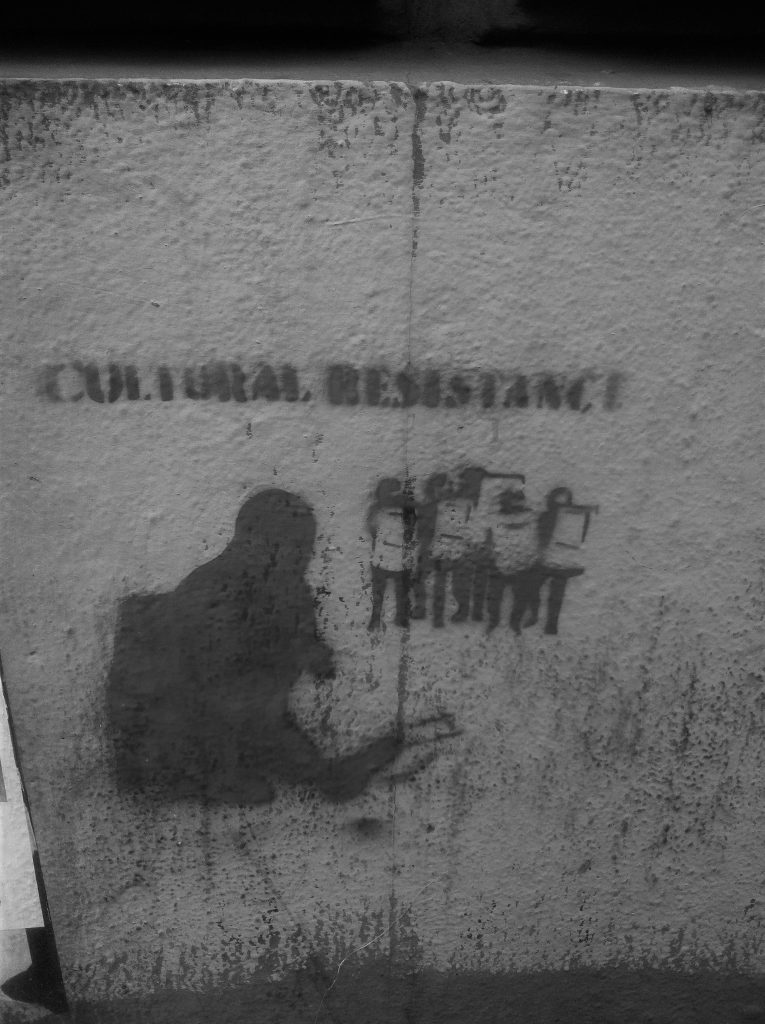
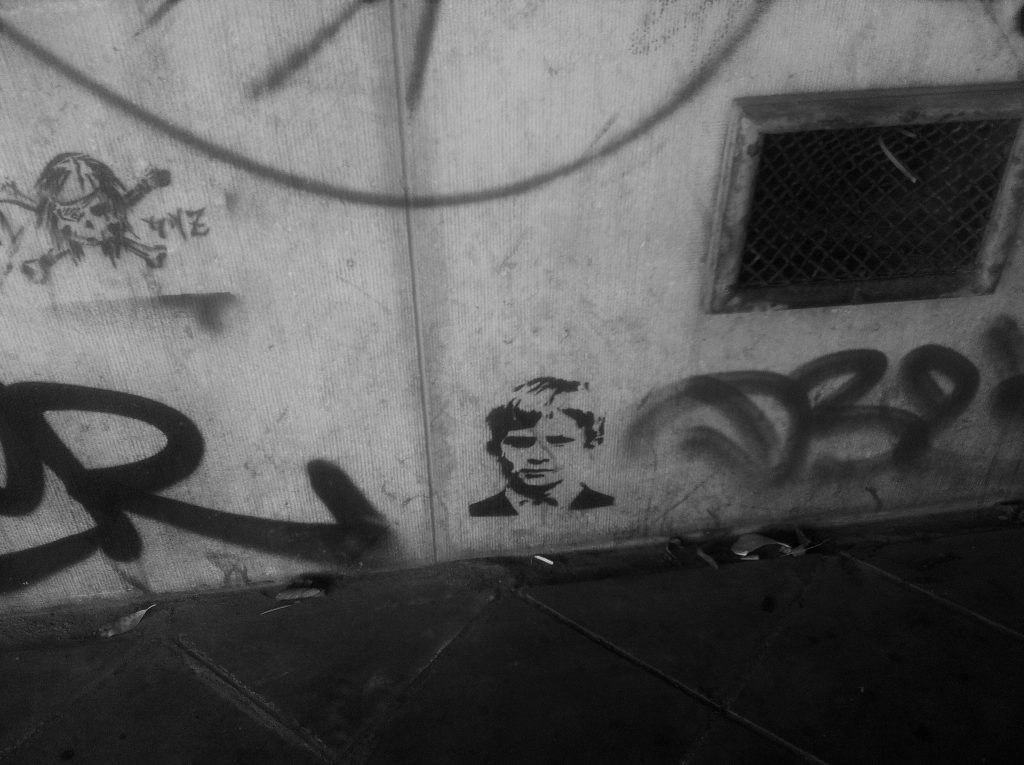
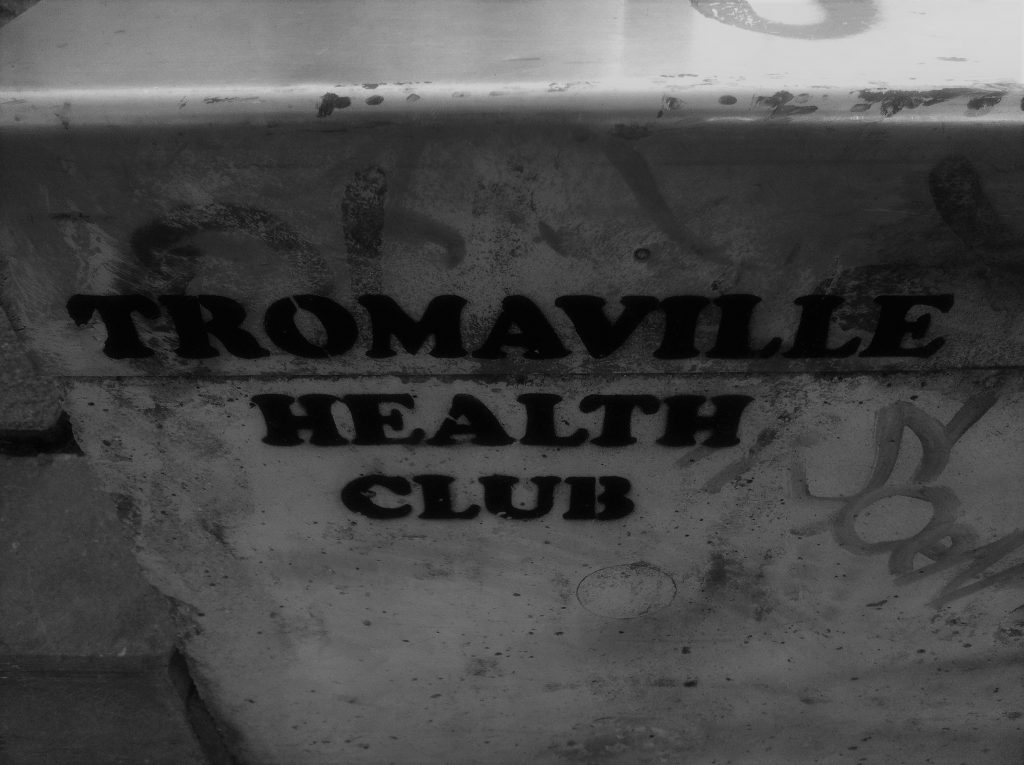
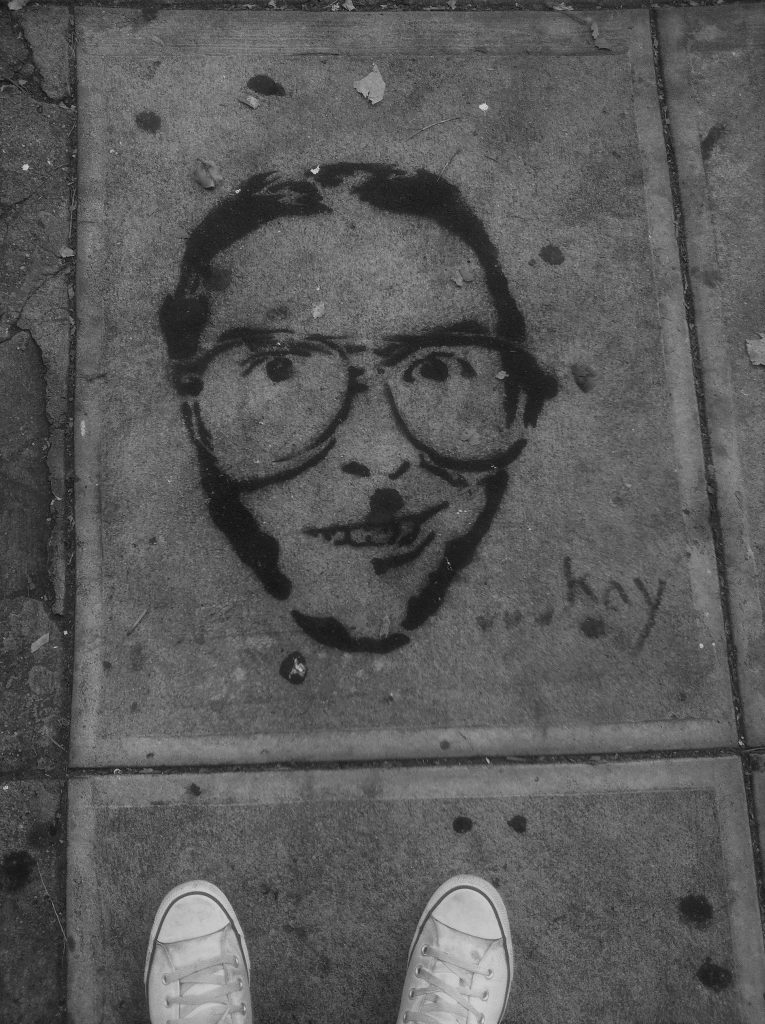
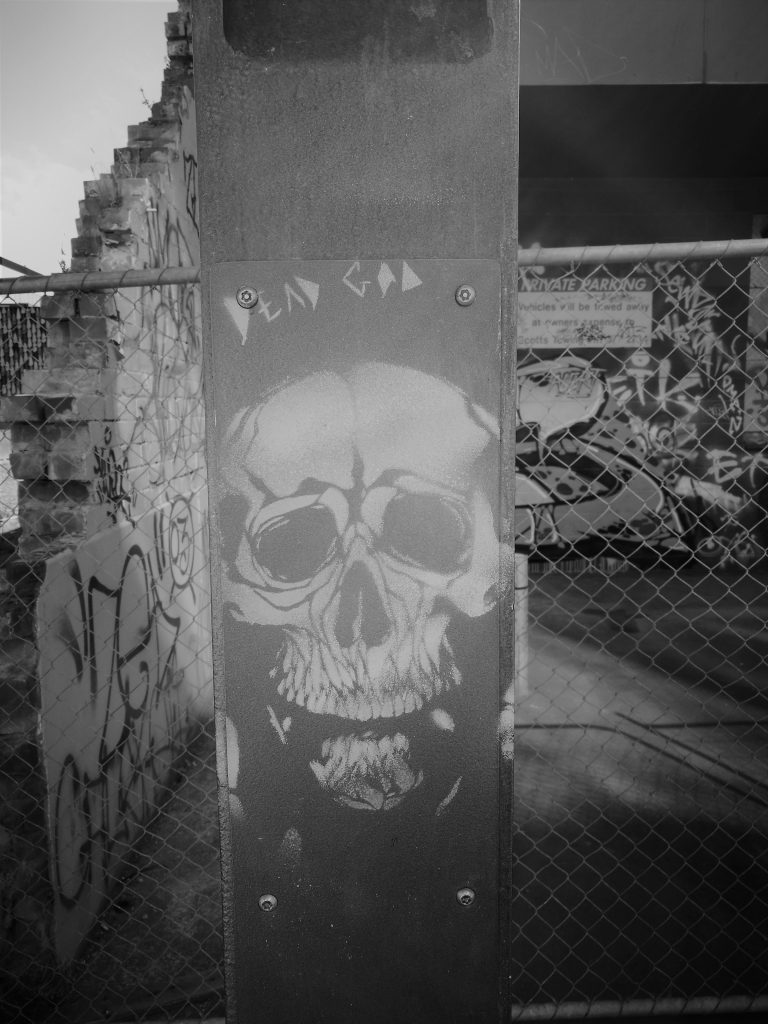
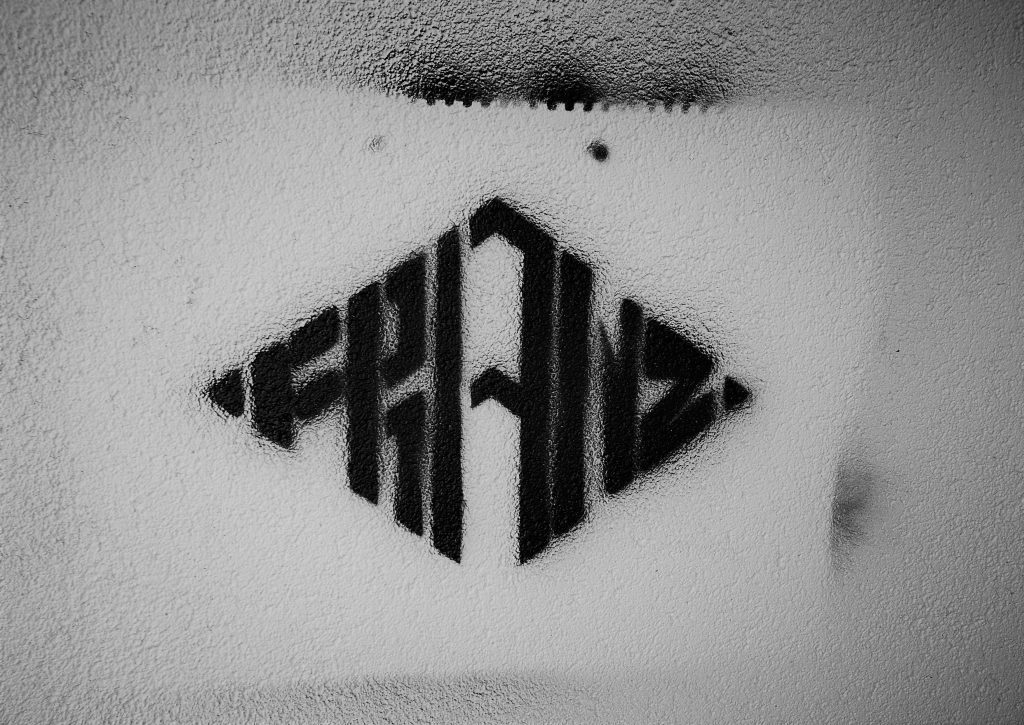
The following images have been taken from the last decade, from Ōtautahi, around Aotearoa and even abroad. Some are by well-known artists, others are completely anonymous. Some are fresh and sharp, others faded and obscured. Some are sprayed on surfaces that make the image harder to comprehend, others play off the graffiti covered walls. Some are figurative, some use phrases, some are explicitly political, others harder to decipher. But each is an example of someone acting out, becoming part of that lineage and grasping the inherent qualities of stencils…
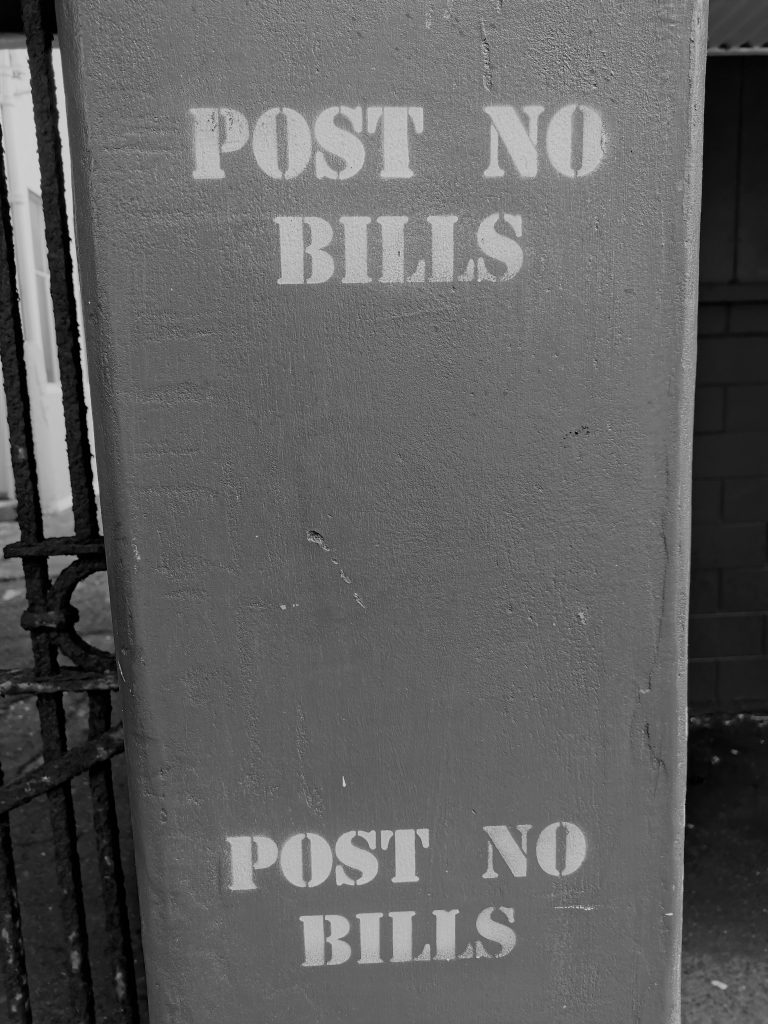
PORTA, New Brighton, Christchurch, 2012Blek Le Rat, Berlin, Germany, 2011Like, Berlin, Germany, 2011Dotmasters, London, England, 2011Unknown artist, Christchurch, 2012Banksy, Bristol, England, 2011Read Lenin, Rome, Italy, 2011Unknown artist, Barcelona, Spain, 2011Stop Wars, Rome, Italy, 2011Unknown Artist, Rome, Italy, 2011Unknown artist, Brussels, Belgium, 2011Tromaville Health Club, Brussels, Belgium, 2011Kay, San Francisco, United States, 2011Dead God, Christchurch, 2018Franz, Wellington, 2019Post No Bills, Wellington, 2019Bols, Christchurch, 2019
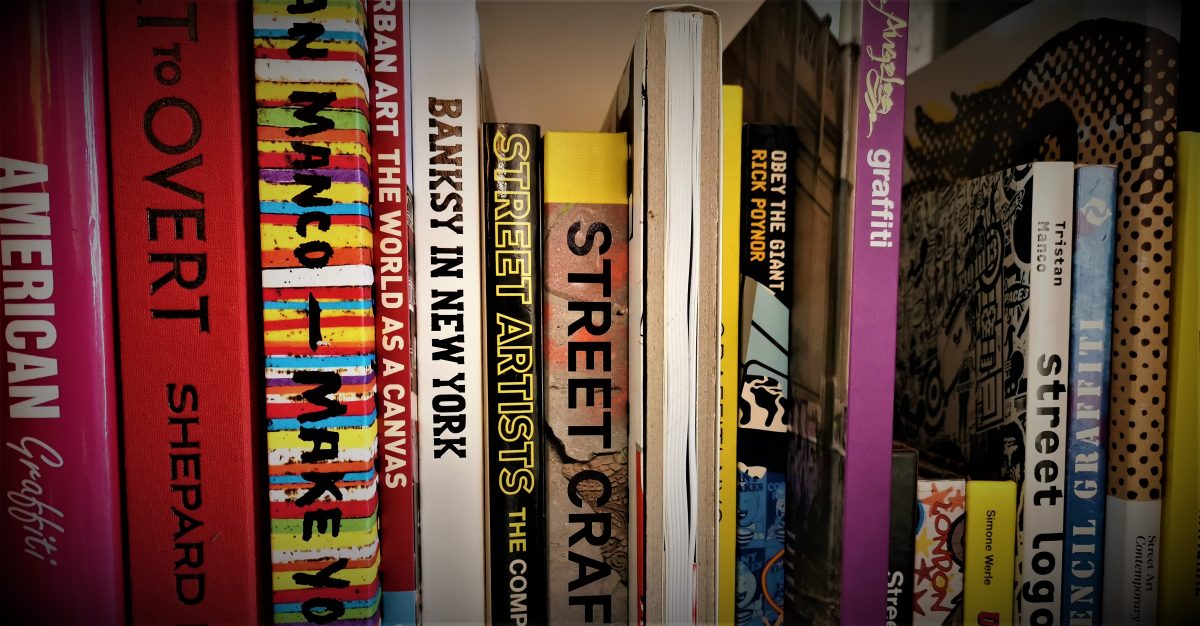
The Covid 19 enforced lock down period will have an undeniably massive impact on all facets of our lives, potentially permanently altering our routines. It is important maintain our mental health, and, for me, making and consuming art are vital aspects of my personal balance. I have been promising to catch up on the growing stacks of books at home for months and now I have this unforeseen time to finally make a dent. Urban art has a long relationship with the written word and documented image (graffiti itself is typographical, and slogan-based street art has a long lineage including The Gorilla Girls and John Fekner), from the early classics to the increasingly flashy publications of today. For an initially underground art movement, new publications (not to mention online content) emerge regularly, from big publishing houses or independent sources, echoing the complex (and at times contradictory) nature of contemporary urban art. Graffiti and street art books have spanned a range of approaches: seminal explorations of emerging creative cultures, academic studies, artist monographs, historical documents, surveys of themes and specific geographic locations, photographic collections and publications accompanying exhibitions and events.
We figured this was a perfect time to discuss some of our favourite urban art books. This is not a ‘best of’ compilation, nor are these entries reviews as such. It is intended to show an array of books, each with something that grabbed us; from the conceptual content to the pure beauty of the physical object, or even historical importance, these are the pages we love. There are also plenty more not included here, books we plan to share with you in the coming weeks on our Instagram page (think of it like a book club), so please let us know which books you would include on your list…
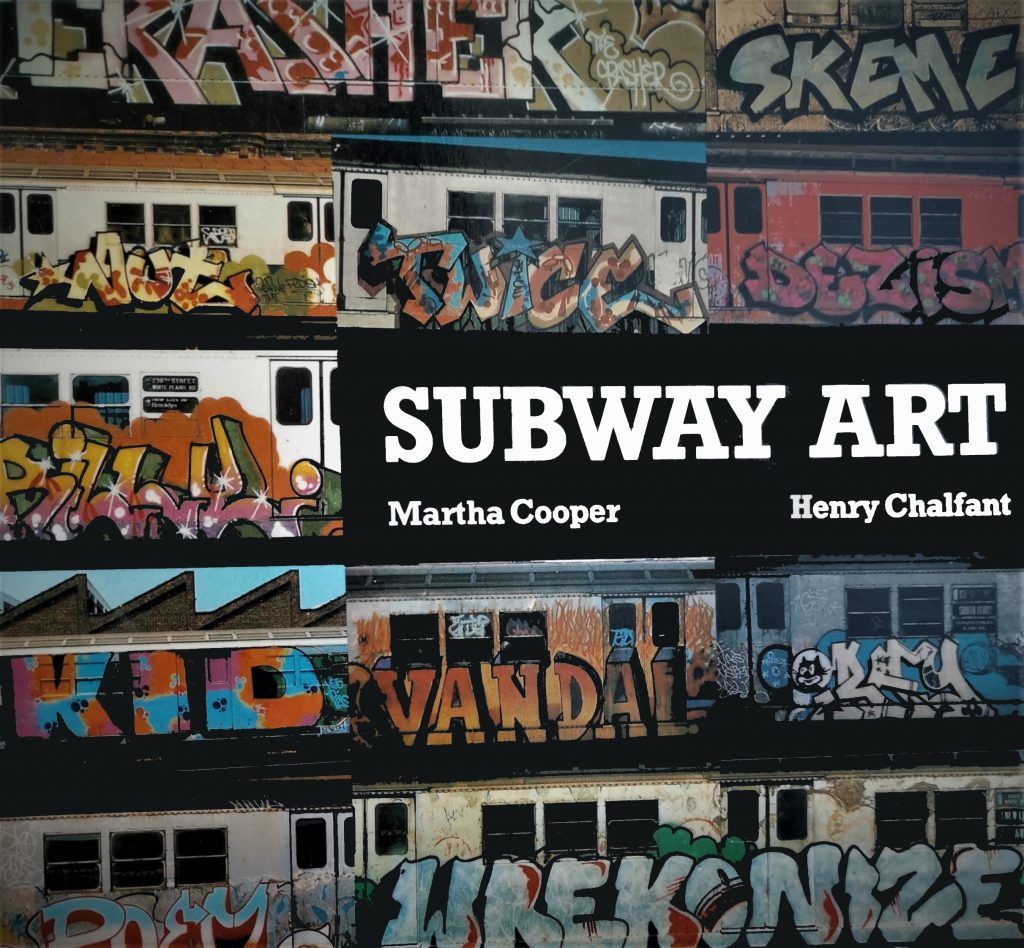
Subway Art – Henry Chalfant and Martha Cooper (Thames & Hudson, 1984)
What else could start this list? Perhaps the most revered graffiti book of all time, Martha Cooper and Henry Chalfant’s 1984 documentation of the rising force of New York graffiti is responsible for inspiring waves of future writers. Tatty copies, sometimes photocopied, are regularly cited by graffiti artists as their introduction to the culture, used as a guidebook for early attempts. Part of the success of Subway Art comes from its accessibility, avoiding overwrought analysis and focussing on the visual images (Cooper and Chalfant are primarily photographers), but it was also perfectly timed, coinciding with the seminal documentary Style Wars (of which Chalfant was a co-producer with Tony Silver). To put it bluntly, if Subway Art isn’t in your collection, you aren’t doing it right…
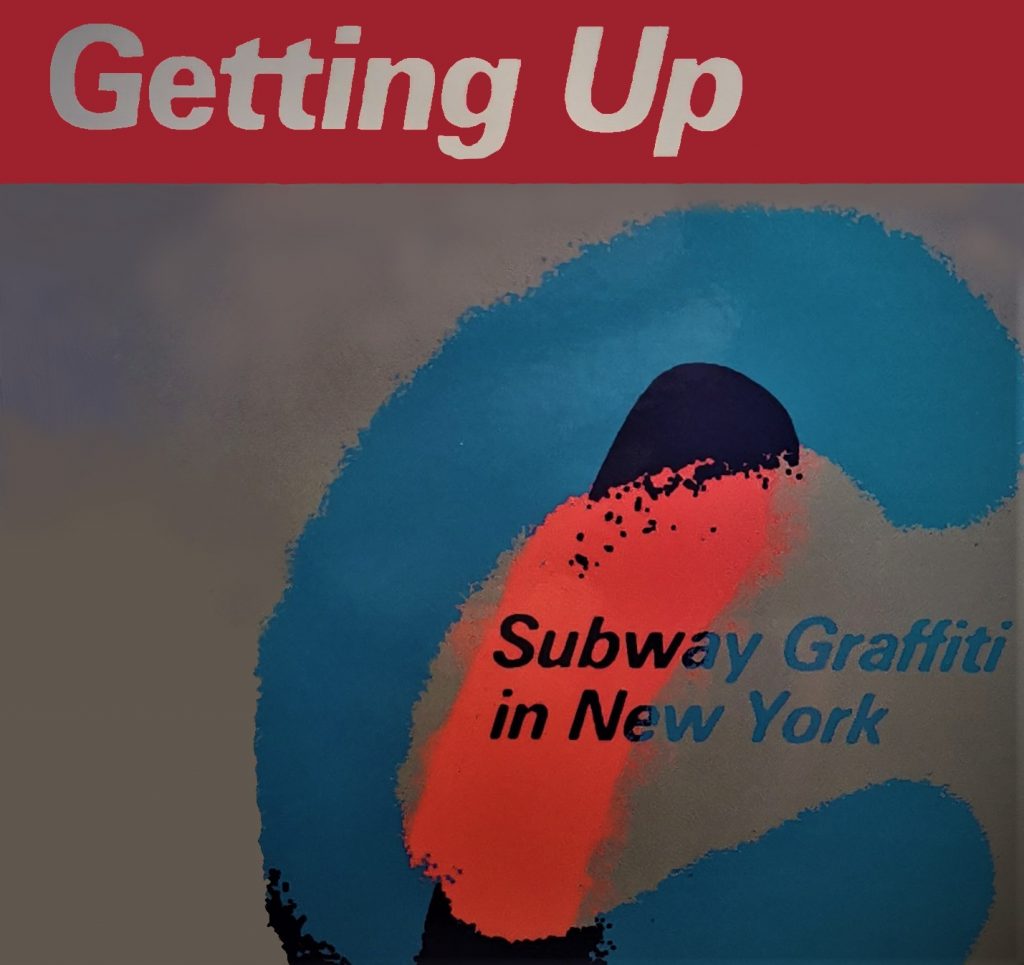
Getting Up – Subway Graffiti in New York – Craig Castleman (MIT Press, 1982)
Craig Castleman’s 1982 tome on graffiti culture may not have quite reached the popular status of Subway Art, but it is, for some, equally as important. A sociological study of graffiti culture, Getting Up surveys the youthful graffiti subculture blossoming on New York City subway trains, documenting and explaining many of the concepts that remain central tenets of graffiti today. This might be more of a specialist read due to its academic nature (although it is concise and straightforward), but ultimately it is a reminder of graffiti’s extension beyond art or crime, and into something representative of an entire culture that has spread across the globe. Castleman’s candid interviews revealed the self-constructed community of graffiti and positioned it as a more complicated network than it was considered at the time.
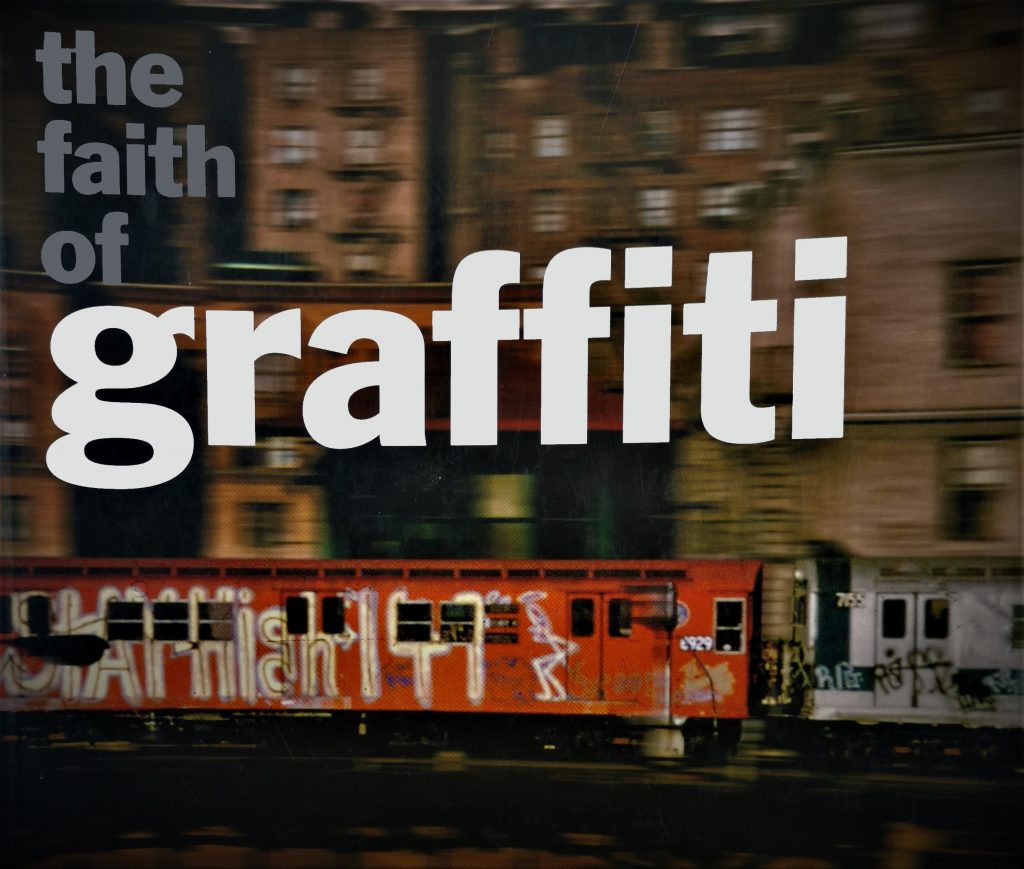
The Faith of Graffiti – Norman Mailer and Jon Naar (Harper Collins, 1974)
To keep the theme of important early writing going, The Faith of Graffiti is another example of how graffiti writing was capturing the public imagination in the early-to-mid 1970s. While many dismissed graffiti as a plague that was breaking down civil society, others were fascinated by its mysterious nature and practitioners. Norman Mailer, the well-known writer and social critic, brought his own flair to photographer Jon Naar’s images of the infant graffiti culture. Mailer takes on the role of aesthetic investigator (or A1 as his tag moniker in the style of his subject), and interviews members of the subculture before considering the city of New York’s political response to the youthful art movement and even making art historical comparisons. In a sense, Mailer’s stature gave graffiti a legitimacy it was never seeking. The words though are only part of the book, Naar’s photographs providing the necessary visual vibrancy that give Mailer’s writing life and context.
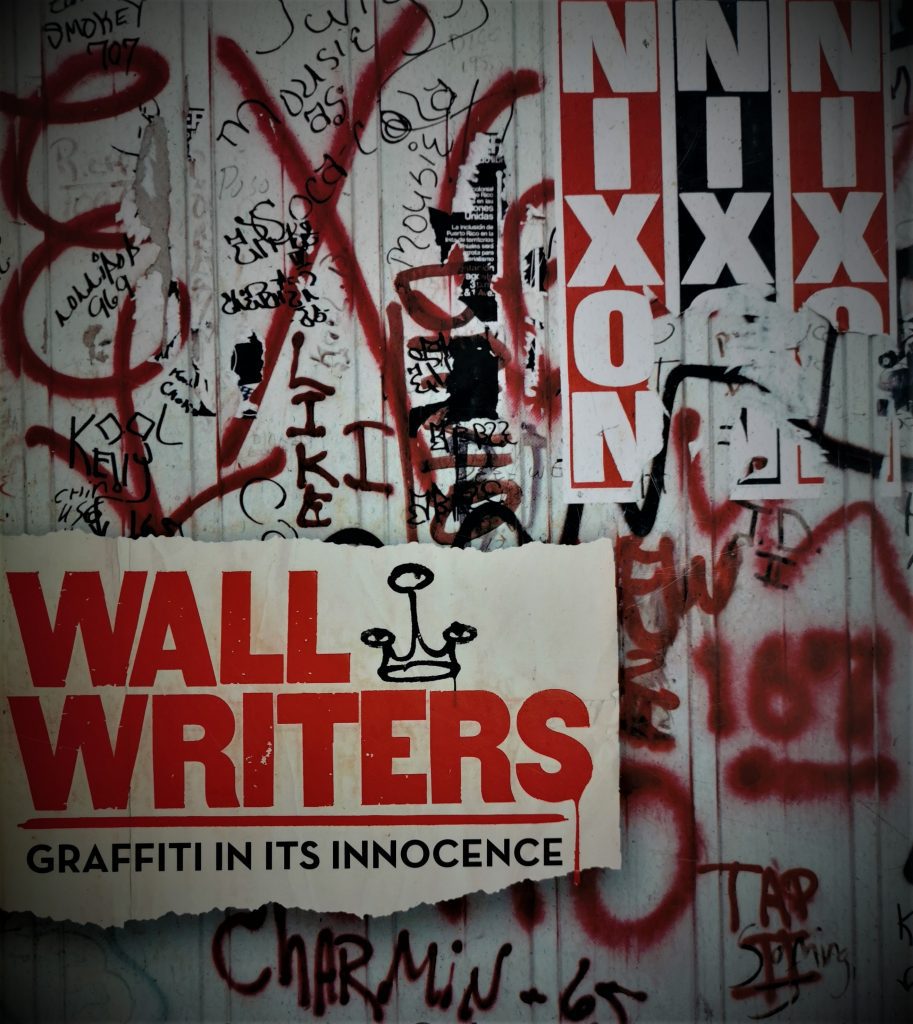
Wall Writers – Graffiti in its Innocence – Roger Gastman (Gingko Press, 2016)
Roger Gastman’s Wall Writers accompanies a documentary of the same name about graffiti in its early days. It features an impressive number of interviews with key figures, including Cornbread, Taki 183, LSD OM, Snake I, Cay 161, Junior 161 and Cool Earl. It brings together the keys places, figures, groups and documentarians from the early phases of graffiti writing culture, including dalliances with the art world. Wall Writers unveils the social and historical climate that birthed graffiti as a subculture, including the birth of aerosol, the phenomenon of Kilroy Was Here, and advertising and social messaging. The fascinating social ephemera, along with the personal stories and photographs, make Wall Writers a beautiful production that comes close to what it was really like in those early days, perhaps just with cleaner pages.
The History of American Graffiti – Roger Gastman and Caleb Neelon (Harper Collins, 2011)
Roger Gastman and Caleb Neelon’s thick survey of American graffiti essentially takes on an impossible task, the authors even admitting as much, recalling one interviewee declaring that: “Anyone who tries to tell you the history of graffiti is either a liar or a fool.” But while it can never be definitive, it is most certainly exhaustive, with stories and images from cities and regions from coast to coast, and including more specific offshoots of the culture (including freight train painting, graffiti inside galleries and the rise of street art). With images sourced from a huge number of contributors, it is a fascinating insight into how graffiti has mutated in different areas, and yet how consistent influences remain central. Its compartmentalised format also makes it more easily digestible, allowing readers to jump into different cities rather than following a traditional narrative.
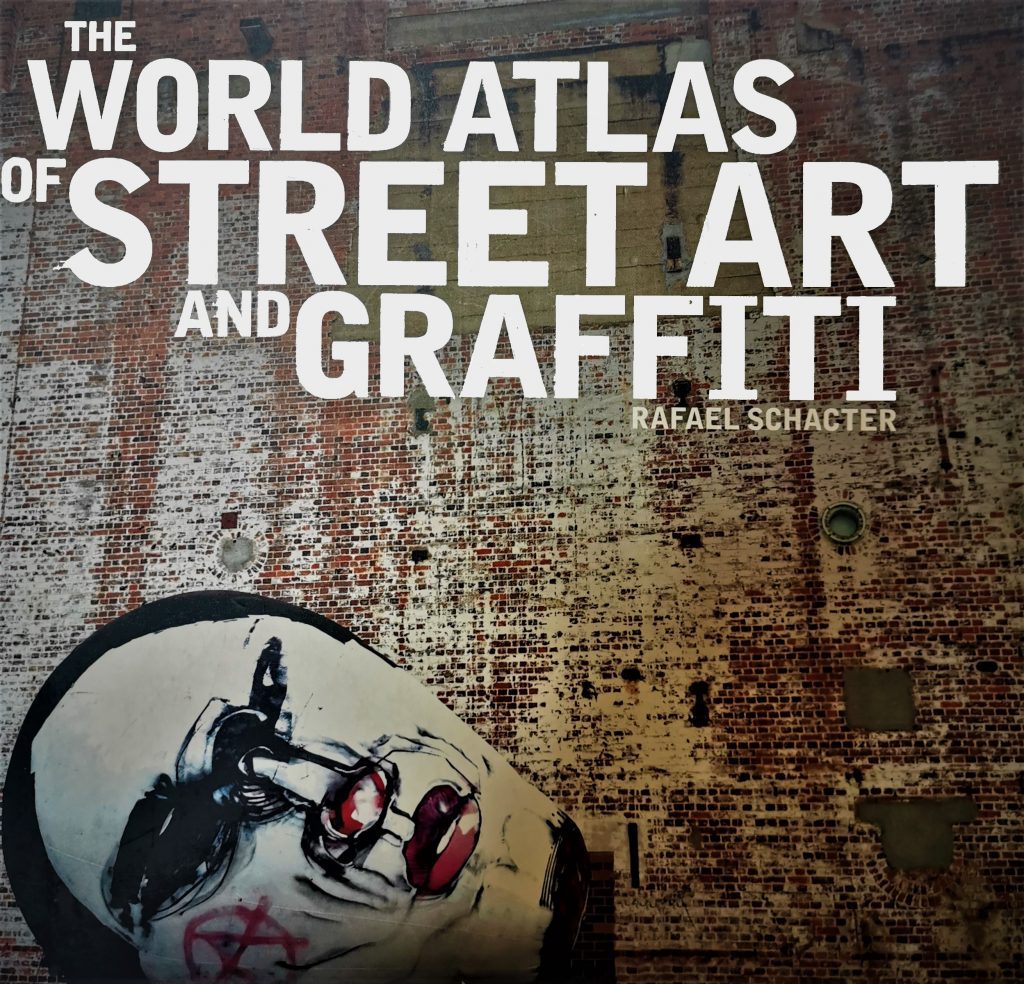
The World Atlas of Street Art and Graffiti – Rafael Schacter (Yale University Press, 2013)
Rafael Schacter’s compendium of Independent Public Art (a term he adapts from Javier Abarca) is a globetrotting survey of the new school of public art practices that have emerged out of graffiti and post-graffiti. From ephemeral interventions to technological approaches, the litany of terms considered is intriguing: emotional advertising, symbolic figurative graffiti, conceptual vandalism, hacktivism, bibliographic bombing, and existentialist graffiti to name a few. A reminder of how far these interventionist practices have come, it is thoughtful and yet approachable. Unlike The History of American Graffiti, which attempts a similar, albeit more defined, geographic scope, Schacter’s Atlas does not seek to recount a history, but to take a snapshot of these artists and their diverse practices, and in doing so, reveal the growing maturity of contemporary urban art as a form of new public art. Schacter also includes a selection of maps made by artists to represent their hometowns, with favourites including Momo’s New York journey and Lush’s typical caustic cartography of Melbourne. For good measure it includes Askew and BMD in the ‘Rest of the World’ section.
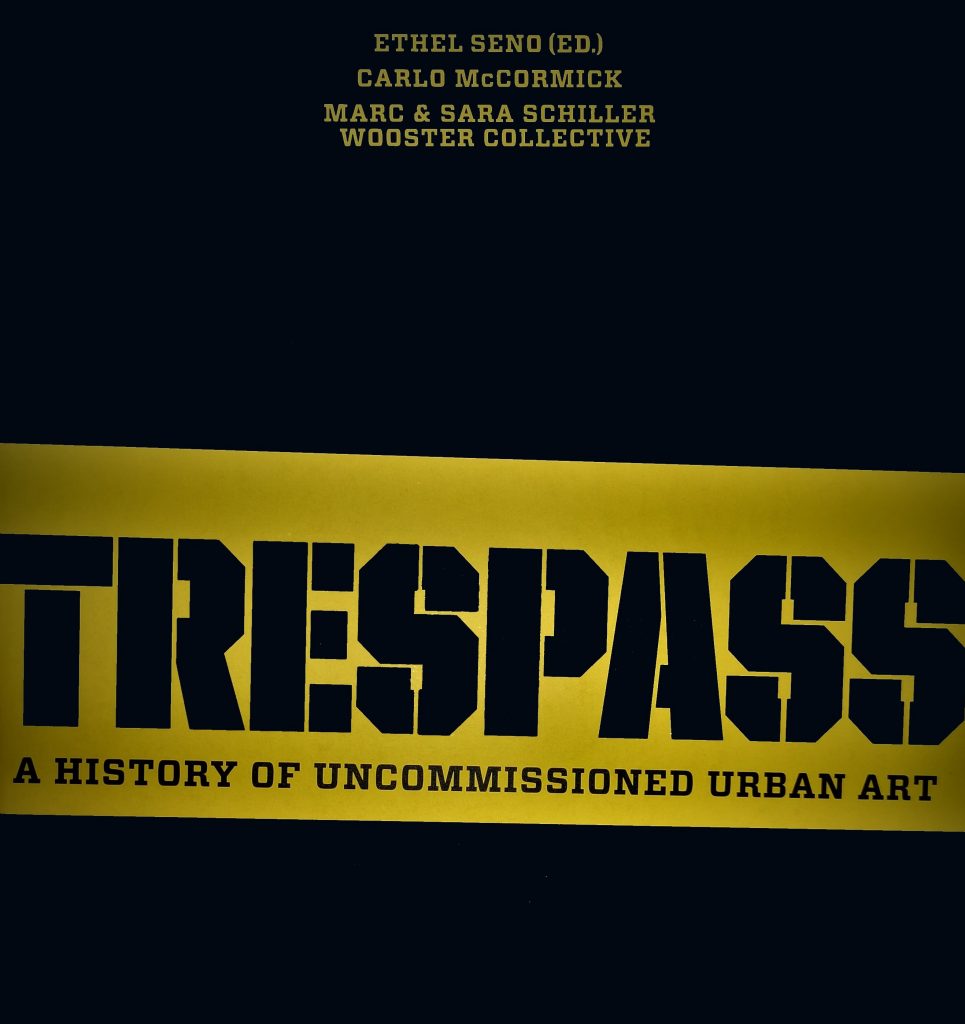
Trespass – A History of Uncommissioned Urban Art – Ethel Seno, ed. (Taschen, 2010)
Edited by Ethel Seno and featuring contributions from Carlo McCormick and Marc and Sara Schiller from the Wooster Collective, Trespass is a more cerebral exploration of the rebellious aspects of urban art. Less pictorial (although still a good looking book), it is the essays that consider the various strands of un-permissioned art (even the distinction between terms such as illegal, uncommissioned and un-permissioned is an interesting discussion) within the urban landscape that take centre stage, from legal status, public space, and counter-consumerism, to urban folk art and environmental approaches. Trespass importantly reminds us of the importance of transgression in urban art, a fact that can sometimes be downplayed in blockbuster shows, crowd friendly festivals and commissioned (and especially commercial) projects. To celebrate such aspects is not an easy task in a published book, where external forces may require concession, but Trespass is able to build an interconnected history of urban art’s disruptive potential.
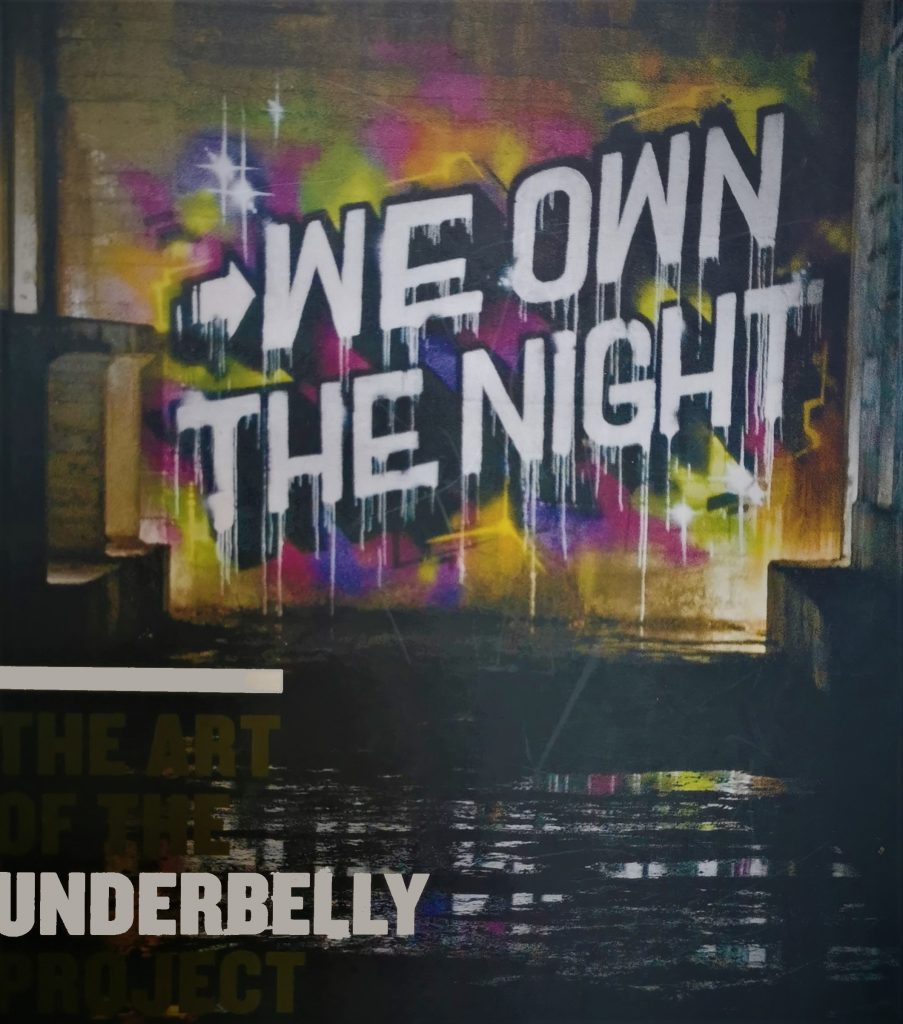
We Own the Night – The Art of The Underbelly Project – Workhorse and PAC (Rizzoli, 2012)
Workhorse and PAC’s documentation of the secretive Underbelly Project, which saw artists invited to paint an abandoned network of subway tunnels in New York, is like a ticket to an exclusive party. The project itself was so clandestine that even artists were blindfolded as they were taken underground. The book is a revealing insight into an inaccessible gallery now closed forever (or at least until a new generation of urban explorers finds the tunnels and its painted walls). The eerie setting is perfect for a book, silence is a key quality and reinforces the isolation of the project, while the spot-lit images, darkened in the corners, provide a sense of being amongst the creepy surroundings, unsure of each strange creak and crack. Spanning several years, The Underbelly Project saw an impressive array of talent paint the aged concrete, from Logan Hicks, Ron English and dabs Myla, to Dan Witz, Lady Aiko and Remi Rough. Much like Trespass, We Own the Night celebrates the rebellious and outsider qualities or urban art.
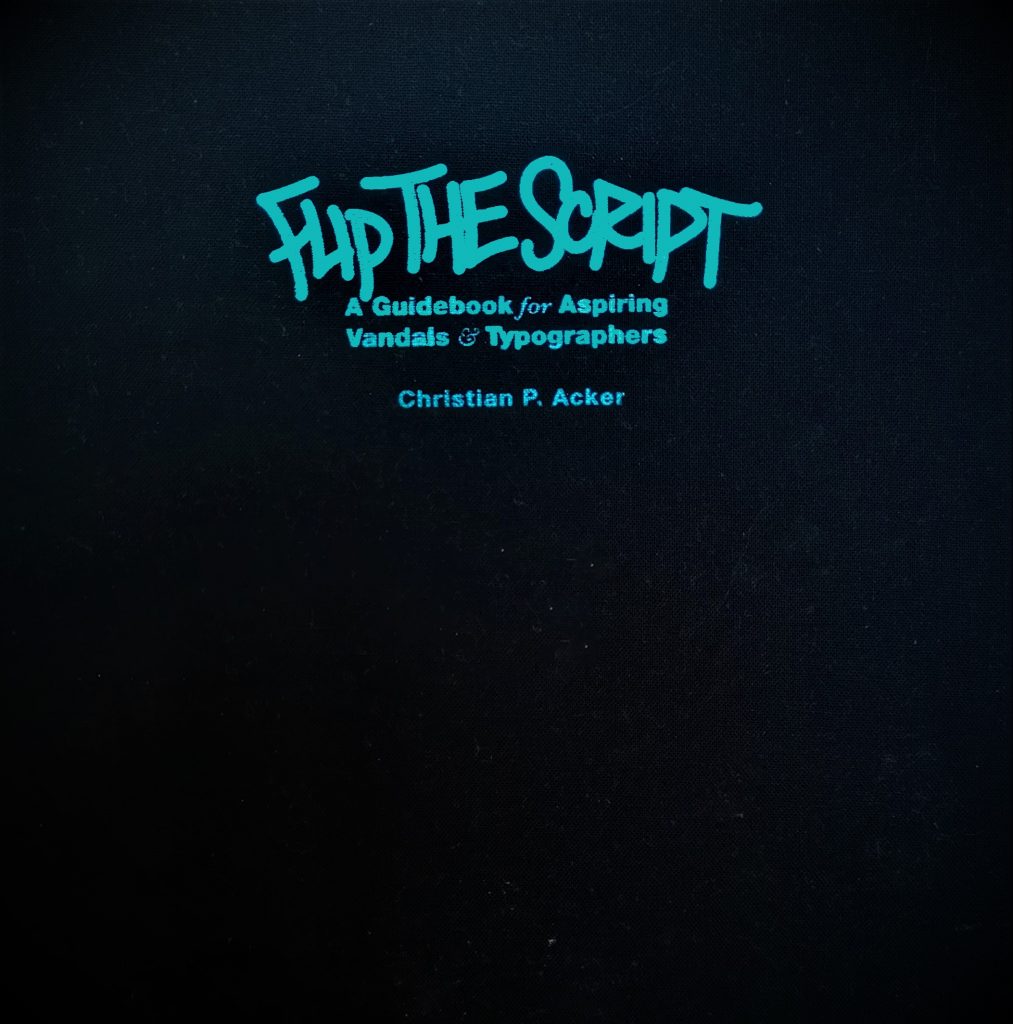
Flip the Script – A Guidebook for Aspiring Vandals and Typographers – Christian P. Acker (Gingko, 2013)
Christian P. Acker’s typographic text is similar to a number of font-inspired books, but is also a fascinating insight into regional hand-styles across the U.S. It is sweeping in locations and time periods, painstakingly recreating letter forms to create a database of styles, revealing the various folk inspirations behind little details. Contributors present full alphabets of their signature style, while Philadelphia’s Wickets are a uniquely specific example explored in depth as well. As the styles pile up, it becomes impossible to not start imitating as the intricacies are revealed and the reason behind those little details become apparent. Acker presents graffiti hand-styles as folk-inspired calligraphy, type designer Christian Schwartz comparing his field recording approach to ethnomusicologist Alan Lomax’s work with folk music in the 20th century. Flip the Script is also a beautiful book, bound in black cloth and restrained in a blue and grey palette, it is clearly a passion project.
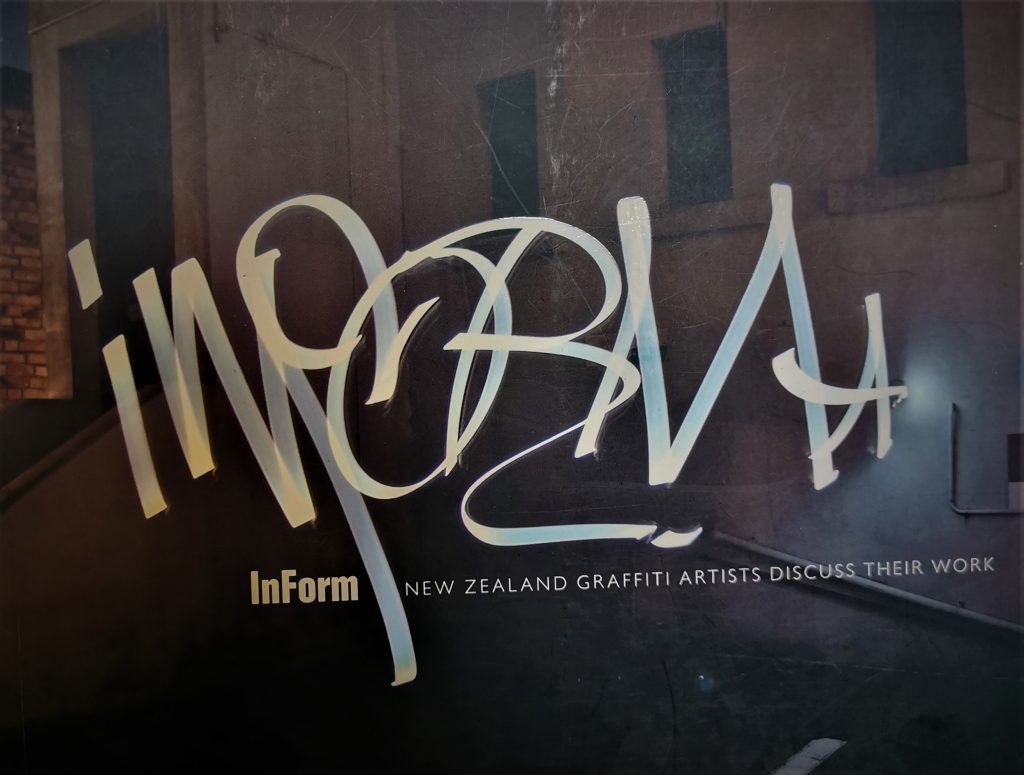
InForm – New Zealand Graffiti Artists Discuss Their Work – Elliot O’Donnell (Reed, 2007)
Elliot ‘Askew’ O’Donnell is not only one of Aotearoa’s most revered artists (let’s be honest, he is a global powerhouse now), he is also a key voice in the discourses around graffiti and urban art. After founding Disrupt with Pest5/Johnny 4Higher, Askew was already acknowledged as a leader of the New Zealand scene by the early 2000s, and InForm, produced in 2007, was another string to that bow. A combination of a snapshot of the scene and a process guidebook, it features the country’s biggest names, interviewed and then photographed painting, their pieces documented at each stage from outline to complete. It is an impressive undertaking for its time and reaffirms the primary status of graffiti in New Zealand urban art culture. While Auckland is heavily featured, and as expected the heavyweight TMD crew, Ōtautahi is well represented by Dcypher, Lurq and Pest5 (who had relocated to Auckland by that time).
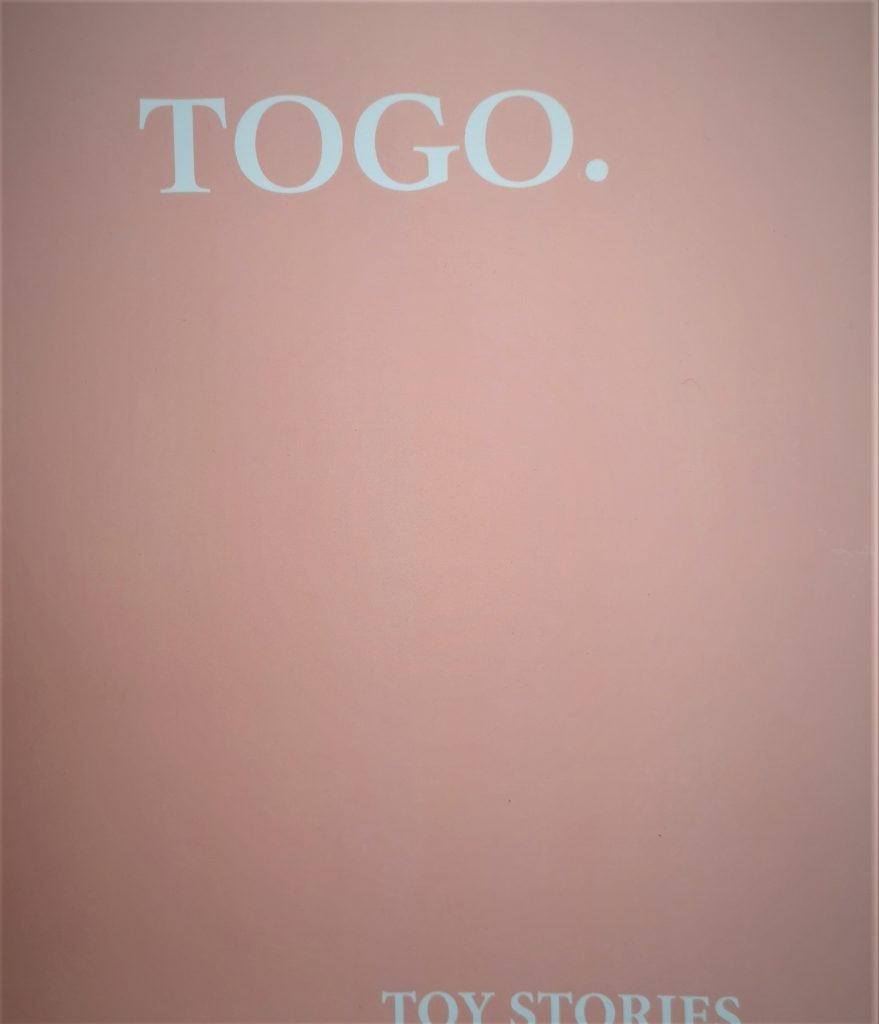
Toy Stories – TOGO (137k Gallery, 2020)
The newest book on this list, TOGO’s recently published Toy Stories might be one of my favourite things from 2020. The minimal cover, in TOGO’s signature pastel pink, conceals the energy that the nomadic artist is known for. Mischief and compulsion are central themes, captured in TOGO’s en scene photography and anecdotal writing, all based on real experience. Toy Stories makes apparent the feelings and sensory realities of graffiti and urban exploration, all with a combination of zine-like zest and elegant production. In many ways, this is a manifesto, part written word, part visual image, yet all direct, including the documentation of paint splattered garments and shoes, brushes, a balaclava and bolt cutters in a manner akin to a museum catalogue. Toy Stories is an impressive analogue addition to TOGO’s digital documentation of a graffiti artist’s life on the peripheries and a unique addition to Aotearoa’s urban art scene, a beautiful object as an artist book, and yet undeniably authentic.
So, that’s our list, what have we missed? Let us know in the comments and follow us on Instagram for more book club entries…
For the month of January Fiksate became a second home for itinerant artists Robert Seikon and Anastasia Papaleonida, the gallery’s first international residents. While Seikon is Polish, the couple are based in Greece, Papaleonida’s home country. That international flavor is further enhanced by their travels, with their arrival in Aotearoa following a stay in the Philippines and an exhibition in Taiwan. During their residency, I was able to spend time with the endearing duo. It was fascinating watching the two, who have been working together for almost twelve months, operate in the studio, each maintaining their distinct stylistic identity, while investigating the potential of collaboration. The artists alternate between a hyper-focus on their individual contributions and conferences around subtle details of composition and colour. But it is not just the studio where their collaborations flourish, with their work appearing on walls in numerous locations, including a number of works produced during their stay in Christchurch. While Seikon’s background in graffiti provides a lineage for this public practice, Papaleonida is relatively new to this approach, coming from a design foundation, bringing a unique consideration to their creative process. Their pairing has resulted in visually stunning works, where sharp, angular aspects contrast with organic elements, creating optical effects that invite the viewer to immerse themselves in the image, only to discover small, unsettling details that disrupt expectation, rewarding inspection. We caught up with Robert and Anastasia as their exhibition Long Trip of the Kokos drew near, taking in the sights and delights of Lyttelton, sitting down for a discussion about their experiences in Christchurch and New Zealand, their collaborative partnership and the differences working indoors and outside…
Welcome to Aotearoa! How long have you been in the country now?
RS: We have been here for one month already. It’s very nice.
AP: Amazing.
What are your perceptions of New Zealand so far?
AP: Everything is very organized and super clean! You are in the middle of nowhere and there’s a bathroom with a paper, it’s like, what the fuck?! And in general, the people are super nice.
RS: It’s not only the toilets that are clean! The grass is cut everywhere, fresh walls are repainted, everything is clean. You get the feeling you are at the end of the world, that you are very far away. But everyone is super friendly, you feel comfortable as soon as you get out of the airport.
As artists, do the distinct atmospheres of different cities and countries start to influence your work?
RS: It makes a difference for sure. Here for example, during our trip from the North Island to the South Island, the landscape was changing almost every hour. The landscapes in New Zealand combine parts of European landscapes all together, which is very interesting for us. All the colors and shapes we have seen during this trip have made a big impact on us.
Both of you work in abstraction. What specific influences have fed into the recurring motifs in your work? Have they come from real world references?
AP: For me, it’s about landscapes, plants, organic things…
RS: For me it is both the natural landscape and the urban environment. But in this case, for this exhibition, I think mostly the landscape, because we have worked with the memories that we have collected over the last few weeks of being in New Zealand. Sometimes I like to be inspired by the city, but here it hasn’t been the case. If we work with a wall in the city, the surrounding area is going to inspire the wall, but for this exhibition the influence is mostly the natural landscape.
One of the stunning landscapes that inspired the artists on the New Zealand trip…
There is an interesting interplay between your individual approaches; Anastasia, your more organic forms that seem to reference the cellular and biological, while Robert, your lines and geometric forms seem more hard-edged. While those aspects are quite distinct, the colors seem much more of a collaborative component…
RS: We enjoy talking about color.
AP: Yes, on this trip we have worked a lot more with color. In the past we didn’t have the opportunity to do that much, we were working a lot with black and white.
RS: In general, we like to use black and white.
AP: But, after this trip, travelling in the Philippines and here, the colors we have seen have been amazing and we have started to mix more colours. With all the work we have prepared for this exhibition, we have mixed I don’t know how many colors…
RS: We haven’t used straight black like we have before. Everything is mixed with something…
AP: The vision that we have for the exhibition is to create an atmosphere that is unique, which comes through not using straight black like we have in the past.
The wall painting inside Fiksate, part of the Long Trip of the Kokos exhibition, 2020.
This body of work has been created as part of your residency at Fiksate. You have noted the influence of your travels, but did you already have an idea of the work you were going to make when you arrived in Christchurch, or has the experience of the residency, the place and people, inspired the works as well?
AP: It has been interesting to work with other people around. For me, often when I’m working on something new, it takes time before I realize that something is happening for a particular reason. I can’t always see it at the time, but when I look back I can see that it came from somewhere…
I’ve noticed that your shared work station is very organized, from paint cups numbered in a spectrum of tints, to the way tools are laid out, is that something that has developed as part of your working relationship, or was it always evident individually?
RS: I think that is something we’ve both had from the past. Me, I always like to be precise and clean. We don’t even talk about it. We’ve got the same thinking in common…
Papaleonida at work on one of the pieces from Long Trip of the Kokos.
Seikon working on one of the works for Long Trip of the Kokos.
Is that sense of order intrinsically necessary to make the work look the way it does, or is it just a comforting aspect? I’m sure you are both very particular about the clean lines, the perfect dots, the sharp shapes and the smooth gradients, so that organisation must be important in achieving those effects, right? In the studio you can control those elements a little bit more, but do you have the same level of preparedness and organization when you’re painting outdoors?
RS: Oh yes, I like to prepare my bag the day before, so I am ready to have breakfast and go. Then, the morning before painting, I check everything is in my bag; the roller, the sketchbook…
AP: You need this, you need this… Outdoors, it’s like a small studio because you are spending hours in that place and you need your stuff in specific places, so it is free for the wall and for your movements…
There is a physicality to the way each of you work, a physical activity that goes into creating the details, from precise movements to more sweeping gestures. I’ve noticed that when you are working in the studio, while there are times when you’re both working on the same piece, often one of you is active and the other is either observing or off to the side, is that simply to give each other the physical space for these movements?
AP: To be honest I haven’t thought about that before, but maybe, now that you’re saying it, it does work like that, because when someone wants to do something more precise, you need to give him the space to do it…
RS: It’s a good observation. When we work, for example when Anastasia is working and I’ve got a small break, I’m also thinking about the things that I will do next, I’m waiting for Anastasia to move so I can get another answer, you know? It’s like, this little bit here is developing, so what is going to happen next?
AP: It’s not like we are doing sketches and they are the final product. When we create something, we will always add something new, because that touch goes like that, or this line goes like this, and we look at the balance and realize that maybe something new needs to be done. I think this is very interesting because we don’t really know what the final image will be.
RS: We don’t really know what will happen.
AP: And you build that slowly with small moves, it becomes a surprise…
Anastasia, it feels like your dots would have a more spontaneous nature, while Robert, your diagonal lines would be more carefully planned and constructed. But, is that actually the case, or are you both more balanced in your approach?
RS: The biggest similarity we have is that when we are working, we are super focused. You go inside an element and nothing can disturb you. Both of us are very focused on the process of our work. I don’t know, even if the lines or the dots are repeated forms, they can be created from elements all around us, even though they are clean, they can be natural as well.
Your studio output will become the exhibition, Long Trip of the Kokos, but you will also paint several outdoor commissions as well, each in very different settings. Is it important to get out of the studio?
RS: We like to change the environment around us. After spending weeks preparing the exhibition, we have had enough of the studio. We couldn’t start next week again in the studio. I like to have a change when I’m painting, it’s refreshing.
AP: What we will do on these walls will be a continuation of the inspiration that we have drawn from already. Although, with the Cosmic wall [a commission at the warehouse of iconic funk store Cosmic], we will work with a lot of colours, which is something we haven’t done much together. That will be very interesting for us…
The finished Cosmic mural, February 2020.
Do you ever reflect on being in the position where you can travel to places and leave something of a legacy through painting public works? Do they create a connection to place that average tourists don’t necessarily get?
AP: To be honest, I’m not thinking about that so much, that I will leave this wall as a legacy. It’s more about the process, the time that I’m spending doing it, the time that I’m painting, the people that are around, the interactions with people, the small talk, a question or a smile…
RS: And the moment you finish the artwork, that’s it. You are doing it until that final moment. I’m always crazy happy when I’m painting, when I’m doing something, then the moment I’m satisfied it’s finished, it is for other people from that point. I have made my thing, this is it. I’m very happy if someone gets positive vibes or can see something interesting, but I don’t need feedback. It’s all about the process, like Anastasia said, the process is going to stay in our memories.
The studio environment is secure, but also isolating, it is different from a public presence where those small conversations can more easily take place…
AP: It is very nice to have a connection with people, but also the work carries on, it is seen by people that you don’t meet, even if they don’t say anything, or they say or think something bad…
RS: But here we have been very surprised about how people have reacted to our art. We were traveling here without any expectations, we said: ‘let’s go to New Zealand and see what happens…’ But both of us are very surprised by how people have reacted…
In all of your travel, are there moments of engaging with people while working on a painting or mural that stand out?
RS: I mean, it doesn’t need to be anything special, it can just be small things, you know, you wake up and you see people and they’re happy in the morning…
AP: In Estonia, there was this old lady, every day she was coming and checking, without any expression. I mean every day, seven days we were there, and every day she checked with no expression. Then when we were finished, she finally said: ‘Yes, it’s nice.’
I wanted to ask about the title of the show Long Trip of the Kokos, what does it refer to?
RS: The story behind the title, comes from when we were in the Philippines. We saw a lot of kokos [coconuts] and they were traveling, somehow, they would go to the water, they were moved by the ocean, they would jump to the other islands. We thought maybe we are a little bit like these kokos, travelling and stopping here to make this small mark. This exhibition is the mark of these small travelers coming here to grow a little bit.
One of the works from long Trip of the Kokos, 2020.
This is an audience that you haven’t really had much experience with, but based on what you’ve experienced so far at Fiksate, and the people who have come through, have you been able to get a gauge of what you might expect?
AP: You know, we don’t really know what is going to happen…
RS: We are not expecting anything, but we don’t really make work in that way.
AP: All the thinking was to make these works because of the inspiration this experience has given us. It isn’t about what we will sell, it’s more about what we would love to present.
RS: We like working in this very expressive way. We have thoughts. We start to talk about it. We have a conversation, and then we say: ‘OK, let’s do it, why not? Let’s see what will happen…’ We didn’t expect anything, but we have already very positive feedback.
AP: Yes, although I am still not sure about how the audience will respond to our point of view on abstract.
Right, abstraction has become more and more prevalent within both urban contemporary and mural practice, but New Zealand can lag behind in some trends. Fiksate recently staged their Urban Abstract show and that was perhaps quite new for a lot of the audience, who might have been more accustomed to letter forms, figurative stencils and illustrations, and representational murals…
AP: I was thinking about that, because in most of the cities we have visited, the murals are pretty figurative, abstraction doesn’t seem to be as popular.
RS: But the abstract things here are on a good level. Sculptures or installations, they seem to be in good taste, which we were happy to see.
Robert, you have investigated translating your work into sculptural forms, right?
RS: Yes but not a crazy big amount, I am just beginning to touch on this direction. I started some years ago. It is not super easy to do, but I want to keep going because it gives me different positive vibes…
It seems like more and more artists are translating their work in different ways, into objects, installations, using light, projections, etc. It seems that more doors are open for artists from the urban realm, due to the popularity and visibility of muralism. Anastasia, how do you think your work would translate into a three-dimensional, or kinetic form?
AP: I have worked with smaller forms of sculpture, but I am probably more interested in installations. I have a lot of ideas, and I’m going to keep going with other projects.
Seikon and Papaleonida at work on the Cosmic mural, February 2020. (Photo credit: Jenna Ingram)
How do you operate in terms of having your own distinct paths as artists while still collaborating? Are you constantly working on your own things and then coming together for certain projects, or has it become more and more about the collaboration?
RS: We like to work in both ways, it depends of the project. Especially for this exhibition, it’s all about collaborative work. It’s nice for us to have the chance to involve our personal distinct paths and create something together.
AP: This is an interesting way to work because we have the opportunity for a dialogue.
A collaboration between Seikon and Papaleonida on the Berlin Wall remnant in Christchurch, February 2020.
It has only been just under a year that you’ve been working together…
AP: Almost a year.
That’s a relatively short time, so there is obviously a lot more to explore within your creative partnership. But long-term working partnerships can sometimes see the distinctions between each artist deteriorate, and a unified aesthetic develop, is that something you are consciously trying to avoid, or do you see it happening?
RS: That is a very open question, because already this year, new things have developed that can support our personal projects and we obviously have days when we want to create something by ourselves. The process is going here and the process is going there and we can mix those possibilities together. It’s super open for us.
What do you have planned for the rest of the year? When do you leave New Zealand?
RS: We leave on the 10th of February. We will go back home to Greece, and then we have something in Germany and a project in France, another project in Slovakia and that’s it for the moment. Maybe a small holiday after that…
It seems like travel is just an engrained part of the urban art movement…
RS: It’s not for everybody though. I’ve got artist friends who do not travel at all, they stay in the studio and that’s it.
AP: And for some artists it is not that important, I mean they feel better in their studio. It depends on the artist.
RS: For me, travel is the research about new places. From when I started painting, my city started to be like, OK, I’ve seen all the streets, all the nice places, I’ve painted here, I’ve painted there, but I need to search for more possibilities. I need to see different things that could inspire me, collect new knowledge and have that energy, this is important in my creative process.
How do you make your work resonate with different places? With abstraction, you aren’t using explicit cultural references, which can be a minefield anyway. Is your visual language such a personal reflection that it doesn’t necessarily need to display that connection to place in any overt way?
RS: I started to realize this a short time ago to be honest, I was traveling for many years and just reached a point where I’ve got things that I start to talk about and understand more. Now, I keep collecting those ideas as I travel, and they come out in my work.
AP: I think it’s important to observe what’s going on in any country because I don’t want to offend anyone. For example, in the Philippines, black is very bad. It’s the color of death. The associations of black mean you don’t use it. We tried to find it in the paint stores, but you couldn’t. When we went there, we didn’t realize how important it was to not use black, but we adapted over the month we were there and we started to realize more things that were important for people there, especially since we were painting a lot on small houses in the middle of the forest.
One of the murals painted during Seikon and Papaleonidas stay in the Philippines, 2019.Another Philippines production, 2019.
The chance to do research isn’t as easy for some artists, who might not have the luxury of a site visit or to acclimatize, especially if you are moving from job to job and have to hit the ground running in any new place you find yourself…
RS: The perfect situation is where you come to the place and you’ve got some time to prepare, not just going to a place with the sketch, painting it and leaving…
AP: Although it might not be possible, because if you do a big mural, you often need to give something to the people to see…
RS: Yes, but for us, we like to say, this is the sketch but by the end it is going to be a bit different…
Do you want to say thank you to anyone from your time in New Zealand?
AP & RS: Thank you to Fiksate Gallery for the trust and to all crazy positive people that we met during our stay in New Zealand…