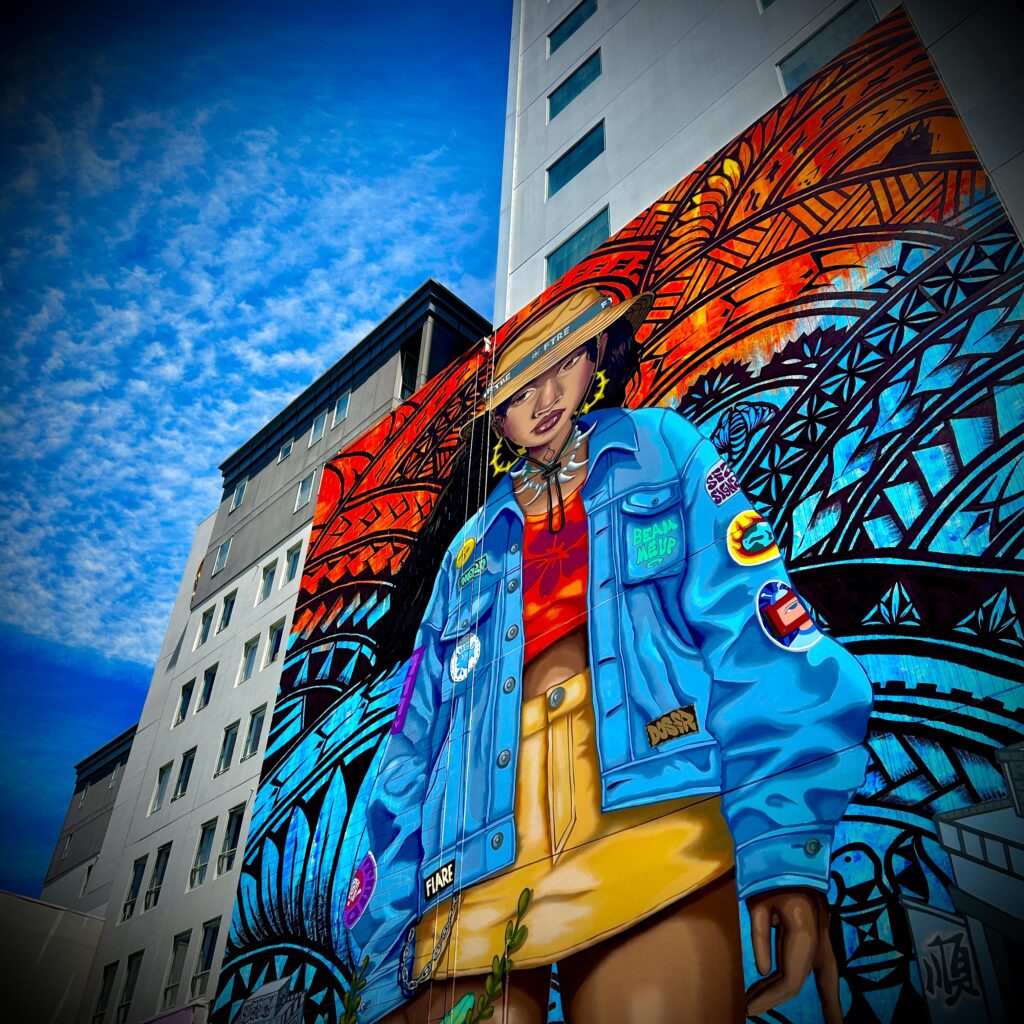
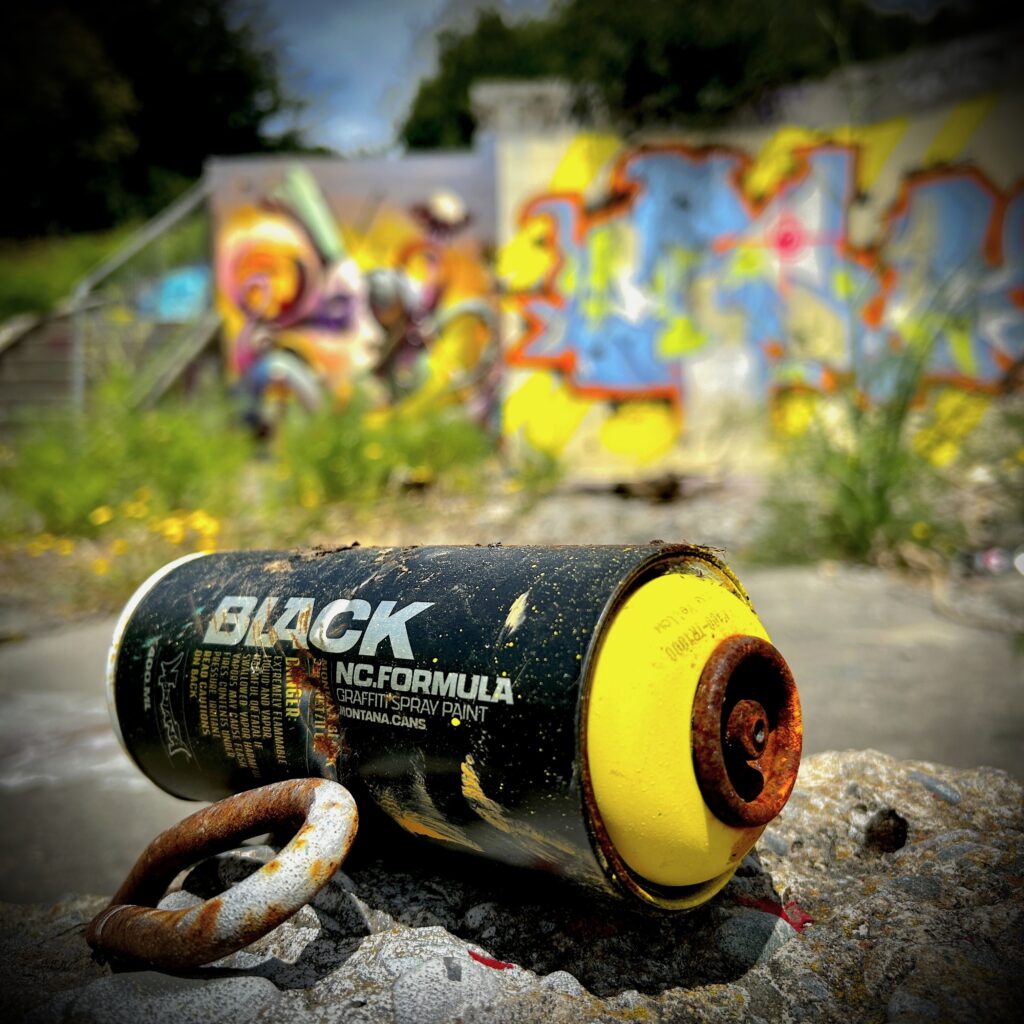
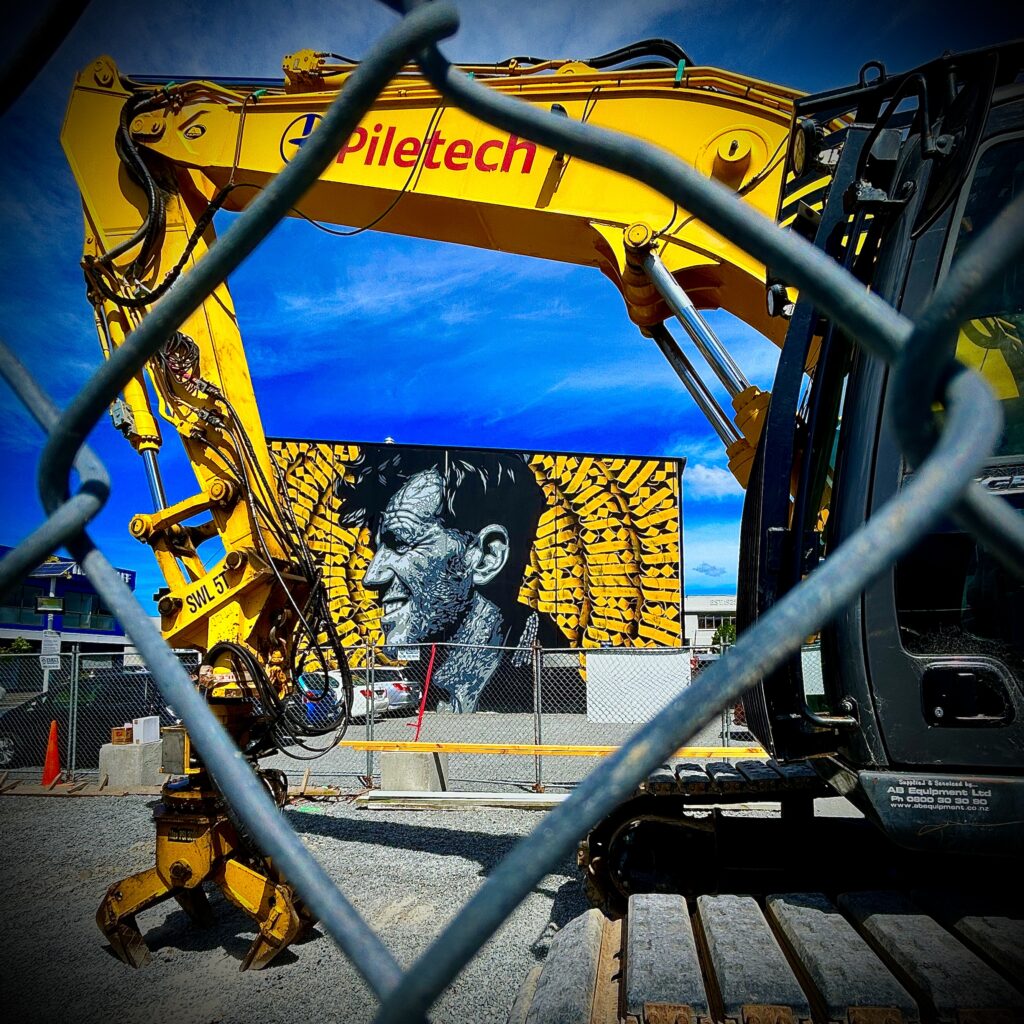
Corners of Christchurch’s vibrant pictures of Ōtautahi urban art have been unmissable on Instagram – the striking saturation adding an intensity to the presence of murals, graffiti and smaller interventions across the city’s terrain and providing a gripping juxtaposition with the blue skies, textured surfaces and physical layers of space. It is clear that these images are captured with thoughtful care and an eye for the wider context of art in public spaces. That care was made even more evident in the words Corners of Christchurch provided as an introduction to their photo essay – an earnest expression of the attraction, intrigue and community built around the city’s urban art.
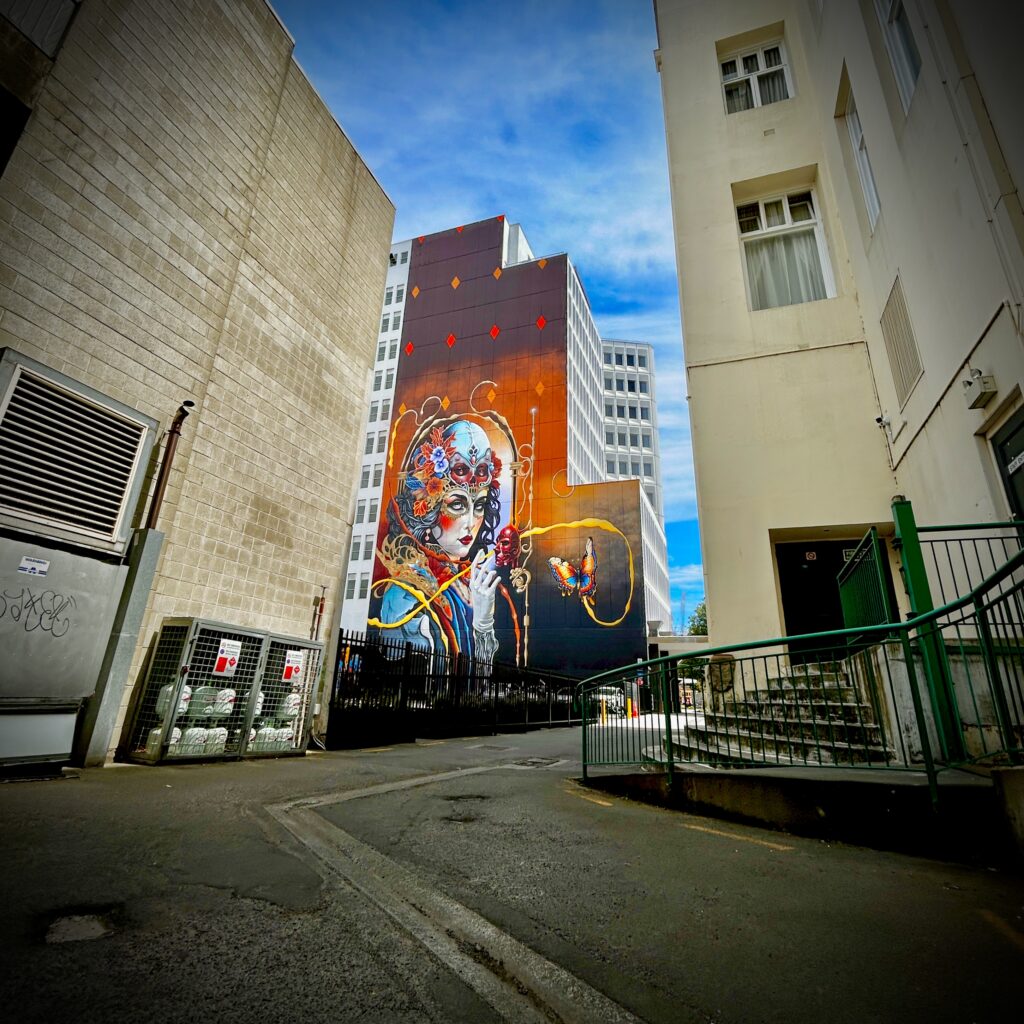
“Ōtautahi’s urban art scene doesn’t just live on feature walls or large-scale festival pieces. It sits in service lanes, back entrances, construction hoardings, stairwells, and half-hidden corners people pass every day without noticing.
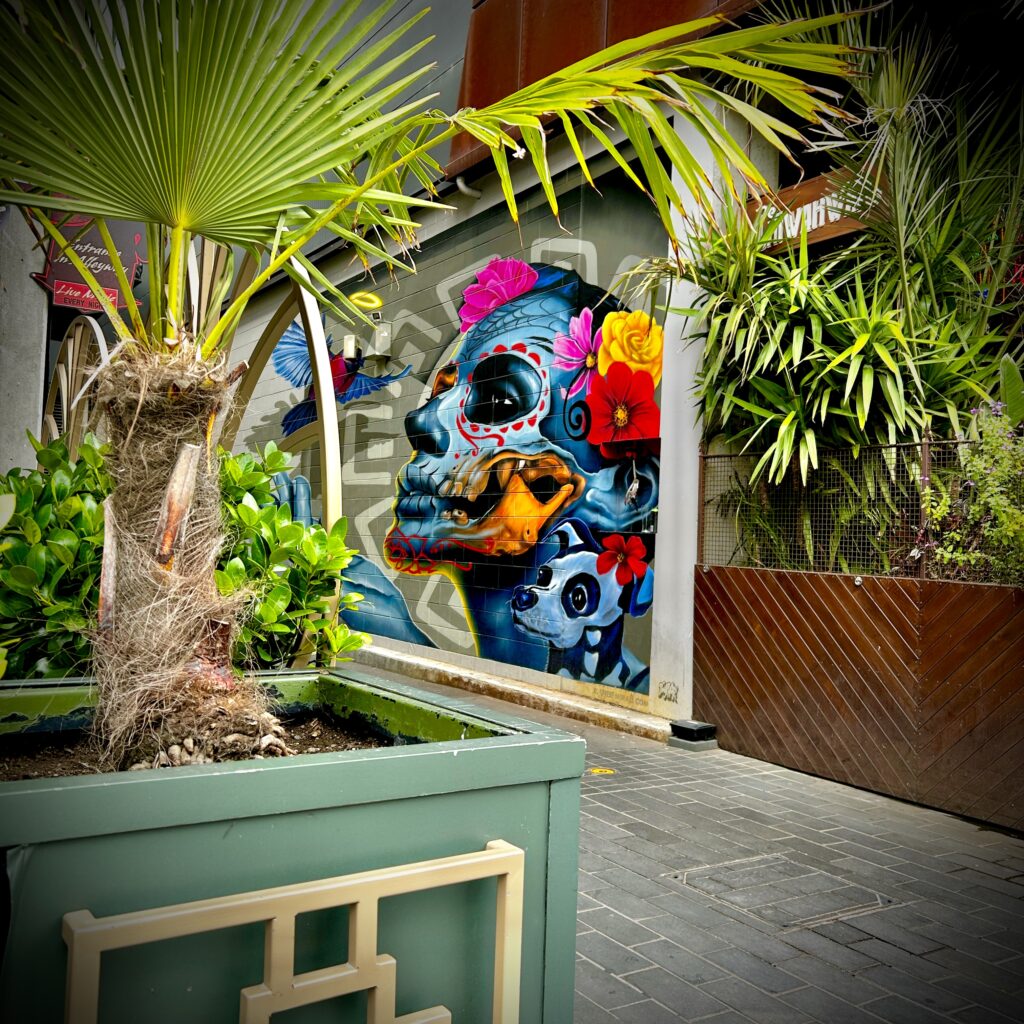
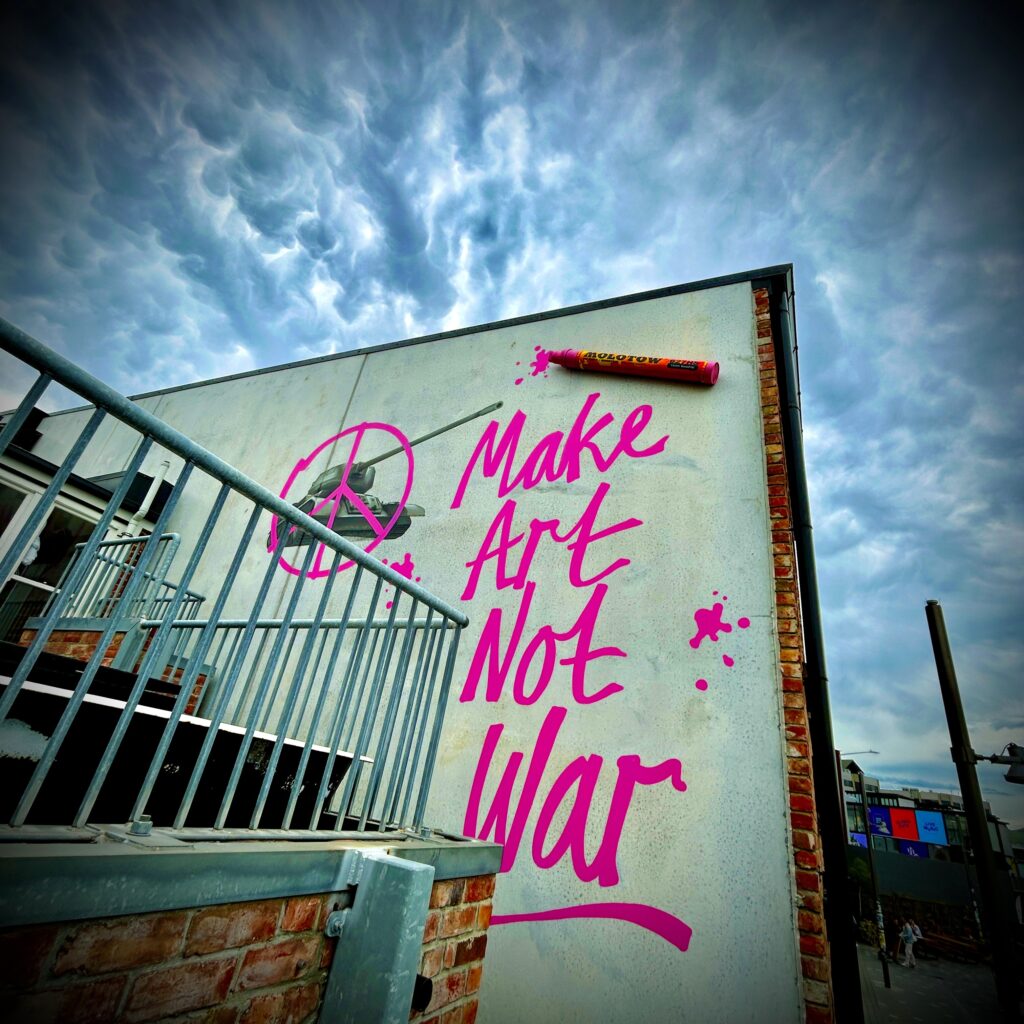
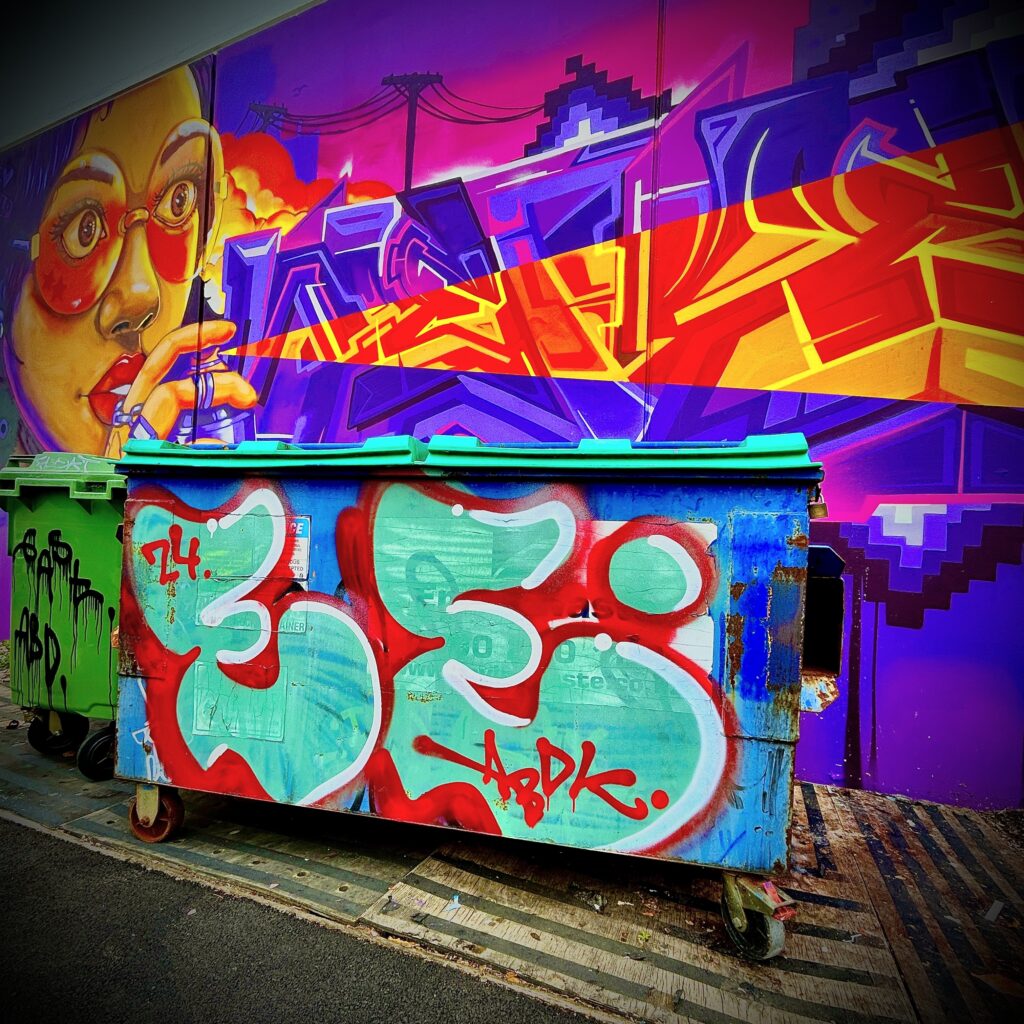
My photography for Corners of Christchurch focuses on documenting where art lives within the city rather than just the artwork itself. I’m interested in how all forms of public art interact with their surroundings – the buildings, weather, infrastructure, green spaces and the everyday movement around them.
Much of urban art lives in spaces that are temporary or constantly changing. Walls are repainted, buildings disappear, hoardings go up overnight, and small pieces surface and vanish just as quickly. Photographing these moments feels like holding onto short chapters of the city’s visual culture before they disappear or evolve into something new.
After the earthquakes, public art became a visible part of the city’s identity and rebuilding story. Walking through the city, I became drawn to how those works exist within the daily life of the city – how they age, how spaces around them change, or how smaller pieces contribute to the wider visual environment.
Photography has always been something I’ve gravitated toward, but returning to it with intent came through rediscovering the urban art scene across Christchurch in more depth. Picking up the camera again became less about creating images and more about paying attention. It gave me a much needed reason to slow down, wander, clear the noise and notice details that are easy to overlook in a city that is still reshaping itself.
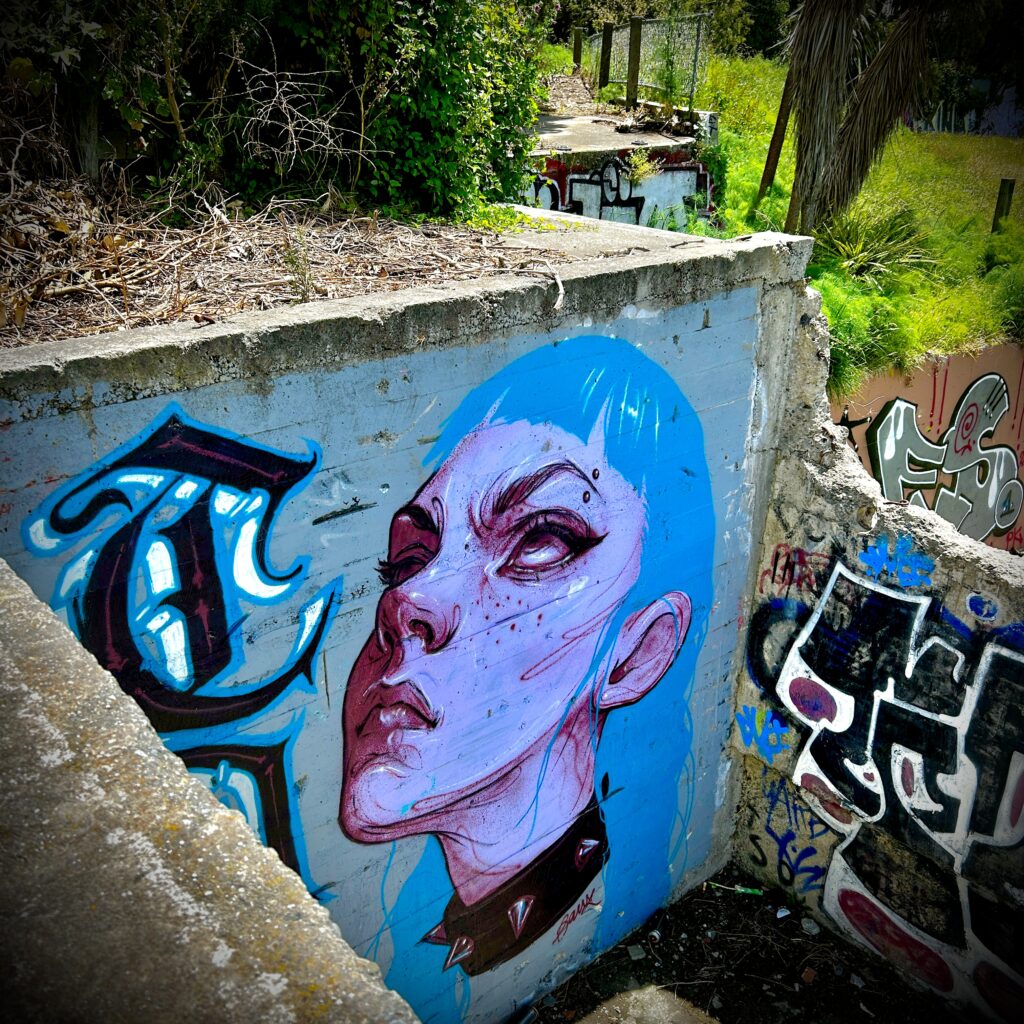
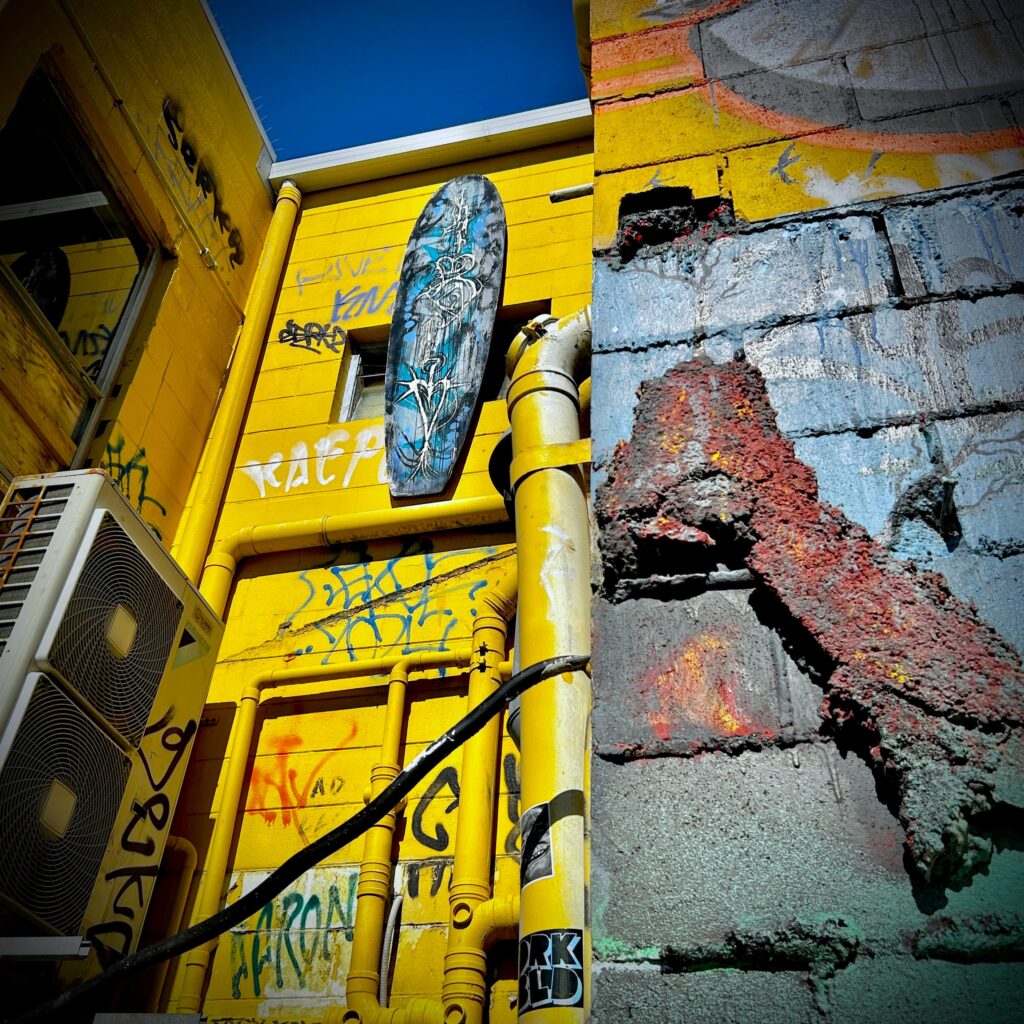
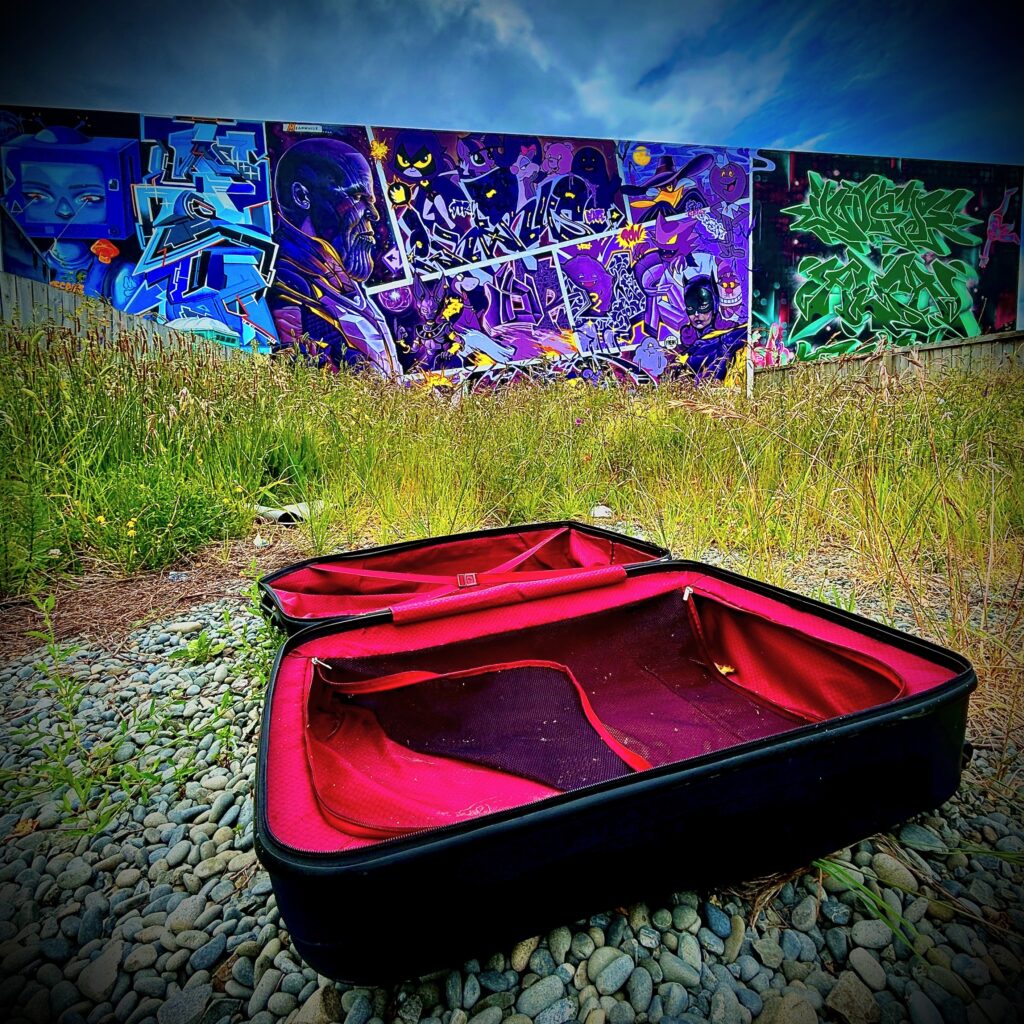
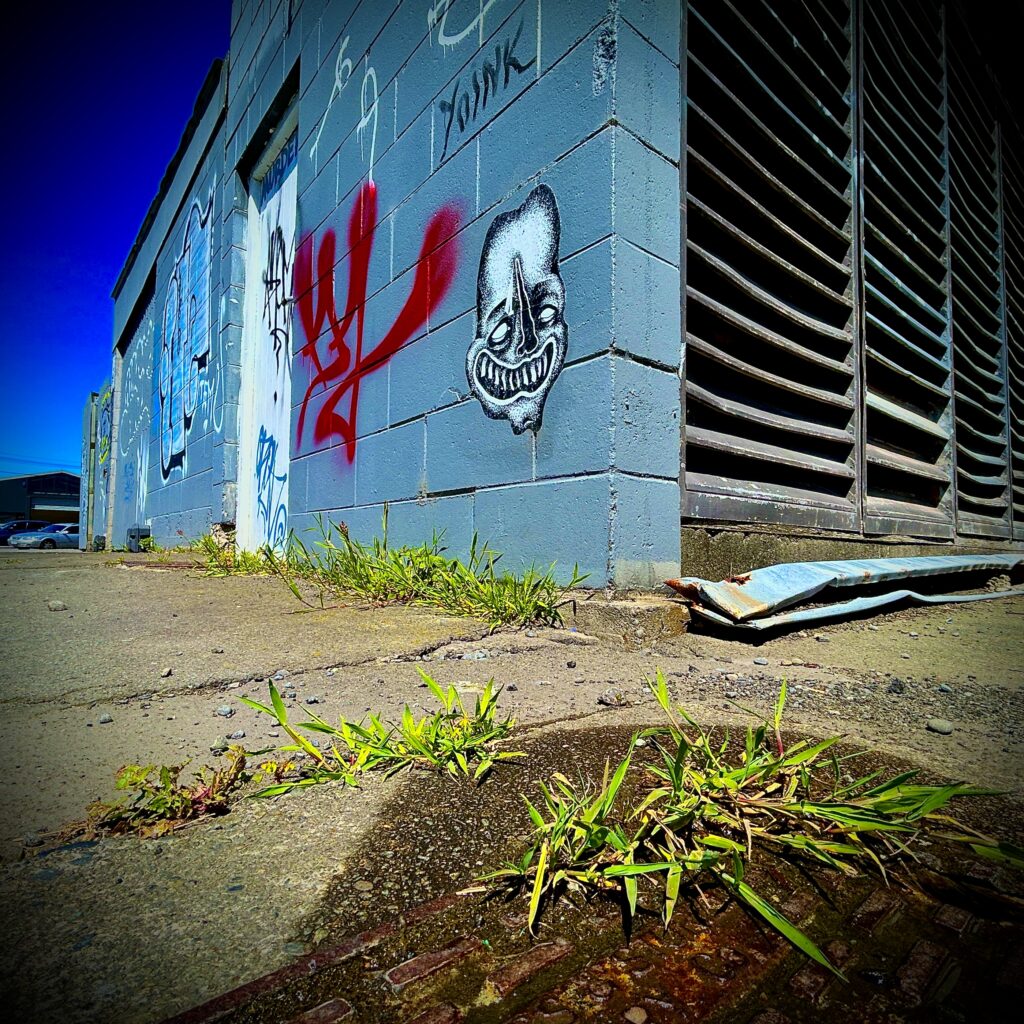
My approach has become more observational. Rather than treating artwork as a standalone subject, I try to capture the relationship between the art and its surroundings. That might mean capturing murals framed by surrounding architecture, graffiti layered into ageing infrastructure, or smaller works tucked into spaces that reward curiosity.
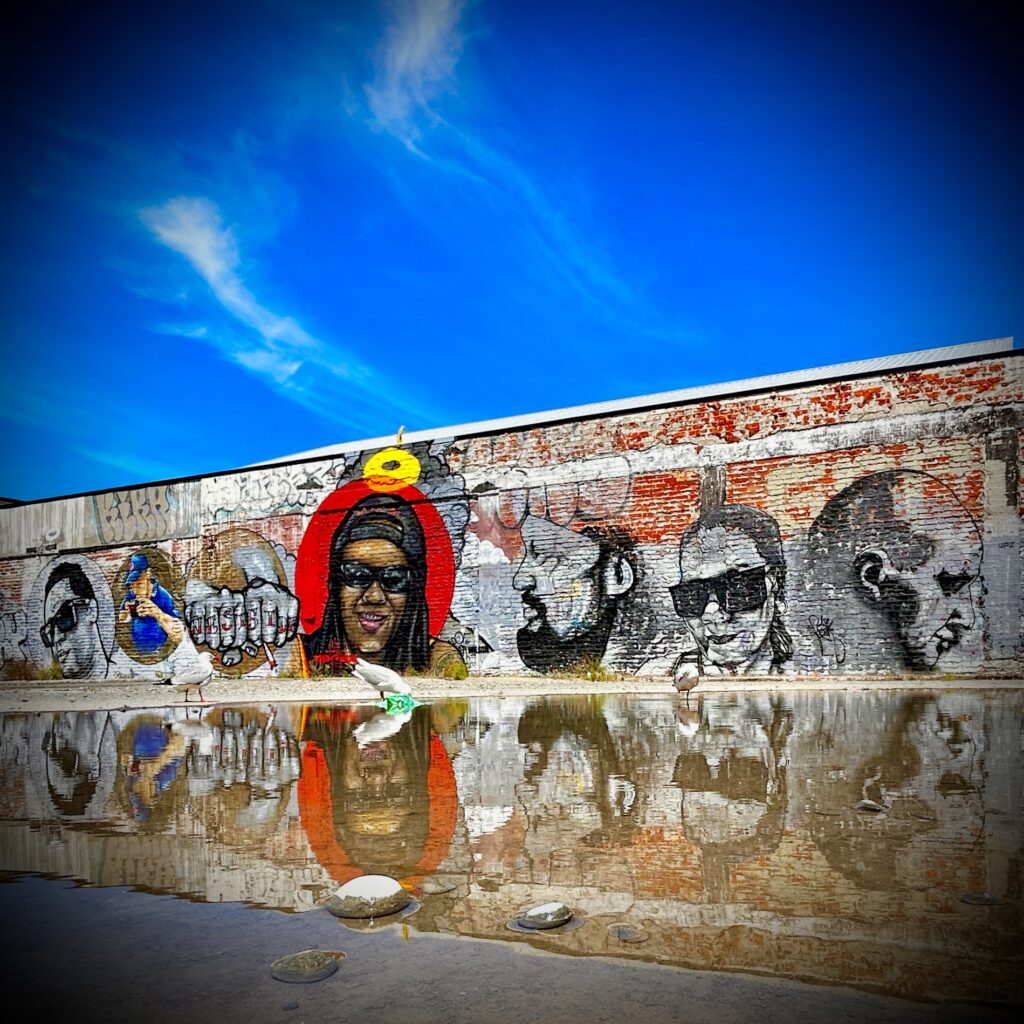
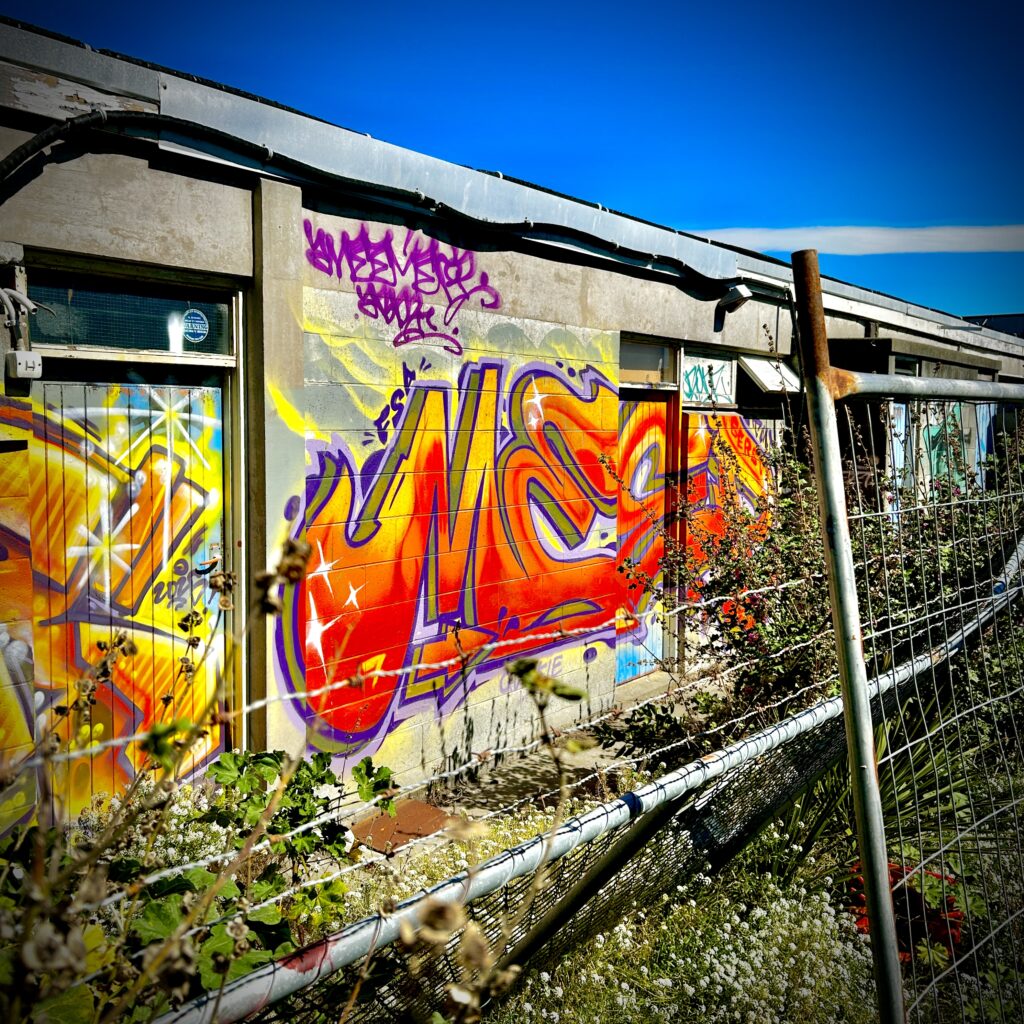
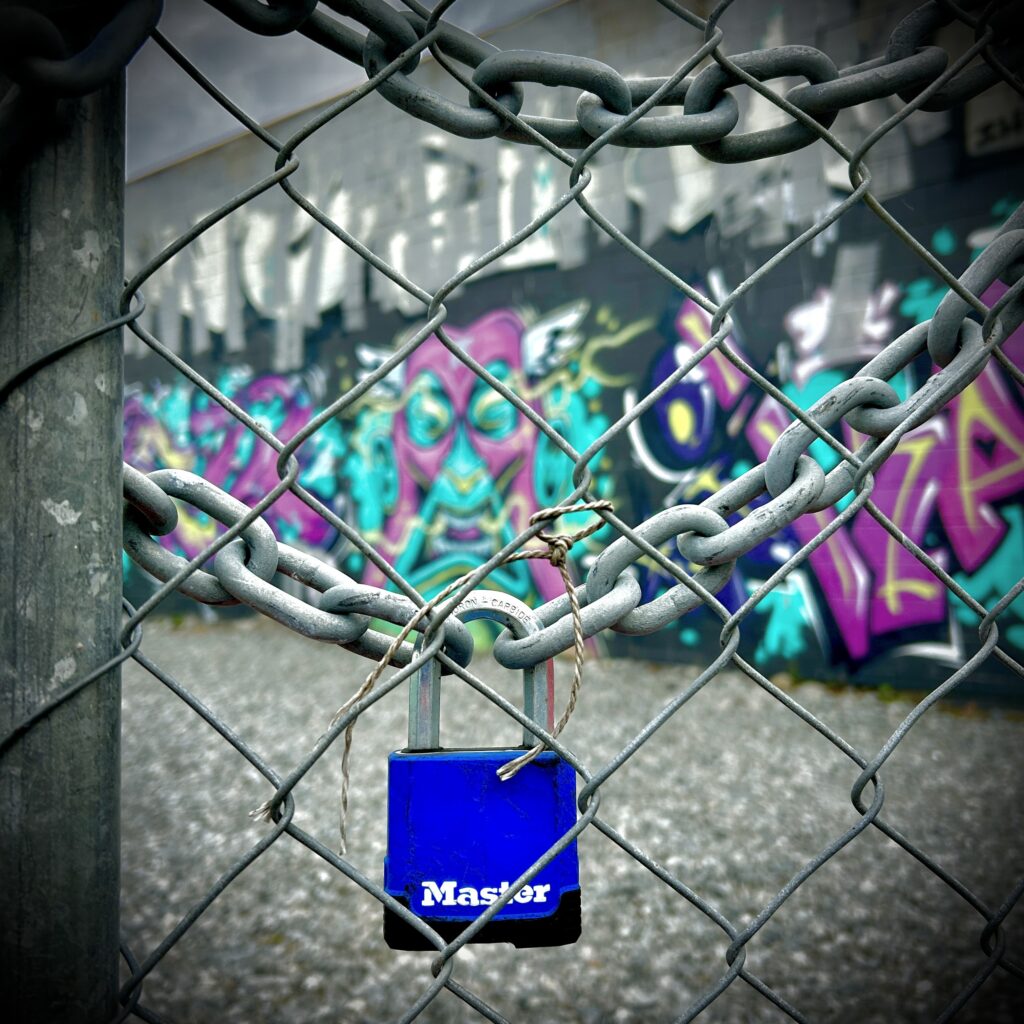
I’m drawn to moments where the environment adds to the narrative – reflections in puddles, partially obscured works behind fencing, weathered paint and walls, or murals sitting alongside everyday urban clutter. These elements show how street art lives and changes within these spaces rather than being separate from them.
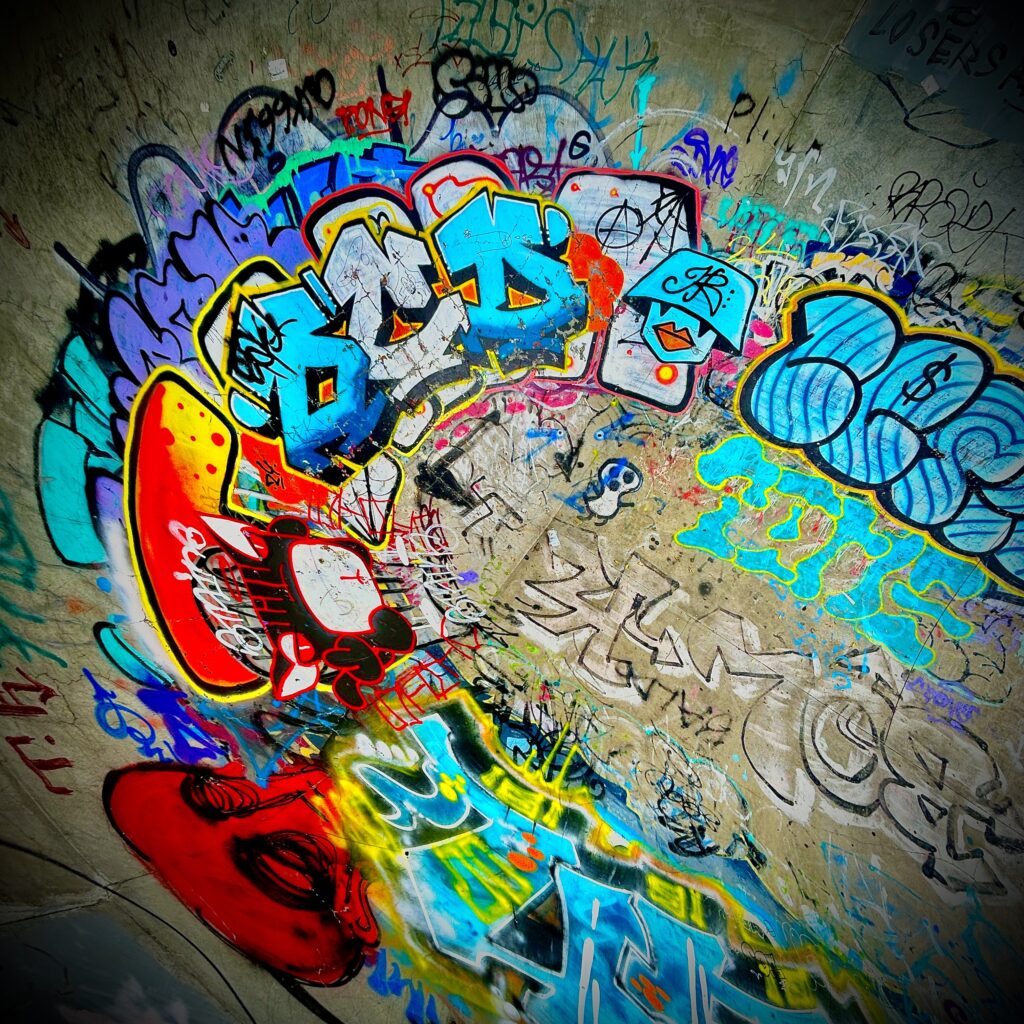
My colour palette for this work in particular leans more toward saturation and contrast to highlight the intensity of the work within its surroundings. Urban art often appears in spaces dominated by concrete, steel, and temporary infrastructure, and the colour becomes part of the story of how these works claim space.
As much as we may want it to, urban art in public spaces rarely stays still. Murals are painted over, sites are redeveloped, and entire blocks can shift character within a few years. Documenting these works has become a form of informal archiving – a way of capturing how creative expression moves through the city over time.
It’s also a way of recognising the artists and crews who contribute to shaping Ōtautahi’s visual identity. Their work influences how people experience public space, often in ways that become part of daily life without being consciously noticed.
One of the most important aspects of documenting urban art for me has been approaching it with respect for the artists, the culture, and the spaces where the work exists. This includes crediting artists whenever possible, being clear about my intent, and engaging with the scene as a supporter and contributor rather than simply an observer.
The idea of sharing my work in this space lived in my head for a long time before I pushed past the doubt and committed to sharing it. Since doing so, I have come to better understand the depth of the local urban art community and have been shown nothing but support – every chat, message, and interaction has inspired and motivated me dramatically. I love learning about the stories, the process, and the people behind each wall. Being welcomed into this space is something I don’t take for granted, and it continues to shape how I document the work I encounter.
As the city continues to grow and redefine itself, urban art will remain a meaningful and visible expression of the city’s stories, identity, and community voice. My aim is to keep documenting those stories and contribute to a visual record of how urban art lives and changes within Ōtautahi.”
Follow Corners of Christchurch on Instagram for more!